
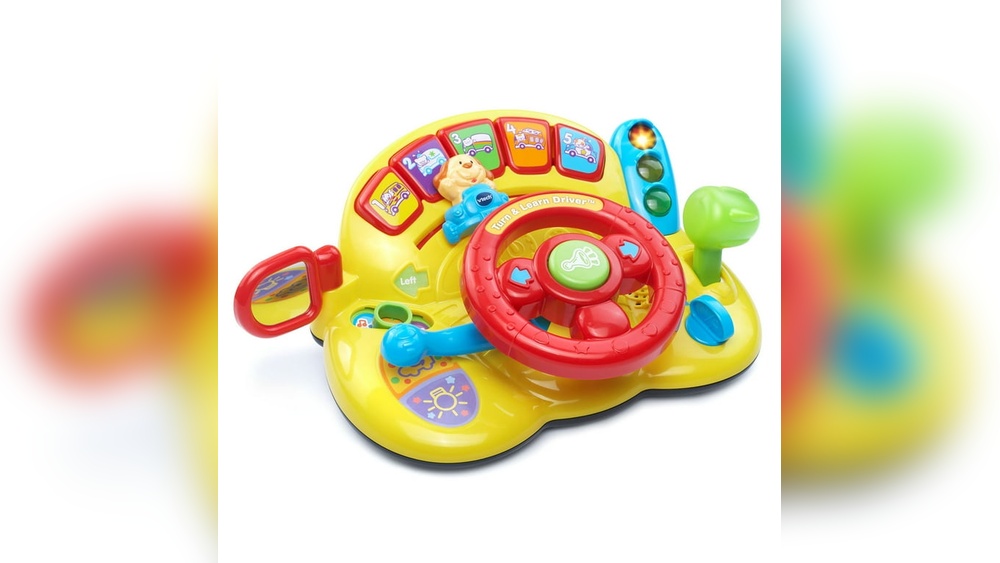
Are you wondering if musical toys are good or bad for your baby? It’s a common question many parents ask.
You want what’s best for your little one, but sometimes it’s hard to know which toys really help their growth and which might do more harm than good. Musical toys seem fun and educational, but could they actually affect your baby in ways you haven’t thought about?
Keep reading to discover the surprising truth about musical toys and how they can impact your baby’s development. This will help you make smart choices that support your child’s growth and happiness.
Benefits Of Musical Toys
Musical toys offer many benefits for babies. They stimulate young minds and support growth. These toys create a fun way for babies to learn and explore sounds. Playing with musical toys helps babies develop essential skills early on. Below are some key benefits that show why these toys matter.
Enhancing Sensory Development
Musical toys help babies hear different sounds and tones. This variety sharpens their sense of hearing. Babies also feel vibrations and textures while playing. These experiences build strong sensory connections. Sensory development is important for understanding the world around them.
Boosting Cognitive Skills
Musical toys encourage babies to think and remember. They learn cause and effect by pressing buttons or shaking instruments. Babies practice listening and recognizing patterns in music. These activities support brain growth and early thinking skills.
Encouraging Motor Coordination
Playing with musical toys improves hand-eye coordination. Babies practice holding, tapping, and moving objects. These actions develop fine motor skills needed for daily tasks. Musical toys also inspire movement and body control, aiding overall coordination.
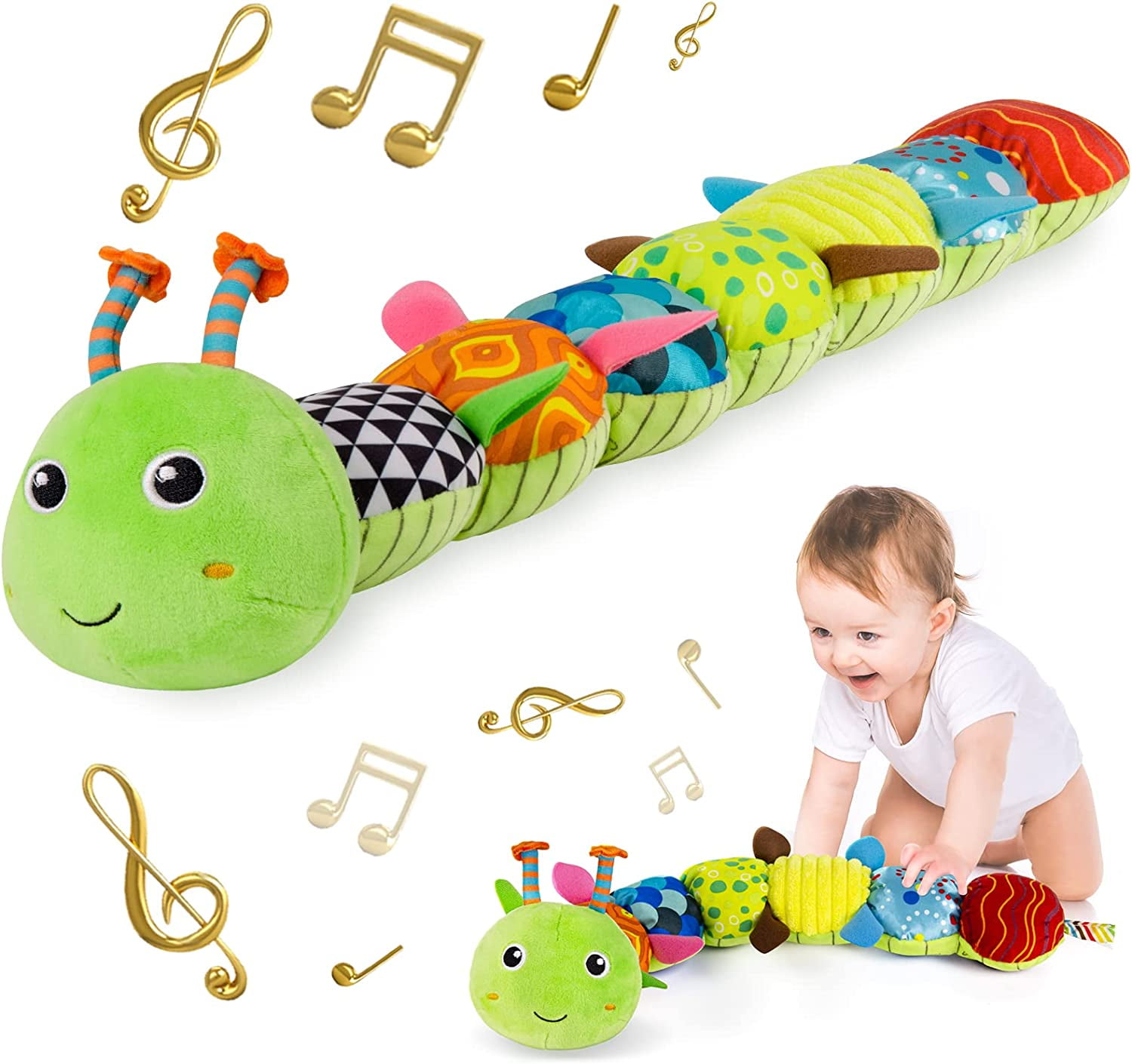
Credit: kdfoundation.org
Potential Downsides
Musical toys offer fun and learning for babies. Yet, they can also have some downsides. Knowing these helps parents make smart choices.
Overstimulation Risks
Babies have sensitive brains. Loud or constant sounds can overwhelm them. Too much noise may cause fussiness or trouble sleeping. Some babies might become cranky or stressed. Giving breaks from music helps balance playtime.
Noise Level Concerns
Many musical toys play sounds at high volumes. Loud noise can hurt tiny ears. It might cause hearing problems over time. Parents should check the toy’s volume before use. Choosing toys with adjustable sound is safer for babies.
Dependency On External Sounds
Babies can get used to music all the time. They may expect noise to feel calm or happy. This can make quiet moments hard for them. Learning to enjoy silence is also important. Parents can mix silent toys with musical ones for balance.
Age-appropriate Choices
Choosing the right musical toys for babies is very important. Age-appropriate toys help babies learn and stay safe. Different ages need different types of toys. Picking toys that fit a baby’s age supports their growth and keeps playtime fun.
Selecting Safe Toys For Newborns
Newborns need soft, gentle toys that do not make loud noises. Soft musical toys with low volume are best. Toys should be easy to hold and made from safe materials. Avoid toys with small parts or sharp edges. Simple sounds like lullabies help soothe babies at this stage.
Toys For Different Development Stages
As babies grow, their needs change. Around three to six months, babies enjoy toys that make sounds when touched. Toys with buttons or keys teach cause and effect. By nine months, babies like toys that encourage crawling and movement. Choose musical toys that match your baby’s skill level. This helps develop hearing, motor skills, and curiosity.
Avoiding Choking Hazards
Small parts can be dangerous for babies. Always check the size of musical toy pieces. Toys should be bigger than a baby’s mouth. Avoid loose buttons, batteries, or detachable parts. Look for toys that meet safety standards. This keeps babies safe while they explore sounds and music.
Parental Guidance Tips
Parental guidance plays a key role in using musical toys for babies. Parents need to help their babies enjoy these toys safely. Proper guidance makes playtime fun and educational. It also protects babies from overstimulation and discomfort. Here are some useful tips to guide parents.
Balancing Playtime
Keep playtime with musical toys short and sweet. Too much noise can upset babies. Mix musical toys with quiet play to give rest. Balance helps babies stay happy and calm. It also supports healthy hearing development.
Monitoring Baby’s Reactions
Watch how your baby reacts to musical toys closely. Signs like fussiness or covering ears show discomfort. Stop using the toy if the baby seems upset. Positive reactions like smiling or clapping mean they enjoy it. Adjust playtime based on your baby’s mood.
Creating A Stimulating Environment
Use musical toys to create a rich learning space. Combine sounds with colors and textures for full senses. Sing along or dance to enhance engagement. A varied environment helps babies learn faster. Keep the area safe and free from hazards.
Expert Opinions
Experts share different views on musical toys for babies. Their opinions help parents decide what is best. Understanding expert advice can guide safe and helpful play.
Pediatrician Insights
Pediatricians say musical toys can be good for babies. They help develop hearing and motor skills. Toys should be safe, with no small parts or loud sounds. Doctors warn against overstimulation from too many noises. Balance is key for healthy playtime.
Child Development Specialists
Child development specialists focus on learning benefits. Musical toys encourage creativity and cause-and-effect understanding. They also support language skills through rhythm and sounds. Specialists suggest using toys that match the baby’s age. Play should be interactive, not just passive listening.
Research Findings
Research shows musical toys can boost brain development. Studies find improved memory and attention in babies who play with music. Loud or complicated toys may cause stress or distraction. Simple, gentle sounds are best for young children. Research supports mindful use of musical toys for growth.
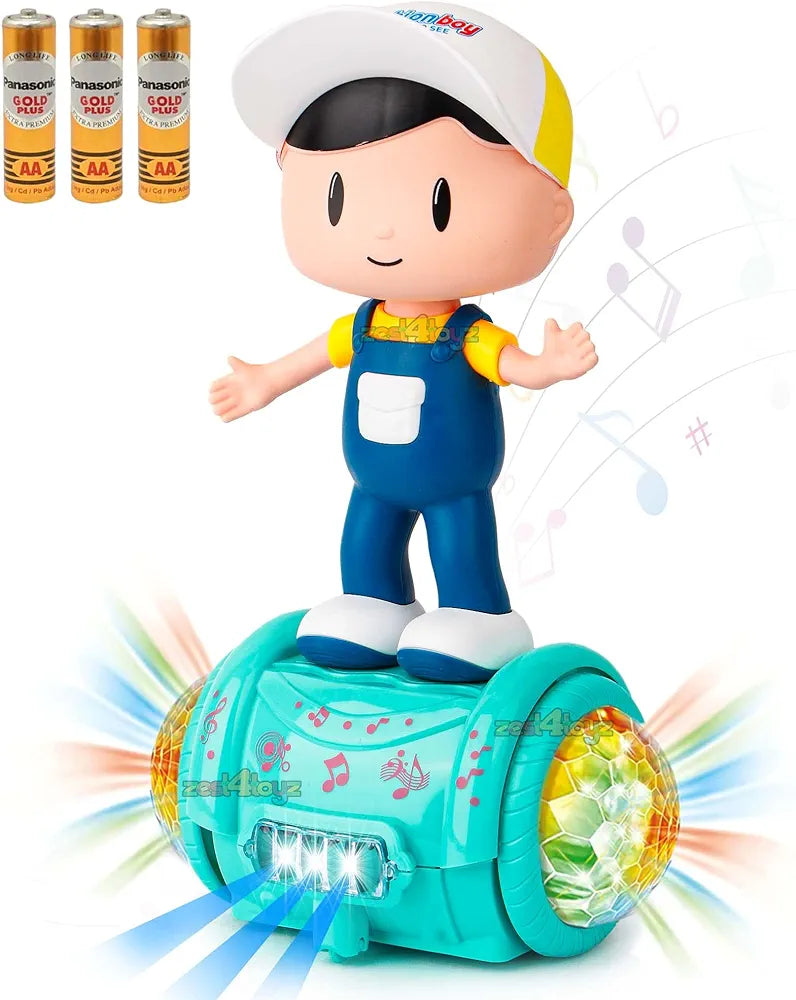
Credit: darsalud.com.ve

Credit: www.amazon.com
Frequently Asked Questions
Are Musical Toys Harmful To Babies’ Hearing?
Musical toys are safe if volume is moderate. Loud sounds can damage babies’ sensitive hearing. Always check sound levels before use.
Do Musical Toys Support Baby’s Brain Development?
Yes, musical toys stimulate cognitive skills. They enhance memory, attention, and auditory processing. They also encourage creativity and sensory exploration.
Can Musical Toys Cause Overstimulation In Babies?
Yes, excessive noise may overwhelm babies. Limit playtime to avoid sensory overload. Choose toys with adjustable volume settings.
What Age Is Suitable For Musical Toys?
Musical toys are ideal from 6 months onward. At this age, babies start exploring sounds. Always select age-appropriate, safe toys.
Conclusion
Musical toys can help babies learn and have fun. They support hearing, movement, and creativity. Too much noise might upset some babies. Choose toys that match your baby’s age and needs. Watch your baby’s reactions and adjust playtime. Balance music with quiet moments for best results.
Overall, musical toys bring joy and learning together. Use them wisely to boost your baby’s growth.
