
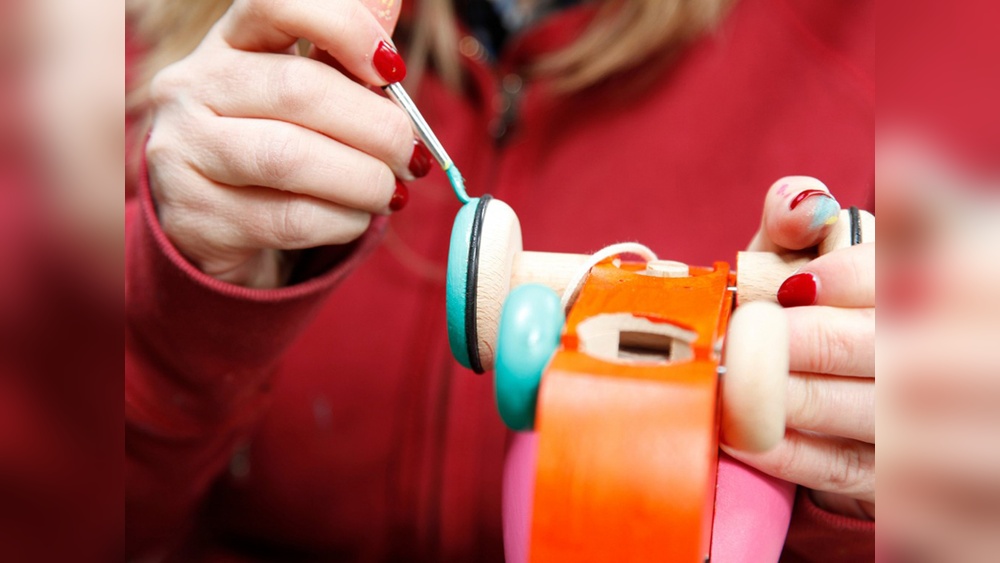
When it comes to your baby’s toys, safety is your top priority. You want to make sure every item they touch is free from harmful chemicals.
But what about the paint used on those toys? Are latex paints safe for your baby’s toys, or could they pose hidden risks? Understanding this can protect your little one from potential dangers and give you peace of mind. Keep reading to discover everything you need to know before choosing paint for your baby’s toys.
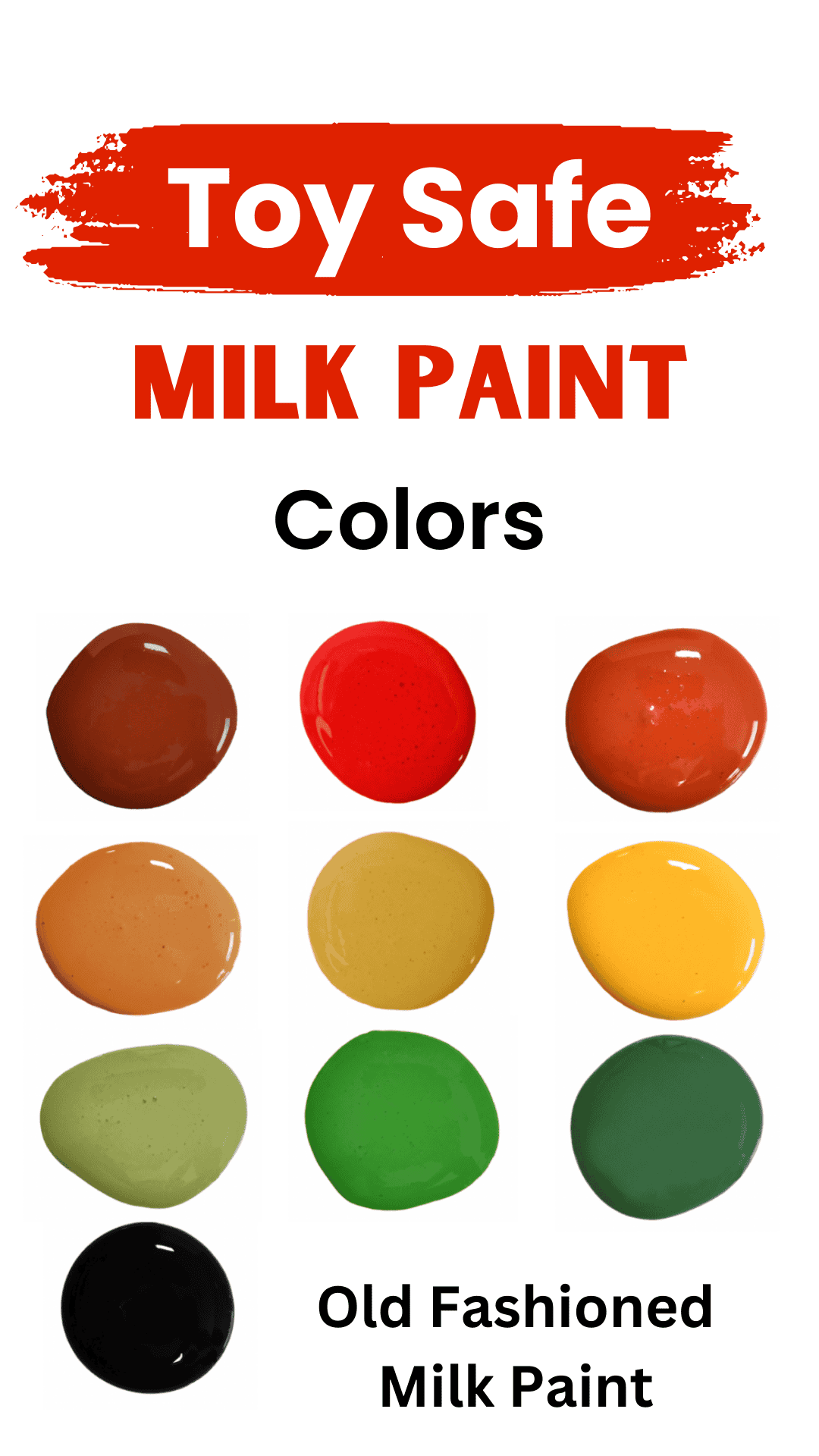
Credit: www.mychemicalfreehouse.net
Latex Paint Basics
Latex paint is a popular choice for many projects, including painting baby toys. Understanding its basics helps you decide if it is safe for children’s use. This paint type is water-based and generally has fewer harmful chemicals. It dries quickly and offers good coverage, making it practical for various surfaces.
Composition And Types
Latex paint mainly consists of water, pigment, binder, and additives. The binder holds the pigment particles together and sticks them to surfaces. There are two main types: interior and exterior latex paints. Interior paints have low levels of volatile organic compounds (VOCs). Exterior paints are designed to resist weather and wear better.
Common Uses In Toys
Latex paint is often used on wooden and plastic baby toys. Its quick drying time helps speed up the production process. Many manufacturers prefer latex paint for its bright colors and smooth finish. Toys painted with non-toxic, low-VOC latex paints are safer for children. Still, it is important to check for safety certifications on the paint label.

Credit: www.amazon.com
Toxicity Concerns
Latex paints are popular for many home projects, including painting baby toys. Parents want to know if these paints are safe. The main worry is about toxicity. Some paints can contain chemicals harmful to babies. It is important to understand what ingredients to avoid and how they might affect your child’s health.
Chemical Components To Avoid
Some latex paints have harmful chemicals. Look out for volatile organic compounds (VOCs). These can release gases that irritate the lungs. Avoid paints with formaldehyde, which can cause allergies and breathing problems. Lead is another dangerous chemical. It can harm brain development in babies. Check labels carefully for these toxic substances.
Potential Health Risks For Babies
Babies are more sensitive to chemicals than adults. Exposure to toxic paint can cause skin rashes. It may also lead to coughing or sneezing. Inhaling fumes can affect their developing lungs. Some chemicals can harm brain growth and behavior. Long-term exposure increases these risks. Always choose paints labeled as non-toxic and safe for children.
Safety Standards
Safety standards ensure that latex paints for baby toys are free from harmful chemicals. These rules protect babies from toxic substances. They control the ingredients and the paint’s durability. Parents can trust paints that follow strict safety guidelines.
Understanding these standards helps choose safe products. Babies often put toys in their mouths. Safe paints reduce health risks like allergies or poisoning. Always check if the paint meets official safety requirements.
Regulations For Toy Paints
Many countries have strict laws for toy paints. These rules limit toxic elements like lead, cadmium, and mercury. Paints must pass tests to show they do not harm children. The US has the CPSC guidelines for toy safety. The EU follows the EN 71 standard for toys. These regulations ensure the paint is safe for chewing and touching.
Certifications To Look For
Look for certifications on the paint label. The ASTM F963 mark means the paint meets US safety tests. The CE mark shows it follows European safety rules. Non-toxic and AP (Approved Product) seals also mean safe ingredients. These marks give confidence that paints are safe for baby toys. Avoid paints without any safety certification.
Choosing Safe Paints
Choosing the right paint for baby toys is very important. Babies explore the world by touching and tasting objects. Paints with harmful chemicals can cause health problems. Safe paints keep your baby healthy and happy. Always check the ingredients before buying any paint. Pick paints made especially for children’s items.
Non-toxic And Low Voc Options
Non-toxic paints do not contain harmful chemicals. They are safe for babies to touch and mouth. Low VOC (Volatile Organic Compounds) paints release fewer fumes. These fumes can cause breathing problems or allergies. Using low VOC paints helps keep indoor air clean. Many brands offer non-toxic, low VOC paints for toys. Look for labels that say “safe for children” or “non-toxic.”
Natural Alternatives
Natural paints use ingredients from plants and minerals. They avoid synthetic chemicals and toxins. Common natural options include milk paint and clay-based paint. These paints are gentle and safe for baby toys. They also have bright, beautiful colors. Natural paints dry fast and are easy to clean. Choosing natural alternatives reduces chemical exposure for your child.
Application Tips
Applying latex paint to baby toys requires care and attention. Proper steps help ensure safety and a smooth finish. Follow these tips to get the best results and keep your baby safe.
Proper Surface Preparation
Clean the toy surface well before painting. Remove dirt, dust, and grease with mild soap and water. Let it dry completely to avoid paint peeling later.
Lightly sand the surface if it is glossy. This helps the paint stick better. Use fine sandpaper and wipe away dust after sanding.
Choose a well-ventilated area for painting. This prevents inhaling fumes and speeds up drying.
Drying And Curing Times
Allow the paint to dry fully between coats. This usually takes about one hour. Apply thin layers instead of thick ones.
After the last coat, let the toy cure for several days. This ensures the paint hardens and is safe to touch.
Do not rush use of the toy. Curing time helps avoid paint chipping or peeling that may harm your baby.
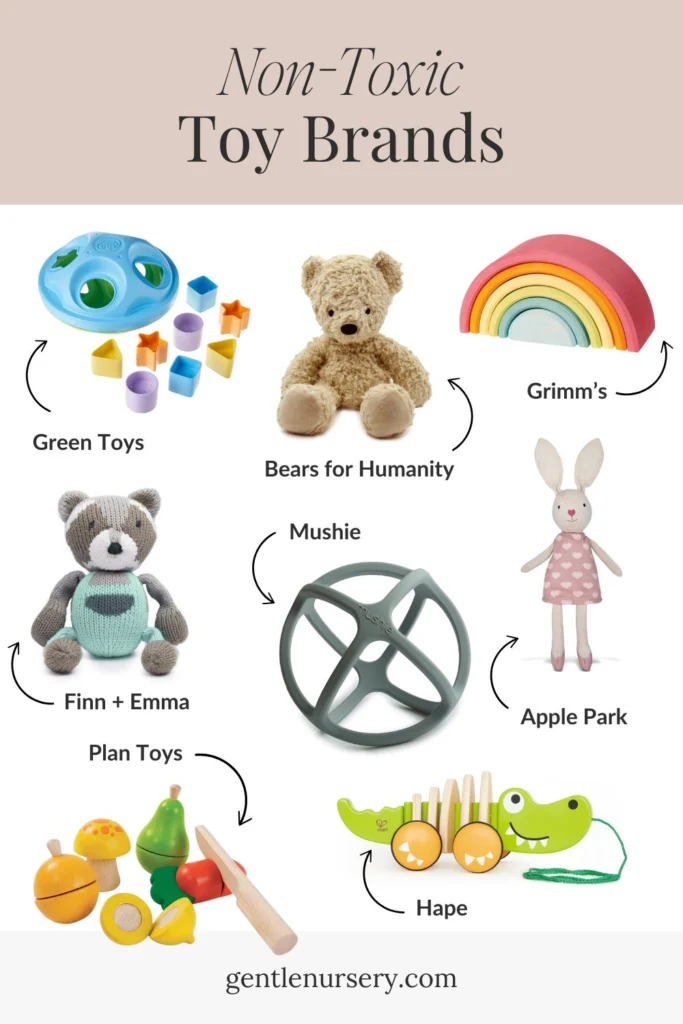
Credit: www.gentlenursery.com
Maintaining Painted Toys
Maintaining painted toys helps keep them safe and looking good. Painted surfaces can wear over time. Proper care stops paint from chipping or peeling. It also keeps the toy clean and safe for babies.
Cleaning Without Damage
Use a soft cloth to clean painted toys. Avoid harsh chemicals or scrubbing too hard. Mild soap and water work well. Dry the toy gently with a towel. This keeps the paint intact and the toy safe.
Checking For Paint Wear
Look at toys often for any paint damage. Check for chips, cracks, or peeling paint. Remove or fix toys with damaged paint. This prevents babies from swallowing paint flakes. Regular checks keep toys safe and healthy to use.
Frequently Asked Questions
Are Latex Paints Non-toxic For Baby Toys?
Latex paints are generally low in toxic chemicals. Many brands offer non-toxic, safe formulas suitable for baby toys. Always check for ASTM D-4236 certification to ensure safety and avoid harmful fumes or ingredients.
Can Latex Paint Cause Allergies In Babies?
Latex paints can cause allergies if they contain harsh chemicals or solvents. Choose non-toxic, hypoallergenic paints specifically designed for baby products to minimize allergy risks and skin irritation.
How To Ensure Latex Paint Is Safe For Baby Toys?
Look for labels stating “non-toxic” and “safe for children. ” Use water-based, low-VOC latex paints. Allow full drying and curing before giving toys to babies to prevent exposure to fumes or chemicals.
Is Latex Paint Better Than Oil-based Paint For Baby Toys?
Yes, latex paint is water-based, has fewer toxins, and dries faster. Oil-based paints release harmful fumes and chemicals, making latex paint a safer choice for baby toys.
Conclusion
Latex paints can be safe for baby toys if chosen carefully. Always pick non-toxic, water-based paints with low VOC levels. Check labels to ensure they meet safety standards. Let the paint dry fully before giving toys to babies. Clean hands help keep toys safe too.
Simple steps protect your child from harmful chemicals. Safe toys mean happy, healthy playtime every day. Choose wisely to keep your little one safe and smiling.
