
Have you ever noticed how your child seems overwhelmed by too many toys? You might think more toys mean more fun, but what if having less actually makes your kids happier?
Imagine a playroom where your child feels calm, focused, and truly enjoys each toy they have. You’ll discover why cutting down on toys can boost your child’s joy and creativity. Keep reading to find simple, eye-opening ideas that could change the way your family plays—and feels—every day.
Credit: toys4less.com
The Toy Abundance Dilemma
The Toy Abundance Dilemma explores how having too many toys impacts children. Many homes are filled with countless toys. This abundance might not always make kids happier. Sometimes, it can cause confusion and distraction. Understanding this dilemma helps parents find a balance that supports a child’s well-being.
Less can sometimes be more. A smaller number of toys can encourage creativity and focus. It also helps kids appreciate what they have. The challenge lies in choosing quality over quantity.
How Toy Overload Affects Kids
Too many toys can overwhelm children. They may feel stressed or unsure about what to play with. This overload can reduce their attention span. It also lowers their ability to enjoy each toy fully. Kids might quickly lose interest and seek new toys often. This cycle can make playtime less meaningful and more chaotic.
The Role Of Toys In Childhood Happiness
Toys play a key role in child development and happiness. They help children learn new skills and express emotions. Good toys inspire imagination and problem-solving. The right amount allows kids to focus and enjoy play deeply. Toys also offer comfort and security, especially during tough times. Balanced toy ownership supports healthy growth and joy.
Benefits Of Fewer Toys
Having fewer toys can bring many benefits to children’s happiness and development. It helps create a calm and organized space for play. Kids can focus better and enjoy their playtime more deeply. Parents also find it easier to manage and clean up. The quality of play improves with less distraction from too many toys.
Reducing the number of toys encourages children to think and create on their own. It helps them use their imagination and find new ways to play. Playing with fewer toys leads to more meaningful and focused activities. This supports better learning and emotional growth.
Boosting Creativity And Imagination
Fewer toys push kids to invent new games and stories. They use old toys in new ways, which sparks creativity. Open-ended toys, like blocks or dolls, work best for this. Children learn to solve problems and think outside the box. Imagination grows stronger without too many distractions.
Encouraging Meaningful Play
With fewer choices, kids spend more time on each toy. They explore toys deeply instead of quickly switching between many. This helps build skills and memories linked to play. Meaningful play supports emotional development and social skills. Children learn patience and enjoy their activities more fully.
Improving Focus And Attention
Too many toys can overwhelm children and reduce focus. Fewer toys create a peaceful play area that helps concentration. Kids can engage longer with toys without feeling bored. Improved attention supports learning and behavior in other areas. This leads to better success at school and home.
Psychological Insights
Understanding how fewer toys affect children needs a look at psychology. Kids’ minds grow in many ways. Their feelings and thoughts change based on what they experience. Less clutter can help children focus on what truly matters. It can shape their happiness and how they see the world. Let’s explore some key psychological insights on this topic.
Impact On Emotional Well-being
Having fewer toys can lower stress in children. Too many toys may cause confusion and overwhelm. Simple playthings encourage creativity and imagination. Children learn to enjoy moments rather than objects. It helps them build patience and concentration. Fewer toys also mean less fighting over possessions. This can lead to calmer emotions and better mood. Kids feel more secure with less distraction around them.
Reducing Materialism In Children
Too many toys can teach kids to want more stuff. This can make them focus on things, not people or experiences. Fewer toys help children value sharing and kindness. They learn that happiness comes from relationships, not possessions. This mindset helps reduce greed and selfishness. Kids grow up appreciating what they have. It builds a healthy attitude toward money and belongings.
Parental Perspectives
Parents often notice changes in their children’s happiness with fewer toys. Many find that less clutter leads to more focus and creativity. This shift also affects how parents choose and manage toys. Their views highlight important aspects of raising content kids in a busy world.
Simplifying Toy Choices
Parents prefer fewer toys to avoid overwhelm. Selecting fewer, high-quality toys feels more meaningful. It helps children enjoy each toy fully. Simple choices reduce stress for both kids and parents. Parents see value in toys that encourage imagination and learning.
Managing Expectations From Family And Friends
Parents face pressure from relatives to accept many gifts. Setting limits on toys can be challenging. Clear communication helps explain the benefits of fewer toys. Some parents suggest gift alternatives like experiences or books. Managing others’ expectations supports a calmer, happier home environment.
Practical Tips For Parents
Parents often wonder how to make their children happier with fewer toys. A simple, focused approach helps kids enjoy playtime more. Practical tips guide parents in creating a joyful, less cluttered environment for their children.
Curating A Minimal Toy Collection
Select toys that spark creativity and learning. Choose quality over quantity. Toys with multiple uses keep kids engaged longer. Avoid duplicates and broken toys. Let children help pick their favorite toys. This creates value and attachment.
Promoting Experiences Over Objects
Focus on activities like outdoor play, reading, or crafts. Experiences build memories and skills. They encourage imagination without adding clutter. Plan family outings or simple fun at home. These moments bring joy beyond toys.
Rotating Toys To Maintain Interest
Keep only a few toys out at a time. Store the rest and swap them weekly or monthly. This keeps toys fresh and exciting. Kids appreciate the variety without feeling overwhelmed. Rotating helps maintain focus and reduces boredom.
Credit: corporate.mcdonalds.com
Real-life Stories
Real stories show how families changed their toy habits. These stories help us see if kids feel happier with fewer toys. They also give real proof of what happens in homes.
Families Who Embraced Less
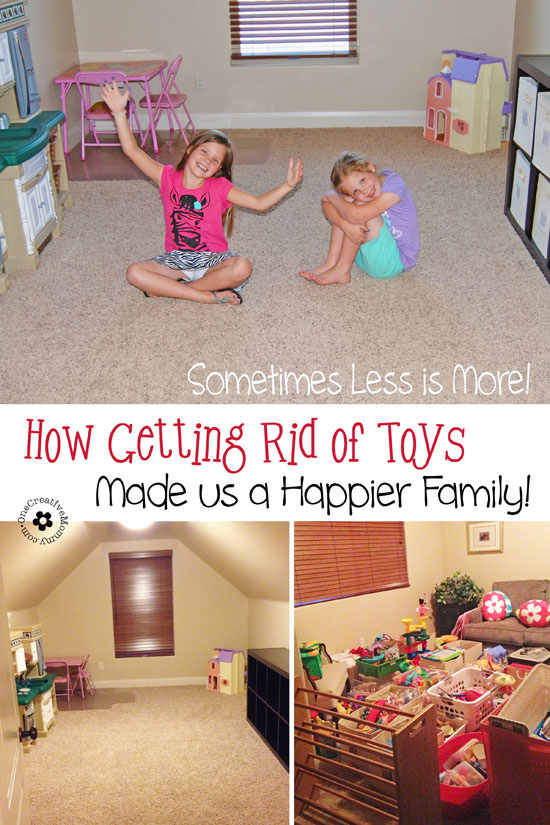
Some families gave away many toys. They kept only the favorites. Parents said their homes felt calmer and more organized. Kids spent more time playing with each toy. Families noticed less mess and less stress. Many parents said they saved money too.
Children’s Reactions To Toy Reduction
At first, some kids felt sad or confused. They missed their old toys. Soon, many found joy in simple play. They used imagination more. Kids played longer with fewer toys. Some even said they felt happier and less overwhelmed. They enjoyed quality time with family and friends.
Credit: onecreativemommy.com
Frequently Asked Questions
Do Fewer Toys Make Kids Happier?
Yes, fewer toys can boost kids’ happiness by encouraging creativity and reducing overwhelm. Limited toys help children focus and enjoy play more deeply, fostering imagination and problem-solving skills.
How Do Fewer Toys Affect Child Development?
Having fewer toys promotes creativity and social skills. Kids learn to innovate and engage more meaningfully with their environment and peers, improving cognitive and emotional growth.
Can Too Many Toys Cause Stress In Children?
Yes, too many toys can overwhelm kids and cause stress. Excess toys often lead to distraction, less appreciation, and difficulty focusing during playtime, impacting overall happiness.
What Are The Benefits Of Minimalist Toy Collections?
Minimalist toy collections encourage creativity, improve focus, and reduce clutter. They also teach kids to value quality over quantity, leading to more meaningful and satisfying play experiences.
Conclusion
Kids often enjoy toys more when they have fewer choices. Too many toys can cause distraction and stress. Simple play helps children use their imagination better. It also teaches them to appreciate what they have. Parents can see happier and calmer kids with less clutter.
Quality time and creative play matter most for kids’ joy. Less really can be more when it comes to toys. This approach supports better focus, sharing, and lasting fun. Try giving kids fewer toys and watch their happiness grow.
