
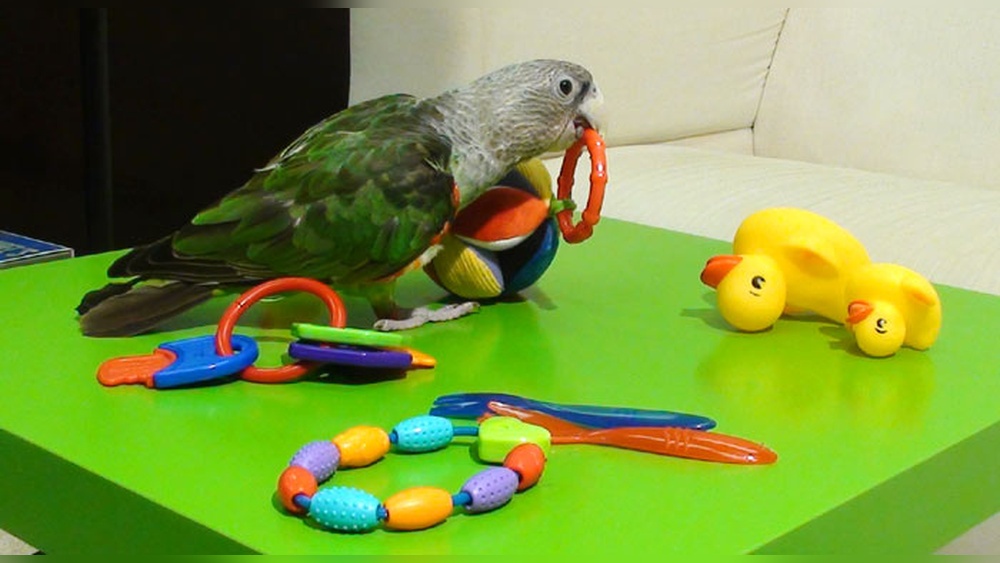
Are you wondering if the colorful baby toys scattered around your home are safe for your feathered friend? You want to keep your bird happy and entertained, but safety always comes first.
Choosing the wrong toy could harm your bird’s health or cause stress without you even realizing it. You’ll discover what makes a toy safe or risky for birds, so you can make the best choices for your pet’s well-being. Keep reading to protect your bird while keeping playtime fun and worry-free.

Credit: makeyourownbirdtoys.com
Risks Of Baby Toys For Birds
Baby toys might seem safe for birds, but they can carry hidden risks. Birds explore with their beaks, and some toy parts can hurt them. Not all materials used in baby toys suit birds. Understanding these risks helps protect your feathered friend from harm.
Common Hazards In Baby Toys
Small parts can break off easily and cause injury. Sharp edges or points may cut bird’s skin or beak. Loose strings or ribbons can wrap around legs or neck. Paint or coatings might chip and be swallowed. These hazards can lead to serious health issues.
Toxic Materials To Avoid
Many baby toys contain toxic substances unsafe for birds. Lead, zinc, and certain plastics cause poisoning. Paints often have harmful chemicals. Avoid toys with unknown or non-bird-safe materials. Birds’ respiratory systems are sensitive to toxins.
Choking And Ingestion Dangers
Birds may swallow small pieces or entire toys. This can block their digestive tract and cause choking. Soft parts like rubber or foam break into pieces easily. Ingested materials can cause poisoning or internal damage. Always check toys for size and durability.

Credit: www.reddit.com
Safe Toy Materials For Birds
Choosing safe materials is key when selecting toys for birds. Birds explore toys with their beaks and feet. Some materials can harm them if toxic or sharp. Knowing which materials are safe helps protect your feathered friend.
Non-toxic Plastics And Wood
Plastics must be free from harmful chemicals like BPA or phthalates. Look for toys made with bird-safe plastics. Wood toys should be untreated and free from paint or varnish. Natural wood like birch or pine is best. These materials are safe for chewing and shredding.
Natural Fibers And Fabrics
Natural fibers like cotton, jute, or hemp are gentle on birds’ feet and beaks. Avoid synthetic fibers that can cause blockages if ingested. Fabrics should not have loose threads. Tight weaving prevents birds from swallowing string pieces. These materials support safe play and mental stimulation.
Metal Components To Watch
Metals like stainless steel are safe and durable for birds. Avoid toys with zinc, lead, or copper. These metals can cause poisoning. Check for small parts that can break off and cause choking. Secure metal parts firmly to prevent accidents. Safe metals add strength without risk.
Choosing Bird-friendly Toys
Choosing toys for birds is important for their health and happiness. Birds need toys that fit their size and be safe to chew or play with. Toys made for babies might not always work well for birds. Picking the right toys means thinking about many details that keep birds safe and entertained.
Birds explore with their beaks. Toys must match their strength and curiosity. It is good to pick toys that last long and do not break easily. Small parts can hurt birds if swallowed. Careful choice helps birds stay safe and enjoy their playtime.
Size And Shape Considerations
Choose toys that fit your bird’s size well. Large birds need bigger toys to avoid choking. Small birds need smaller toys that they can handle. The shape should allow easy grip and play. Round or smooth edges prevent injuries. Toys too big or too small can cause stress or harm.
Durability And Safety Features
Durable toys last longer and protect your bird. Pick toys made of strong, non-toxic materials. Avoid items that splinter or break easily. Look for smooth surfaces without sharp points. Toys should stand up to chewing and pulling. Safety features include no loose parts and safe paint or dyes.
Avoiding Small Detachable Parts
Small parts can be dangerous if swallowed. Avoid toys with tiny buttons, beads, or pieces. Birds may pull off and eat these parts by accident. Check toys often for damage or loose items. Remove any toy that breaks or has small loose parts. This practice keeps birds safe from choking hazards.
Diy Bird Toys From Baby Items
DIY bird toys made from baby items can be a fun and affordable way to entertain your bird. Many baby toys have bright colors, interesting shapes, and safe materials that attract birds. Using these items saves money and reduces waste. Birds enjoy exploring and chewing on new toys, which helps keep them active and happy. You must choose baby items carefully to ensure they are safe for your bird.
Repurposing Baby Toys Safely
Choose baby toys made of non-toxic plastic or wood. Avoid toys with small parts that can break off and cause choking. Remove any strings, ribbons, or batteries before giving toys to your bird. Use only toys without paint or coatings that might be harmful. Inspect the toy for sharp edges or loose pieces before offering it to your bird.
Cleaning And Disinfecting Tips
Wash baby toys thoroughly with warm soapy water before use. Rinse well to remove all soap residue. Disinfect toys by soaking them in a mild bleach solution for a few minutes. Rinse again with clean water and let the toys dry completely. Regular cleaning prevents bacteria buildup and keeps your bird healthy.
Monitoring Bird Interaction
Watch your bird closely when introducing new toys. Look for signs of stress or dislike. Remove toys if your bird pecks at harmful parts or swallows pieces. Rotate toys often to keep your bird interested. Always supervise playtime to prevent accidents and injuries.
Signs Of Toy-related Bird Health Issues
Birds may show signs of health problems caused by unsafe toys. Recognizing these signs early helps keep your bird safe and healthy. Toys made for babies may contain harmful materials or small parts that birds can swallow. Watch your bird closely after introducing new toys. Changes in behavior or physical condition can signal trouble.
Behavioral Changes
Birds act differently when they feel unwell. They may stop playing with toys or lose interest in food. Sudden aggression or increased fear can also appear. A normally active bird may become quiet or lethargic. Notice if your bird avoids certain toys or parts of the cage.
Physical Symptoms
Look for visible signs on your bird’s body. Swelling, redness, or cuts near the beak or feet can mean injury. Feathers may fall out or become ruffled. Your bird might breathe heavily or cough. Watch for droppings that change color or consistency. Any unusual physical sign needs attention.
When To Consult A Vet
Consult a vet if your bird shows any health warning signs. Do not wait for symptoms to worsen. Early care can prevent serious illness. Bring the suspect toy to the vet for inspection. The vet can suggest safer alternatives and proper treatment. Always prioritize your bird’s health over the toy’s fun.
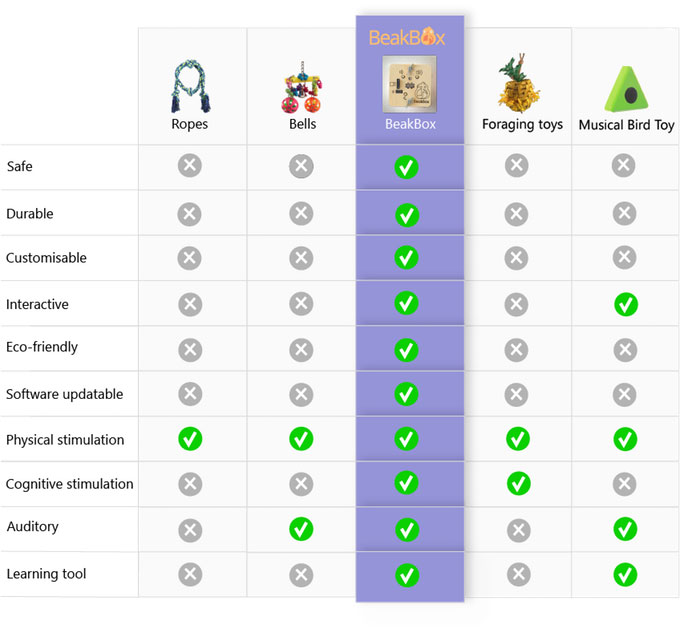
Credit: mybeakbox.com
Maintaining Toy Safety Over Time
Maintaining toy safety over time is key to keeping birds healthy and happy. Toys can wear out, break, or get dirty. This makes them unsafe for birds to play with. Regular care helps prevent accidents and keeps the toys fun for your feathered friend.
Regular Inspection And Replacement
Check toys often for signs of damage. Look for cracks, loose parts, or frayed edges. Broken pieces can hurt your bird or cause choking. Remove any damaged toys immediately. Replace worn-out toys to keep playtime safe and enjoyable.
Cleaning Routine
Clean toys regularly to remove dirt and germs. Use bird-safe cleaners or mild soap and water. Rinse toys well and let them dry completely. Clean toys prevent infections and keep your bird healthy. Set a weekly schedule for cleaning to stay consistent.
Storing Toys Safely
Store spare toys in a clean, dry place. Avoid damp or dusty areas that can cause mold or bacteria. Keep toys away from chemicals or strong smells. Proper storage preserves toy quality and safety. Rotate toys to keep your bird interested and entertained.
Frequently Asked Questions
Are Baby Toys Toxic For Birds To Chew?
Some baby toys contain harmful chemicals unsafe for birds. Always check for non-toxic, bird-safe materials before offering toys to your pet bird.
Can Birds Safely Play With Plastic Baby Toys?
Not all plastic baby toys are safe for birds. Choose BPA-free, durable plastics to avoid choking hazards or toxic exposure for your bird.
How To Choose Safe Toys For Pet Birds?
Select toys made from natural wood, untreated cotton, or bird-safe materials. Avoid small parts and toxic paints to ensure bird safety and health.
Why Are Some Baby Toys Dangerous For Birds?
Baby toys may have small parts, toxic dyes, or chemicals. These can cause choking, poisoning, or injuries to your bird if ingested or chewed.
Conclusion
Baby toys are not always safe for birds. Some materials can harm their health. Always check for small parts that birds might swallow. Choose toys made specifically for birds to avoid risks. Supervise your bird when introducing new items. Birds need safe, durable, and non-toxic toys.
Protect their well-being by being careful and informed. Your bird will enjoy playtime without danger. Safety should always come first.
