
When you bring a toy home for your baby, you want to be sure it’s safe. But have you ever stopped to wonder what really makes a baby toy safe?
You might think all toys on the market are carefully tested, but that’s not always the case. Your baby’s health and happiness depend on the choices you make. You’ll discover the hidden risks and what to look for to keep your little one safe while playing.
Keep reading—you owe it to your child to know the truth about baby toys.

Credit: www.amazon.com
Common Materials In Baby Toys
Choosing safe baby toys starts with knowing their materials. Baby toys are made from many different substances. Each material has its own safety profile and risks. Understanding these materials helps parents pick safer options for their children.
Plastics And Chemicals
Plastics are common in baby toys because they are cheap and easy to shape. Some plastics contain harmful chemicals like BPA and phthalates. These chemicals can leak out and harm babies. Many companies now make BPA-free toys, but not all plastics are safe. Always check labels and certifications for safety.
Natural Vs Synthetic
Natural materials include wood, cotton, and rubber. These are often safer and less toxic. Synthetic materials like plastic and foam may contain chemicals. Natural toys often feel better and last longer. They also reduce the risk of allergies and skin problems. Choosing natural over synthetic is a good safety step.
Potential Toxins To Watch
Lead is a dangerous toxin sometimes found in cheap toys. It can cause serious health problems in babies. Other toxins include cadmium and mercury. Paints and dyes may also contain harmful substances. Always buy toys from trusted brands and check for safety tests. Avoid toys with strong chemical smells or peeling paint.
Safety Standards And Regulations
Safety standards and regulations play a key role in ensuring baby toys are safe. These rules guide manufacturers to make toys that reduce risks. Parents can trust these standards to protect their little ones.
Global Safety Certifications
Many countries have safety certifications for baby toys. The CE mark is common in Europe. It shows toys meet safety rules. In the United States, ASTM standards are popular. They check for choking hazards and toxic materials. Other countries have their own marks. These certifications help parents pick safer toys.
Testing Procedures
Toys undergo strict tests before sale. Tests check for sharp edges, small parts, and harmful chemicals. Toys face stress tests to see if parts break easily. Testing labs use machines and real-life simulations. Only toys that pass all tests get approved. This process helps stop unsafe toys from reaching children.
Limitations Of Current Regulations
Rules vary by country and may not cover all risks. Some tests miss long-term chemical effects. Not all toys sold online follow strict rules. Some small manufacturers skip full testing. This creates gaps in safety. Parents should still watch children during play. Regulations help, but they do not guarantee total safety.
Hidden Dangers In Popular Toys
Many popular baby toys look safe but hide dangers parents must know. Some toys can cause serious harm. Awareness helps keep babies safe and happy. Safety starts with understanding common risks found in toys.
Choking Hazards
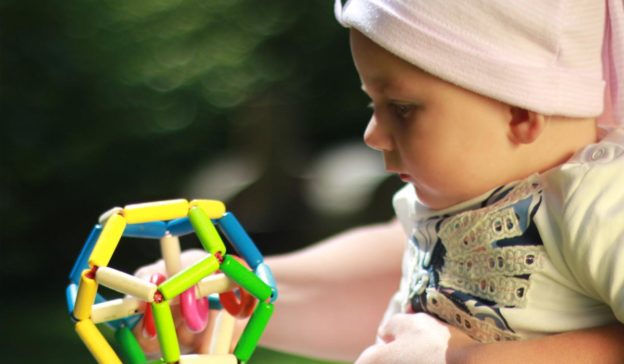
Small toy parts can easily block a baby’s airway. Babies put toys in their mouths. Tiny pieces break off and cause choking. Toys with detachable parts must be checked carefully. Avoid toys with parts smaller than a baby’s fist.
Toxic Paints And Coatings
Some toys use paints with harmful chemicals. Babies often chew on toys, swallowing toxic substances. Lead and other poisons can affect brain development. Always choose toys labeled non-toxic and safe for infants. Look for certifications that guarantee safe coatings.
Small Parts And Breakage Risks
Toys that break easily create dangerous fragments. Broken pieces can cut or choke babies. Plastic and wooden toys need to be sturdy. Test toys by pulling and twisting parts. Discard any toy that shows signs of damage.
Credit: www.wooden-toys-selecta.com
Impact Of Unsafe Toys On Baby Health
The impact of unsafe toys on baby health is a serious concern for many parents. Babies explore the world with their hands and mouths. Unsafe toys can harm their delicate skin and bodies. Understanding these risks helps parents choose safer options.
Allergic Reactions
Some toys contain materials that cause allergies. Babies may develop rashes, redness, or itching. These symptoms can make babies uncomfortable and fussy. Allergic reactions can happen from dyes, latex, or certain plastics. Choosing hypoallergenic toys reduces this risk greatly.
Chemical Exposure Effects
Toys made with harmful chemicals can poison babies. Lead, phthalates, and BPA are common dangers. These chemicals affect baby’s organs and brain development. Babies often put toys in their mouths, increasing chemical intake. Selecting toys certified as free from harmful substances protects baby health.
Long-term Development Concerns
Unsafe toys can interfere with baby growth over time. Chemicals may impact brain function and learning abilities. Sharp edges or small parts can cause injuries affecting motor skills. Toys that do not meet safety standards pose risks beyond the short term. Safe toys help babies grow healthy and strong.
Tips For Choosing Safer Baby Toys
Choosing safe toys for babies is very important. Toys affect their health and development. Parents must know how to pick toys that are safe and fun. Here are some tips to help you make smart choices. These tips focus on labels, materials, and age suitability.
Reading Labels And Certifications
Check the toy’s label carefully. Look for safety certifications from trusted groups. These marks show the toy passed safety tests. Labels also list materials used in the toy. Avoid toys with harmful chemicals or small parts.
Preferred Materials
Choose toys made from natural or non-toxic materials. Wood, organic cotton, and BPA-free plastics are good options. Soft toys should be free from harmful dyes. Avoid cheap plastics that can break easily. Safe materials protect babies from allergies and poisons.
Age-appropriate Selections
Select toys that match your baby’s age and skills. Toys for infants differ from those for toddlers. Age-appropriate toys reduce choking risks and support learning. Always check the recommended age on the packaging. Choosing the right toy helps babies grow safely and happily.
Cleaning And Maintaining Baby Toys
Keeping baby toys clean and well-maintained is key to your child’s safety. Babies often put toys in their mouths. Dirt and germs on toys can cause sickness. Regular cleaning helps protect your little one from harmful bacteria. Proper care also makes toys last longer and stay safe.
Safe Cleaning Methods
Use mild soap and warm water to wash toys. Avoid harsh chemicals that can irritate your baby’s skin. Soft cloths or sponges work well for wiping toys. For plastic toys, a quick rinse in a water and vinegar solution kills germs safely. Always rinse toys thoroughly to remove soap or vinegar. Let toys dry completely before giving them back to your baby.
Avoiding Bacteria And Mold
Keep toys dry to stop mold growth. Store toys in a clean, dry place after use. Avoid leaving wet toys in closed containers or bags. Wash soft toys regularly and dry them in the sun if possible. Sunlight helps kill bacteria naturally. Pay special attention to toys with small crevices where dirt and moisture hide.
Regular Inspection For Damage
Check toys often for cracks, loose parts, or sharp edges. Broken toys can hurt your baby or cause choking. Remove damaged toys immediately from your child’s reach. Replace toys that show wear and tear. Regular inspections keep playtime safe and worry-free.
Alternatives To Conventional Baby Toys
Choosing safe toys for babies can feel tough. Many parents worry about chemicals and small parts. Conventional toys sometimes have materials that may cause harm. Alternatives offer safer and often more natural choices. These options protect babies and also support healthy play.
Exploring different types of toys helps find the best fit. Parents can choose options that reduce risks and encourage creativity. Alternatives often use simple materials and avoid harsh chemicals.
Diy Toy Ideas
Making toys at home is a great way to ensure safety. Simple items like wooden blocks or fabric scraps work well. Parents can create soft dolls or sensory bags easily. DIY toys allow control over materials and size. They also offer chances to bond and be creative together.
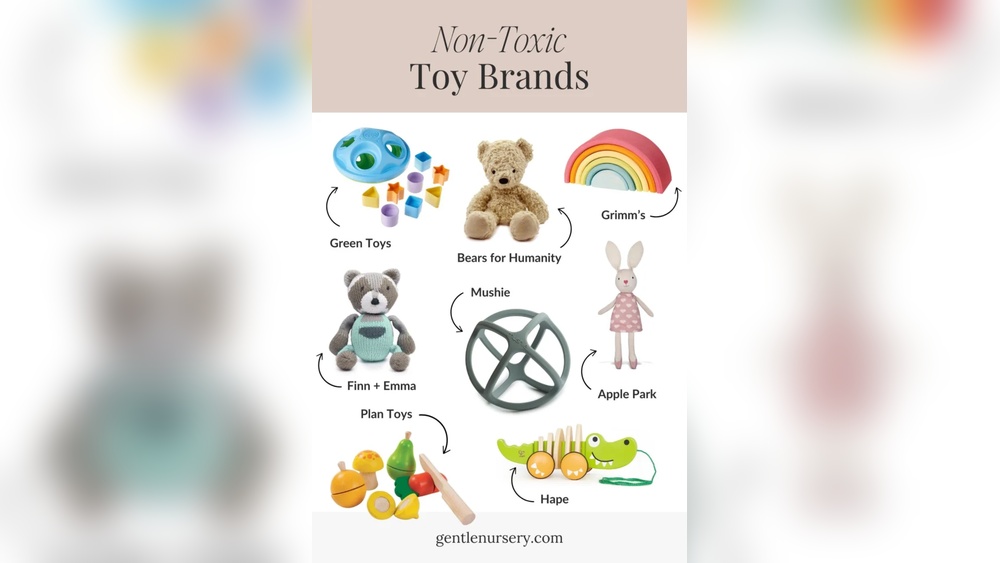
Eco-friendly Brands
Some brands focus on non-toxic and safe toys. They use tested materials and avoid harmful chemicals. These companies often produce toys that last longer and are recyclable. Choosing eco-friendly brands supports safer play and the planet. Many products come with clear safety labels and certifications.
Natural Material Options
Toys made from wood, cotton, or natural rubber are popular. These materials reduce exposure to plastics and toxins. Natural toys often have simple designs and smooth textures. They encourage sensory exploration and safe chewing. Parents should check that natural toys have no added paints or finishes.

Credit: kdfoundation.org
Frequently Asked Questions
Are Baby Toys Tested For Safety Standards?
Yes, reputable baby toys undergo strict safety testing. They meet regulations for materials, choking hazards, and toxic substances to ensure infant safety.
How To Identify Non-toxic Baby Toys?
Look for labels like BPA-free, phthalate-free, and ASTM certification. These indicate toys are made from safe, non-toxic materials suitable for babies.
Can Baby Toys Cause Allergic Reactions?
Some toys may trigger allergies if made from certain materials. Always check for hypoallergenic labels and monitor your baby’s reactions carefully.
What Age-appropriate Toys Are Safest For Babies?
Choose toys designed specifically for your baby’s age group. These toys avoid small parts that pose choking risks and support developmental needs safely.
Conclusion
Choosing safe toys protects babies from harm. Parents should check labels and materials carefully. Small parts can cause choking hazards. Toys must meet safety standards and avoid toxic substances. Clean toys regularly to keep germs away. Trust your instincts if a toy seems risky.
Safe play supports healthy growth and happiness. Always prioritize safety over trends or price. Babies deserve toys that protect and comfort. Safety first, fun always.
