

Are you looking for the best toys to help your toddler develop fine motor skills? Choosing the right toys can make a big difference in how your child learns to use their hands and fingers.
These skills are important for everyday tasks like buttoning clothes, holding a pencil, and tying shoes. You’ll discover which toys truly support your toddler’s fine motor growth and how they can turn playtime into a powerful learning experience. Keep reading to find out how to give your child a head start in building strong, confident hands.
Benefits Of Fine Motor Toys
Fine motor toys help toddlers develop small muscle movements in their hands and fingers. These toys support important skills needed for everyday tasks. Using these toys often boosts confidence and independence. Toddlers enjoy learning through play, making fine motor toys a perfect choice.
Enhancing Hand-eye Coordination
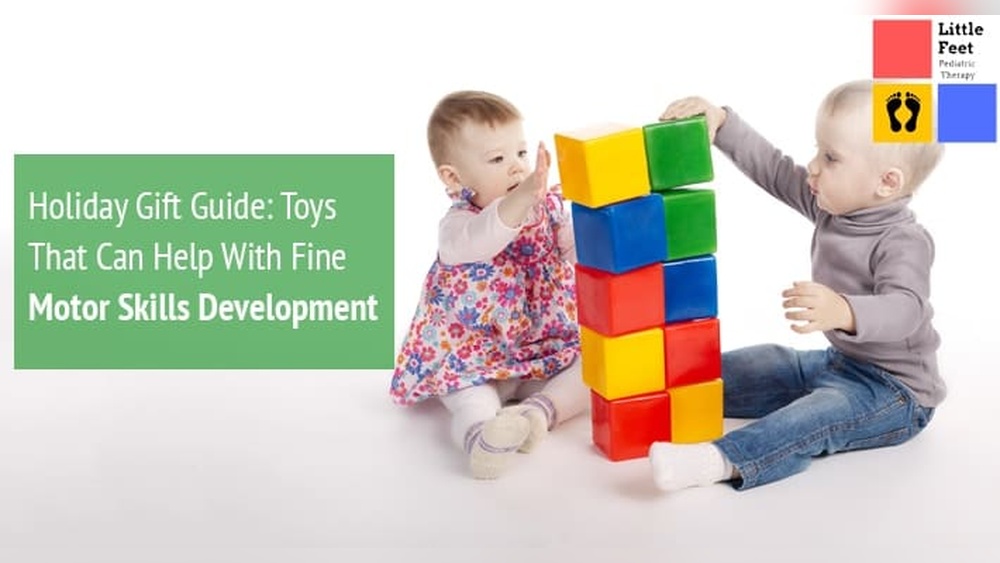
Toddlers improve their hand-eye coordination by using fine motor toys. These toys require watching and moving hands at the same time. Activities like stacking blocks or threading beads train the brain and hands together. Better coordination helps children with writing and eating skills later on.
Boosting Dexterity And Grip Strength
Fine motor toys help strengthen fingers and hands. Toys that require pinching, squeezing, or twisting build grip strength. Stronger hands make it easier for toddlers to hold pencils and open containers. These skills form the base for many daily activities.
Encouraging Creativity And Problem Solving
Toys that involve building or sorting encourage creative thinking. Toddlers learn to solve problems while playing with puzzles or shape sorters. These activities make children curious and eager to try new ideas. Creativity supports brain growth and helps in school readiness.
Key Features To Look For
Toys that support toddler fine motor skills need special features. These features help children develop hand strength, coordination, and control. Choosing the right toy can make learning fun and safe. Here are the key points to consider when selecting toys for toddlers.
Size And Safety Considerations
Toys should be small enough for toddlers to hold comfortably. Avoid toys with tiny parts that can cause choking. Rounded edges and non-toxic materials keep playtime safe. Always check for safety certifications on the packaging.
Materials And Textures
Toddlers learn by touching and feeling. Toys with different textures engage their senses. Soft, smooth, rough, or bumpy materials encourage exploration. Durable materials like wood and thick plastic last longer and withstand rough play.
Age-appropriate Complexity
Toys must match the child’s skill level. Simple puzzles and stacking blocks work well for beginners. More complex toys challenge toddlers as they grow. Avoid toys that are too hard or too easy to keep interest alive.
Top Toys For Fine Motor Growth
Toys play a big role in helping toddlers develop fine motor skills. These skills include using small muscles in the hands and fingers. Toys that encourage grasping, pinching, and hand-eye coordination are very helpful.
Choosing the right toys can make learning fun and effective. Below are some of the best toys that support fine motor growth in toddlers.
Stacking And Nesting Sets
Stacking and nesting sets help toddlers improve hand strength and control. These toys teach balance and spatial awareness. Toddlers practice placing one piece on top of another. This action requires focus and coordination.
Shape Sorters And Puzzles
Shape sorters and puzzles encourage problem-solving and finger dexterity. Toddlers learn to match shapes and fit pieces into spots. This improves their hand-eye coordination and fine motor precision.
Building Blocks And Connectors
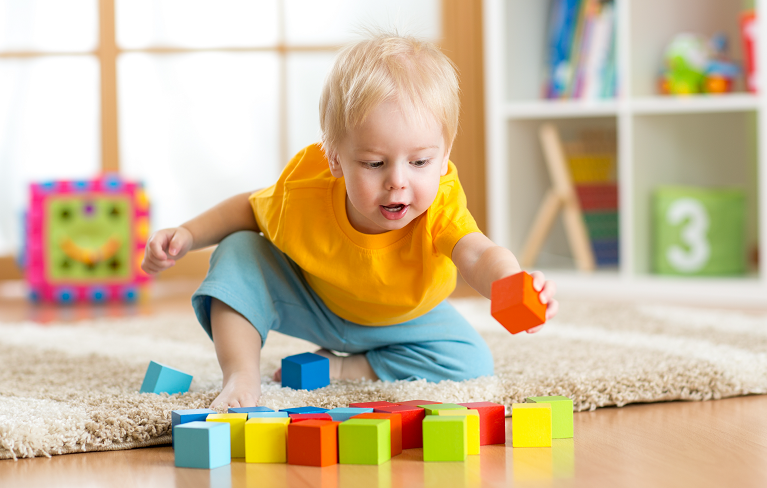
Building blocks and connectors allow toddlers to use their fingers to join pieces. This helps develop finger strength and creative thinking. Connecting blocks improves grasp and finger manipulation skills.
Lacing And Threading Toys
Lacing and threading toys promote hand-eye coordination and patience. Toddlers thread strings through holes or beads. This activity strengthens finger muscles and improves focus.
Art Supplies For Toddlers
Art supplies like crayons, markers, and finger paints boost fine motor skills. Toddlers learn to hold tools and make controlled movements. Creating art also encourages creativity and self-expression.

Credit: dayswithgrey.com
Incorporating Toys Into Daily Play
Incorporating toys into daily play helps toddlers develop fine motor skills naturally. Playtime becomes a chance to practice hand-eye coordination and finger strength. Using toys regularly builds these skills step by step. Careful selection of toys and play activities makes learning fun and effective.
Creating Engaging Playtime Routines
Set a daily time for play with fine motor toys. Use puzzles, stacking blocks, or shape sorters during this time. Consistent routines help toddlers feel ready to explore. Make playtime short but frequent to keep interest high. Repeat activities to build confidence and skill.
Combining Toys For Skill Variety
Mix different toys to target various fine motor skills. Use toys that require pinching, grasping, and twisting movements. For example, pair bead threading with simple puzzles. This variety keeps toddlers curious and challenges their hands. Rotate toys often to maintain excitement and growth.
Encouraging Independent Exploration
Allow toddlers to choose toys and play alone sometimes. Independent play boosts creativity and problem-solving skills. Provide safe toys that match their skill level. Observe quietly to see what interests them most. Support their efforts with gentle praise and encouragement.
Tips For Parents And Caregivers
Supporting toddler fine motor skills requires patience and care. Parents and caregivers play a key role in guiding toddlers through activities that build hand strength and coordination. Simple, everyday actions can make a big difference in a child’s skill development.
Observing Developmental Milestones
Watch how your toddler uses their hands daily. Notice if they can pick up small objects or stack blocks. These actions show fine motor progress. Track changes over weeks and months to understand growth.
Look for common milestones like holding crayons or turning pages. Use these signs to choose toys that match your toddler’s skill level. Avoid toys that are too hard or too easy.
Providing Positive Reinforcement
Praise your toddler’s efforts often. Celebrate small wins like grasping a toy or buttoning a shirt. Encouragement boosts confidence and motivates practice. Use kind words and smiles to show approval.
Offer gentle help when needed but let toddlers try on their own first. This builds independence and problem-solving skills. Positive feedback helps toddlers feel proud and eager to try more.
Adapting Play To Individual Needs
Every toddler develops at their own pace. Tailor activities to fit your child’s unique abilities. Change toys or tasks if they seem too difficult or too simple.
Introduce new challenges slowly to keep your toddler interested. Use a mix of textures, shapes, and sizes in toys to engage different skills. Adjust playtime length to match your toddler’s attention span.

Credit: www.discountschoolsupply.com
Credit: aepsinteractive.com
Frequently Asked Questions
What Toys Help Improve Toddler Fine Motor Skills?
Toys like stacking blocks, shape sorters, and puzzles enhance toddlers’ fine motor skills. They encourage grasping, pinching, and hand-eye coordination.
How Do Building Blocks Support Fine Motor Development?
Building blocks require toddlers to grasp, stack, and balance pieces. This activity strengthens finger muscles and improves dexterity.
Are Sensory Toys Beneficial For Fine Motor Skills?
Yes, sensory toys like textured balls and playdough stimulate touch and finger movements, aiding fine motor skill growth.
Can Art Supplies Enhance Toddler Fine Motor Skills?
Using crayons, brushes, and stickers helps toddlers practice grip control and precise finger movements, boosting fine motor abilities.
Conclusion
Toys that support toddler fine motor skills help little hands grow strong. Simple activities like stacking blocks or threading beads make a big difference. These toys keep toddlers busy and learning at the same time. Parents can choose tools that match their child’s interests and skill level.
Small play moments build important skills for daily tasks. Keep playtime fun and focused on gentle challenges. Helping toddlers develop fine motor skills sets the stage for future success. Consistent play with the right toys supports steady progress and confidence.
