

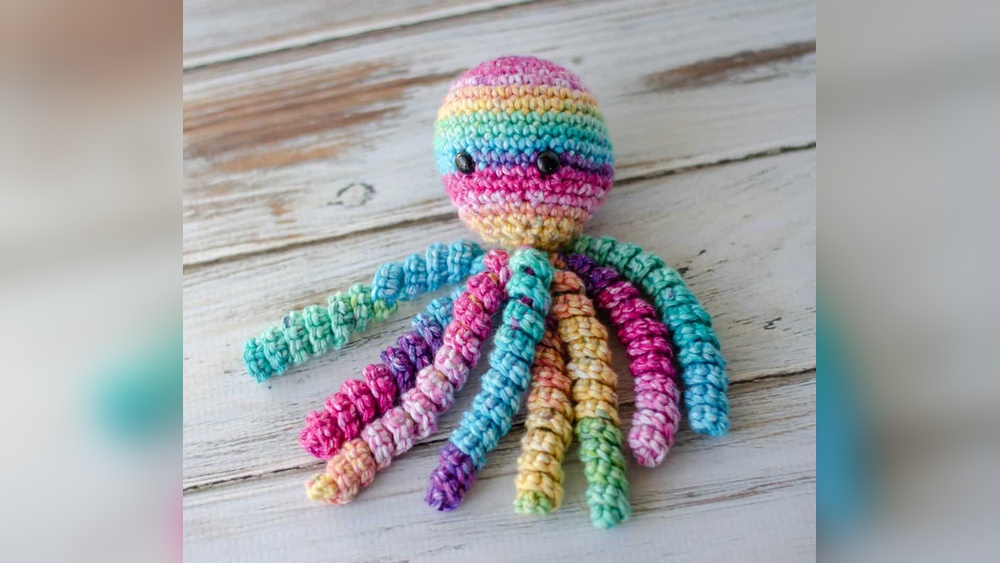
Are you wondering if knitted toys are a safe choice for your baby? When it comes to your little one’s safety, every detail matters.
Knitted toys look soft and cuddly, but are they truly safe for your baby to play with? You want to give your child the best, and knowing what to watch out for can make all the difference. Keep reading to discover what makes knitted toys safe or risky, so you can make the best choice for your baby’s happiness and health.

Credit: www.amazon.ae
Benefits Of Knitted Toys
Knitted toys offer many benefits for babies. They provide a safe and gentle play experience. These toys are made with care and thoughtfulness. Parents often choose them for their unique qualities and advantages.
Knitted toys bring comfort, safety, and creativity into a baby’s world. They support healthy development and create lasting memories.
Softness And Comfort
Knitted toys are soft to touch and gentle on a baby’s skin. Babies enjoy cuddling these toys because they feel warm and cozy. The soft texture helps soothe babies during sleep or playtime. Unlike hard plastic toys, knitted ones reduce the risk of injury.
Eco-friendly Materials
Many knitted toys use natural yarns like cotton or wool. These materials are safe and free from harmful chemicals. They break down easily, causing less harm to the environment. Choosing eco-friendly toys helps protect the planet for future generations.
Customizable Designs
Knitted toys can be made in different shapes, colors, and sizes. This allows for personal and meaningful gifts. Parents can choose specific patterns or add names. Custom designs make each toy unique and special for the baby.
Potential Risks To Watch
Knitted toys bring warmth and charm to a baby’s playtime. Yet, parents should watch for certain risks. Understanding these risks helps keep babies safe and happy.
Choking Hazards
Small parts on knitted toys can come loose. Buttons, beads, or eyes may detach and pose choking risks. Loose yarn ends can also unravel and get tangled. Always check toys for secure attachments before giving them to babies.
Allergic Reactions
Some babies have sensitive skin or allergies. Wool or synthetic fibers may irritate their skin. Dyes used in yarn can cause rashes or redness. Choose hypoallergenic or organic materials to reduce allergy chances.
Durability Concerns
Babies can be rough with toys. Knitted toys may wear out or tear easily. Weak seams can open, exposing stuffing. Regularly inspect toys for damage and repair any holes quickly. Durable toys last longer and stay safer.
Choosing Safe Materials
Choosing safe materials is key when selecting knitted toys for babies. Babies explore the world by touching and putting toys in their mouths. Unsafe materials can cause allergies or harm. Picking the right yarn and fibers helps keep babies safe and happy.
Non-toxic Yarns
Yarns made from non-toxic materials do not contain harmful chemicals. Organic cotton and wool are great choices. These yarns are free from pesticides and bleach. They are gentle on babies’ delicate skin and safe if chewed.
Hypoallergenic Fibers
Fibers labeled hypoallergenic reduce the risk of allergic reactions. Bamboo and certain cotton blends often fit this category. These fibers are soft and less likely to cause itching or rashes. They keep babies comfortable during playtime.
Avoiding Harmful Dyes
Some dyes contain harmful substances that can irritate skin. Choose toys dyed with natural or low-impact dyes. These dyes are safer and less likely to fade or bleed. Bright colors can be safe if the dye is non-toxic.
Safe Construction Tips
Safe construction is key to making knitted toys perfect for babies. These toys must hold up to rough handling and chewing. Every part should be made with care to avoid hazards. Below are simple tips to build toys that are safe and durable.
Secure Stitching
Use tight and even stitches throughout the toy. Loose stitches can come apart easily. Small holes can let stuffing escape, which babies can choke on. Double check your work to keep all stitches firm and close together.
Avoiding Small Parts
Do not add buttons, beads, or other small pieces. Babies can pull them off and swallow them. Instead, use yarn to create facial features or details. Embroidered eyes and noses are safer and just as cute.
Reinforced Seams
Strengthen seams by sewing them twice or using a backstitch. This stops the toy from opening up. Reinforced seams hold stuffing inside even after rough play. Check every seam carefully before giving the toy to a baby.
Cleaning And Maintenance
Keeping knitted toys clean and well-maintained is key to their safety for babies. Dirt, dust, and germs can build up on toys over time. Proper care helps keep the toys safe and fresh for your little one. It also makes the toys last longer.
Safe Washing Methods
Wash knitted toys gently to avoid damage. Use cold or lukewarm water with mild soap. Hand washing is best to keep the shape intact. Avoid harsh chemicals or bleach. Rinse the toys thoroughly to remove all soap. Let them air dry completely before giving them to your baby.
Regular Inspection
Check knitted toys often for loose threads or holes. Look for any small parts that could come off. Make sure the stuffing stays inside the toy. Early detection of wear helps prevent accidents. Take out any damaged toys until they are fixed.
Repairing Damages
Fix small holes or loose yarn quickly. Use a needle and thread that match the toy’s color. Secure any loose parts tightly. Replace missing or broken pieces right away. Well-maintained toys stay safe and enjoyable for babies.

Credit: gimmethegoodstuff.org
Age Appropriateness
Age appropriateness is key when choosing knitted toys for babies. Babies grow fast, and their needs change with each stage. Safe toys match their size, skills, and safety needs. This helps prevent choking or other dangers. It also makes playtime more fun and useful.
Toys For Newborns
Newborns need soft, gentle toys. Knitted toys for this age should have no small parts. Avoid buttons or beads that can come off. Choose toys with smooth textures and soft colors. These toys comfort babies and help develop their senses.
Toys For Crawlers
Crawlers explore more and use their hands a lot. Toys should be easy to hold and safe to chew. Knitted toys with different shapes and textures work well. They help strengthen fingers and encourage movement. Make sure the toys are sturdy and free from loose pieces.
Toys For Toddlers
Toddlers love toys that inspire imagination and learning. Knitted animals or dolls with sewn features are good choices. These toys should be large enough to avoid swallowing risks. Toddlers enjoy toys they can carry and hug. Knitted toys at this stage support creativity and social skills.
Signs To Avoid In Knitted Toys
Knitted toys can be soft and charming for babies. Yet, some signs in these toys show they might not be safe. Spotting these signs helps keep babies safe from harm. Always check the toy carefully before giving it to your baby. A small problem can cause big trouble. Here are key signs to avoid in knitted toys.
Loose Threads
Loose threads can unravel and create long strands. Babies might pull or chew these threads. Threads can wrap around fingers or toes, causing pain. Loose threads also increase choking risks. Ensure the knitted toy has tight, secure stitching without any loose ends.
Missing Parts
Missing parts like eyes, buttons, or small decorations are a big danger. Babies may swallow or choke on these tiny pieces. Knitted toys should have securely attached parts or use safe alternatives. Avoid toys with loose or missing pieces to protect your baby.
Unpleasant Odors
A bad smell from a knitted toy can mean it holds mold or chemicals. Babies breathe close to toys, so odors can affect their health. Avoid toys with strong or strange smells. Choose fresh, clean toys without any unpleasant odors for your baby’s safety.

Credit: www.amazon.com
Frequently Asked Questions
Are Knitted Toys Non-toxic For Babies?
Knitted toys are generally safe if made from non-toxic, baby-friendly yarn. Always check labels for certifications to ensure no harmful chemicals are present.
Can Knitted Toys Cause Choking Hazards?
Knitted toys with securely attached parts are safe. Avoid toys with small buttons or loose decorations that babies might swallow or choke on.
How To Clean Knitted Toys Safely For Babies?
Hand wash knitted toys with mild detergent and cold water. Air dry completely to prevent mold and keep them hygienic for babies.
Are Knitted Toys Hypoallergenic For Infants?
Many knitted toys use natural fibers, reducing allergy risks. However, parents should check material types to avoid wool allergies or sensitivities in babies.
Conclusion
Knitted toys can be safe for babies with proper care. Choose toys made from soft, natural yarns without small parts. Always check for loose threads or buttons that could come off. Wash toys regularly to keep them clean and fresh.
Supervise babies during playtime to avoid choking hazards. Knitted toys offer comfort and warmth, making them great companions. Keep safety in mind to ensure happy, worry-free play.
