

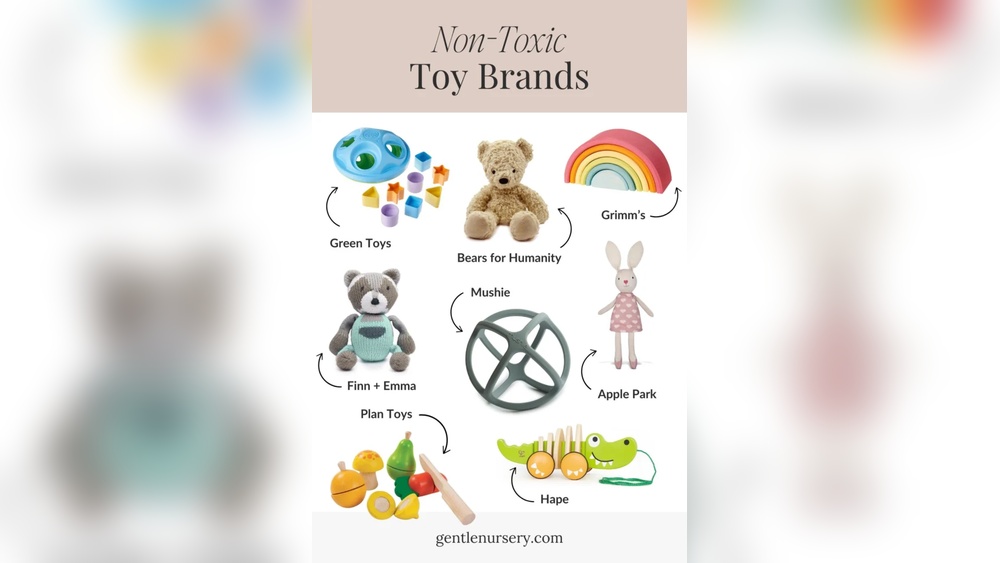
Are you sure the toys your baby plays with are truly safe? Every parent wants the best for their little one, but when it comes to toys, hidden dangers can easily slip by unnoticed.
Imagine the peace of mind you’d feel knowing every toy in your home is free from choking hazards, toxic materials, or sharp edges. You’ll discover simple tips and key facts that help you choose safe toys, protect your baby, and create a worry-free playtime.
Keep reading—your baby’s safety depends on what you learn next.
Toy Safety Basics
Choosing safe toys for babies is very important. Babies explore the world by touching and tasting things. Toys must be safe to protect them from harm. Understanding toy safety basics helps parents pick the right toys. This section explains key points to consider for safe toys.
Materials To Avoid
Some materials can be harmful to babies. Avoid toys with lead paint or toxic chemicals. Plastics labeled BPA-free are safer for babies. Soft toys should not have loose parts or stuffing that can come out. Check labels for non-toxic and safe materials.
Size And Shape Considerations
Toys must be large enough to prevent choking. Small parts can block a baby’s airway. Round or smooth edges reduce the risk of cuts or injuries. Avoid toys with sharp points or loose pieces. Test toys by trying to fit them in a small tube. If they fit, they are unsafe for babies.
Age-appropriate Toys
Toys are made for different age groups. Babies need toys that match their stage of development. Toys labeled for 0-12 months are designed with safety in mind. These toys help develop senses and motor skills. Avoid toys meant for older children as they may not be safe.

Credit: kdfoundation.org
Common Toy Hazards
Toys bring joy and learning to babies. Yet, some toys can pose risks. Understanding common toy hazards helps keep babies safe. Parents and caregivers must recognize these dangers early. This awareness aids in choosing safe toys for little ones.
Choking Risks
Small parts on toys can cause choking. Babies often put toys in their mouths. Toys with loose pieces or tiny parts are dangerous. Avoid toys smaller than a baby’s mouth. Check toys regularly for broken or loose parts.
Toxic Chemicals
Some toys contain harmful chemicals. These chemicals can cause health problems. Look for toys made with non-toxic materials. Avoid toys with strong smells or peeling paint. Always choose toys that meet safety standards.
Sharp Edges And Small Parts
Toys with sharp edges can cut or scratch. Babies can get hurt by rough surfaces. Small parts can break off and cause harm. Pick toys with smooth edges and sturdy construction. Inspect toys often for damage or wear.
Choosing Safe Toys
Choosing safe toys for babies is very important. Babies explore the world by putting things in their mouths. Unsafe toys can cause choking or harm. Parents must pick toys that meet safety rules. Understanding what makes a toy safe helps protect babies.
Check the toy’s materials, size, and design. Avoid toys with small parts or sharp edges. Choose toys made for the baby’s age group. Safety is the top priority in every choice.
Certification Labels To Look For
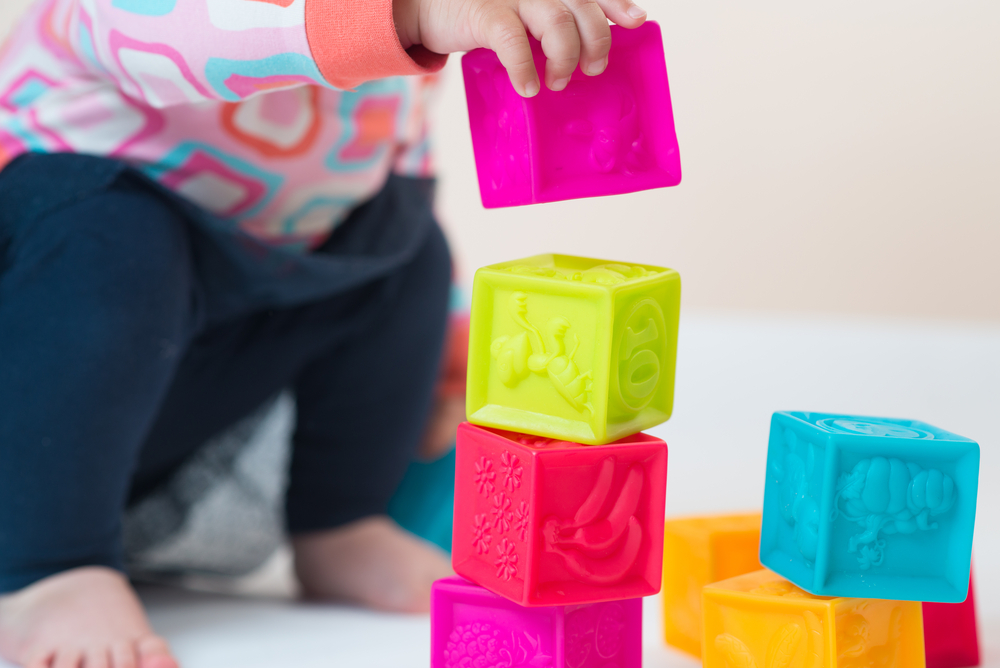
Look for well-known safety labels on toy packaging. Labels like ASTM, CE, or JPMA show the toy meets safety tests. These marks mean the toy passed checks for toxins and choking hazards. Certified toys reduce risks and give peace of mind.
Trusted Brands And Stores
Buy toys from brands known for quality and safety. Trusted brands follow strict manufacturing rules. Choose stores that sell only tested and certified toys. Avoid street vendors or unknown sellers. Reliable sources offer safer products for babies.
Reading Product Instructions
Read the instructions and warnings before buying a toy. Instructions tell the correct age and use of the toy. Follow cleaning and maintenance advice to keep the toy safe. Ignoring instructions can lead to accidents or damage.
Credit: babysparks.com
Maintaining Toy Safety
Keeping baby toys safe helps protect your child from harm. Babies put toys in their mouths. Germs and broken parts can cause sickness or injury. Maintaining toy safety means regular care and checks.
Safe toys support healthy playtime. Clean, inspect, and store toys properly. These simple steps keep toys safe and last longer.
Regular Cleaning Tips
Clean toys often to remove dirt and germs. Use warm water and mild soap. Rinse well and dry completely. Soft toys can go in the washing machine. Avoid harsh chemicals that may harm babies.
Inspecting For Damage
Check toys daily for cracks or loose parts. Small pieces can cause choking. Look for sharp edges or broken areas. Remove damaged toys immediately. Replace or fix them before use.
Proper Storage Practices
Store toys in a clean, dry place. Use bins or shelves to keep toys off the floor. Avoid damp areas to prevent mold. Organize toys by size and type. Proper storage keeps toys safe and easy to find.
Parent Tips For Peace Of Mind
Keeping babies safe during playtime is a top priority for parents. Peace of mind comes from knowing how to manage toy safety effectively. Simple steps help create a secure and fun environment for little ones.
Supervised Playtime
Always watch your baby while they play. Close supervision helps prevent choking or accidents. Stay nearby and ready to step in if needed. This small effort can stop many dangers before they start. Choose a safe play area free from sharp or small objects.
Educating Caregivers
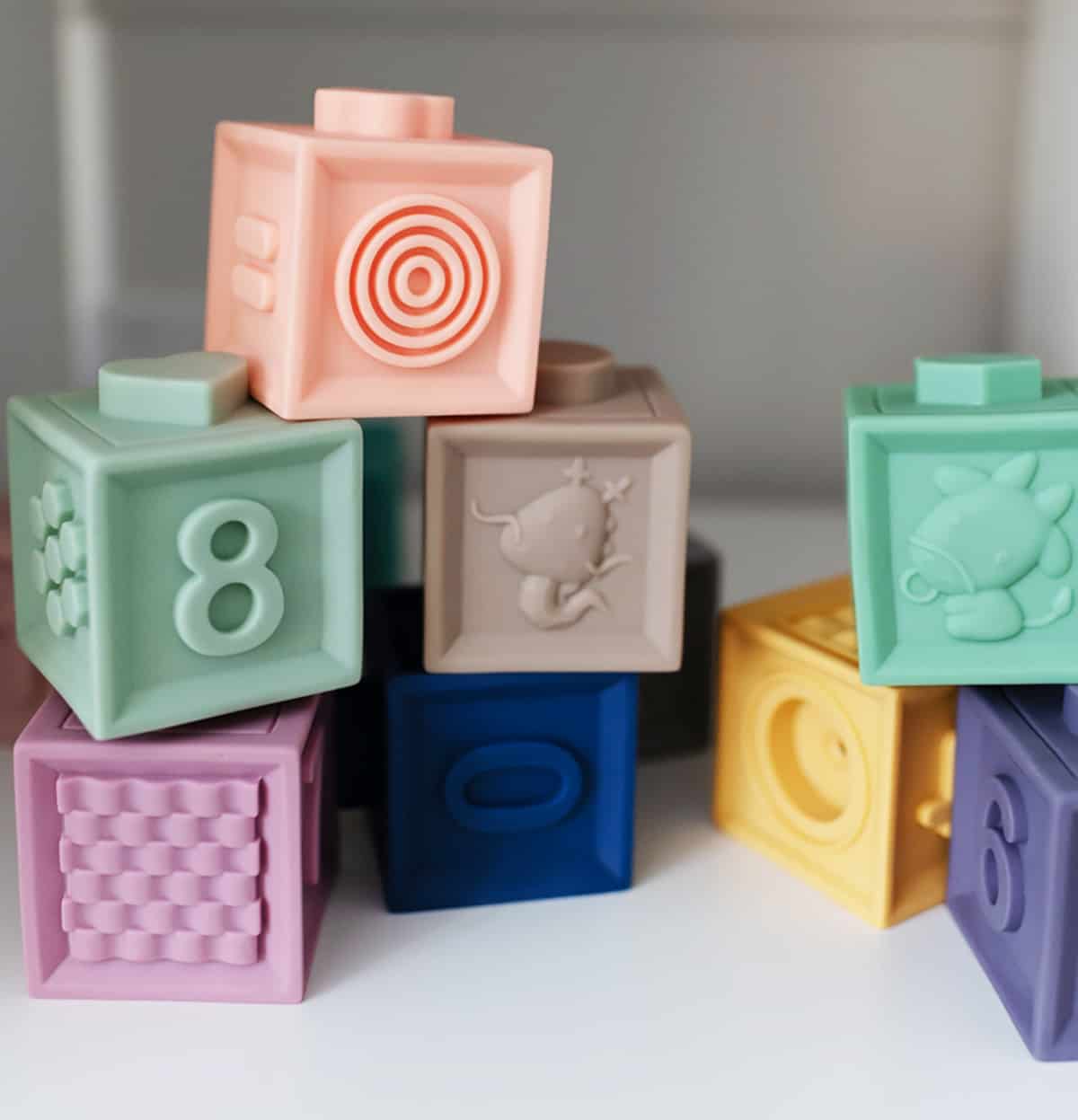
Make sure all caregivers know the toy safety rules. Share information about age-appropriate toys and risks. Teach them how to check toys for damage or loose parts. Consistent knowledge keeps babies safe no matter who cares for them. Clear communication between parents and caregivers is key.
Responding To Toy-related Incidents
Act quickly if a toy causes harm. Remove the toy and check your baby carefully. Call a doctor if your child shows signs of injury or choking. Report faulty toys to the store or manufacturer. Early response can reduce serious problems and protect other children.
Credit: www.arloren.com
Frequently Asked Questions
Are Baby Toys Tested For Safety Standards?
Yes, reputable baby toys undergo strict safety tests. They meet standards like ASTM and CPSIA to ensure non-toxicity and durability.
What Materials Are Safest For Baby Toys?
Safe baby toys use BPA-free plastics, natural wood, and organic fabrics. These materials reduce choking and chemical exposure risks.
How To Check If A Toy Is Safe For Babies?
Look for age recommendations, non-toxic labels, and absence of small parts. Always inspect toys for sharp edges or loose components.
Can Toys Cause Allergies In Babies?
Some toys can trigger allergies if made from latex or contain harmful dyes. Choose hypoallergenic and chemical-free options to minimize risks.
Conclusion
Choosing safe toys helps protect babies from harm and injury. Always check for small parts that babies can swallow. Pick toys made from non-toxic materials only. Clean toys regularly to keep germs away. Supervise babies during playtime for extra safety.
Trust your instincts when selecting toys for your child. Safe toys support healthy growth and happy play. Keep these tips in mind to ensure safe fun. Babies deserve toys that are fun and safe every day.
