

Have you ever noticed how your child spends hours playing with toys, making choices about what to build, how to play, or which character to pick? Those simple moments are more powerful than you might think.
Toys aren’t just for fun—they’re secret tools that help your child practice important decision-making skills. By understanding how toys influence these choices, you can support your child’s growth in a way that feels natural and exciting. Keep reading to discover how the toys your child loves are shaping their ability to make smart decisions every day.
Role Of Toys In Decision Making
Toys play an important role in helping children practice decision making. Through play, kids face choices that build their ability to think and decide. Toys create safe spaces where children learn to make decisions on their own. This learning helps them grow confident and independent.
Different types of toys challenge children in various ways. Some toys ask kids to plan and think ahead. Others encourage trying new ideas and fixing mistakes. These experiences shape strong decision-making skills over time.
Engaging Critical Thinking
Toys make children think deeply about their actions. They ask questions like “What happens if I do this?” or “Which piece fits best?” This sparks critical thinking. Kids learn to compare options and predict results. These moments improve their brain’s ability to analyze and judge.
Encouraging Problem Solving
Many toys come with puzzles or challenges. Children must find solutions to move forward. This process builds problem-solving skills. Kids learn to break problems into smaller steps. They also discover different ways to reach a goal. These skills help in real-life decisions too.
Promoting Trial And Error Learning
Toys allow kids to try and fail safely. They learn that mistakes are part of learning. Trial and error teaches children to adjust and try again. This practice builds patience and persistence. Kids understand that decisions need testing and refining.
Credit: jkatoys.com
Types Of Toys That Enhance Choices
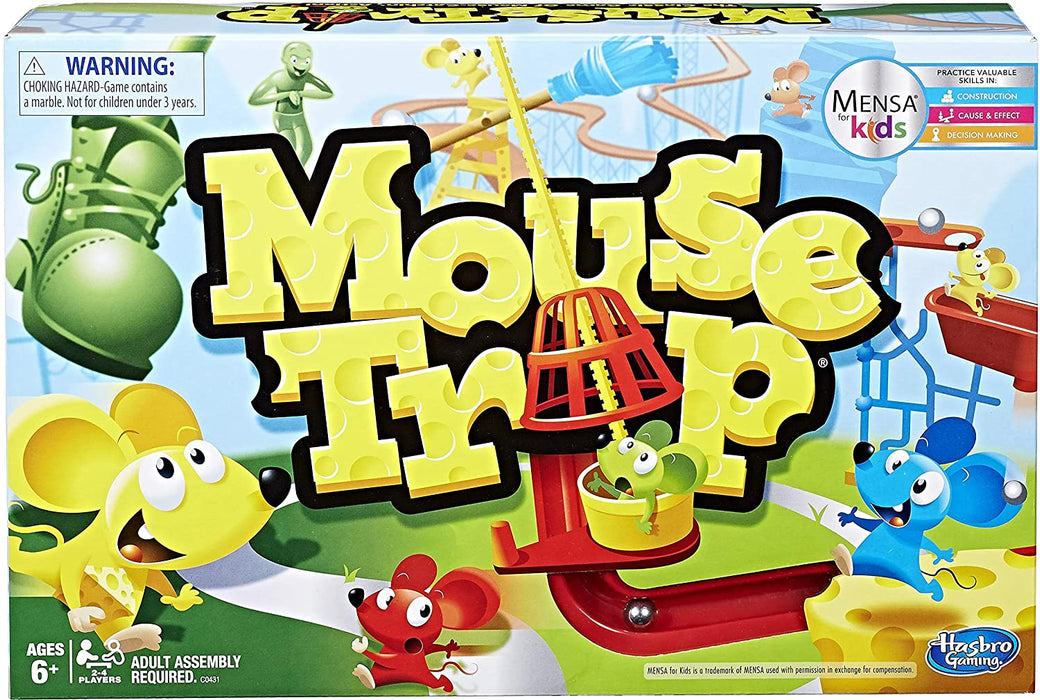
Toys play a big role in helping kids make choices. Certain types of toys encourage children to think and decide. These toys guide them to weigh options and pick the best one. This process builds their decision-making skills naturally.
Below are some popular toy types that help kids practice making choices. Each type challenges kids in different ways. They learn to plan, solve problems, and think ahead while playing.
Building And Construction Sets
Building sets like blocks or LEGO let kids create many designs. They must decide which pieces to use and where to place them. This planning boosts their ability to choose and organize. Each build offers new problems and solutions. Kids learn to adjust their plans and try new ideas.
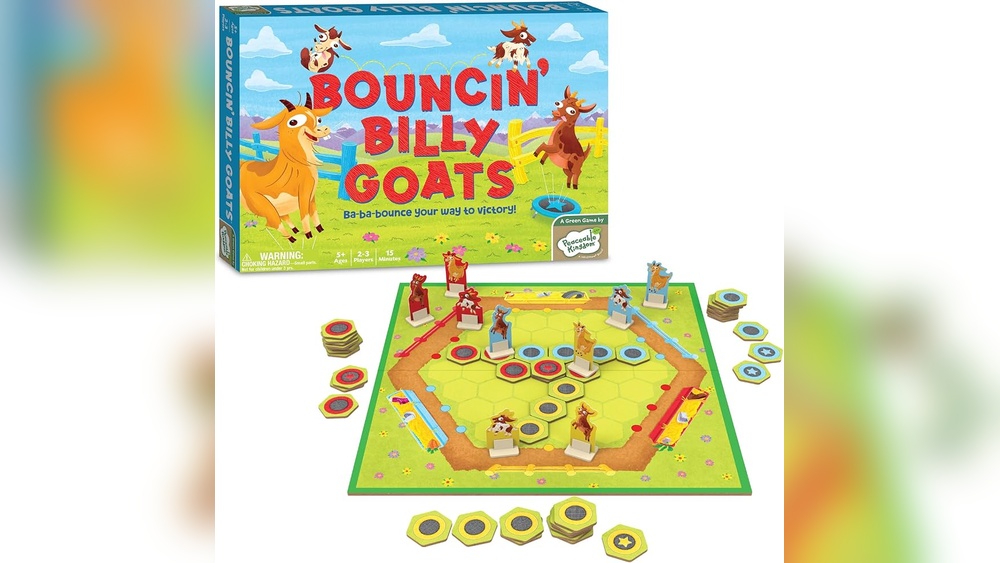
Strategy And Board Games
Board games ask kids to think before they move. They must consider different options and predict outcomes. Choosing the right move can lead to winning or losing. These games develop patience and careful thinking. Kids also learn to handle both success and failure.
Interactive Electronic Toys
Electronic toys often provide choices through touch or voice commands. Kids decide what actions to take next in the game. These toys respond to choices, showing cause and effect. This helps children understand consequences and improve decision skills. They enjoy learning through fun, interactive play.
Benefits For Cognitive Development
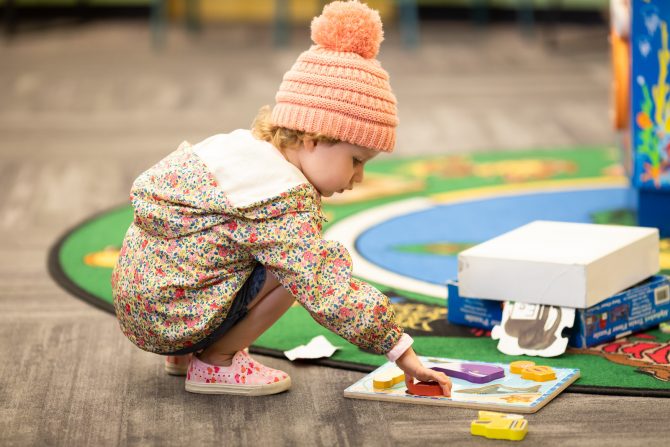
Toys do more than entertain children. They play a key role in developing young minds. Through play, kids make choices and learn from results. This process supports important brain skills. These skills help children think clearly and solve problems. Toys help in many ways to boost cognitive growth.
Improving Attention Span
Playing with toys often requires focus. Children learn to pay attention to details. They practice staying with one task longer. This builds their ability to concentrate. A stronger attention span helps in school and daily life.
Boosting Memory And Recall
Toys encourage kids to remember rules and steps. They recall how to use toys or complete tasks. This exercise strengthens their memory skills. Better memory supports learning new information easily.
Strengthening Logical Reasoning
Decision-making with toys involves thinking ahead. Children figure out cause and effect. They learn to compare choices and predict outcomes. This sharpens their logical reasoning skills. Logical thinking is vital for solving problems effectively.
Credit: www.epl.ca
Social Skills Through Play
Playing with toys helps children build important social skills. These skills guide how they interact with others. Social play teaches kids about sharing, fairness, and respect. It also helps them learn how to work well with friends and family. Through play, children practice making choices that affect others. This practice helps them grow into thoughtful and kind adults.
Learning Cooperation
Toys that require teamwork help kids learn cooperation. Children must listen to each other and work together. They learn to take turns and share ideas. Cooperation teaches patience and understanding. Kids see how working as a group leads to success. This skill is important for school and life.
Handling Competition
Some toys encourage friendly competition. Kids learn to play by the rules and try their best. They experience winning and losing in a safe way. Handling competition helps children control their emotions. They learn to be good sports and respect others. This skill builds confidence and resilience.
Negotiating And Compromising
Play often involves negotiating and compromising with others. Kids decide how to use toys or what games to play. They learn to listen and express their wishes politely. Compromise helps children find solutions that make everyone happy. This skill teaches respect and teamwork. It prepares kids for real-life social situations.
Tips For Choosing Effective Toys
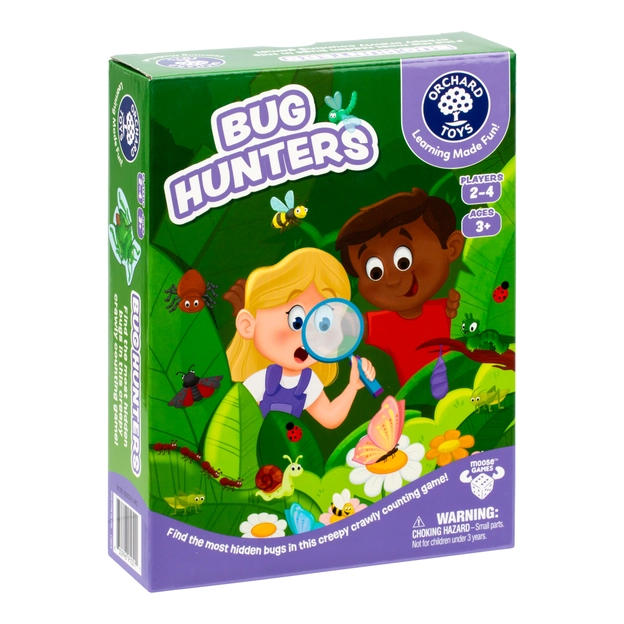
Choosing the right toys helps children practice decision making. Good toys support learning and keep kids interested. Parents and caregivers can guide children by picking toys that fit their needs. The right choices encourage creativity and problem solving. Here are tips for selecting effective toys.
Age Appropriateness
Select toys suitable for the child’s age. Toys too hard or too easy can frustrate or bore kids. Age-appropriate toys match a child’s skills and growth stage. They help children feel confident while exploring new ideas. Check labels for recommended age ranges before buying.
Encouraging Open-ended Play
Choose toys that allow many ways to play. Open-ended toys spark imagination and let kids create their own rules. Blocks, art supplies, and simple figures work well. These toys help children practice making choices and solving problems. Avoid toys with fixed outcomes or strict instructions.
Balancing Challenge And Fun
Toys should be fun but also offer some challenge. A little difficulty makes children think and decide carefully. Toys that are too easy do not encourage decision making. Toys that are too hard may cause frustration and give up. Look for toys that keep kids engaged and learning.
Parental Role In Decision Making Play
Parents play a key role in helping children learn decision making through play. Toys offer a safe space for kids to explore choices. Parents guide this process carefully to build confidence and skills. The balance between support and freedom is very important.
Guiding Without Controlling
Parents should offer advice without taking over the play. Let children make small choices on their own. This helps kids feel capable and responsible. Step in only when safety or fairness is at risk. Encourage kids to try different options and learn from mistakes.
Asking Thoughtful Questions
Questions help children think about their choices. Ask what they want to do next and why. This boosts their thinking and decision skills. Avoid giving answers; instead, help kids find their own solutions. Questions like “What happens if you choose this?” invite deeper thought.
Celebrating Effort And Choices
Praise children for trying and making decisions. Celebrate effort more than just the right answer. This builds their confidence and desire to keep learning. Recognize different choices even if the outcome is not perfect. Positive feedback encourages kids to take healthy risks during play.
Credit: www.moosetoys.com
Frequently Asked Questions
How Do Toys Improve Kids’ Decision-making Skills?
Toys encourage children to evaluate options and make choices. Playing with toys helps them practice problem-solving and critical thinking. This process strengthens their ability to decide confidently in real-life situations.
What Types Of Toys Best Support Decision Making?
Puzzles, building blocks, and strategy games are ideal. These toys challenge kids to plan, analyze, and choose actions. They promote logical thinking and improve decision-making through interactive play.
At What Age Do Toys Impact Decision Making Most?
Toys influence decision skills from toddler to school age. Early play helps develop basic choices, while complex toys enhance advanced thinking. Consistent play across ages supports continuous decision-making growth.
Can Playing With Toys Boost Kids’ Confidence In Decisions?
Yes, making choices during play builds kids’ confidence. When children see positive outcomes from decisions, they feel more capable. This confidence transfers to everyday decision-making situations.
Conclusion
Toys give children a safe space to try choices. They help kids think about what to do next. Playing with toys builds skills for real life decisions. Kids learn from making mistakes while having fun. These moments shape how children solve problems later.
Parents can support by offering diverse toys to explore. Simple play can grow strong decision-making habits. Toys do more than entertain—they teach important lessons.
