

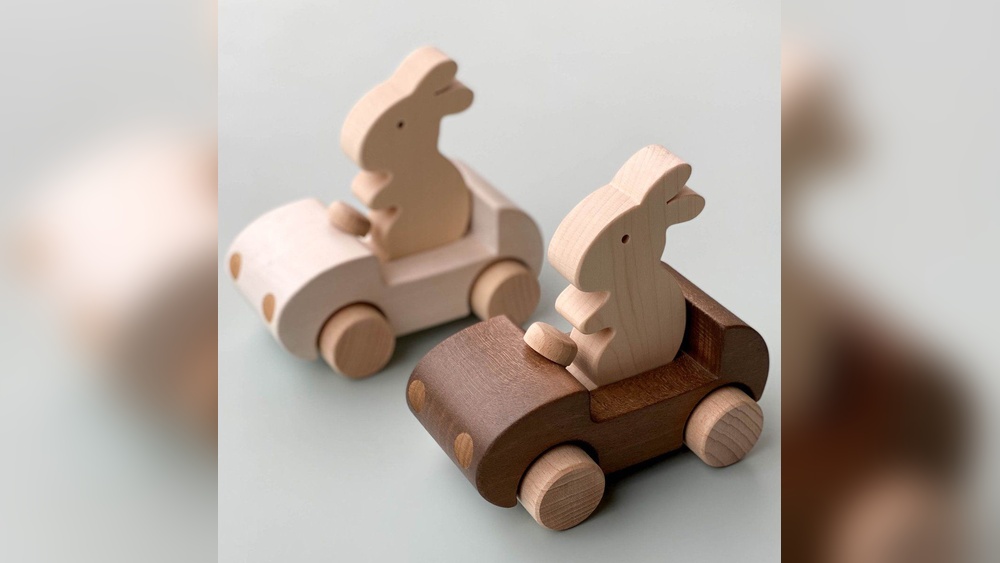
Are you wondering if wooden toys are the right choice for your baby? You want the best for your little one, but with so many options out there, it’s hard to know what truly benefits their growth and safety.
Wooden toys might seem simple, but they offer more than just fun. You’ll discover why these classic toys could be the perfect fit for your baby’s development and well-being. Keep reading to find out how wooden toys can make a difference in your child’s early years.
Benefits Of Wooden Toys
Wooden toys offer many benefits for babies. They provide a safe, natural, and fun way to explore the world. These toys support learning and creativity from an early age. Parents often choose wooden toys because they last long and stay beautiful. Let’s explore the key benefits of wooden toys for babies.
Safety And Non-toxic Materials
Wooden toys are made from natural materials. They do not contain harmful chemicals or plastics. This makes them safer for babies who like to put toys in their mouths. Many wooden toys are coated with non-toxic paints or finishes. Parents can trust these toys to be gentle on babies’ health.
Durability And Longevity
Wooden toys are strong and last for years. They can handle rough play without breaking easily. Unlike plastic toys, wooden ones don’t crack or lose parts quickly. This durability means families can use them for many children. Wooden toys also keep their shape and color over time.
Encouraging Imaginative Play
Wooden toys have simple designs that spark creativity. Babies can use them in many ways during play. These toys do not limit the imagination with sounds or lights. Instead, they invite children to invent stories and explore ideas. Wooden toys help babies grow their thinking and problem-solving skills.

Credit: www.papernstitchblog.com
Developmental Advantages
Wooden toys offer many benefits for babies’ growth and learning. Their simple design helps babies explore and develop key skills naturally. These toys support a baby’s brain, hands, and senses in a gentle and effective way.
Enhancing Fine Motor Skills
Wooden toys help babies practice small hand movements. Grasping, holding, and stacking wooden blocks improve finger strength. These actions prepare babies for writing and other detailed tasks. Smooth edges and solid shapes make handling easy and safe.
Boosting Cognitive Growth
Wooden toys encourage problem solving and thinking. Babies learn cause and effect by fitting shapes or balancing blocks. This play builds memory and attention skills. Open-ended toys allow creativity and imagination to grow freely.
Supporting Sensory Exploration
Wooden toys provide different textures and temperatures to touch. Babies feel the warmth and smoothness of wood. Natural colors and simple shapes avoid overstimulation. This sensory play helps babies understand their world better.
Environmental Impact
Choosing toys for babies affects the environment. Wooden toys offer benefits that plastic toys do not. They have a smaller impact on nature and help reduce waste. Understanding their environmental impact helps parents make better choices.
Sustainability Of Wooden Toys
Wooden toys come from trees, a natural resource. Many companies use wood from forests that are well managed. This means new trees are planted to replace those cut down. Sustainable wood use helps protect forests and animals.
Wooden toys often last longer than plastic ones. They can be passed down to younger children. This reduces the need to buy new toys and lowers waste.
Biodegradability And Eco-friendliness
Wood breaks down naturally in the soil. It does not stay in landfills for hundreds of years like plastic. Biodegradable toys reduce pollution and help keep the earth clean.
Wooden toys usually have fewer chemicals than plastic toys. This is better for babies and the environment. They often use natural paints and finishes that are safe and eco-friendly.

Credit: www.papernstitchblog.com
Comparing Wooden And Plastic Toys
Wooden and plastic toys are popular choices for babies. Each type has unique features. Parents often ask which is better for their child’s growth and safety. Comparing these toys helps understand their benefits and drawbacks.
Safety Differences
Wooden toys usually have fewer chemicals. They are less likely to contain harmful plastics. Many wooden toys use natural, non-toxic paints. Plastic toys may have small parts that break easily. Broken plastic pieces can cause choking hazards. Wooden toys often have smooth edges and solid build. This reduces injury risks during play.
Educational Value
Wooden toys encourage imagination and creativity. Their simple designs invite open-ended play. Babies learn problem-solving and motor skills with wooden blocks. Plastic toys often have bright colors and sounds. They stimulate senses but may limit creativity. Wooden toys help babies focus and explore basics. Plastic toys sometimes distract with noise and flashing lights.
Cost And Longevity
Wooden toys cost more upfront but last longer. They can be handed down to siblings or friends. Plastic toys are usually cheaper but wear out fast. They may break or lose color after use. Investing in wooden toys saves money over time. Parents get durable toys that stand rough play.
Choosing The Best Wooden Toys
Choosing the best wooden toys for babies requires careful thought. Safety, fun, and learning all matter. Wooden toys can last long and offer many benefits. Selecting the right toy helps your baby grow and enjoy playtime.
Focus on toys that fit your baby’s age and skills. Check the quality to keep your baby safe. Pick popular types that encourage creativity and movement.
Age-appropriate Options
Choose toys made for your baby’s exact age group. Babies need simple toys without small parts. Toddlers enjoy toys that challenge their growing skills. Age labels help find the best match. Safe toys reduce choking risks and frustration.
Quality And Finish Considerations
Look for smooth edges and non-toxic paint on wooden toys. High-quality wood feels sturdy and lasts longer. Avoid toys with splinters or rough surfaces. Natural finishes are safer for babies who put toys in their mouths. Well-made toys protect babies from harm.
Popular Wooden Toy Types
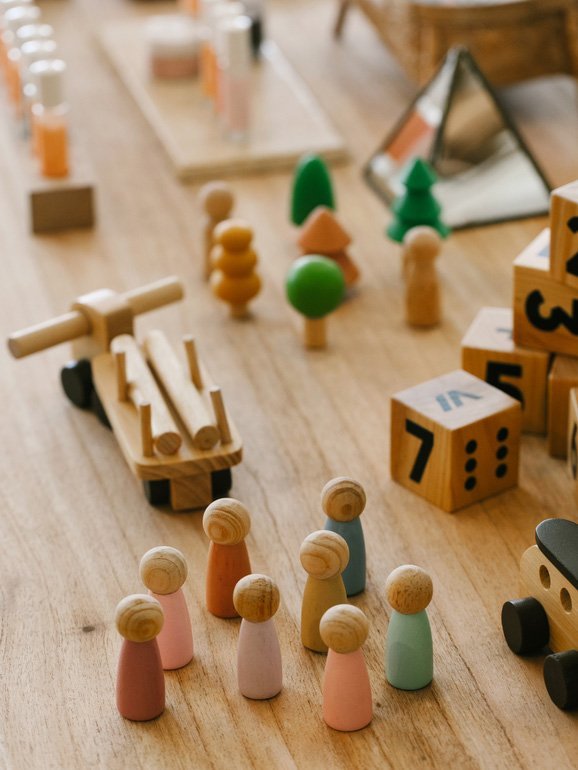
Classic blocks help develop hand-eye coordination and creativity. Stacking rings teach colors and sizes. Pull toys encourage walking and movement. Shape sorters improve problem-solving skills. These toys keep babies engaged and learning.
Credit: www.thegoodtrade.com
Caring For Wooden Toys
Caring for wooden toys keeps them safe and fun for babies. Wooden toys last longer with simple care. Clean and maintain them regularly to avoid damage. Proper care keeps the wood smooth and free from cracks. It also helps prevent bacteria buildup. Follow easy steps for cleaning and maintenance.
Cleaning Tips
Use a soft cloth dampened with warm water to clean toys. Avoid soaking wooden toys in water. Mild soap can remove dirt but rinse well. Dry toys completely with a towel after cleaning. Never use harsh chemicals or bleach on wood. Wipe toys often to keep germs away. Clean toys after outdoor play or contact with food.
Maintenance For Longevity
Check toys regularly for cracks or splinters. Sand rough spots gently with fine sandpaper. Apply food-safe oil like coconut or mineral oil. This keeps wood smooth and prevents drying. Let oil soak in, then wipe off extra. Store toys in a dry place away from heat. Avoid leaving toys in direct sunlight. This prevents warping and color fading. Proper storage extends the life of wooden toys.
Frequently Asked Questions
Are Wooden Toys Safe For Babies?
Yes, wooden toys are generally safe for babies. They are non-toxic, durable, and free from harmful chemicals often found in plastic toys. Always ensure the toy has smooth edges and is properly finished to prevent splinters and choking hazards.
Do Wooden Toys Help Baby Development?
Wooden toys promote sensory development, fine motor skills, and creativity. Their natural texture and weight encourage tactile exploration. They also support problem-solving and imagination through open-ended play, making them excellent for early childhood growth.
How Do Wooden Toys Compare To Plastic Toys?
Wooden toys are eco-friendly, durable, and often safer than plastic toys. Plastic toys may contain harmful chemicals and break easily. Wooden toys provide a natural feel and usually last longer, offering better value and environmental benefits.
Can Wooden Toys Cause Allergies In Babies?
Wooden toys rarely cause allergies. Most are made from hypoallergenic wood like maple or beech. However, always check for any varnishes or paints used, as some coatings might trigger sensitivities in certain babies.
Conclusion
Wooden toys offer many benefits for babies. They are safe, durable, and eco-friendly. Babies learn better through simple, natural play. These toys help develop motor skills and creativity. Parents can trust their quality and safety. Choosing wooden toys supports a healthy childhood.
They last longer and stay interesting. Wooden toys bring joy and learning together. A smart choice for happy, healthy babies.
