

Have you ever noticed your toddler picking up a toy and pretending to do exactly what you do? It’s more than just play—it’s how your little one learns about the world around them.
When toddlers copy adults with toys, they’re practicing important skills without even realizing it. Understanding why your child does this can help you support their growth in the best way possible. Keep reading to discover the surprising reasons behind this behavior and how you can turn everyday moments into powerful learning experiences for your toddler.
Toddlers And Imitation
Toddlers learn a lot by copying adults. They watch closely and try to do what they see. This copying helps them understand the world around them. Toys become tools for toddlers to practice new skills. Imitation is a natural part of their growth and learning.
Role Of Mimicry In Early Learning
Mimicry helps toddlers learn basic actions. They copy how adults use objects and tools. This process teaches them how things work. Mimicry also builds language and social skills. Toddlers try to speak like adults and use gestures. It helps them connect with others and express needs.
How Imitation Shapes Behavior
Imitation guides toddlers to develop routines and habits. They learn good manners and social rules by copying. Toddlers see adults’ emotions and mimic feelings. This shapes how they react in situations. Imitation also encourages creativity and problem-solving. Toddlers try new ways to play with toys, exploring ideas.
Connection Between Play And Development
Toddlers learn about the world through play. Toys help them explore new ideas and feelings. Copying adults with toys is a natural way to understand daily life. This play builds important skills for their growth. It supports how they think, feel, and relate to others.
Playing with toys is more than fun. It shapes the toddler’s brain and social world. Each action with a toy helps build a foundation for future learning.
Cognitive Growth Through Play
Toddlers develop thinking skills by using toys like adults. They practice problem-solving and learn cause and effect. Pretending to cook or clean helps their memory and focus. Toys encourage curiosity and creativity, which boost brain growth. This hands-on play also improves language skills and understanding.
Social Skills Gained From Toy Interaction
Playing with toys teaches toddlers how to share and cooperate. They learn to take turns and express feelings safely. Imitating adults shows them how to behave in social settings. These skills help toddlers make friends and communicate better. Through play, children build empathy and confidence in social roles.
Adults As Role Models
Adults act as key role models for toddlers. Children watch adults closely. They learn by copying what they see. This helps toddlers understand the world around them. Toys become tools for toddlers to mimic adult actions. Observing adults gives toddlers ideas on how to play and behave.
Influence Of Adult Actions On Toddlers
Toddlers see adults doing daily tasks. They notice how adults use objects and tools. This sparks curiosity and desire to imitate. Watching adults cook, clean, or talk shows toddlers new skills. Toddlers try to repeat these actions with their toys. This builds their confidence and understanding.
Why Toddlers Choose Specific Behaviors To Copy
Toddlers pick behaviors that seem fun or useful. They choose actions adults do often or with excitement. Toddlers also copy behaviors that get attention or praise. Simple tasks like talking on the phone or fixing things attract them. These choices help toddlers learn social and practical skills.

Credit: northwaychristian.org
Types Of Toys That Encourage Copying
Toddlers learn a lot by copying adults. Toys that encourage copying help children explore new skills. These toys make playtime both fun and educational. They invite kids to mimic real-life actions. This helps develop their imagination and understanding of the world.
Imaginative Toys And Role Play
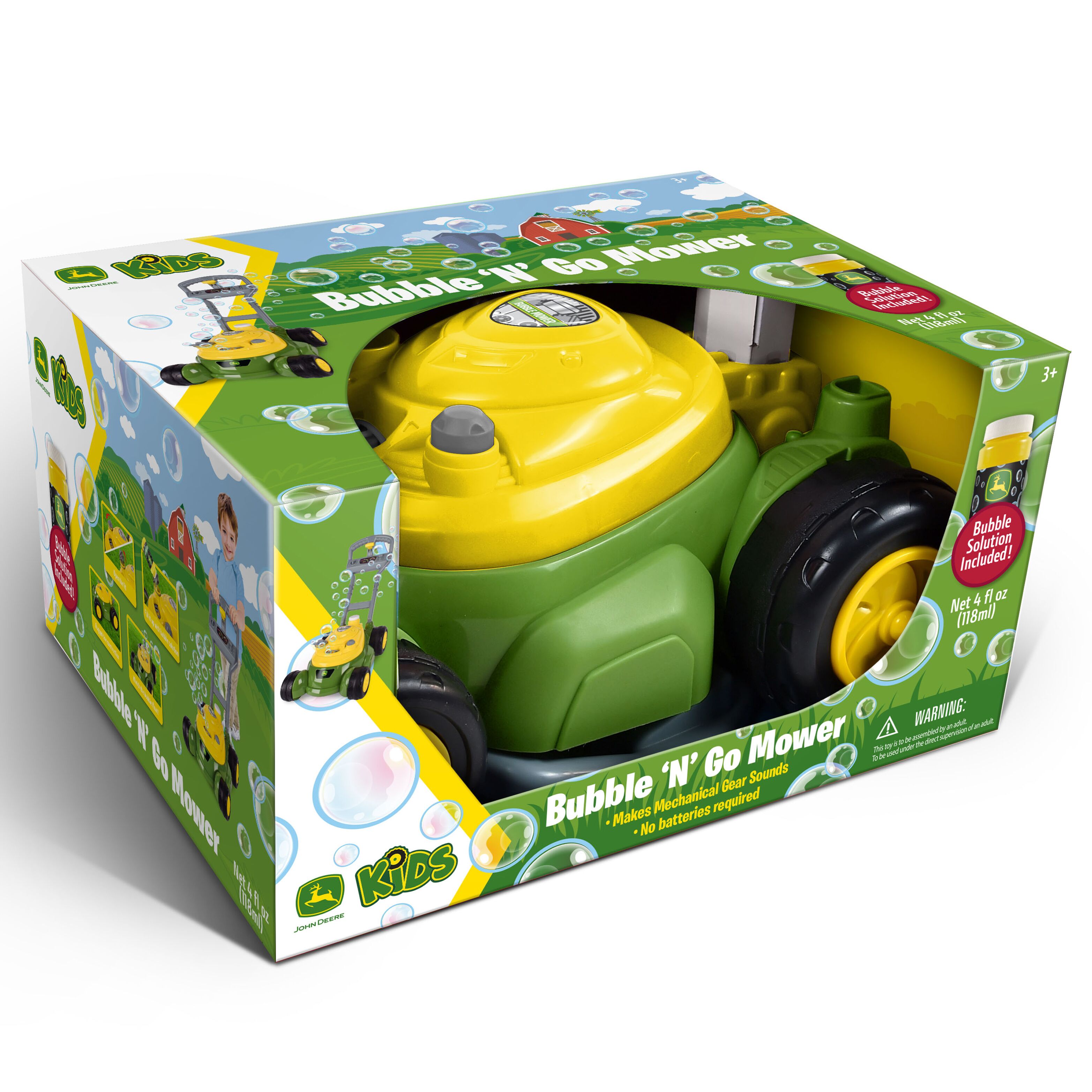
Imaginative toys let toddlers act out daily routines. Toy kitchens, doctor kits, and tool sets are popular examples. These toys encourage children to copy adults’ behaviors. Pretending to cook or fix things helps kids learn problem-solving. Role play builds language and social skills. It also boosts creativity and confidence in toddlers.
Everyday Objects Used As Toys
Toddlers often use household items as toys. Pots, spoons, and boxes become tools for play. These objects help toddlers copy adult tasks. They explore actions like stirring, cleaning, or packing. Using real items makes play more realistic. This type of play supports fine motor skills and hand-eye coordination.
Benefits Of Copying Adult Behavior
Copying adult behavior helps toddlers learn about the world. They watch adults and try to do the same with toys. This simple act supports many important skills. It helps toddlers understand how to talk and solve problems. These skills build a strong base for future learning and social life.
Building Communication Skills
Toddlers copy how adults speak and use toys to practice words. They try new sounds and phrases while playing. This practice helps them learn how to express their feelings and ideas. Copying adult speech improves vocabulary and sentence skills. It also teaches toddlers how to listen and respond during conversations.
Fostering Problem-solving Abilities
When toddlers mimic adults using toys, they learn how to solve simple problems. They figure out how things work by trying and testing. This helps them think clearly and make decisions. Copying actions like stacking blocks or fixing toy tools teaches cause and effect. These early problem-solving skills help toddlers become confident learners.
Credit: www.theisens.com
Tips For Encouraging Positive Imitation
Encouraging toddlers to imitate adults in a positive way helps their growth. Toddlers learn many skills by copying actions they see. Guiding them to copy good habits builds strong foundations. Parents and caregivers play a key role in this process.
Modeling Healthy Habits
Children watch adults closely and mimic their behavior. Show them healthy habits like washing hands and eating well. Speak kindly and handle problems calmly. These actions teach toddlers how to behave in daily life. Consistent positive examples help toddlers copy good routines.
Selecting Toys That Promote Learning
Choose toys that encourage creativity and problem-solving. Toys like blocks, puzzles, and pretend kitchen sets work well. These toys allow toddlers to copy real-life tasks safely. They practice skills such as counting, sorting, and sharing. The right toys make learning fun and natural for toddlers.

Credit: www.amazon.com
Frequently Asked Questions
Why Do Toddlers Mimic Adults With Toys?
Toddlers mimic adults to learn social skills and understand their environment. Copying helps them develop language, motor skills, and problem-solving abilities. It also builds emotional connections as they imitate familiar behaviors seen daily.
How Does Copying Adults Benefit Toddler Development?
Copying adults boosts toddlers’ cognitive and emotional growth. It improves communication skills and helps toddlers understand routines. This behavior supports creativity and strengthens their ability to interact with others.
What Types Of Toys Encourage Toddler Imitation?
Role-play toys like kitchen sets, phones, and tools encourage imitation. These toys allow toddlers to practice adult roles safely. They help toddlers explore daily activities through pretend play, enhancing learning.
When Do Toddlers Start Copying Adults With Toys?
Toddlers often start copying adults around 12 to 18 months. At this stage, they observe closely and imitate simple actions. This imitation becomes more complex as their motor and cognitive skills improve.
Conclusion
Toddlers learn by copying adults, especially with toys. This helps them understand daily life and practice skills. Playing like adults builds their confidence and creativity. Watching and copying shows them how to solve problems. Toys become tools for learning and exploring the world.
Adults set examples that toddlers want to follow. Encouraging this behavior supports healthy growth and learning. Watching toddlers imitate is both fun and meaningful. Keep offering good role models and safe toys. This simple act shapes their future in many ways.
