

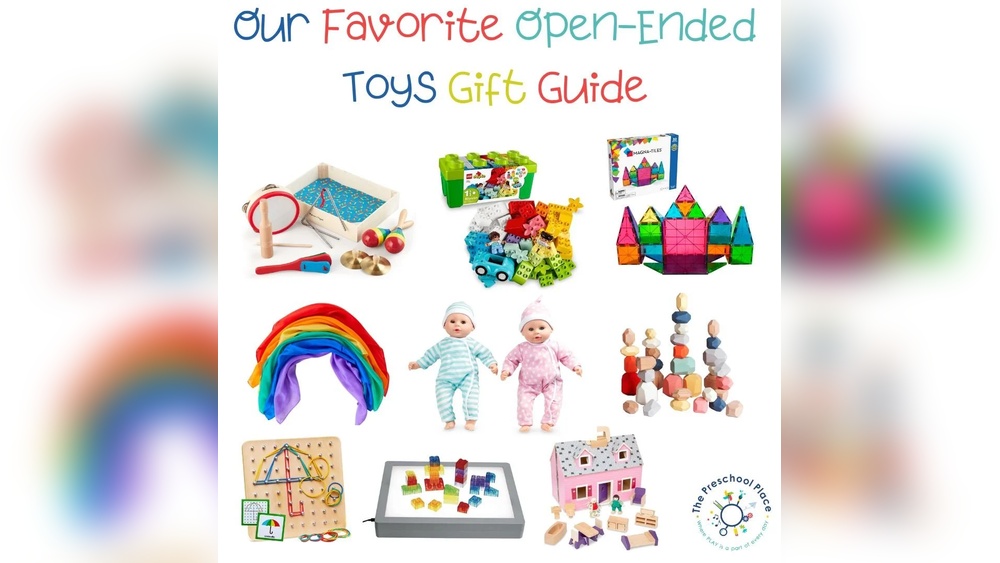
Have you ever wondered why your child reaches for a simple block instead of a flashy toy with lights and sounds? Open-ended toys might seem plain at first, but they hold a special power that keeps kids coming back for more.
These toys don’t come with instructions or limits, giving your child the freedom to imagine, create, and explore in their own way. If you want to understand how these toys can boost your child’s creativity and keep them engaged longer, keep reading.
You’ll discover why open-ended toys are not just fun—they’re a smart choice for your child’s growth.
Benefits Of Open Ended Toys
Open ended toys offer many benefits for children’s growth and learning. These toys do not have a fixed way to play. Kids can use them in many different ways. This freedom helps children develop important skills naturally. Open ended toys support creativity, thinking, and physical abilities all at once.
Encouraging Imagination
Open ended toys invite children to create their own stories and ideas. They can pretend and explore without limits. This kind of play sparks imagination and helps kids think outside the box. Imaginative play builds confidence and emotional skills. It allows children to express themselves freely and enjoy endless possibilities.
Boosting Problem Solving
Open ended toys challenge kids to find new uses and solutions. Children learn to plan and test their ideas. This process improves critical thinking and decision-making skills. Kids practice patience and persistence as they figure things out. Problem solving with these toys prepares children for real-life challenges.
Enhancing Motor Skills
Many open ended toys require hands-on interaction. Playing with blocks, clay, or puzzles strengthens hand-eye coordination. Small movements help develop fine motor skills. Larger toys encourage gross motor skills and body control. Regular play with these toys supports healthy physical growth and coordination.

Credit: magnatiles.com
Types Of Open Ended Toys
Open ended toys let children explore and create freely. These toys do not have fixed instructions or outcomes. Kids use their imagination to play in many ways. Different types of open ended toys offer various ways to learn and have fun.
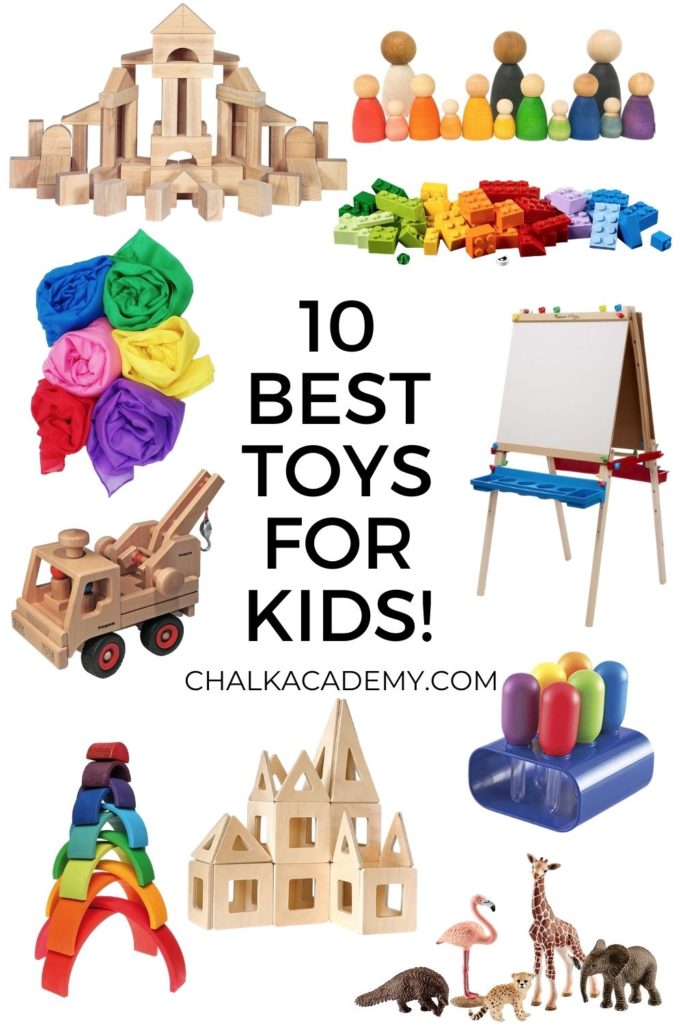
Building Blocks And Construction Sets
Building blocks and construction sets help kids develop hand skills. Children can stack, connect, and build different shapes. These toys encourage problem-solving and creativity. Kids make towers, houses, or anything they imagine. They learn about balance and design while playing.
Art Supplies And Craft Materials
Art supplies like crayons, markers, and paper inspire creativity. Craft materials such as glue, scissors, and beads allow children to create unique projects. Kids express their feelings and ideas through drawing and crafting. These materials support open ended play by letting kids choose what to make.
Natural And Loose Parts
Natural items like stones, leaves, and sticks offer endless play options. Loose parts such as buttons, shells, and fabric scraps add variety. Children combine these items to build, sort, or pretend. Playing with natural and loose parts connects kids to nature and enhances imagination.
How Open Ended Toys Spark Creativity
Open ended toys invite children to use their imagination freely. These toys do not have fixed rules or a single way to play. Kids can create their own stories and games. This freedom helps them think in new and creative ways.
Playing with open ended toys lets children explore ideas and solve problems. They learn to make decisions and try different approaches. This kind of play boosts creativity and helps kids grow mentally.
No Right Or Wrong Way To Play
Open ended toys have no instructions to follow strictly. Kids can use them in any way they like. This removes pressure and encourages free thinking. Children feel safe to experiment and be creative without fear of mistakes.
Fostering Storytelling And Role Play
These toys inspire children to invent stories and characters. Kids can act out scenes from their imagination. Role play helps them understand different perspectives. It also builds language skills and emotional awareness.
Adaptable To Different Ages And Interests
Open ended toys grow with the child. Younger kids might stack blocks, while older kids build complex structures. The same toy can suit many interests and skill levels. This flexibility keeps children engaged longer and encourages ongoing creativity.
Comparing Open Ended And Structured Toys
Open-ended and structured toys each have unique features. Kids react to these features in different ways. Understanding the differences helps explain why many children prefer open-ended toys. These toys allow imagination and creativity to flow freely. Structured toys guide children with rules and clear goals. Both types offer play value but in different forms.
Freedom Vs. Rules
Open-ended toys give kids freedom to create and explore. No set instructions limit how to play. Children can build stories or make new games. Structured toys have clear rules and specific ways to play. These toys focus on winning or completing tasks. Some kids enjoy clear instructions, but many like freedom more. Open-ended toys encourage imagination without boundaries.
Longevity And Replay Value
Open-ended toys last longer in playtime. Kids find new ways to use them every day. This keeps the toys fresh and exciting. Structured toys can become boring after the game ends. Once the rules are learned, kids might lose interest. Open-ended toys grow with the child’s ideas. This makes them a better long-term choice.
Impact On Cognitive Development
Open-ended toys help develop problem-solving skills. Children think creatively and make decisions on their own. These toys support language and social skills too. Structured toys focus on following directions and rules. They teach discipline but limit creativity. Open-ended play encourages flexible thinking and imagination. This supports healthy brain growth and learning.
Tips For Choosing Open Ended Toys
Choosing open-ended toys can be exciting but needs some thought. These toys help children learn and play in many ways. Picking the right ones makes playtime safe and fun. Here are some tips to guide you.
Age Appropriateness
Select toys that match your child’s age. Toys too complex may cause frustration. Toys too simple might not hold interest. Check the manufacturer’s age recommendations. Choose toys that suit your child’s skills and growth.
Safety Considerations
Always check for safe materials and design. Avoid toys with small parts for young kids. Look for smooth edges and sturdy construction. Confirm the toy meets safety standards. A safe toy protects your child during play.
Encouraging Exploration
Pick toys that invite creativity and imagination. Toys that change or have many uses are great. They help children try new ideas and learn problem-solving. Choose toys that encourage children to explore freely and think deeply.

Credit: www.thekavanaughreport.com
Parents’ Role In Open Ended Play
Parents play a key role in open ended play. Their actions and attitude shape how children explore and learn. Open ended toys need guidance but also freedom. Parents must find balance to support creativity and growth.
Encouragement from parents makes play more meaningful. Kids feel safe to try new ideas. They gain confidence and problem-solving skills. Parents can help turn playtime into a powerful learning experience.
Creating A Stimulating Environment
Parents should offer a variety of open ended toys. Different textures, shapes, and sizes inspire curiosity. A tidy and organized space invites children to play freely. Natural light and calm surroundings help focus. Avoid too many distractions to keep attention on play.
Joining Without Taking Over
Parents can join play to show interest. They should watch and follow the child’s lead. Asking simple questions or making observations helps. Avoid giving instructions or correcting too much. Let children make decisions and solve problems on their own.
Encouraging Independent Thinking
Parents can praise efforts, not just results. Questions like “What do you think?” or “What else can it be?” boost imagination. Children learn to think deeply and explore options. Giving time and space for play builds independence. It also strengthens their ability to create and invent.
Credit: www.stopamr.eu
Frequently Asked Questions
What Are Open Ended Toys For Kids?
Open ended toys are playthings without fixed rules or outcomes. They encourage creativity, imagination, and problem-solving in children through free play.
Why Do Kids Prefer Open Ended Toys?
Kids enjoy open ended toys because they offer freedom to explore. These toys adapt to different play styles and grow with the child’s skills.
How Do Open Ended Toys Benefit Child Development?
These toys boost cognitive, social, and emotional skills. They promote critical thinking, creativity, and cooperation during imaginative play sessions.
Are Open Ended Toys Better Than Electronic Toys?
Yes, open ended toys foster active engagement and imagination. They avoid passive screen time and enhance hands-on learning and interaction.
Conclusion
Kids love open-ended toys because they spark imagination and creativity. These toys do not limit play to one way. Children explore, build, and invent with freedom. This type of play helps develop problem-solving skills. It also encourages teamwork and communication with others.
Open-ended toys grow with the child’s changing interests. They offer endless fun and learning opportunities. Choosing these toys supports healthy brain development. Simple, versatile toys make playtime more meaningful. Every child benefits from the chance to create and imagine. Open-ended toys truly inspire joyful and smart play.
