

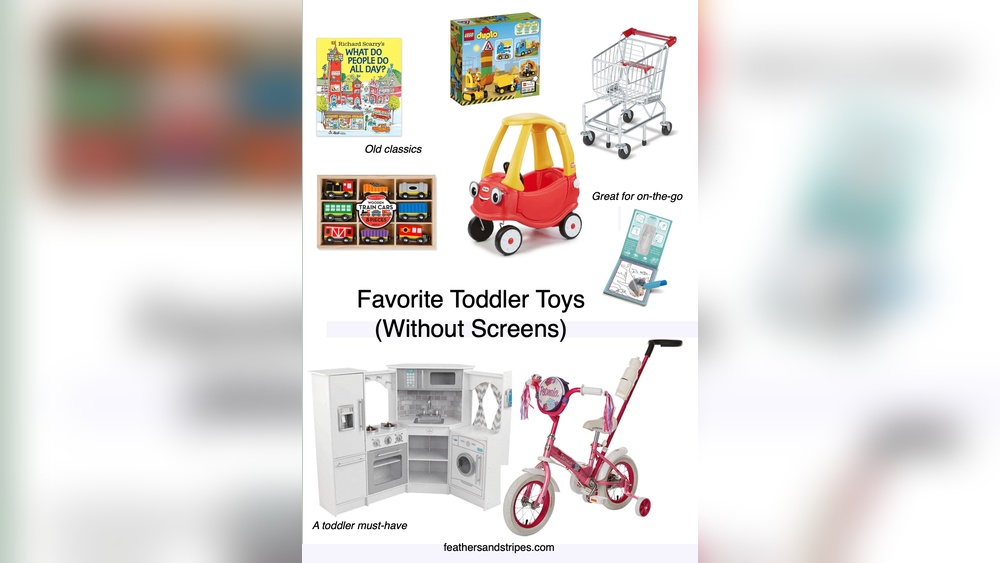
Do toddlers need toys all day? You might wonder if keeping your little one constantly entertained with toys is really necessary.
It’s easy to think that more toys mean more fun and learning, but is that true? What if too many toys actually distract your child or make them less creative? If you’re curious about how much playtime with toys is right for your toddler—and how to balance it with other important activities—this article is for you.
Keep reading to discover simple insights that can help you support your toddler’s growth in a natural, healthy way.
Toddlers And Playtime Needs
Toddlers need playtime for healthy growth and learning. Play helps them explore the world around them. It also lets them practice new skills every day.
Not all play needs toys. Sometimes, simple activities or nature can be just as good. Finding the right balance is key for toddlers’ well-being.
How Play Affects Development
Play shapes a toddler’s brain and body. It improves motor skills like running and grabbing. Play also boosts language and social skills.
Through play, toddlers learn to solve problems and be creative. They understand emotions and practice sharing. These skills help them in school and life.
Balancing Activity And Rest
Toddlers need times of play and times of rest. Too much activity can cause tiredness and fussiness. Rest helps their brain and body grow strong.
Parents can watch for signs of tiredness. Quiet activities or naps help toddlers recharge. A good balance keeps toddlers happy and healthy.
The Role Of Toys In Toddler Growth
Toys play an important part in a toddler’s growth. They help develop skills and keep children curious. Through play, toddlers learn about the world and build their abilities. Toys can teach shapes, colors, sounds, and problem-solving. They also encourage movement and creativity. Choosing the right toys supports healthy growth and happy playtime.
Types Of Toys That Encourage Learning
Toddlers benefit from toys that make them think and explore. Building blocks help with motor skills and hand-eye coordination. Puzzles teach shapes and problem-solving. Musical toys introduce sounds and rhythm. Pretend play sets grow imagination and social skills. Simple toys with bright colors attract attention and aid in learning.
When Less Is More
Too many toys can overwhelm toddlers. A few well-chosen toys keep focus and interest high. This helps children enjoy play without distractions. Rotating toys also keeps playtime fresh. Fewer toys encourage creativity and independent thinking. Quality over quantity supports better learning and growth.
Signs Your Toddler Needs A Break
Toddlers often play with toys for hours. But constant play can be too much. Knowing when your toddler needs a break is very important. It helps prevent tiredness and fussiness. Watch your child closely. Signs can show that it’s time to rest. Understanding these signs helps keep playtime fun and safe.
Recognizing Overstimulation
Toddlers feel overwhelmed easily. They may cry or become quiet suddenly. Some might throw toys or seem angry. Overstimulation can cause trouble sleeping or eating. Pay attention if your toddler covers their ears. Sudden mood changes also mean too much activity. Quiet time helps calm an overstimulated toddler.
Encouraging Independent Play
Independent play gives toddlers a chance to rest. Let your child play alone with simple toys. This helps them learn and relax. Independent play also builds confidence and creativity. Start with short periods of solo play. Gradually increase as your toddler gets used to it. Independent play balances active play and rest.

Credit: www.amazon.com
Alternatives To Toys For Engagement
Toys are fun, but toddlers do not need them all day. Many other things can keep toddlers busy and happy. These alternatives help children learn and explore in new ways. They use simple items around the house or nature to spark creativity.
Using everyday objects and outdoor play can build skills and imagination. Toddlers enjoy discovering new textures, sounds, and sights. These activities also encourage movement and problem-solving.
Everyday Household Items As Play Tools
Common items at home can become exciting toys. Plastic bowls, wooden spoons, and empty boxes work well. Toddlers can stack, sort, or tap these objects. This play helps develop hand-eye coordination and fine motor skills.
Old clothes or scarves can turn into dress-up fun. Containers with lids teach about opening and closing. Simple puzzles made from cardboard challenge young minds. These items cost little but offer big learning chances.
Outdoor Activities And Exploration
Outside play invites toddlers to explore freely. Walking on grass, touching leaves, and watching bugs teach about nature. Playing with sticks or stones sparks curiosity and creativity.
Chasing bubbles or blowing dandelions builds motor skills and focus. Outdoor time also supports physical health and mood. Fresh air and new surroundings keep toddlers interested and active.
Tips For Parents On Toy Usage
Parents often wonder how much playtime with toys is healthy for toddlers. Toys are important for learning and fun. But too many toys or too much playtime can cause fussiness or boredom. Finding a good balance helps toddlers enjoy toys and develop well.
Simple rules and routines can guide parents on toy use. These tips help keep playtime fun and meaningful. They also support healthy habits and creativity.
Setting Playtime Limits
Set clear times for toy play each day. Short play sessions prevent overstimulation and tiredness. Use a timer or clock to keep track. Toddlers feel safe with routines and limits. This helps them focus during play and rest well after.
Limit toy use before meals and bedtime. This avoids distractions and helps with sleep. Parents can join playtime to make it more special. Quality over quantity matters most in play.
Rotating Toys To Maintain Interest
Keep only a few toys out at a time. Store others in a box and swap weekly. Rotating toys keeps them fresh and exciting. Toddlers explore toys with more focus and joy. This also reduces clutter and mess.
Check toys regularly for safety and age-appropriateness. Swap in new toys that match your child’s skills. Rotating toys supports learning and creativity. It also helps toddlers appreciate each toy more.

Credit: gingerbreadhousetoys.com
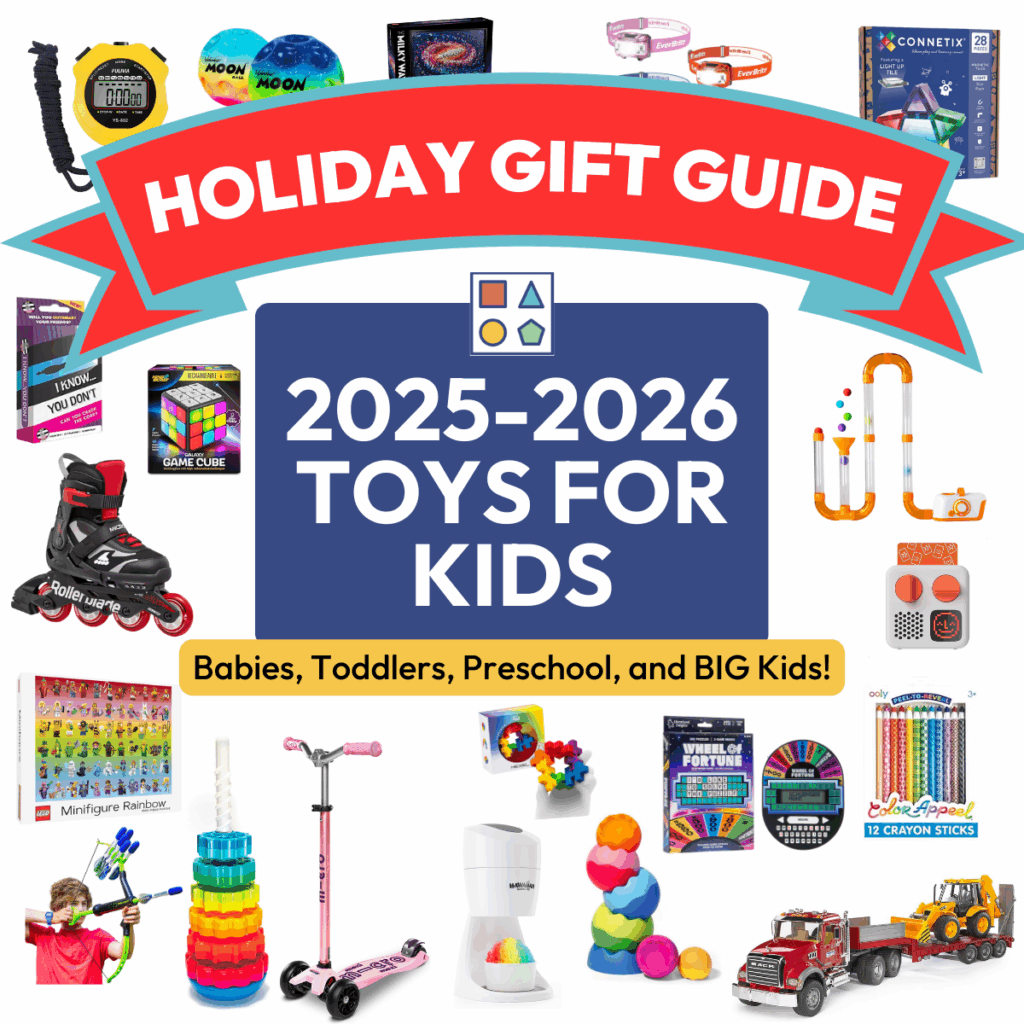
Credit: dayswithgrey.com
Frequently Asked Questions
Do Toddlers Need Toys All Day Long?
Toddlers do not need toys all day. They benefit from a mix of play, rest, and exploration. Too many toys can overwhelm them and reduce creativity. Quality, not quantity, matters for healthy development.
Can Toddlers Learn Without Constant Toy Use?
Yes, toddlers learn through interaction, observation, and play without toys. Simple activities like talking, singing, and outdoor play stimulate their growth. Toys are tools, not essentials for learning.
How Many Toys Are Ideal For Toddlers?
A small, rotating collection of 5-10 toys is ideal. This avoids clutter and keeps toddlers engaged. Focus on toys that encourage imagination and motor skills.
What Are Alternatives To Toys For Toddler Play?
Everyday household items like pots, spoons, and boxes can spark creativity. Outdoor nature play and sensory activities also promote learning. These alternatives support varied developmental needs without constant toy use.
Conclusion
Toddlers do not need toys all day long. Quiet moments help their minds grow. Playing with family matters more than toys. Simple activities can bring great joy. Too many toys may cause distraction. Balance between play and rest is key.
Let children explore the world around them. This helps build creativity and focus. Toys are tools, not the main focus. Give toddlers time to imagine and learn.
