

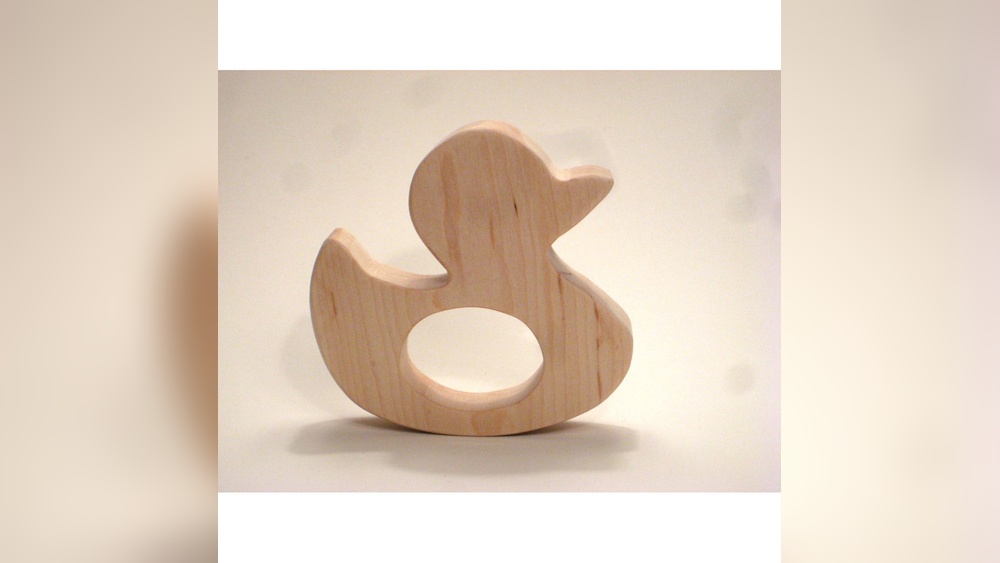
If you’re a parent or caregiver, you want the best and safest options for your teething baby. You might be wondering if wood toys are a smart choice when those tiny teeth start coming in.
Are wood toys really safe for your little one to chew on? This question matters because teething can be uncomfortable, and your baby will reach for anything that soothes their gums. Keep reading to discover what makes wood toys a good—or risky—option for your baby’s teething needs.
Understanding this can help you make confident, worry-free choices for your child’s comfort and safety.
Benefits Of Wood Toys For Babies
Wood toys offer many benefits for babies, especially those who are teething. These toys provide a safe and natural option for little ones to explore with their hands and mouths. Wood toys also support healthy development and encourage sensory play. Parents can feel confident choosing wood toys due to their quality and safety.
Natural Materials And Non-toxic Qualities
Wood toys are made from natural materials. They do not contain harmful chemicals or plastics. Many wood toys use non-toxic paints and finishes. This makes them safe for babies to chew and handle. The natural wood surface is gentle on sensitive gums. It helps reduce exposure to toxins found in some plastic toys.
Durability And Longevity
Wood toys are very durable and last a long time. They can withstand rough handling and chewing. Unlike plastic toys, wood does not break easily. This makes wood toys a good investment. They can be passed down to younger siblings or friends. The sturdy build also means less waste and fewer replacements.
Sensory And Developmental Advantages
Wood toys offer rich sensory experiences for babies. The smooth texture and natural scent engage their senses. Babies learn about shapes, sizes, and textures through play. Wood toys encourage fine motor skills and hand-eye coordination. They also support creative and imaginative play. These benefits promote healthy brain development and growth.
Common Safety Concerns With Wood Toys
Wood toys are popular for babies, especially for teething. Parents often choose them for their natural feel and durability. Still, safety concerns arise with wood toys. These concerns matter most for teething babies, who chew and bite on their toys. Understanding common safety risks helps parents make safe choices.
Potential For Splinters And Rough Edges
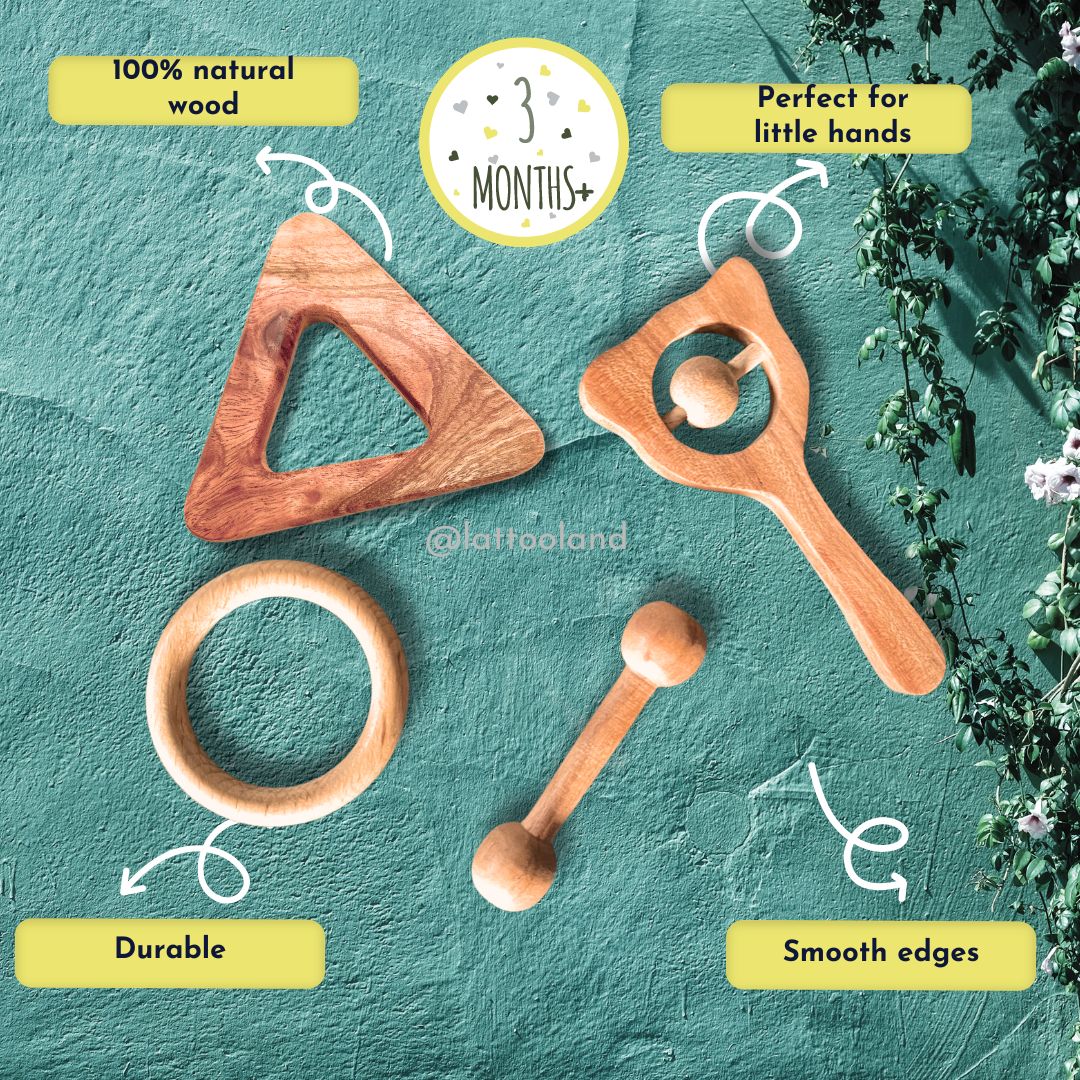
Wood can sometimes have splinters. These small wood pieces can hurt a baby’s mouth or skin. Rough edges on toys also cause scrapes or scratches. Good wood toys should be smooth and well-finished. Check toys often for any cracks or splinters. Avoid toys with sharp or rough parts.
Chemical Treatments And Finishes
Some wood toys use paint or varnish. These chemicals can be harmful if toxic. Babies put toys in their mouths, so non-toxic finishes matter. Look for toys with natural or food-grade finishes. Avoid toys with strong smells or peeling paint. Safe finishes protect babies from harmful chemicals.
Small Parts And Choking Hazards
Wood toys may have small parts or beads. These parts can come loose and cause choking. Babies explore by mouthing, so small pieces are risky. Choose toys without detachable small parts. Always supervise babies during play. Small parts increase the risk of choking accidents.
Choosing Safe Wood Toys For Teething
Choosing safe wood toys for teething is very important for your baby’s health. Babies chew on toys to soothe sore gums. Wood toys must be free from harmful chemicals and rough edges. Parents should pick toys that are both safe and gentle on delicate mouths.
Not all wood toys are made equally. Some have better safety standards and materials. Knowing what to check helps you make the best choice. This guide helps you find safe wood toys for teething babies.
Certifications And Safety Standards To Look For
Choose toys with clear safety certifications. Look for ASTM F963 and EN71 marks. These show the toy meets strict safety rules. Check for non-toxic and BPA-free labels. These mean the toy does not have harmful chemicals. Certified toys reduce risks of choking or poisoning.
Best Types Of Wood For Baby Toys
Hardwoods like maple, beech, and birch are great choices. They are strong and smooth with no splinters. Softwoods like pine may splinter easily and cause harm. Natural wood without cracks or rough spots is best. Solid wood toys last longer and are safer for chewing.
Avoiding Harmful Finishes And Paints
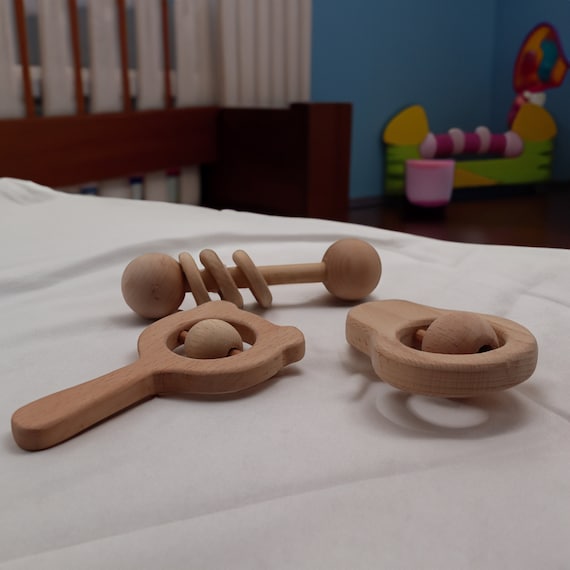
Never pick toys with toxic paints or finishes. Avoid toys with lead or heavy metals in paint. Look for toys finished with natural oils like beeswax or coconut oil. These finishes are safe if chewed on. Stay away from glossy or bright painted toys that may contain chemicals.
Credit: www.etsy.com
Maintaining And Cleaning Wood Toys
Wood toys for teething babies need special care. Keeping them clean and safe is very important. Dirt and germs can build up quickly. Proper cleaning and maintenance keep toys safe and long-lasting. Parents and caregivers should follow easy steps to care for wooden teething toys. This helps protect babies from germs and hazards.
Safe Cleaning Methods For Teething Toys
Use a soft cloth with warm water to wipe wooden toys. Avoid soaking wood in water. Water can cause the wood to swell and crack. Mild soap can be used if toys are very dirty. Rinse the soap off well with a damp cloth. Dry toys completely with a clean towel. Air drying in a warm place works best. Do not use harsh chemicals or bleach. These can harm babies and damage the wood.
Regular Inspection And Repair Tips
Check wooden toys often for cracks or splinters. Small breaks can cause sharp edges that hurt babies. Sand rough spots gently with fine sandpaper. Look for loose parts or peeling paint. Remove or fix damaged toys immediately. Tighten any loose screws or parts carefully. Keeping toys in good shape prevents accidents. Regular checks help maintain safe play for teething babies.
Expert Tips For Parents
Wood toys can be great for teething babies. They are natural and gentle on gums. Still, parents must be careful to keep playtime safe and fun. These expert tips help protect your baby while using wood toys.
Supervision While Baby Uses Toys
Always watch your baby during play. Babies can chew or bite hard. They might swallow small parts or splinters. Close supervision stops accidents and keeps toys safe.
Rotating Toys To Prevent Wear And Tear
Use a few toys at a time. Change them often to avoid damage. Worn toys can break or splinter easily. Rotating keeps toys fresh and safer for chewing.
When To Replace Wood Toys
Check toys regularly for cracks or chips. Replace toys with rough edges or splinters. Old toys can hurt your baby’s mouth. A smooth toy is always safer for teething.

Credit: www.amazon.com
Credit: www.lattooland.com
Frequently Asked Questions
Are Wood Toys Safe For Teething Babies?
Yes, wood toys are generally safe for teething babies. They are natural, durable, and free from harmful chemicals. Always choose toys made from untreated or non-toxic finished wood to ensure safety and avoid choking hazards.
What Makes Wood Toys Ideal For Teething?
Wood toys are ideal for teething because they are sturdy and non-toxic. They provide a firm surface to soothe gums and are less likely to break or splinter compared to plastic toys.
How To Clean Wood Toys For Teething Babies?
Clean wood toys with mild soap and warm water. Avoid soaking them to prevent wood damage. Dry thoroughly to maintain safety and hygiene for your teething baby.
Are Wood Toys Better Than Plastic For Teething?
Yes, wood toys are better than plastic for teething. They don’t contain harmful chemicals like BPA. Wood is eco-friendly, durable, and provides a natural texture that soothes baby gums effectively.
Conclusion
Wood toys often provide a safe option for teething babies. They are natural and usually free from harmful chemicals. Parents should check for smooth edges and non-toxic finishes. Cleaning wood toys regularly helps keep germs away. Choosing quality wood toys supports healthy teeth and gums.
Always supervise babies during playtime to avoid risks. Wood toys can offer comfort and fun at the same time. Simple, sturdy, and safe—wood toys can be a great choice.
