

Have you ever wondered if giving your child fewer toys might actually be better for them? It sounds simple, but the idea can change how your child plays, learns, and even thinks.
When you cut down on toys, you might see your child become more creative and focused. This isn’t just about tidying up—it’s about helping your child grow in a healthier, happier way. Keep reading to discover why less can truly be more for your child’s playtime and development.
Impact Of Toy Quantity On Play
Children’s play changes a lot depending on how many toys they have. Too many toys can confuse kids. They might not know what to play with first. Fewer toys help children focus and use their imagination more. The number of toys can shape how kids play and learn.
Effects Of Toy Overload
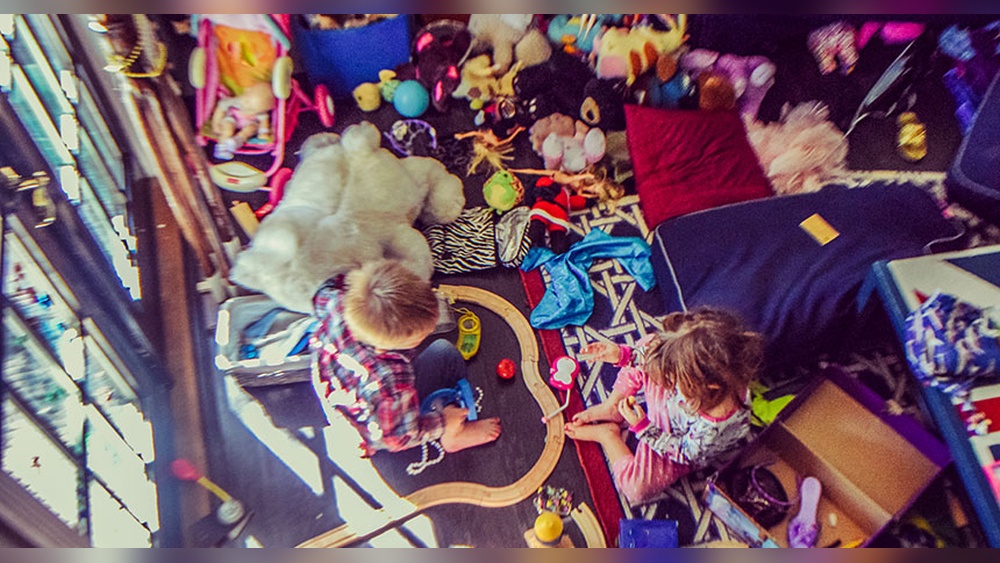
Having too many toys can make kids restless. They often jump from one toy to another without finishing play. This can stop deep thinking and creativity. Too many choices can also cause stress and distraction. Kids may lose interest quickly because toys feel less special.
Benefits Of Minimal Toys
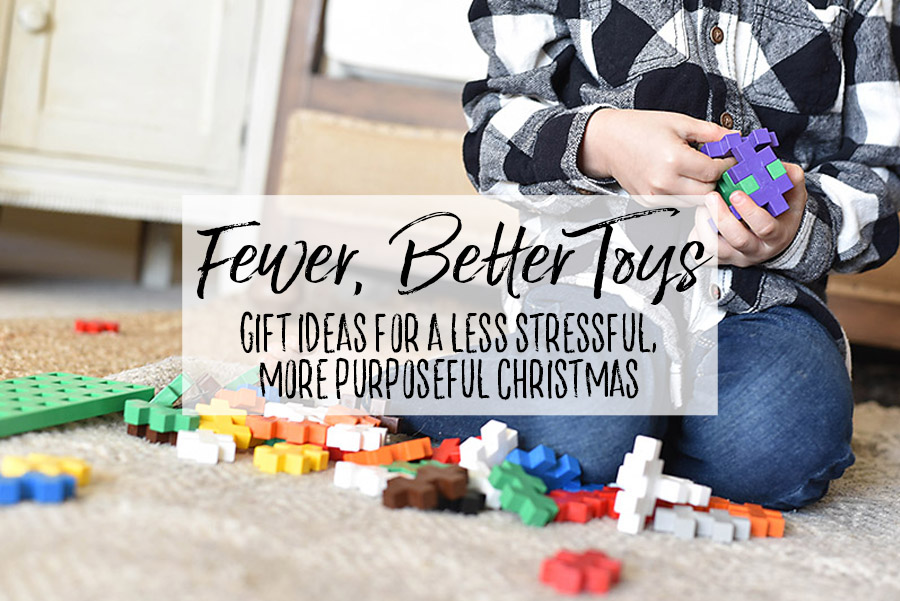
With fewer toys, kids learn to be creative. They use toys in many ways, not just one. This helps develop problem-solving skills. Minimal toys encourage longer, more focused play. Kids also learn to enjoy what they have and share better.
Credit: ourhandcraftedlife.com
Boosting Creativity Through Simplicity
Simplicity in toys can help children grow their creativity. When kids have fewer toys, they use their imagination more. They think of new ways to play and solve problems. Simple toys do not limit play. They invite kids to create their own stories and games. This kind of play helps children develop important skills. Skills like thinking, planning, and inventing.
Having many toys can sometimes distract children. They may focus on the toy itself, not on making up new ideas. Simple toys encourage kids to be original and use their minds. This boosts creativity in a natural and fun way.
Encouraging Imaginative Play
Toys with clear uses can limit imagination. Kids might only use the toy in one way. Less toys mean more chances to invent new games. Children can pretend simple blocks are cars, houses, or animals. Imaginative play helps kids express feelings and ideas. It also improves language and social skills. When children imagine, they learn to think beyond the obvious.
Open-ended Toys And Creativity
Open-ended toys have no fixed way to play. These toys can be anything the child wants. Examples include blocks, clay, and plain dolls. Such toys let children explore and experiment freely. They learn cause and effect by trying new things. Open-ended toys help kids build creativity step by step. They encourage problem-solving and flexible thinking. These toys grow with the child’s imagination and skill level.
Enhancing Focus With Fewer Distractions
Reducing the number of toys can help children focus better during play. Fewer distractions make it easier for kids to concentrate. A simple play area allows children to explore their creativity fully. They can enjoy each toy more deeply without feeling overwhelmed.
How Toy Clutter Affects Attention
Toy clutter can confuse children and scatter their attention. Too many toys at once lead to quick boredom and less engagement. Kids may jump from one toy to another without finishing any activity. This constant switching can hinder their ability to focus on tasks. Clutter also creates sensory overload, making it hard to process information. A crowded space can increase stress, reducing play quality.
Creating Focused Play Environments
Organizing a play area with fewer toys helps maintain attention. Select toys that encourage imagination and problem-solving skills. Rotate toys regularly to keep the environment fresh and exciting. Keep the play space tidy to avoid distractions. Clear areas invite children to engage more deeply with their play. A calm space supports longer and more meaningful play sessions.
Credit: toys4less.com
Emotional And Cognitive Development
Emotional and cognitive development are key parts of a child’s growth. These skills help children understand their feelings and think clearly. Fewer toys often mean children focus more deeply. This focus helps their brains develop better. It also supports strong emotional health.
Building Problem-solving Skills
With fewer toys, children learn to use what they have in new ways. This encourages creativity and thinking. They figure out how to make a toy work or create a new game. Such activities boost problem-solving skills. Kids learn to think through challenges and find solutions. These skills are important for school and daily life.
Fostering Independence
Having fewer toys helps children play on their own. They do not wait for adults to direct them. Instead, they make their own choices and decisions. This builds confidence and independence. Kids learn to enjoy their own ideas. Independent play also helps children manage emotions and focus better.
Tips For Choosing Toys Wisely
Choosing the right toys helps children learn and play better. It also keeps their space neat and safe. Smart choices mean buying toys that last long and fit a child’s needs. Focus on what helps a child grow and enjoy playtime.
Here are some tips for picking toys wisely. These ideas guide parents and caregivers to make good toy decisions.
Quality Over Quantity
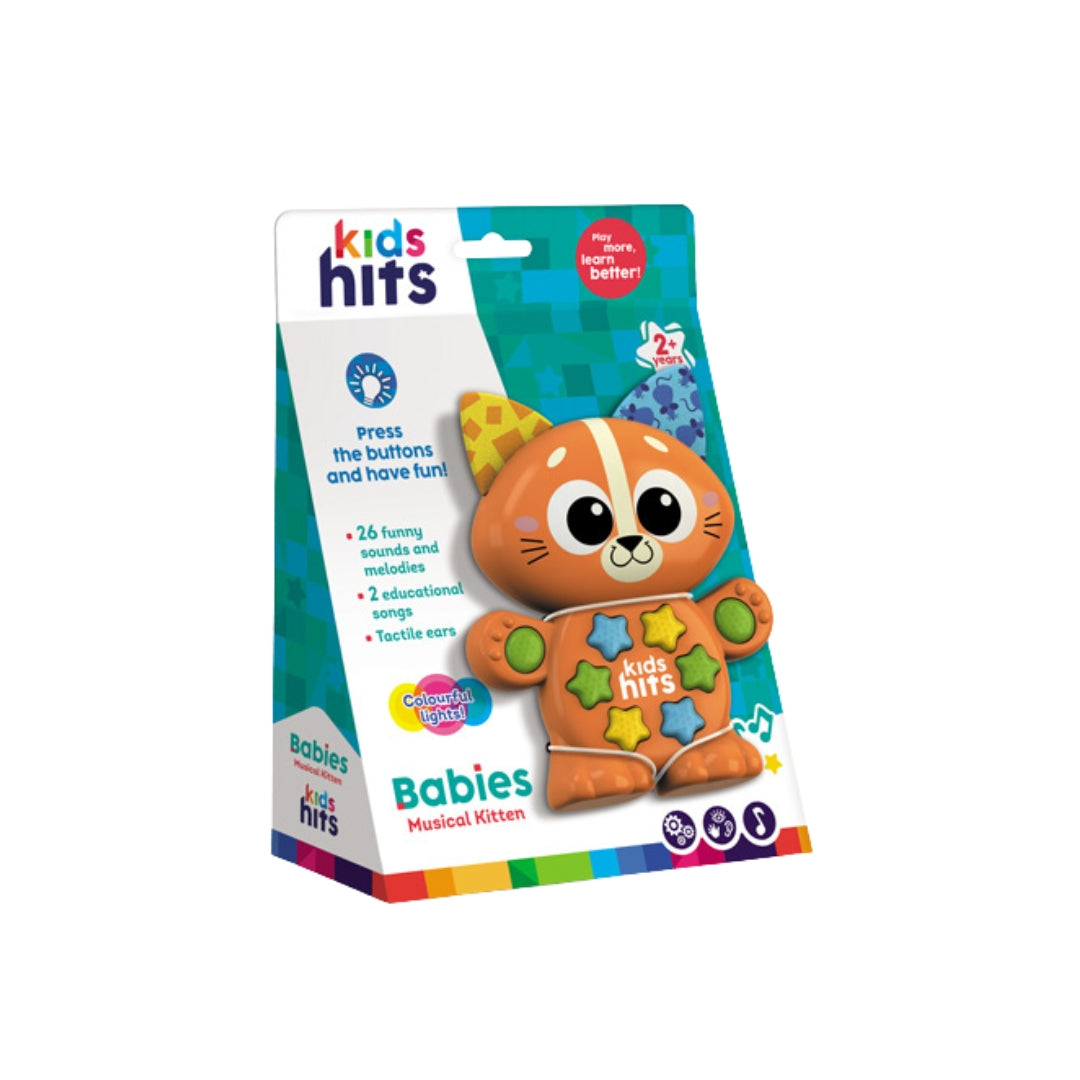
Pick toys that last long and stay safe. Durable toys save money and reduce waste. Toys made with strong materials can handle rough play. Simple toys often encourage more creativity. Kids enjoy toys that work well and feel good in their hands.
Age-appropriate Selection
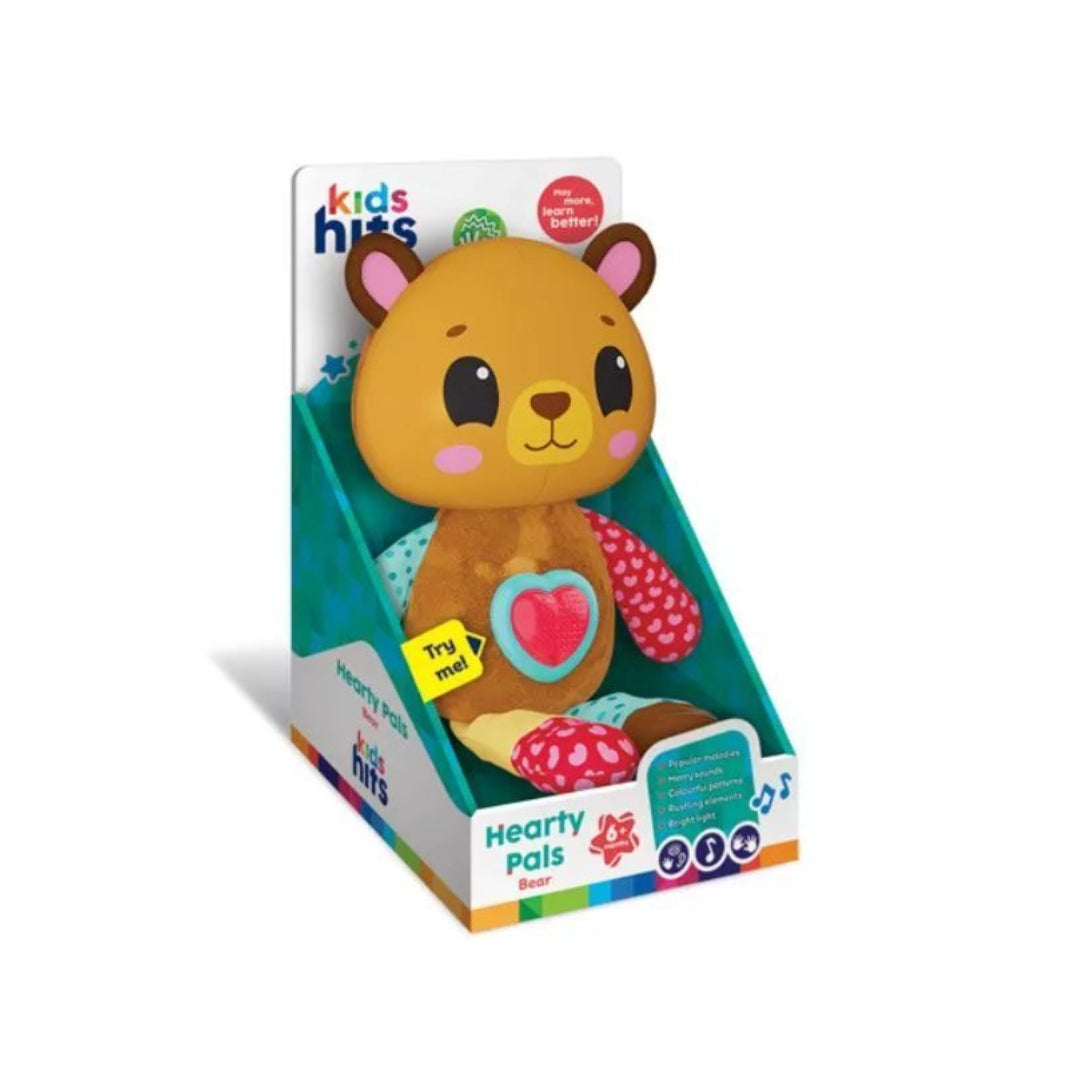
Choose toys made for a child’s age group. Age-appropriate toys match a child’s skills and interests. Too simple toys can bore a child quickly. Toys that are too hard may cause frustration. Safe toys prevent accidents and keep playtime fun.
Credit: toys4less.com
Parental Role In Toy Management
Parents play a key role in managing their children’s toys. They help create a balanced environment for play and learning. Good toy management can reduce clutter and encourage creativity. It also teaches kids about organization and decision-making. Parents guide children in choosing and using toys wisely. This guidance shapes healthy habits and thoughtful playtime.
Setting Limits And Boundaries
Parents should set clear limits on the number of toys at home. Too many toys can overwhelm children and reduce focus. Limits teach kids to appreciate what they have. Boundaries help keep play areas tidy and safe. Setting rules about toy usage promotes respect and responsibility. It also encourages children to care for their belongings.
Involving Kids In Toy Selection
Letting children help choose toys gives them a sense of control. It teaches them to make thoughtful choices. Parents can discuss the value and purpose of each toy. This process helps kids learn about quality over quantity. Involvement in selection encourages gratitude and mindful play. It also reduces impulse buying and clutter buildup.
Frequently Asked Questions
Why Are Fewer Toys Better For Kids?
Fewer toys reduce clutter and distractions, helping kids focus better. It encourages creativity and problem-solving through imaginative play. Kids learn to appreciate and engage more deeply with each toy they have, promoting cognitive and emotional growth.
How Do Fewer Toys Impact Child Development?
Having fewer toys promotes creativity and independent play. Children use their imagination more to create games and stories. It also improves attention span and reduces overstimulation, supporting better learning and emotional regulation.
Can Less Toys Improve Kids’ Social Skills?
Yes, fewer toys encourage sharing and cooperation during play. Kids learn to negotiate and communicate when toys are limited. This fosters stronger social interaction and teamwork skills among peers.
What Types Of Toys Are Best With Fewer Options?
Simple, open-ended toys like blocks, art supplies, and dolls are ideal. They allow multiple play possibilities and stimulate creativity. These toys support various developmental skills without overwhelming children.
Conclusion
Fewer toys can help children focus and use their imagination. Kids learn better with less distraction around them. Simple toys often last longer and encourage creativity. Parents save money and reduce clutter at home. Quality time and meaningful play become easier to enjoy.
Choosing fewer toys supports healthy growth and learning. It’s a small change with big benefits for kids. Try it and see how children respond. Less really can be more for young minds.
