

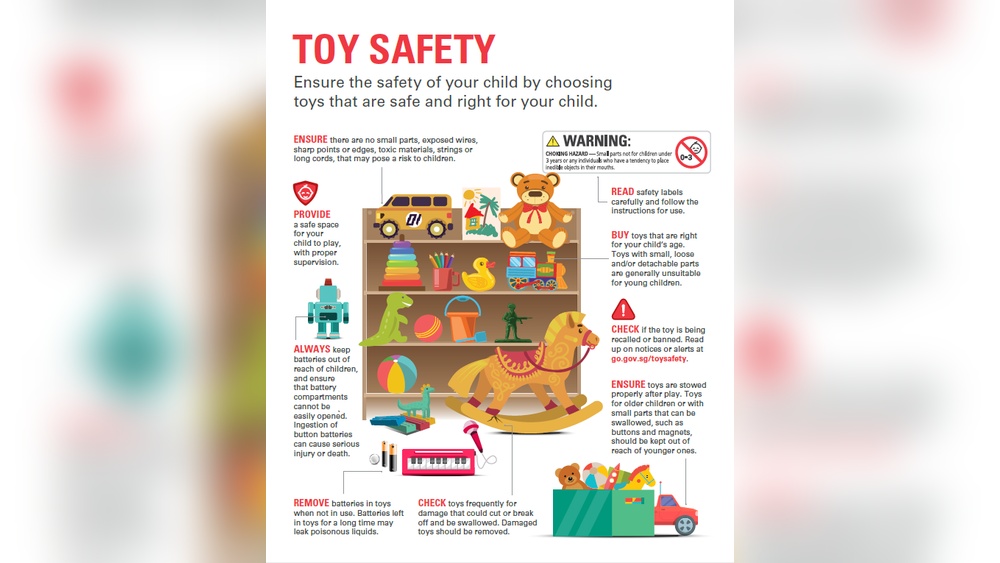
Have you ever stopped to think about how safe your child’s toys really are? Toys bring joy and fun, but they can also hide hidden dangers if damaged.
Knowing how often you should check your toys can protect your little ones from accidents and keep playtime worry-free. You’ll discover simple tips to spot damage early and keep your child’s favorite toys safe and sound. Keep reading—you won’t want to miss these easy steps that could save your child from harm.
Importance Of Regular Toy Checks
Regularly checking toys for damage is very important. Toys can break or wear out over time. Small cracks, loose parts, or sharp edges can appear without notice. These issues might cause accidents or injuries to children. A quick inspection can spot problems early. It keeps playtime safe and fun.
Damaged toys also lose their value. Broken toys may not work right or entertain children anymore. Checking toys often helps keep them in good shape. It saves money by avoiding early replacements. Parents and caregivers should make toy checks a habit.
Safety First
Safety is the main reason to check toys regularly. Broken pieces can be choking hazards. Sharp edges can cut skin. Loose buttons or small parts are dangerous for young kids. Checking toys stops these risks before they hurt anyone.
Extending Toy Life
Regular checks help toys last longer. Fixing small problems early prevents bigger damage. Clean and well-maintained toys stay fun for a long time. This means children enjoy their toys more and longer.
Teaching Responsibility
Checking toys teaches kids to care for their things. It encourages them to spot problems and ask for help. This habit builds responsibility and awareness. Kids learn to respect their belongings and keep them safe.
Signs Of Toy Damage
Checking toys for damage is important to keep children safe. Toys can get worn out or broken over time. Some signs of damage are easy to spot. Recognizing these signs helps prevent accidents and injuries. Regular checks protect your child’s playtime and health.
Cracks And Breaks
Look closely for any cracks or breaks in toys. Cracks can cause sharp points or parts to fall off. Broken toys may have small pieces that children can swallow. Always remove toys with cracks from play areas.
Loose Parts
Loose parts can come off and become choking hazards. Check buttons, wheels, and small decorations. Shake or move toys gently to find parts that wobble. Fix or discard toys with loose pieces to avoid risks.
Sharp Edges
Damaged toys may develop sharp edges or splinters. These edges can cut or scratch skin easily. Run your hands over the surface to feel for rough spots. Smooth or throw away toys with sharp edges immediately.
Fading Or Wear
Fading colors or worn surfaces show toy aging. Worn toys may have weakened materials inside. Watch for peeling paint or fabric tears. Replace toys that look old or heavily used to keep play safe.
Recommended Inspection Frequency
Checking toys regularly helps keep children safe and happy. The right inspection frequency depends on your child’s age and how often they play with their toys. Frequent checks find damage early and prevent accidents.
Daily Checks For Young Children
Young children put toys in their mouths and use them roughly. Check for small parts that can break off. Look for sharp edges or loose pieces daily. Clean toys often to remove germs and dirt. Daily checks keep babies and toddlers safe.
Weekly Checks For Older Kids
Older kids play harder but less roughly. Inspect toys once a week for cracks or broken parts. Make sure batteries are secure and not leaking. Check wheels, strings, and moving parts for damage. Weekly checks catch problems before playtime.
Seasonal Deep Inspections
Every few months, do a deep inspection of all toys. Look closely for hidden damage or wear. Wash soft toys and check seams. Test electronic toys for proper function. Seasonal checks refresh your child’s toy safety and quality.

Credit: www.walmart.com
Safe Cleaning Practices
Safe cleaning practices keep toys free from germs and damage. Regular cleaning helps protect children’s health. It also extends the life of toys. Using the right methods prevents harm to toy materials. Follow simple steps for safe and effective cleaning.
Non-toxic Cleaning Agents
Choose cleaners that are safe and gentle. Avoid harsh chemicals that can harm children. Use mild soap and warm water for most toys. Vinegar diluted with water is a natural option. Never use bleach or strong solvents on toys. Always check labels to ensure safety.
Cleaning Soft And Hard Toys
Soft toys can often be washed in a machine. Use a gentle cycle and mild detergent. For hand washing, soak and rub gently. Hard toys can be wiped with a damp cloth. Use a soft brush for crevices and small parts. Avoid soaking electronic toys to prevent damage.
Drying And Storage Tips
Dry toys thoroughly to stop mold and bacteria. Soft toys should air dry in a sunny spot. Hard toys can be dried with a clean towel. Store toys in a dry, cool place away from dirt. Keep toys off the floor to avoid damage. Proper drying and storage keep toys safe longer.
When To Repair Or Discard Toys
Toys bring joy but can wear out or break. Knowing when to fix or toss them keeps kids safe. Regular checks help spot damage early. Some toys can be easily repaired, saving money and memories. Others may be unsafe and need to go.
Repairing Minor Damages
Small cracks or loose parts can often be fixed. Use glue made for toys or strong tape. Replace missing buttons or wheels if possible. Tighten screws and check batteries. Clean toys well before repair. This keeps toys safe and fun for longer.
Identifying Irreparable Toys
Look for sharp edges or broken pieces. Toys with exposed wires or torn fabric should go. If parts are missing and cannot be replaced, discard the toy. Broken electronic toys that do not work well are unsafe. Check if repair costs are higher than buying new. Safety is the top priority.
Safe Disposal Methods
Recycle plastic or metal toy parts when possible. Throw away broken pieces that can hurt children. Remove batteries before discarding electronic toys. Donate toys that are clean and safe but no longer used. Proper disposal keeps homes and the environment safe.

Credit: www.bozemansymphony.org
Involving Children In Toy Safety
Involving children in toy safety helps them learn responsibility. It makes them aware of risks in a gentle way. Kids feel proud when they help keep their toys safe. Teaching safety early builds good habits for the future.
Teaching Kids To Spot Damage
Show children how to check toys for cracks or loose parts. Explain why sharp edges can hurt them. Use simple words and examples they understand. Make it a fun activity to hold their attention. Practice this routine often so it becomes natural.
Encouraging Reporting Issues
Tell kids to tell an adult if a toy looks broken. Praise them for speaking up about problems. Create a safe space where they feel comfortable sharing. Remind them that reporting keeps everyone safe. This habit helps catch dangers before accidents happen.
Additional Safety Tips
Checking toys for damage is only part of keeping children safe. Extra care is needed to prevent accidents. Simple safety steps help protect kids during playtime.
These tips make sure toys stay fun and safe. They reduce risks like choking or injury. Parents and caregivers should use these easy safety ideas.
Age-appropriate Toy Selection
Choose toys that match a child’s age. Labels often show the right age group. Toys too advanced can cause harm. Toys too simple may not interest the child. Age-appropriate toys keep play safe and fun.
Avoiding Choking Hazards
Small parts can block a child’s throat. Always check toy pieces for size. Avoid toys with tiny, loose parts for young children. Teach kids not to put toys in their mouths. This lowers the risk of choking accidents.
Storing Toys Safely
Keep toys in a clean, dry place. Use bins or shelves to organize toys. Avoid piles where toys can break or cause falls. Store sharp or heavy toys out of reach. Safe storage helps prevent damage and injuries.
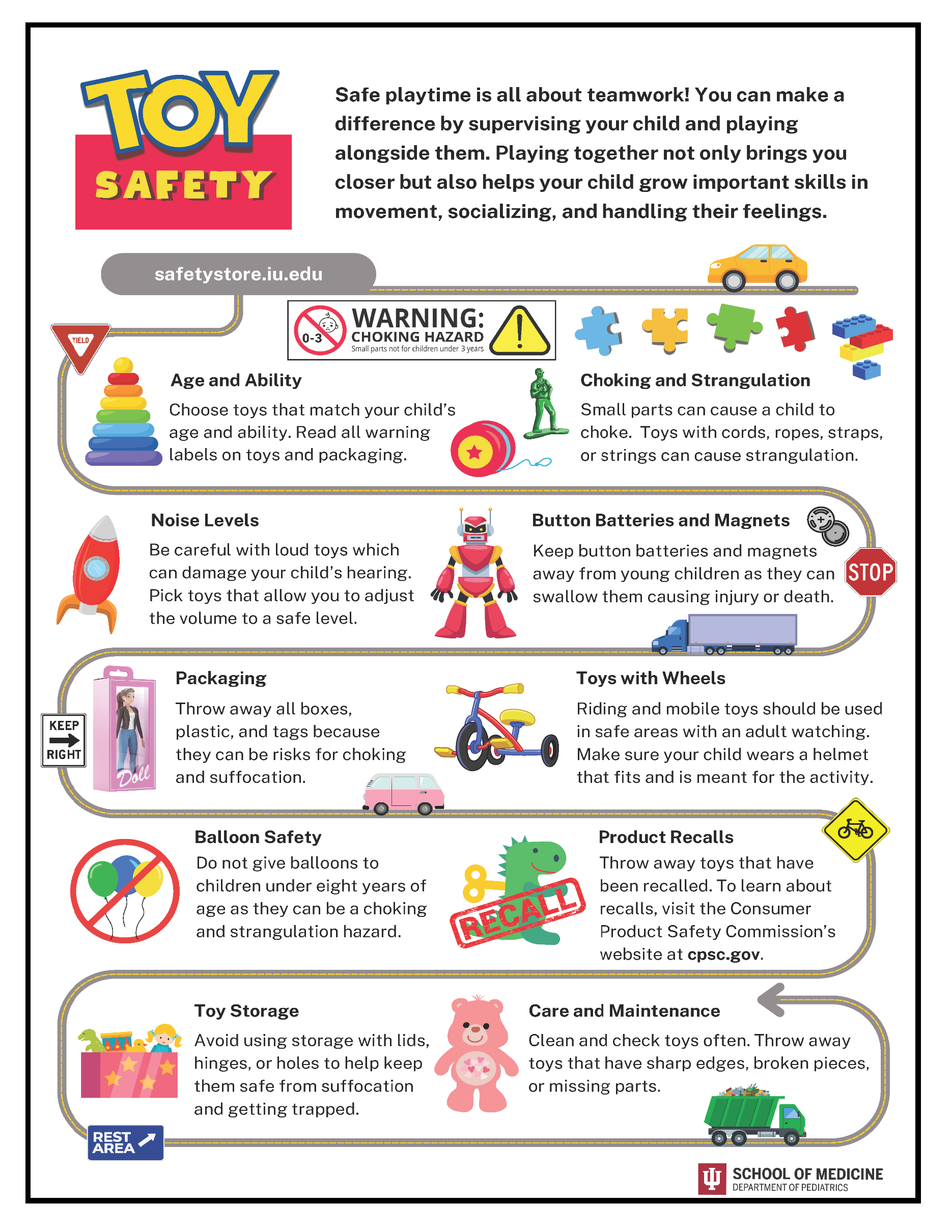
Credit: safetystore.iu.edu
Frequently Asked Questions
How Often Should Children’s Toys Be Inspected?
Toys should be checked weekly for damage, especially if used daily. Regular inspections ensure safety and prevent injuries from broken parts or sharp edges.
What Signs Indicate A Toy Is Unsafe?
Look for cracks, loose parts, sharp edges, or broken pieces. Any damage can pose choking hazards or cause cuts, making the toy unsafe for children.
Why Is Frequent Toy Inspection Important?
Frequent checks prevent accidents by identifying hazards early. This protects children from injuries and maintains the toy’s functionality and cleanliness.
Should Electronic Toys Be Checked Differently?
Yes, electronic toys require additional checks for battery leaks and loose wires. Inspect them monthly to ensure electrical safety and proper operation.
Conclusion
Checking toys for damage keeps children safe and happy. Small breaks or sharp edges can cause harm. Regular inspections help spot problems early. Toys used often need checks at least once a month. New toys should be checked before use.
Fix or throw away broken toys right away. Safe toys last longer and provide better fun. Remember, a quick check can prevent accidents. Keep playtime safe and enjoyable with simple toy checks.
