


Have you ever watched your toddler dump an entire box of toys onto the floor and wondered, “Why do they do that?” It might seem messy or frustrating, but there’s actually a lot going on in your child’s mind when they empty those containers. Understanding why your little one loves this activity can help you see their world in a new way—and even turn these moments into opportunities for learning and bonding.
Keep reading to discover the surprising reasons behind this common behavior and how you can respond in ways that support your toddler’s growth.
Curiosity Drives Exploration
Toddlers have a strong need to explore their world. Curiosity drives them to learn by touching and seeing. Dumping toys out of containers is a way they discover how things work. This behavior is natural and helps them grow in many ways.
Sensory Experiences
Toddlers use their senses to explore. They feel the shapes and textures of toys. Hearing the noise when toys fall is interesting to them. Watching how toys move and scatter creates excitement. These sensory experiences help toddlers understand their environment better.
Cause And Effect Learning
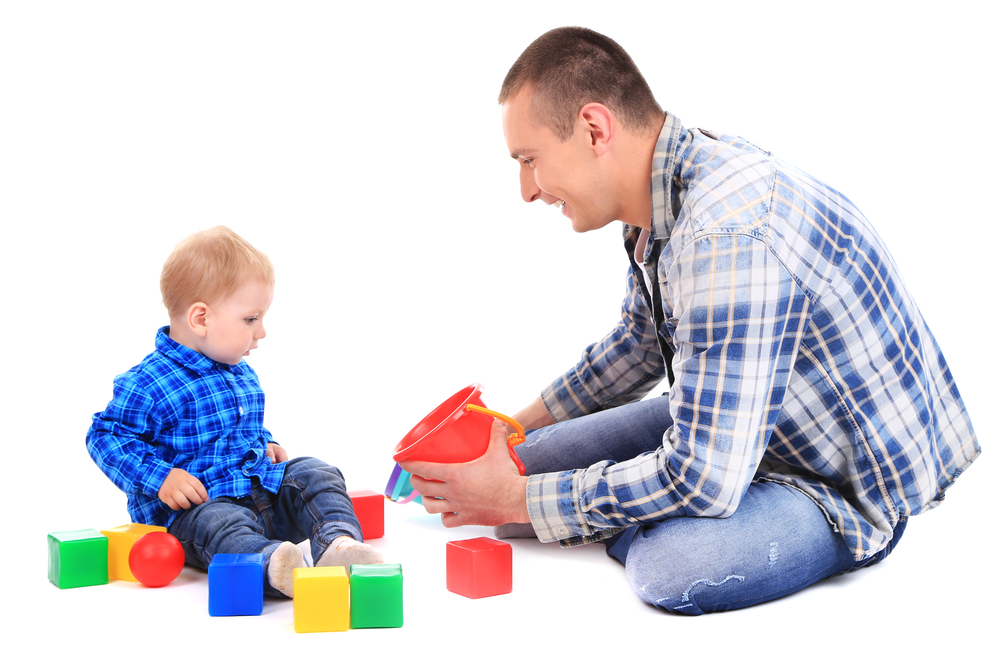
Dumping toys teaches toddlers about cause and effect. They see that emptying the container makes toys fall out. This shows them their actions have results. Repeating this helps them predict what will happen next. It builds their thinking and problem-solving skills.
Credit: babysparks.com
Developing Motor Skills
Toddlers often dump toys from containers as part of learning to control their hands and fingers. This action helps them practice and improve important motor skills. These skills are essential for daily tasks like eating, dressing, and writing. Exploring toys by dumping them out is a natural way for toddlers to strengthen their muscles and coordination.
Fine Motor Practice
Fine motor skills involve small movements using the fingers and hands. Toddlers develop these skills by grasping, holding, and releasing toys. Dumping toys from containers gives them a chance to practice these actions repeatedly. Each time they open a lid or tip a box, they improve finger strength and control. These movements prepare toddlers for more complex tasks later.
Hand-eye Coordination
Hand-eye coordination is the ability to use vision and hand movements together. Toddlers improve this by watching their hands as they move toys. Taking toys out of containers requires careful timing and focus. This activity helps toddlers learn how to guide their hands based on what they see. Better coordination supports skills like stacking blocks and drawing.
Seeking Control And Independence
Toddlers often dump toys from containers to feel more in control. This action helps them express their growing independence. They want to make choices and see the effects of those choices. It is a simple way for them to explore their power in the world around them.
Decision Making
Toddlers enjoy deciding what to do with their toys. Taking toys out of containers is a clear choice they make themselves. It gives them a sense of control over their playtime. This decision-making builds their confidence and helps them learn about cause and effect.
Mastering Environment
Dumping toys helps toddlers understand their space better. They learn how objects move and fit in different places. This act lets them practice organizing and reorganizing their environment. It helps them feel more capable and independent in their daily life.
Communication Through Actions
Toddlers often use actions to share their thoughts and feelings. They do not always have the words to explain what they want or feel. Dumping toys out of containers is one way they communicate. These actions tell parents or caregivers something important. Understanding this helps adults respond better to toddlers’ needs.
Expressing Needs And Emotions
Toddlers dump toys to show how they feel inside. They may feel happy, curious, or frustrated. Sometimes, they want to explore and learn by emptying containers. Other times, they feel upset and use this action to express it. It is their way of saying, “I need help” or “I want attention.”
Gaining Attention
Young children want adults to notice them. Dumping toys is a way to get that attention fast. They know this action causes a reaction from adults. It might be a smile, a word, or a hug. This helps toddlers feel seen and heard. It also starts a simple conversation without words.
Cognitive Growth And Problem Solving
Toddlers learn a lot by playing with toys and exploring their surroundings. Dumping toys out of containers is not just a mess. It is a sign of their growing brain and problem-solving skills. This behavior helps toddlers understand how objects work and how they can control them.
Understanding Object Permanence
Young children start to learn that objects still exist even when hidden. Dumping toys out of containers helps them see this clearly. They watch toys disappear inside and then reappear outside. This process teaches them that things do not vanish forever. It builds an important brain skill called object permanence. This skill is key for memory and thinking.
Experimenting With Organization
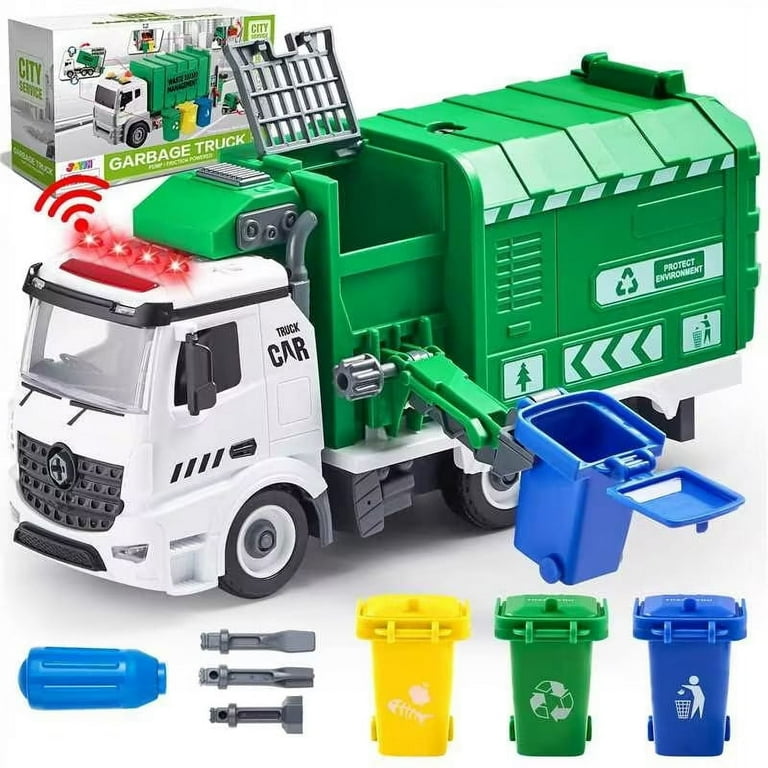
Toddlers try to put toys back in containers after dumping them out. They test different ways to organize toys. This simple act is a form of problem solving. They learn about sizes, shapes, and how things fit together. Sorting toys by type or color starts here. These early efforts prepare them for more complex tasks later in life.
Credit: www.walmart.com
Tips To Channel The Behavior
Channeling toddlers’ habit of dumping toys out can turn mess into fun learning. This behavior shows curiosity and desire to explore. Parents can guide this energy positively with some simple steps. These tips help toddlers enjoy playtime and learn organization skills early.
Providing Suitable Containers
Choose containers that are easy to open and close. Lightweight bins or baskets work well for little hands. Clear containers help toddlers see what’s inside. Bright colors can make clean-up more inviting. Avoid lids that are hard to remove or snap shut tightly. Let toddlers pick their favorite containers. This gives them a sense of control and interest.
Encouraging Clean-up Routines
Make clean-up a regular part of playtime. Use short, clear instructions like “Put blocks in the box.” Sing a clean-up song or count toys as you store them. Praise toddlers for helping, even if it’s small. Turn clean-up into a game to keep it fun. Consistency helps toddlers understand expectations and build habits.

Credit: themontessoriroom.com
Frequently Asked Questions
Why Do Toddlers Love Dumping Toys Out?
Toddlers dump toys to explore cause and effect. This action helps develop their motor skills and curiosity. It also gives them a sense of control and discovery, which is crucial for their cognitive growth.
How Does Dumping Toys Aid Toddler Development?
Dumping toys improves hand-eye coordination and fine motor skills. It encourages problem-solving and spatial awareness. This activity also supports sensory exploration, helping toddlers learn about textures, shapes, and sizes in a fun way.
Is Dumping Toys A Sign Of Toddler Boredom?
Not always. Dumping toys is often a natural exploration method. Toddlers use it to understand their environment. However, it can also indicate a need for more engaging activities or variety in play.
How Can Parents Manage Toy Dumping Behavior?
Parents can provide organized play areas and limit toy quantity. Offering storage bins at toddler height encourages tidying up. Engaging toddlers in clean-up routines teaches responsibility and reduces mess over time.
Conclusion
Toddlers dump toys to explore and learn about their world. This behavior helps them understand space, cause, and effect. It also improves their motor skills and hand-eye coordination. Parents can guide this curiosity with patience and safe play areas. Accepting this habit makes playtime less stressful and more fun.
Remember, this phase is normal and will pass with time. Encouraging safe exploration supports your child’s growth every day.
