

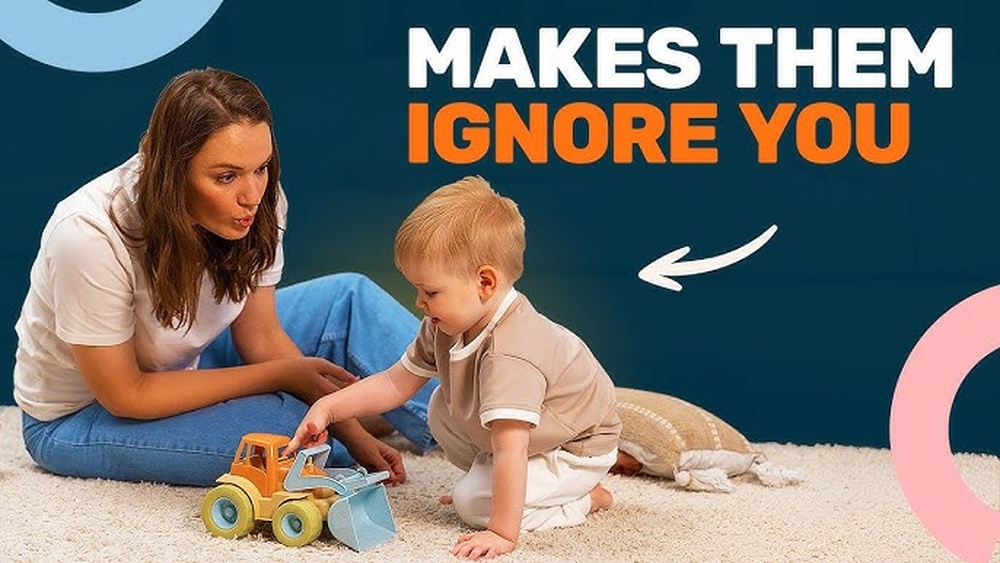
Have you ever noticed your toddler completely ignore a brand-new toy you just bought? It can be confusing and even a little frustrating.
You might wonder why your child seems uninterested, even when the toy looks fun and exciting. The truth is, there are simple reasons behind this behavior that many parents don’t realize. Understanding why your toddler ignores new toys can help you choose better playthings and enjoy those special moments of discovery together.
Keep reading to uncover the surprising reasons and learn how to spark your little one’s curiosity every time.
Toddlers’ Toy Preferences
Toddlers often show strong preferences for certain toys. Their choices reveal comfort and familiarity. New toys may not attract their attention right away. Understanding why helps parents and caregivers support healthy play habits.
Children at this age explore the world through play. Familiar toys provide a safe space to learn and grow. This preference can explain why new toys are sometimes ignored.
Familiarity Over Novelty
Toddlers like toys they know well. Familiar toys feel safe and easy to use. New toys can seem confusing or strange. This makes toddlers shy away from trying them. They prefer what they understand and enjoy.
Repetition helps toddlers learn skills. Playing with the same toy builds confidence. New toys may need time before toddlers feel ready to play with them.
Attachment To Favorite Toys
Toddlers form strong bonds with favorite toys. These toys offer comfort and security. They often carry or sleep with them. This attachment helps toddlers feel calm and happy.
New toys do not have this emotional connection yet. Toddlers may ignore them until they feel safe. Over time, some new toys become favorites too.
Credit: www.megfoundationforpain.org
Developmental Stages And Play
Toddlers explore the world through play. Their interest in toys changes with their development. Understanding their stages helps explain why new toys may be ignored. Play is not just fun; it supports learning and growth.
Each stage has unique ways toddlers focus and interact with objects. Knowing these can guide parents and caregivers in choosing the right toys.
Cognitive Focus During Toddlerhood
Toddlers focus on simple ideas and cause-effect relationships. They like toys that show clear results, like buttons that make sounds. Complex toys with many parts can confuse them. Their attention span is short. Toddlers often return to familiar toys for comfort and learning.
Sensory Exploration Limits
Toddlers explore with their senses: touch, sight, and sound. New toys may feel strange or overwhelming. Some textures or noises can scare them. They prefer toys they can safely handle and understand. Sensory limits make toddlers choose toys that match their comfort level.
Emotional Factors
Toddlers often ignore new toys due to strong emotional reasons. Their feelings guide their choices more than the toy itself. Understanding these emotional factors helps explain their behavior.
Comfort And Security Needs
Toddlers find comfort in familiar objects. New toys might feel strange or unsafe. They prefer toys that remind them of home or family. This need for security can make them avoid new items. Toddlers want to feel safe and calm.
Overstimulation And Anxiety
New toys can bring too many sights and sounds. This can overwhelm a toddler’s senses. Overstimulation may cause anxiety or stress. Toddlers might ignore new toys to protect themselves. They look for quiet and simple play instead.

Credit: www.ebay.com
Environmental Influences
Environmental factors play a big role in why toddlers may ignore new toys. Their surroundings shape how they react to new things. A calm, supportive environment helps toddlers feel safe and curious. Noise, distractions, or too many toys can make them overwhelmed and uninterested. Understanding these influences can help parents and caregivers create better play moments.
Parental Interaction And Encouragement
Parents have a strong impact on a toddler’s interest in new toys. Showing excitement and playing together encourages toddlers to explore. Talking about the toy, naming its parts, and using it with the child invites curiosity. Toddlers often follow their parents’ lead. Without interaction, a new toy might seem boring or confusing.
Setting And Timing Of Play
The place and time of play affect how toddlers react to toys. A quiet, familiar spot helps toddlers focus better. Playing right after a nap or meal works well. Tired or hungry toddlers avoid new toys. Too many toys at once can distract them. Offering one new toy at a time keeps attention strong.
Toy Characteristics Impacting Interest
Toddlers often ignore new toys because of certain toy features. These features affect how much a child likes or dislikes a toy. Understanding these can help parents choose toys that hold a toddler’s attention longer.
Some toys are too hard or too simple. Others might have colors or sounds that do not catch a child’s eye. The way a toy feels can also make a big difference.
Complexity And Usability
Toddlers prefer toys that match their skill level. Toys that are too hard can frustrate them. Toys that are too easy may bore them quickly. Simple buttons, levers, or shapes often work best. Toys should be easy to use and understand.
Colors, Sounds, And Textures
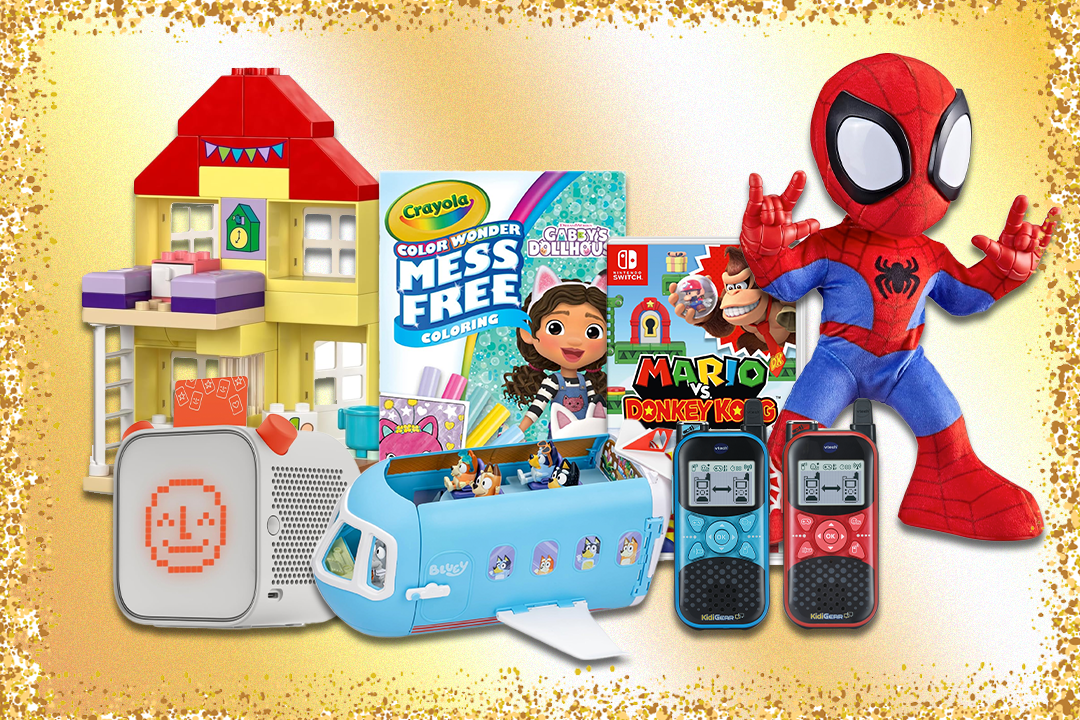
Bright colors attract toddlers’ attention. Toys with red, yellow, and blue stand out more. Sounds should be clear but not too loud. Gentle tunes or funny noises keep toddlers engaged. Soft and rough textures invite touch and exploration. A mix of textures helps develop sensory skills.
Credit: www.independent.co.uk
Strategies To Engage Toddlers With New Toys
Engaging toddlers with new toys can be challenging. Toddlers often ignore new toys because they feel unfamiliar or confusing. Using smart strategies helps children feel safe and curious about new playthings. These methods encourage exploration and fun with toys they have never seen before.
The key is to introduce toys in ways that match toddlers’ natural interests. Making playtime smooth and enjoyable helps children connect with new objects. Below are two effective strategies to bring new toys into your toddler’s world.
Introducing Toys Gradually
Start by showing the new toy slowly. Give toddlers time to look and touch without pressure. Let them explore the toy alongside familiar ones. This helps reduce fear or confusion about the new item. Short, calm play sessions work best to keep toddlers interested.
Avoid giving too many new toys at once. One or two new toys per week is enough. Watch your child’s reaction and adjust the pace. Gentle encouragement and praise help build positive feelings toward the toy.
Combining Old And New Playthings
Mix new toys with old favorites during playtime. Toddlers feel more secure when they have known toys nearby. This also shows how new toys can fit into their play habits. For example, a new car can join a familiar toy garage.
Use old toys to create stories or games that include the new ones. This sparks imagination and interest. The blend of old and new keeps playtime fresh and exciting. Toddlers learn faster when they connect new toys to what they already enjoy.
Frequently Asked Questions
Why Do Toddlers Avoid Playing With New Toys?
Toddlers often ignore new toys because they prefer familiar objects. New toys can seem overwhelming or unfamiliar, making toddlers hesitant to explore them at first. It takes time for toddlers to build interest and comfort with new playthings.
How Long Does It Take Toddlers To Like New Toys?
Toddlers typically take several days to weeks to warm up to new toys. Repeated exposure, gentle encouragement, and seeing others play with the toy help increase their interest and engagement over time.
Can Toddler Boredom Affect Toy Interest?
Yes, boredom can reduce a toddler’s interest in new toys. Toddlers may need a variety of toys and activities to stay engaged. Rotating toys regularly helps maintain their curiosity and excitement.
Does Toddler Development Impact Toy Preference?
Absolutely. Toddlers’ developmental stages influence their toy choices. As skills grow, they prefer toys matching their abilities, like stacking blocks or puzzles. Toys too advanced or too simple may be ignored.
Conclusion
Toddlers often ignore new toys because they feel unsure or need time. They prefer familiar items that bring comfort and joy. New toys might seem strange or too complex at first. Toddlers learn by exploring slowly and at their own pace.
Parents can help by playing together and showing how toys work. Patience is key during this phase of growth. Every child is different, so give them space and time. This way, toddlers will enjoy toys when they are ready. Simple steps make playtime fun and stress-free for everyone.
