

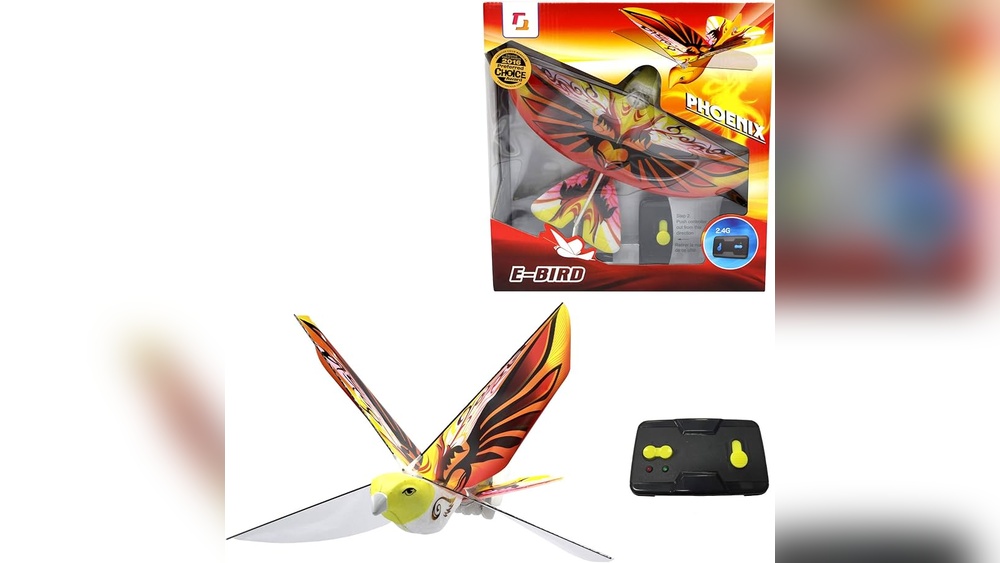
Have you ever noticed how your child lights up when they get a toy they can control? Whether it’s a remote-controlled car or a doll that responds to their touch, kids seem to prefer toys that let them take charge.
But why is that? Understanding what draws your child to these toys can help you choose better playthings that boost their confidence and creativity. Keep reading to discover the surprising reasons behind this preference—and how it can make playtime more meaningful for your little one.
Toys And Kid’s Autonomy
Toys play a big role in a child’s growth. They offer more than just fun. Toys help kids feel independent. This feeling is called autonomy. Kids like toys they can control. These toys let them make choices. Control over toys helps children learn and grow. It supports their natural need to explore and decide on their own.
Sense Of Control
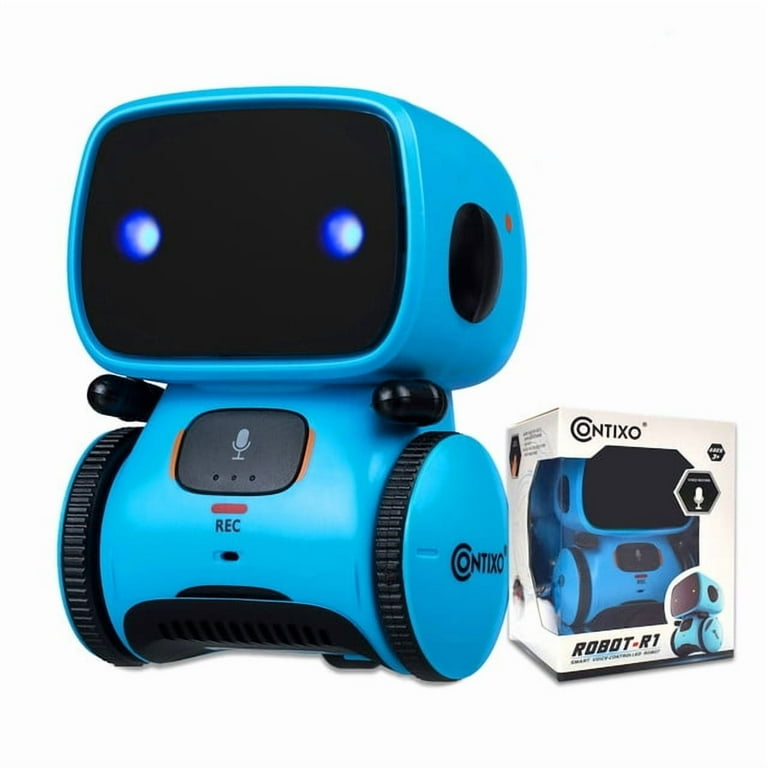
Kids enjoy toys they can control. Control gives them power over their play. They decide how the toy moves or reacts. This choice makes playtime exciting and personal. Toys that respond to a child’s actions teach cause and effect. Children learn their actions have results. This understanding builds a strong sense of control. It helps kids feel capable and involved.
Building Confidence
Control over toys also builds confidence. Kids feel proud when they manage a toy well. Success in play boosts their self-esteem. Confident kids try new things more easily. Playing with controllable toys encourages problem-solving skills. It also helps children trust their decisions. Confidence gained during play can spread to other parts of life.
Credit: www.walmart.com
Creativity Through Play
Creativity through play is a key reason kids like toys they can control. Toys that respond to their actions let children explore new ideas. They can create stories and worlds from their imagination. Play becomes a space for discovery and learning.
Control over toys helps children feel confident. They try different ways to use the toy. This freedom boosts their creative thinking and makes playtime more fun. Kids learn to express themselves through their choices and actions.
Imaginative Scenarios
Kids use toys they control to build imaginative scenarios. They create characters, places, and events that reflect their thoughts. These scenarios help children practice storytelling and role-playing. They learn to think beyond the real world. This kind of play grows creativity and language skills.
Problem Solving Skills
Controlling toys challenges kids to solve problems. They figure out how things work and what happens next. This process encourages critical thinking and decision-making. Kids learn to test ideas and find solutions. Problem solving through play prepares them for real-life challenges.
Interactive Features Kids Love
Interactive features make toys more fun and exciting for kids. They enjoy toys that respond to their actions. These toys give children a sense of control and creativity. Interactive elements keep kids engaged longer and help them learn cause and effect.
Simple controls like buttons and levers catch kids’ attention fast. Remote controls add a new level of play by letting kids guide the toy from a distance. These features make toys feel alive and responsive.
Buttons And Levers
Buttons and levers are easy for kids to use. Pressing a button might make a toy light up or play sounds. Pulling a lever can move parts or trigger an action. These simple controls help kids explore how things work.
Kids love pressing buttons because it gives instant feedback. Levers add a physical element that builds motor skills. These features encourage kids to experiment and try different actions.
Remote Controls
Remote controls let kids drive or steer their toys. This control feels powerful and fun. They can make cars go forward, backward, or turn. The remote creates a direct link between the child and the toy.
Using a remote control improves hand-eye coordination. It also helps kids practice patience and focus. Remote-controlled toys bring a new dimension to playtime and keep kids interested.
:max_bytes(150000):strip_icc()/_KingsDragon-RC-Robot-Toys-for-Kids-Gesture--Sensing-Programmable-Remote-Control-Smart-Robot-f-a7c126e5f8ab4ad2ba64d3803c352fa2.jpg)
Credit: arizonalanguagecenter.com
Benefits Beyond Fun
Toys that children can control offer more than just fun. They help kids learn and grow in many ways. These toys encourage children to think, solve problems, and express feelings. Playing with such toys builds important skills that last a lifetime.
Cognitive Development
Controlling toys helps children think clearly and plan ahead. They learn cause and effect by trying different actions. These toys improve memory and attention span. Kids also develop problem-solving skills while playing. This kind of play supports brain growth and sharp thinking.
Emotional Growth
Children feel proud when they control their toys. This boosts their confidence and self-esteem. Playing with controllable toys helps kids handle emotions better. They learn patience by trying again after mistakes. Such play also encourages creativity and imagination in children.
Choosing The Right Toys
Choosing the right toys helps children enjoy play and learn new skills. Toys that kids can control make playtime more fun and meaningful. Picking toys that fit their needs and interests supports their growth and creativity.
Age Appropriateness
Toys should match a child’s age and abilities. Young kids need simple toys with big parts to avoid choking hazards. Older children want toys that challenge their skills and imagination. Toys that are too hard or too easy can cause frustration or boredom. Age-appropriate toys keep kids interested and confident.
Encouraging Open-ended Play
Open-ended toys let children use their imagination freely. Blocks, art supplies, and dress-up clothes have no fixed way to play. Kids decide how to use them. This type of play helps develop problem-solving and creativity. Toys that can be controlled in different ways keep kids engaged longer.

Credit: www.amazon.com
Frequently Asked Questions
Why Do Kids Prefer Toys They Can Control?
Kids enjoy toys they control because it boosts their creativity and confidence. Control helps them explore cause and effect, making playtime more engaging and satisfying.
How Does Control Improve Kids’ Learning Through Toys?
Controlling toys helps kids develop problem-solving and motor skills. It encourages active participation, leading to better focus and deeper understanding of concepts.
What Types Of Toys Offer Kids The Best Control?
Toys like remote-controlled cars, building blocks, and interactive gadgets offer great control. These toys promote imagination, decision-making, and hands-on learning.
Can Controlled Toys Help Kids’ Emotional Development?
Yes, controlled toys aid emotional growth by fostering independence and self-expression. They help kids manage frustration and celebrate achievements, enhancing emotional resilience.
Conclusion
Kids enjoy toys they can control because it boosts their confidence. Controlling toys helps them learn cause and effect. It also encourages creativity and problem-solving skills. Toys that respond to kids’ actions keep their interest longer. This interaction makes playtime more fun and meaningful.
Parents should choose toys that let children explore and lead. Simple control brings big joy and learning to young minds. Giving kids this power supports growth in many ways. A child’s play is richer when they feel in charge.
