

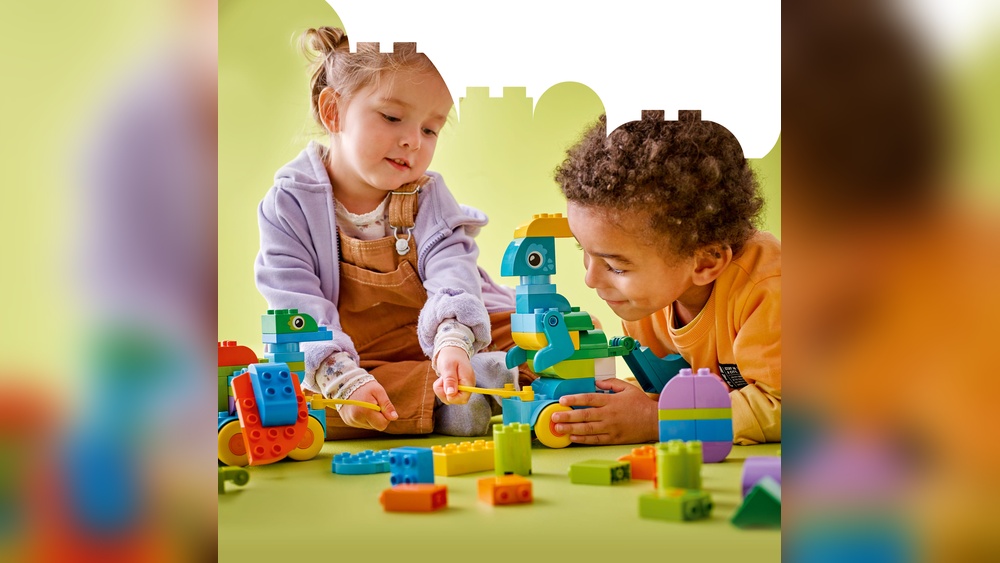
Have you ever noticed how your child’s eyes light up when they figure out a tricky puzzle or build something amazing with blocks? Toys do more than just entertain—they play a powerful role in boosting your child’s problem-solving skills.
When your little one interacts with the right toys, they learn to think critically, make decisions, and overcome challenges on their own. You’ll discover how toys can unlock your child’s potential and set them up for success in school and life.
Keep reading to find out which toys work best and how you can use playtime to strengthen your child’s brainpower.
Role Of Toys In Skill Building
Toys are more than just fun objects for kids. They help children learn important skills. Playing with toys encourages kids to think and solve problems.
Through play, children explore ideas and test solutions. Toys create chances to practice decision-making. This builds confidence and mental strength.
Types Of Toys That Enhance Problem Solving
Puzzle toys challenge kids to fit pieces together. Blocks and building sets let children create structures. These toys require planning and patience.
Strategy games teach kids to think ahead. Matching and sorting toys improve pattern recognition. Each type helps develop different problem-solving skills.
How Play Influences Cognitive Development
Play stimulates brain activity and growth. It helps children understand cause and effect. Problem-solving play improves memory and focus.
Kids learn to face challenges and try again. This builds persistence and creativity. Play shapes strong thinkers and learners.
Creative Thinking Through Play
Creative thinking helps children solve problems in new ways. Play is a natural path to creativity. It allows kids to explore ideas freely. Through play, children learn to think outside the box. This skill builds a strong foundation for problem solving.
Creative play encourages kids to imagine and invent. It gives them chances to test different solutions. Children gain confidence by trying many approaches. Play also helps them understand cause and effect. These experiences shape their thinking skills deeply.
Encouraging Imagination With Open-ended Toys
Open-ended toys have no set rules or limits. They invite children to use their imagination fully. These toys can be used in many ways. Kids can build, create, and change their play anytime. This freedom boosts creative thinking and problem solving.
Examples include blocks, art supplies, and dolls. Children make up stories and designs with these toys. They learn to plan and adjust ideas on the fly. Open-ended toys promote flexible thinking and patience. They support kids as they explore new ideas.
Examples Of Toys That Spark Creativity
Building blocks help children design and construct. They test balance and structure by stacking pieces. Art kits encourage drawing, painting, and crafting. These activities develop hand-eye coordination and expression. Puzzle sets challenge kids to find solutions.
Role-play toys let children act out different roles. This play enhances empathy and social skills. Musical instruments inspire sound exploration and rhythm. These toys combine fun with creative learning. Each toy type supports problem solving in unique ways.
Boosting Logical Reasoning
Logical reasoning helps children think clearly and solve problems step-by-step. Toys that challenge their minds can build this skill. Playing with certain toys encourages kids to think carefully and make smart decisions.
Puzzles And Strategy Games
Puzzles teach children to recognize patterns and fit pieces together. This practice helps their brain work logically. Strategy games require planning and thinking ahead. Kids learn to predict outcomes and choose the best moves. These toys make problem solving fun and active.
Building Sequential Thinking Skills
Some toys ask kids to follow steps in order. This builds sequential thinking, a key part of logic. Children learn to complete tasks one step at a time. Following instructions and sequences improves their focus and memory. These skills help in school and daily life.
Hands-on Learning Benefits
Hands-on learning plays a big role in how children develop problem-solving skills. Kids learn best by touching, moving, and exploring. Toys that encourage active play help children think and solve problems naturally. This type of learning builds a strong base for critical thinking.
Playing with physical objects forces kids to focus and figure things out. It helps them understand cause and effect. Hands-on activities also keep children engaged and curious. These moments of exploration are key for brain growth.
Manipulative Toys And Fine Motor Skills
Manipulative toys include blocks, puzzles, and building sets. These toys require kids to use their fingers and hands precisely. Handling small pieces sharpens fine motor skills.
Fine motor skills are essential for writing, drawing, and daily tasks. As children twist, turn, and fit pieces together, they improve hand-eye coordination. This practice supports their ability to solve problems by trial and error.
Experimentation And Trial-and-error
Toys that allow experimentation encourage children to try different approaches. Kids learn what works and what does not through trial and error. This process teaches patience and persistence.
Trial and error also build confidence. Children see that failure is part of learning. They start to think critically and make better decisions in the future. Toys that promote this kind of thinking support long-term problem-solving skills.
Social Skills And Collaboration
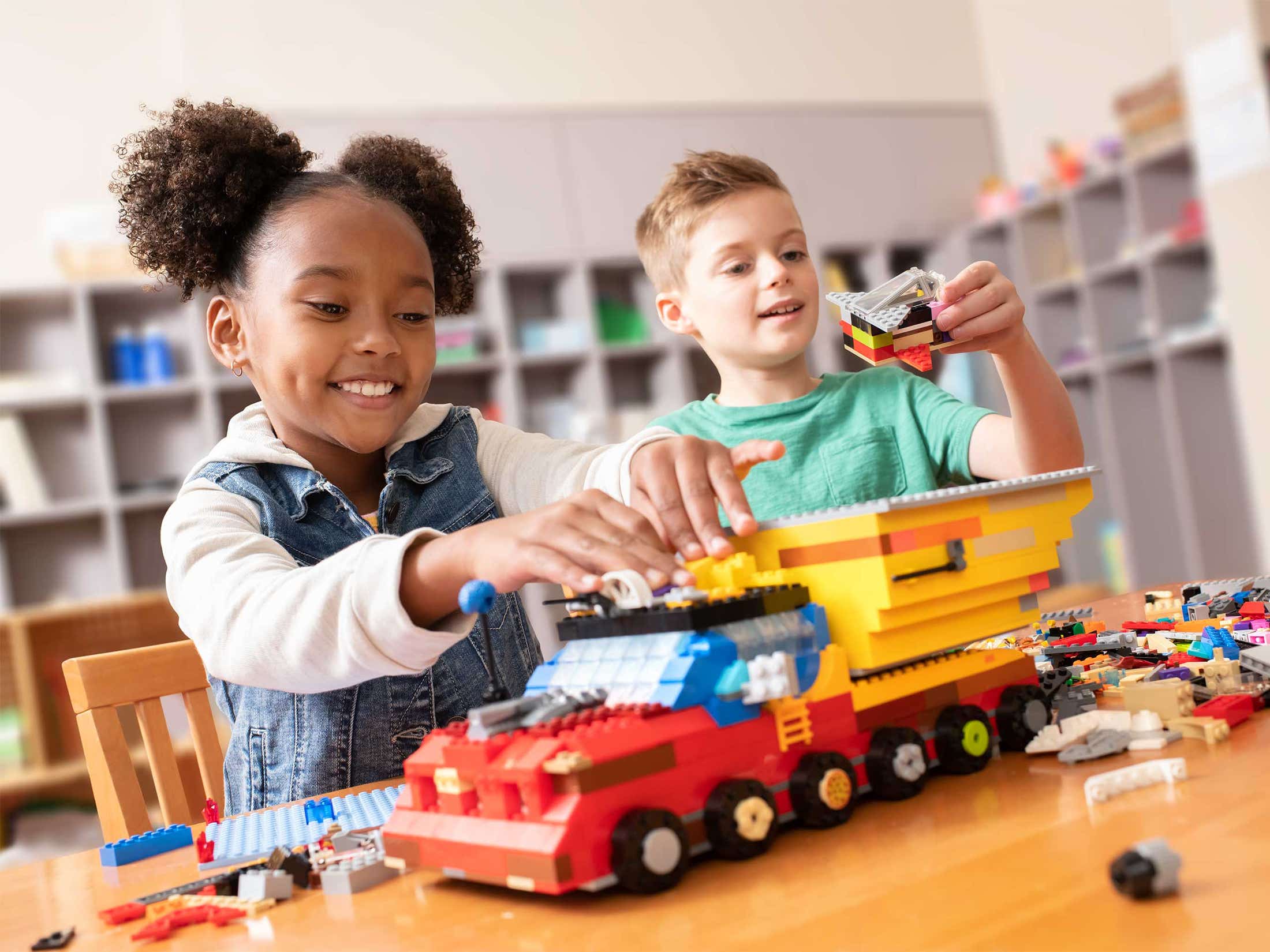
Social skills and collaboration are key parts of children’s growth. Playing with others helps kids learn to share ideas and listen. Toys that encourage group play teach children how to work together. These toys help build problem solving skills in a social setting. Kids practice talking, planning, and solving problems as a team.
Toys That Promote Teamwork
Toys like building blocks, puzzles, and board games bring kids together. These toys need cooperation to complete tasks. Children learn to communicate clearly to reach a common goal. Toys with shared goals make kids think about others’ ideas. This teamwork builds patience and respect for different opinions.
Problem Solving In Group Play
Group play creates natural challenges that kids must solve together. They learn to divide tasks and help each other. Kids figure out how to handle conflicts and find fair solutions. This practice improves their ability to think critically in social situations. Solving problems as a group strengthens friendships and social bonds.
Credit: www.lego.com
Selecting The Right Toys
Selecting the right toys plays a key role in helping children develop problem-solving skills. Toys should challenge kids without causing frustration. Finding this balance allows children to learn while having fun. Choosing toys thoughtfully supports brain growth and critical thinking.
Parents and caregivers must consider the child’s age, interests, and abilities. The right toy encourages exploration and creativity. It also helps kids think through problems and find solutions on their own. Proper toy selection sets the foundation for lifelong learning habits.
Age-appropriate Challenges
Choosing toys that match a child’s age is very important. Toys too easy do not encourage thinking. Toys too hard cause frustration and may stop play. Age-appropriate toys offer just the right level of challenge.
For toddlers, simple puzzles and blocks work well. Preschoolers enjoy sorting games and building sets. Older children benefit from strategy games and complex puzzles. Age-appropriate toys help kids build skills step by step.
Balancing Fun And Learning
Toys should be fun but also help children learn. If a toy is boring, kids lose interest quickly. If it is too educational, it may feel like work.
The best toys mix fun and learning naturally. They invite curiosity and experimentation. This balance keeps children engaged and eager to solve problems. Playtime becomes a chance to think and grow.
Parental Role In Play
Parents play a key role in supporting children’s problem-solving skills through play. Their involvement shapes how kids explore and learn from toys. The right balance of support helps children feel confident and motivated. Parents guide children to think and try by themselves. This process builds independence and sharp thinking.
Guiding Without Taking Over
Parents should offer hints, not full answers. Showing a child how to think encourages discovery. Asking questions like “What happens if you try this?” helps children explore options. Avoid solving problems too quickly. Let children make mistakes and find solutions. This teaches them to solve problems on their own. Guidance means being near and ready to help, not doing the work.
Encouraging Persistence And Patience
Problem-solving takes time and effort. Parents can praise effort, not just success. Saying “Keep trying, you are close” motivates children to continue. Waiting calmly during play teaches patience. Children learn to handle frustration and keep working. Encouraging persistence builds strong problem-solving habits. Patience and practice together improve skills over time.
Credit: elearninginfographics.com

Credit: cuttingedgepediatrictherapy.com
Frequently Asked Questions
How Do Toys Improve Kids’ Problem-solving Skills?
Toys encourage critical thinking and creativity. They challenge kids to find solutions independently. This practice builds cognitive flexibility and patience. Interactive toys promote logical reasoning and decision-making. Overall, toys create a fun learning environment that enhances problem-solving abilities.
What Types Of Toys Boost Problem-solving Abilities?
Puzzles, building blocks, and strategy games are ideal. These toys engage kids in hands-on learning. They teach spatial awareness, planning, and cause-effect relationships. Educational toys stimulate brain development and analytical thinking. Choosing age-appropriate toys maximizes skill growth and enjoyment.
At What Age Do Toys Aid Problem Solving?
Even toddlers benefit from simple shape sorters. Preschoolers excel with puzzles and construction sets. School-age children enjoy complex games and brain teasers. Each stage develops different cognitive skills progressively. Toys matched to age enhance effective problem-solving development.
Can Digital Toys Help Develop Problem-solving Skills?
Yes, interactive apps and games offer puzzles and challenges. They improve memory, attention, and logical reasoning. However, screen time should be balanced with physical play. Combining digital and traditional toys enriches learning experiences. Parental guidance ensures educational value and safety.
Conclusion
Toys help kids learn to solve problems every day. They make thinking fun and encourage creativity. Kids try new ideas and find solutions on their own. Playing with toys builds patience and focus too. These skills help in school and life later.
Giving children the right toys supports their growth well. Simple toys can make a big difference in learning. Let kids explore and enjoy problem solving through play. It’s a natural way to help their minds grow strong.
