

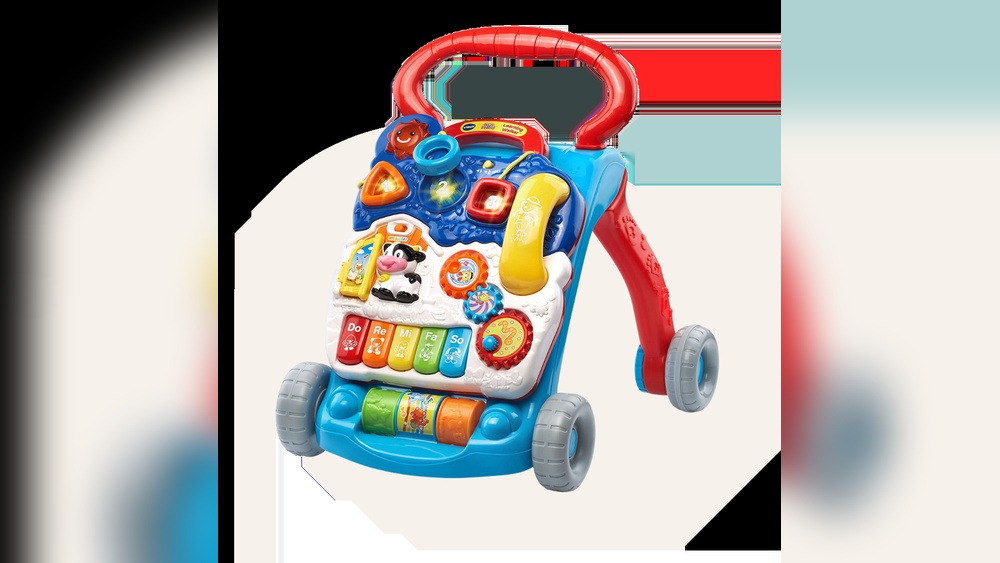
Are you wondering if push walker toys are a good choice for your baby? You want the best for your little one’s growth and safety, but it can be confusing to know which toys truly help.
Push walkers seem fun and helpful, but do they really support your baby’s development? Keep reading to discover the surprising benefits and possible downsides of push walker toys. By the end, you’ll know exactly how to choose the right toy that boosts your baby’s confidence and keeps them safe.
Benefits Of Push Walker Toys
Push walker toys offer many benefits for babies learning to move. They support early walking skills and help build strength. These toys provide a safe way for babies to explore their environment.
Using push walkers can make the walking journey easier and more enjoyable. They help babies gain confidence and improve physical abilities step by step.
Enhancing Motor Skills
Push walkers encourage babies to use their hands and legs together. This helps develop fine and gross motor skills. Babies learn to grip, push, and walk, improving their muscle control.
These activities support brain development by connecting movement with coordination. Motor skills improve as babies practice walking with the toy.
Boosting Balance And Coordination
Push walkers help babies maintain balance while moving. Holding onto the toy provides stability and support. This practice teaches babies how to shift their weight and stay upright.
Coordination improves as babies learn to move their legs and arms smoothly. The toy guides them in controlling their body during walking.
Encouraging Independent Walking
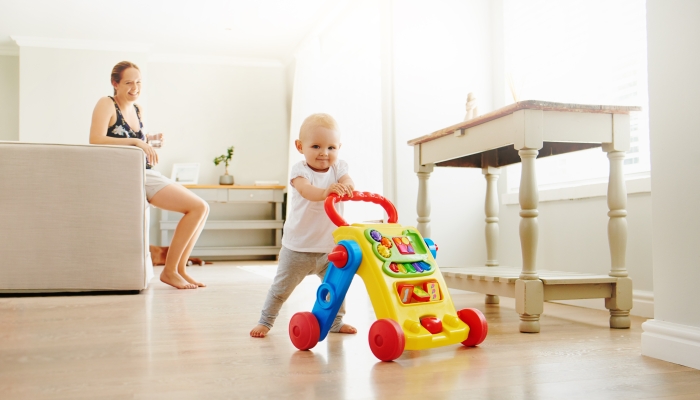
Push walker toys motivate babies to take steps on their own. They offer a sense of security as babies explore standing and walking. This encouragement boosts self-confidence in mobility.
Babies become more willing to try walking without help. The push walker becomes a trusted tool for early independence.
Types Of Push Walker Toys
Push walker toys help babies take their first steps safely. These toys come in different types. Each type offers unique features to support baby’s growth and play.
Wooden Walkers
Wooden walkers have a classic look. They are sturdy and last long. These walkers often have simple designs. Babies enjoy pushing them while learning balance. Wooden walkers are safe and eco-friendly. They usually have smooth edges to protect babies.
Plastic Walkers With Activities
Plastic walkers often include fun activities. These can be buttons, shapes, or spinning parts. They help develop baby’s motor skills. Babies stay interested while they learn to walk. Plastic walkers are lightweight and easy to clean. Many come in bright colors to catch baby’s eye.
Push Walkers With Sound And Lights
Push walkers with sound and lights make playtime exciting. They often play music or sounds when pushed. Lights flash to attract baby’s attention. These features encourage babies to move more. Sound and lights improve sensory development. Parents should check volume levels for safety.
Safety Considerations
Safety is the top priority when choosing push walker toys for babies. These toys help babies learn to walk, but they can also pose risks. Careful selection and proper use reduce dangers. Understanding key safety factors keeps your child safe while exploring.
Choosing The Right Size
Select a push walker that fits your baby’s height. Too tall or too short can cause falls. The baby should stand comfortably and hold the handle with ease. Check the manufacturer’s age and weight guidelines. Proper size supports balance and confidence.
Stability And Wheel Design
Look for wide bases that prevent tipping over. Narrow walkers can easily fall, causing injury. Wheels should roll smoothly but not too fast. Some models have brakes or wheel locks to control speed. Good stability and wheel control help avoid accidents.
Supervision Tips
Always watch your baby while using a push walker. Walkers can reach furniture and stairs quickly. Keep the play area clear of sharp edges and obstacles. Never leave the baby alone with the walker. Active supervision prevents many common injuries.
Age Appropriateness
Choosing the right time for push walker toys is very important for your baby’s safety and growth. Age appropriateness helps ensure the toy supports the baby’s motor skills without causing harm. Knowing when to introduce push walkers can make a big difference in your baby’s walking journey.
Babies develop at different speeds. Watching for signs of readiness helps you decide if the push walker is suitable. Following age limits and recommendations keeps your baby safe and happy while playing and learning.
When To Introduce Push Walkers
Push walkers should come after your baby can sit well without help. Usually, this happens around 9 to 12 months. At this stage, babies have better balance and muscle strength. Introducing the walker too early may cause falls or frustration. Wait until your baby shows steady control of their body.
Signs Baby Is Ready
Your baby may be ready if they can stand with support. Crawling confidently and pulling up to stand are good signs. The baby should also be curious about moving around more. If your baby tries to walk while holding furniture, push walkers might help next. Watch for eagerness and physical readiness before giving the toy.
Age Limits And Recommendations
Most push walkers are designed for babies aged 9 to 18 months. Always check the manufacturer’s age guidelines on the packaging. Avoid push walkers for babies younger than 9 months. After 18 months, many babies start walking independently. At this stage, push walkers may no longer be useful or safe.
Keep in mind that every baby is unique. Use push walkers as a tool, not a necessity. Always supervise your baby while using the walker.
Potential Drawbacks
Push walker toys can help babies learn to walk. Yet, they also have some drawbacks. Parents should know these before letting babies use them. Understanding the risks helps keep babies safe and healthy.
Overreliance On Walkers
Babies may depend too much on push walkers. They might use walkers instead of trying to walk by themselves. This can slow down their natural walking skills. Babies need to learn balance and strength on their own.
Risk Of Falls
Push walkers can cause falls and injuries. Babies move fast and may lose control. Walkers can tip over on uneven floors or stairs. Parents must watch babies closely while using walkers.
Limiting Natural Development
Walkers may stop babies from developing muscles properly. Babies need to crawl, stand, and walk at their own pace. Using walkers too early can limit these important skills. Natural movement helps build strength and coordination.
Credit: www.wonderbaby.org
Alternatives To Push Walkers
Push walker toys are not the only way to support a baby’s early steps. Several other options help babies develop balance, strength, and coordination safely. These alternatives encourage movement and play without the risks associated with push walkers.
Ride-on Toys
Ride-on toys let babies sit and move using their feet. They build leg strength and improve balance. Babies enjoy the freedom to scoot around and explore. These toys are low to the ground, reducing fall risks.
Stationary Activity Centers
Stationary activity centers keep babies in one spot while they play. These centers support sitting and standing practice. Babies can reach for toys, helping hand-eye coordination. They offer a safe, stable place to develop strength.
Floor Play And Tummy Time
Floor play and tummy time strengthen core muscles. These activities prepare babies for crawling and walking. Toys placed nearby encourage reaching and moving. They improve motor skills in a natural way.
Tips For Using Push Walkers Effectively
Using push walker toys can help babies learn to walk and explore safely. The right approach makes the experience fun and secure. Follow simple tips to use push walkers well and support your baby’s growth.
Setting Up Safe Play Areas
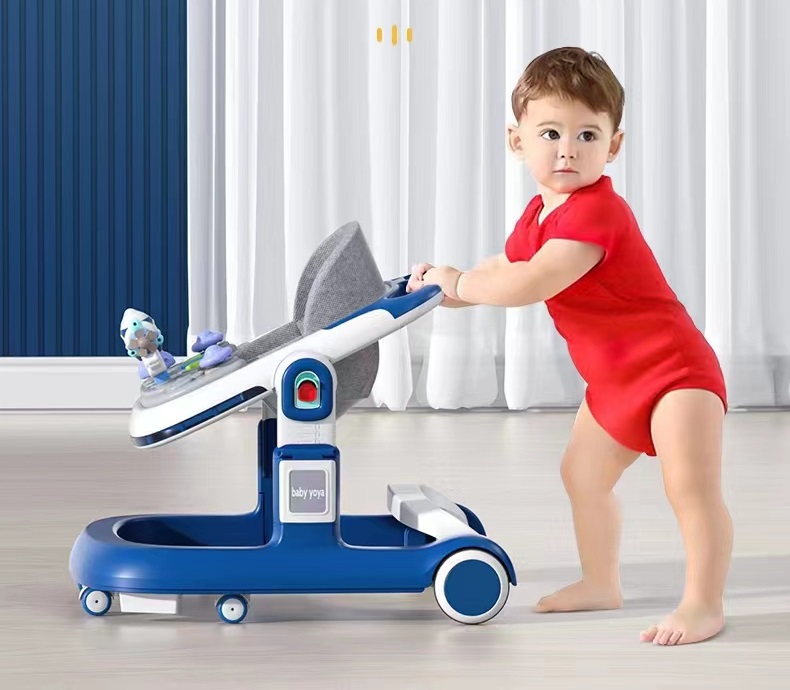
Choose a flat, open space for your baby to use the walker. Remove sharp objects and small items that can cause harm. Use baby gates to block stairs and unsafe rooms. Soft flooring helps protect your baby from bumps and falls.
Combining Walkers With Other Activities
Encourage your baby to crawl, stand, and play without the walker too. Offer toys that promote movement and balance. Let your baby explore different ways to move. This helps develop muscles and coordination.
Monitoring Baby’s Progress
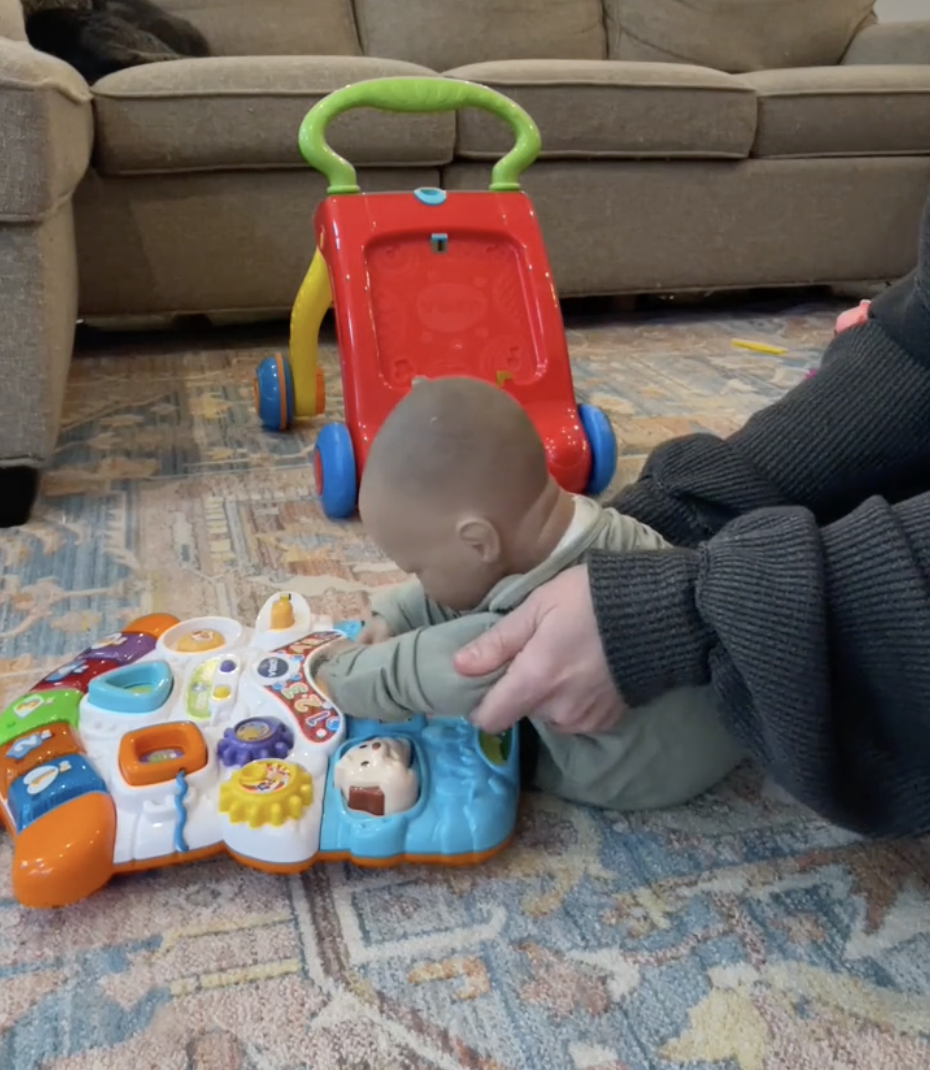
Watch how your baby uses the walker each time. Notice improvements in strength and balance. Stop use if your baby seems tired or frustrated. Talk to your pediatrician if you have concerns about walking skills.
Credit: www.craft-child.com
Credit: www.milestonesandmotherhood.com
Frequently Asked Questions
Are Push Walker Toys Safe For Babies?
Push walker toys can be safe if used under supervision. They help babies develop balance and walking skills. Always choose sturdy walkers with wide bases to prevent tipping. Avoid using walkers on stairs or uneven surfaces to ensure baby safety.
When Should Babies Start Using Push Walker Toys?
Babies can start using push walker toys around 9 to 12 months. This is when they begin to pull themselves up and walk with support. Ensure your baby can stand steadily before introducing a push walker.
How Do Push Walker Toys Benefit Baby Development?
Push walkers improve motor skills, balance, and coordination. They encourage babies to practice walking confidently. Push toys also stimulate cognitive growth by promoting exploration and physical activity.
Can Push Walker Toys Delay Walking Milestones?
Proper use of push walkers does not delay walking milestones. They actually support muscle strength and coordination. However, excessive or unsupervised use may cause dependency, so balance playtime with other activities.
Conclusion
Push walker toys can help babies build balance and confidence. They encourage movement and make learning to walk fun. Parents should choose safe, sturdy designs for their child’s age. Supervised play ensures babies stay protected while exploring. Each baby grows at their own pace, so patience matters.
Push walkers are just one tool in early development. Watching your baby enjoy and learn is what counts most. Keep the experience positive and supportive for best results.
