

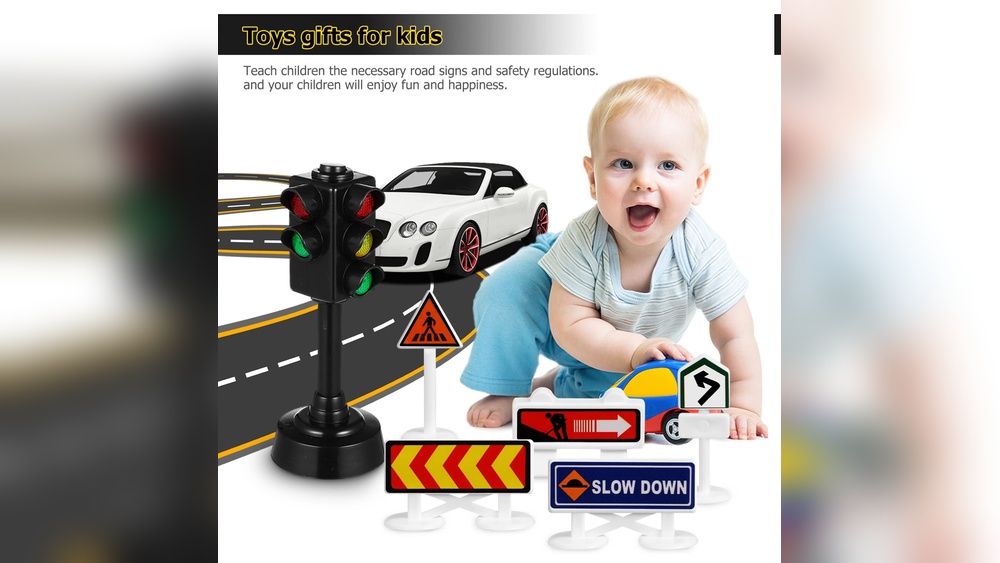
Have you ever wondered if toys are really necessary for your child’s growth and happiness? You might think toys are just for fun, but they can do so much more than that.
Imagine giving your child the tools to learn, explore, and develop skills without even realizing it. You’ll discover why toys matter and how they can shape your child’s future in ways you never expected. Keep reading—you’ll want to know how the right toys can make a big difference in your child’s life.
Role Of Toys In Child Development
Toys play a big part in how children grow and learn. They are more than just fun objects. Toys help children develop many skills that are important for their future. Kids learn about the world through play. This learning happens in many ways, including thinking, feeling, and moving.
Playing with toys helps children explore new ideas. It also allows them to express their emotions and build strong bodies. Each type of play supports a different part of child development. Understanding these roles shows why toys matter in a child’s life.
Cognitive Growth
Toys support children’s thinking and problem-solving skills. Puzzles and building blocks teach kids how to plan and reason. Toys with numbers or letters help with early learning of math and language. Playing with different shapes and colors also improves memory and attention. These activities prepare children for school and everyday tasks.
Emotional Expression
Toys give children a way to show their feelings. Dolls and action figures let kids act out stories and emotions. This type of play helps children understand their own feelings better. It also teaches empathy by imagining others’ emotions. Through play, children learn to handle stress and build confidence.
Physical Skills
Toys encourage movement and coordination. Balls, jump ropes, and bikes help improve balance and strength. Manipulating small toys develops fine motor skills, important for writing and self-care. Active play with toys keeps children healthy and builds endurance. Physical skills gained through toys support overall growth and independence.

Credit: tumama-kids.com
Types Of Toys And Their Impact
Toys play a big role in a child’s growth. Different types of toys help kids learn and have fun. They support skills like thinking, creativity, and physical activity. Choosing the right toys can shape a child’s development in many ways.
Here are some common types of toys and how they impact children’s growth.
Educational Toys
These toys teach children new skills and facts. They include puzzles, building blocks, and learning games. Educational toys improve memory, problem-solving, and language skills. Kids enjoy learning while playing, making education fun and easy.
Creative Toys
Creative toys encourage imagination and artistic skills. Examples are crayons, clay, and craft kits. They help kids express feelings and ideas. Playing with creative toys builds confidence and helps children think in new ways.
Outdoor Toys
Outdoor toys promote physical activity and social interaction. Bikes, balls, and jump ropes are popular choices. These toys improve strength, coordination, and teamwork. Outdoor play also helps children stay healthy and enjoy nature.
Social Benefits Of Playing With Toys
Toys do more than entertain children. They help kids learn how to interact with others. Playing with toys encourages social skills that last a lifetime. Children practice sharing, listening, and cooperating through play. These moments shape how kids connect with friends and family. Social benefits from toys build a strong foundation for healthy relationships.
Building Communication Skills
Playing with toys often involves talking and explaining ideas. Kids learn new words while describing their play. They practice asking questions and giving answers. This back-and-forth helps improve their speaking and listening skills. Clear communication grows as children share their thoughts during playtime.
Encouraging Teamwork
Toys can bring children together to work as a team. Group play teaches kids how to cooperate and take turns. They learn to solve problems and make decisions together. Teamwork during play helps children value others’ opinions. These experiences prepare kids to work well with others in the future.
Fostering Empathy
Playing with toys lets children imagine other people’s feelings. Pretend play encourages kids to understand different emotions. They learn to care about friends’ happiness and sadness. Empathy grows as children take roles and see other views. This skill helps kids build kindness and respect for others.

Credit: www.amazon.com
Toys And Imagination
Toys play a key role in sparking a child’s imagination. They offer more than just fun. Toys help children create new worlds inside their minds. Through play, kids explore ideas and stories. Imagination grows as children use toys in different ways. This process builds creativity and thinking skills.
Stimulating Creativity
Toys encourage children to think in new ways. Simple blocks or dolls can turn into anything. A box becomes a spaceship or a castle. This open-ended play helps kids solve problems and invent ideas. Creativity grows as kids experiment with different roles and settings. Toys give a safe space to try and learn.
Role-playing And Storytelling
Role-playing toys allow kids to act out stories. Dolls, action figures, and dress-up clothes help children create scenes. They practice social skills and emotions through pretend play. Storytelling builds language skills and memory. Kids learn how to express themselves clearly. Toys make these imaginative moments come alive.
Choosing The Right Toys
Choosing the right toys for children is important. Toys should suit their needs and help their growth. Parents and caregivers must think about many things before buying toys. The goal is to pick toys that are fun and safe. Toys should also help children learn new skills. This section explains how to choose the best toys for kids.
Age Appropriateness
Toys must match the child’s age. Young kids need simple toys with big parts. Older children enjoy more complex toys. Toys that are too hard can cause frustration. Toys that are too easy may bore children quickly. Age labels on toys help parents make good choices.
Safety Considerations
Safety is the top priority for any toy. Avoid toys with small parts for children under three years. Check for sharp edges or toxic materials. Look for toys tested and approved by safety standards. Watch out for strings or cords that can cause harm. Safe toys protect children during playtime.
Encouraging Learning
Toys can teach many useful skills. Building blocks help with hand-eye coordination. Puzzles improve problem-solving abilities. Art supplies encourage creativity and expression. Educational toys support language and math skills. Choose toys that challenge the mind and promote growth.
Balancing Screen Time And Toy Play
Balancing screen time and toy play is key to a child’s healthy growth. Screens can teach and entertain, but too much can cause problems. Toys, on the other hand, help children learn by using their hands and minds. Parents need to find a good mix that supports learning and fun.
Children need time to move and explore. This balance helps them develop skills that screens alone cannot offer.
Benefits Of Physical Play
Physical play helps children build muscles and improve coordination. Toys like blocks and puzzles boost thinking and problem-solving skills. Playing with others teaches sharing and teamwork. These activities also increase creativity and imagination. Kids become more confident and independent with hands-on play.
Limiting Digital Exposure
Too much screen time can make children less active and affect sleep. Setting limits on devices protects eyesight and reduces stress. Parents can choose educational programs and apps to make screen time useful. Encouraging breaks and outdoor play balances digital use. Clear rules help children understand when and how long to use screens.
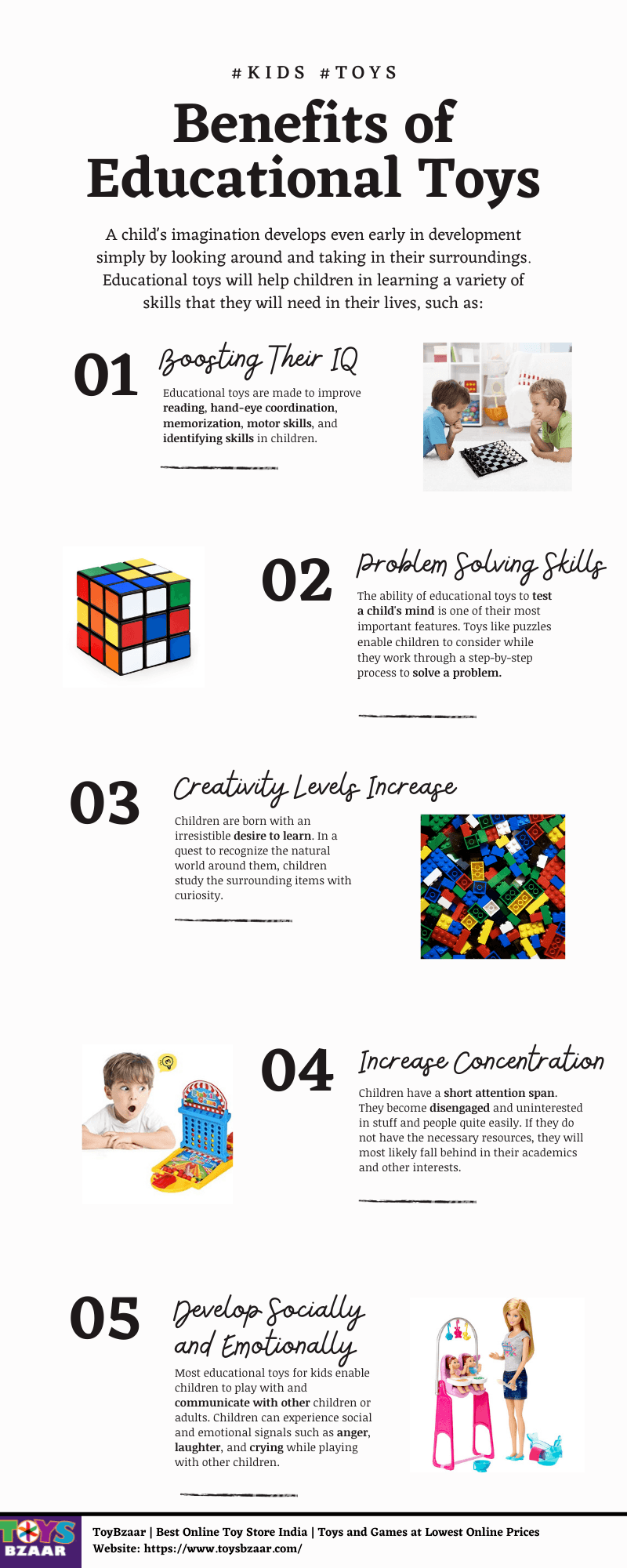
Credit: elearninginfographics.com
Frequently Asked Questions
Why Are Toys Important For Child Development?
Toys stimulate creativity, problem-solving, and motor skills in kids. They encourage social interaction and emotional growth. Playing with toys helps children learn about the world and develop cognitive abilities essential for lifelong learning.
How Do Toys Benefit A Child’s Social Skills?
Toys promote sharing, cooperation, and communication among children. They create opportunities for group play, fostering teamwork and empathy. Social play with toys builds confidence and helps kids understand social norms and relationships.
Can Toys Improve A Child’s Cognitive Abilities?
Yes, toys like puzzles and building blocks enhance memory, reasoning, and concentration. They challenge children to think critically and solve problems. Such toys support brain development and prepare kids for academic success.
Are Educational Toys Better Than Regular Toys?
Educational toys combine fun with learning, targeting specific skills like math or language. They motivate kids to explore concepts actively. However, a mix of both educational and imaginative toys offers balanced growth and creativity.
Conclusion
Toys help children learn and grow in many ways. They boost creativity and keep kids active. Playing with toys also teaches sharing and problem-solving skills. Kids enjoy exploring new ideas through play. Toys are not just fun—they support healthy development too.
Choosing the right toys can make a big difference. Every child benefits from some playtime with toys. Simple or complex, toys matter in a child’s life. They help build important skills for the future. So, toys hold a special place in childhood.
