

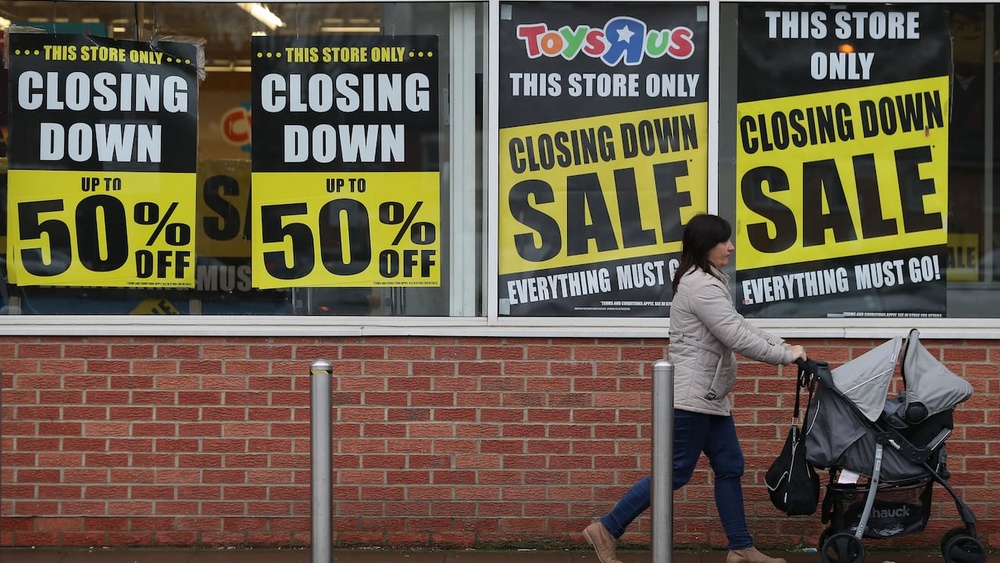
Do kids still want toys? You might be wondering if today’s children are as excited about toys as they used to be.
With screens, apps, and endless digital distractions, it’s easy to think toys have lost their charm. But what if the truth surprises you? Understanding what really sparks your child’s joy can help you make better choices for playtime. Keep reading to discover why toys still matter—and how they can shape your child’s growth in ways you might not expect.

Credit: www.reddit.com
Toys In The Digital Age
Toys have changed a lot with new technology. Kids now have more options than before. Traditional toys still exist, but digital toys catch their attention fast. These toys mix fun with learning. They keep children busy and curious.
The digital age has brought toys that talk, move, and even learn. Kids enjoy toys that react to their actions. This makes playtime more exciting and interactive. Digital toys also help children develop new skills. They combine play with education in smart ways.
Rise Of Interactive Tech Toys
Interactive tech toys have grown very popular. These toys respond to kids’ voices and movements. Some can tell stories or sing songs. Others help with math or reading. They make learning feel like play. Kids feel like they have a new friend.
Many tech toys use screens or sensors. They invite kids to explore and discover. This kind of play can boost creativity. It also improves problem-solving skills. The fun is in the challenge and response.
Blending Physical And Virtual Play
Some toys mix real objects with virtual worlds. Kids can build something physical and see it in a game. This blend makes play more exciting. It connects hands-on fun with digital adventures.
Augmented reality and apps help with this mix. Kids use tablets or phones with toys. They enter a world where real and digital meet. This type of play keeps kids engaged longer. It encourages imagination and active play.

Credit: www.reddit.com
Changing Preferences Among Kids
Kids today have different tastes in toys than before. Their choices reflect changes in culture, technology, and learning styles. Toys now often blend fun with skills. Parents also want toys that help kids grow and learn. The way kids play shows what they like and value.
Shift Toward Educational Toys
Many kids prefer toys that teach them something new. Building blocks, science kits, and puzzles are popular. These toys help improve thinking and problem-solving skills. They make learning fun, so kids enjoy using them. Parents choose educational toys to support school lessons and brain growth.
Popularity Of Collectibles And Nostalgia
Collectible toys have gained strong interest among kids. Small figurines, cards, and themed sets attract attention. These toys create excitement through collecting and trading. Some toys bring memories for parents, who share them with children. Nostalgia connects generations and makes certain toys special again.
Influence Of Social Media And Trends
Social media shapes what kids want today. Trends spread fast online. Kids see new toys and games every day. This changes what they like and buy.
Online platforms create a space where kids share and explore. They find friends with similar interests. This builds excitement around toys and trends.
Impact Of Online Communities
Online communities connect kids around shared hobbies. Kids join groups for toys, games, and collections. They trade tips and show off their collections. This builds strong interest in new toys.
Communities also create challenges and contests. Kids want to join and win. This drives them to get the latest toys. Social approval matters a lot to kids online.
Role Of Influencers And Unboxing Videos
Influencers play a big role in toy trends. Kids watch videos of toys being opened. These unboxing videos make toys look fun and exciting. Kids want to buy what they see on screen.
Influencers share honest opinions and reviews. Kids trust these voices more than ads. This affects which toys become popular fast. The influence of videos shapes kids’ buying habits.
Credit: theconversation.com
Sustainability And Eco-friendly Toys
Kids still love toys, but the focus is shifting. Sustainability and eco-friendly toys are gaining attention. Parents want safe, green options for their children. These toys use materials that do not harm the planet. They offer fun and learning without pollution. This change helps teach kids about caring for Earth.
Demand For Green Materials
More parents ask for toys made from natural materials. Wood, organic cotton, and recycled plastics are popular choices. These materials break down easier and reduce waste. They avoid harmful chemicals found in some plastics. The demand pushes manufacturers to use safer, cleaner resources. Kids enjoy toys that are gentle on the environment.
Brands Leading The Eco Movement
Several brands focus on eco-friendly toy production. They create products that last and can be recycled. These companies use sustainable methods in making toys. They provide safe, educational, and green options for children. Their work helps reduce the toy industry’s carbon footprint. Parents trust these brands to support a healthier planet.
Retail And Marketing Changes
The world of retail and marketing for toys has changed a lot. Kids still want toys, but how stores sell them is different. Shops must keep up with new ways to reach children and parents. The shift affects how toys are made, shown, and bought.
From Brick-and-mortar To E-commerce
Stores have moved from mostly physical shops to online platforms. Parents and kids can now find toys on websites easily. This change lets buyers see many options without leaving home. Online shopping offers quick delivery and often better prices. Toy brands create websites that are fun and easy to use. This helps children and parents enjoy the shopping experience.
Personalized Shopping Experiences
Marketing now focuses on personal choices and interests. Websites suggest toys based on what kids like or bought before. Ads show toys that match a child’s age and hobbies. Personalized emails and messages make shopping feel special. This helps parents find the perfect toy fast. Kids feel more connected to toys they see online.
Future Of Play
The future of play is shifting. Kids still love toys, but the way they play is changing fast. Technology blends with classic toys to create new fun experiences. Play helps children learn, grow, and connect with others. Understanding this balance is key for parents and educators.
Emerging Technologies In Toys
Toys now use smart tech, like AI and sensors. These toys react to kids’ actions and adapt games. Augmented reality adds new layers to playtime. Robots and interactive dolls encourage creativity and learning. This tech makes play more exciting and engaging.
Balancing Screen Time With Traditional Play
Too much screen time can be harmful to kids. Traditional toys help develop imagination and social skills. Parents can mix tech toys with simple, hands-on play. Outdoor games and puzzles keep children active and focused. Balance keeps play healthy and fun for kids.
Frequently Asked Questions
Do Kids Still Prefer Traditional Toys Over Digital Games?
Yes, many kids enjoy traditional toys for tactile play and creativity. However, digital games also attract them with interactive features. Both types satisfy different play needs and interests in children today.
What Types Of Toys Are Most Popular Among Kids Now?
STEM toys, action figures, and collectibles are highly popular. Kids also love sensory toys and interactive tech toys that combine learning with fun.
How Have Kids’ Toy Preferences Changed Recently?
Kids now favor toys that blend education with entertainment. Technology integration and customizable features influence their choices more than before.
Are Physical Toys Important For Child Development?
Absolutely. Physical toys enhance motor skills, imagination, and social interaction. They provide hands-on learning experiences essential for growth.
Conclusion
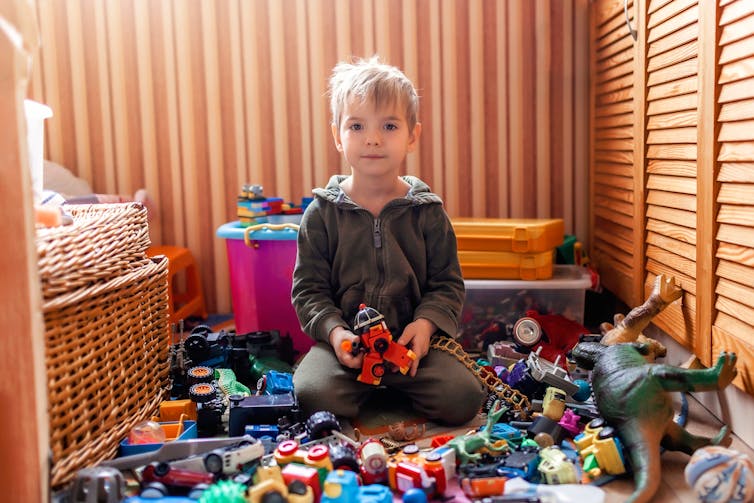
Kids still enjoy toys, but their choices are changing. Digital games and gadgets attract many children today. Yet, traditional toys help build creativity and social skills. Parents can find a balance between screen time and playtime. Toys remain important for fun and learning.
Giving kids various options lets them explore and grow. Toys are not just for fun; they shape young minds. So, toys continue to hold a special place in children’s lives.
