

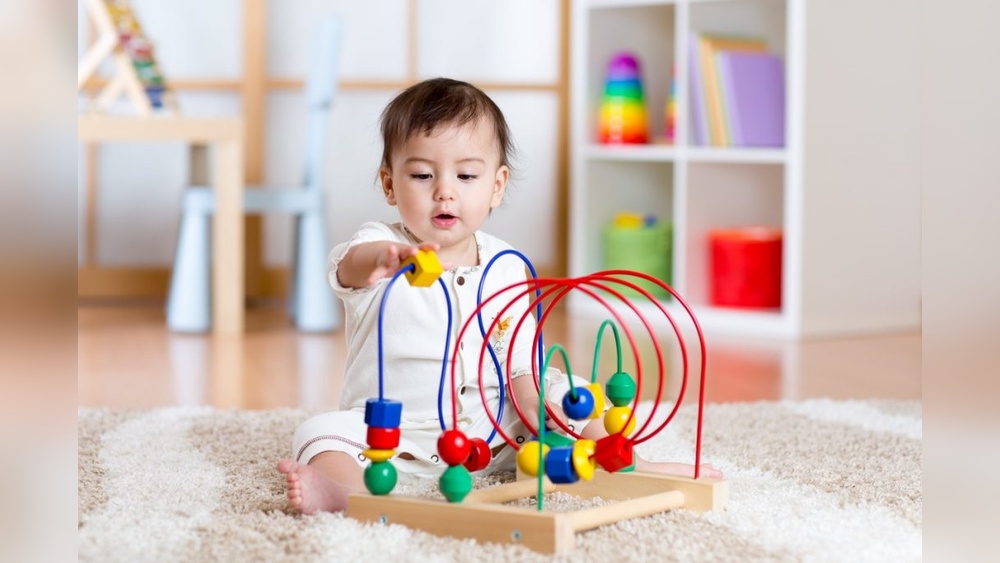
Are you wondering how to make playtime with your baby even more fun and meaningful? Playing with baby toys isn’t just about keeping your little one busy—it’s a powerful way to boost their growth and create special moments together.
In this guide, you’ll discover simple tips to choose the right toys and use them in ways that spark your baby’s curiosity and happiness. Ready to unlock the full potential of play? Let’s dive in and explore how you can turn every toy into a joyful learning experience for your baby.
Choosing Safe Baby Toys
Choosing safe baby toys is very important for your child’s health and happiness. Babies explore the world by touching and tasting toys. Unsafe toys can harm them. Parents must pick toys that protect babies from choking, poisoning, and injuries. This guide helps you find the safest toys for your little one.
Materials To Avoid
Some materials can be dangerous for babies. Avoid toys with small parts that can break off easily. Stay away from plastic toys with harmful chemicals like BPA and phthalates. Toys made of lead paint or toxic dyes are unsafe. Choose toys made of natural wood or BPA-free plastic. Soft fabric toys should be free of loose threads or buttons.
Age-appropriate Options
Toys should match the baby’s age and skills. Babies under six months need simple toys with large parts. Rattles and soft blocks are good choices. Older babies can handle toys with more features. Check the packaging for age recommendations. Toys too advanced can frustrate or hurt the baby. Age-appropriate toys support learning and growth safely.
Checking For Safety Certifications
Look for toys with safety certifications. These show the toy meets safety rules. Common certifications include ASTM, CPSIA, or CE marks. Certified toys undergo strict tests for choking, sharp edges, and toxic substances. Avoid toys without labels or with unclear markings. Certification gives peace of mind for safe play.
Introducing Toys To Your Baby
Introducing toys to your baby is an exciting step in their growth. Toys help babies learn new skills and understand the world. They also make playtime fun and interesting. Choosing the right time and way to introduce toys can make a big difference.
Timing And Environment
Choose a calm and quiet time for play. Avoid times when your baby is tired or hungry. A well-lit room with few distractions works best. This helps your baby focus on the new toy. Make sure your baby feels safe and comfortable.
Simple Demonstrations
Show your baby how to use the toy. Use slow and clear movements. Let your baby watch you play with the toy first. Repeat the actions a few times. This helps your baby understand the toy’s purpose.
Encouraging Exploration
Allow your baby to touch and hold the toy. Let them explore it in their own way. Offer gentle guidance but avoid taking over. Praise your baby’s efforts to encourage more play. Exploration builds confidence and learning.
Interactive Play Techniques
Interactive play is key for babies to learn and have fun. It helps babies explore toys and understand the world. Playing together creates strong bonds and builds trust. Using simple techniques can make playtime more exciting and educational.
Using Sounds And Movements
Babies love sounds and moving toys. Shake a rattle or press buttons that make noise. Move toys slowly to catch their eyes. Use different voices and tones to keep their attention. Sounds and movements help babies connect actions to reactions.
Imitating Baby’s Actions
Copy what the baby does. If the baby claps, clap back. If they babble, respond with sounds. Imitation shows babies you understand them. It encourages them to keep trying new actions. This helps babies learn social skills and communication.
Encouraging Cause And Effect
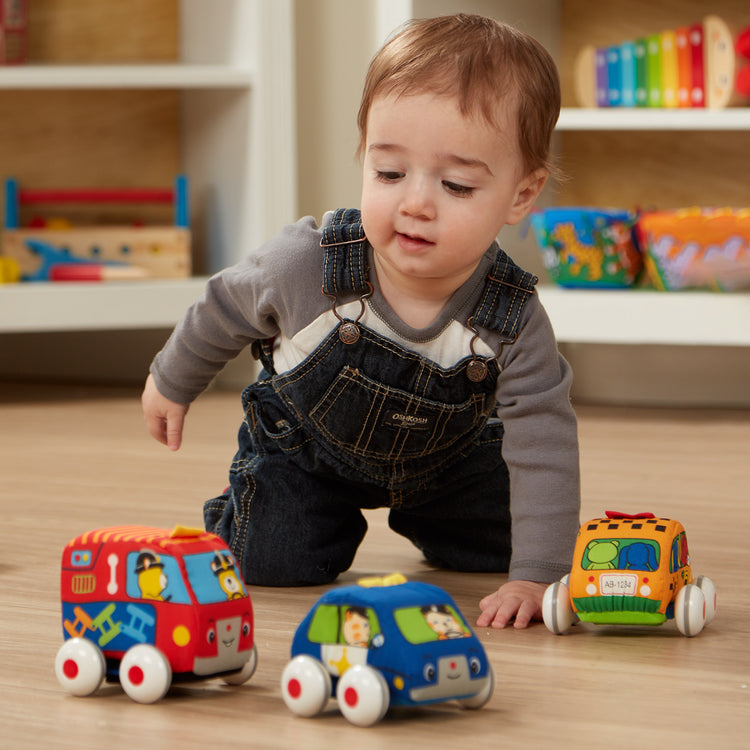
Cause and effect means one action causes a reaction. Press a button and a toy lights up. Drop a ball and watch it roll. Show babies how their actions change the toy. This teaches them about actions and results. It also makes playtime more fun and meaningful.
Credit: www.melissaanddoug.com
Boosting Development With Toys
Toys do more than entertain babies. They help babies learn and grow in many ways. Playing with the right toys can support key skills. Each toy offers a chance to discover something new.
Simple actions like grabbing or shaking a toy help babies develop essential abilities. Toys that engage senses or require thinking also promote growth. Choosing toys with purpose can make playtime a valuable learning time.
Enhancing Motor Skills
Toys encourage babies to move their hands and fingers. Grasping soft blocks or squeezing textured balls builds hand strength. Crawling toward a rolling toy helps develop leg muscles. These movements improve coordination and control. Motor skills are the foundation for many future tasks.
Stimulating Senses
Toys with bright colors catch babies’ attention. Different sounds teach them to listen and respond. Textured surfaces invite touch and exploration. Smelling scented toys can introduce new smells. Sensory play helps babies understand the world around them.
Promoting Cognitive Growth
Puzzles and shape sorters challenge babies to think. Toys that change or have buttons teach cause and effect. Repeating actions with toys helps memory and problem-solving. Cognitive skills grow as babies explore how things work. Thoughtful play supports early brain development.
Creative Play Ideas
Creative play helps babies learn and grow through fun activities. It encourages imagination and develops skills. Using simple toys, parents can create rich play experiences. These ideas make playtime exciting and educational.
Storytelling With Toys
Use toys to tell short stories. Pick a few favorite toys and create a simple tale. Move toys around and give them voices. This sparks imagination and language skills. Babies learn new words and sounds while listening and watching.
Building Simple Games
Turn toys into easy games. Stack blocks and count them together. Hide a toy and ask the baby to find it. Use shapes to sort by color or size. These games teach problem-solving and hand-eye coordination. Play becomes a learning adventure.
Incorporating Music And Rhythm
Combine toys with music for joyful play. Shake rattles or tap drums to make sounds. Clap hands or stomp feet to a beat. Sing songs while playing with toys. Music helps babies develop listening and motor skills. It also makes playtime lively and fun.

Credit: www.youtube.com
Maintaining Toy Hygiene
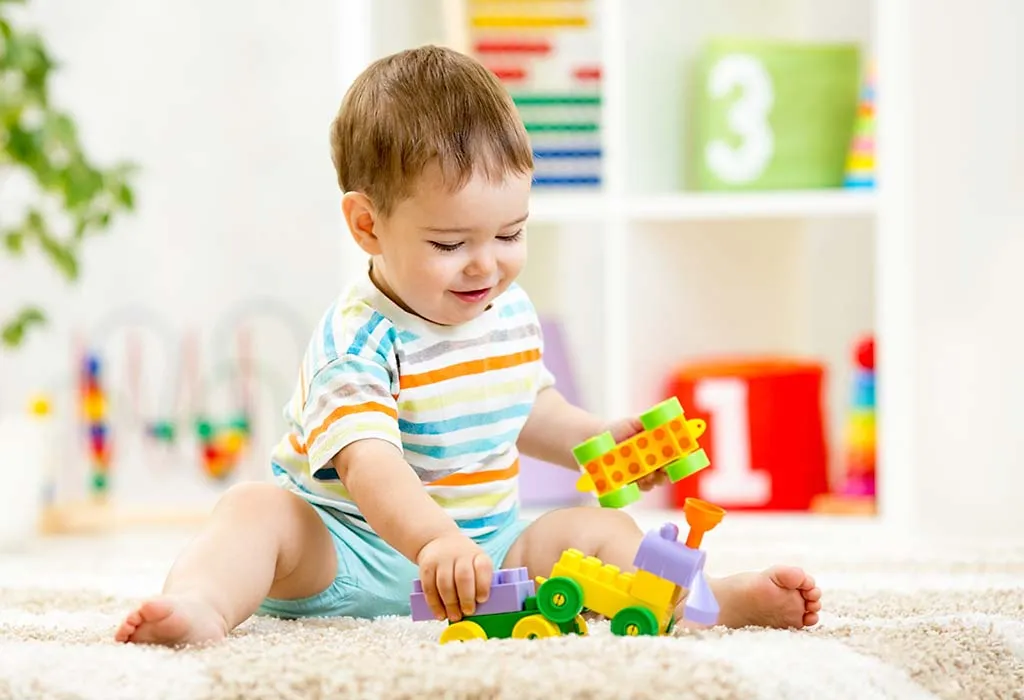
Keeping baby toys clean is very important. Babies put toys in their mouths often. Germs can cause sickness. Clean toys help protect babies from germs. It also keeps toys looking new and safe for play.
Cleaning Tips
Use mild soap and warm water to clean toys. Soft cloths or sponges work well for wiping. For plastic toys, use a toothbrush to reach small spots. Rinse toys thoroughly to remove soap. Let toys air dry completely before giving them back to baby.
Regular Inspection
Check toys often for dirt and damage. Look for cracks, loose parts, or broken pieces. Broken toys can hurt babies or cause choking. Remove any damaged toys right away. Replace toys that are too worn out or unsafe.
Safe Storage Practices
Store toys in a clean, dry place. Use bins or baskets to keep toys organized. Avoid damp areas to stop mold and bacteria growth. Keep storage areas out of reach of pets and dirt. Clean storage containers regularly to maintain hygiene.
Credit: parenting.firstcry.com
Frequently Asked Questions
What Are The Best Baby Toys To Start With?
Choose soft, colorful toys with different textures. These stimulate senses and encourage exploration safely. Avoid small parts to prevent choking.
How Can I Teach My Baby To Play With Toys?
Show your baby how to hold and explore toys gently. Engage by talking and making sounds to encourage interaction.
When Should Babies Start Playing With Toys?
Babies can start playing with toys from birth. Simple sensory toys help develop sight, touch, and hearing early on.
How Do Toys Help In Baby Development?
Toys enhance motor skills, hand-eye coordination, and cognitive growth. They also promote creativity and social interaction as babies grow.
Conclusion
Playing with baby toys helps children learn and grow every day. It builds their senses, skills, and curiosity. Choose toys that are safe and suit their age. Watch how they explore and enjoy new shapes, colors, and sounds. Spend time playing together to strengthen your bond.
Simple moments bring smiles and happy memories. Keep playtime fun and relaxed to support healthy development. Every small step counts in your baby’s learning journey.
