

Choosing the right toys for autistic kids can feel overwhelming. You want to find something that truly connects with your child’s unique needs and interests.
The right toy can spark joy, encourage learning, and even help with communication and sensory challenges. But what kind of toys do autistic kids really like? You’ll discover practical ideas and tips to help you pick toys that your child will love and benefit from.
Keep reading to unlock the secrets that can make playtime both fun and meaningful for your child.

Credit: harkla.co
Sensory Toys
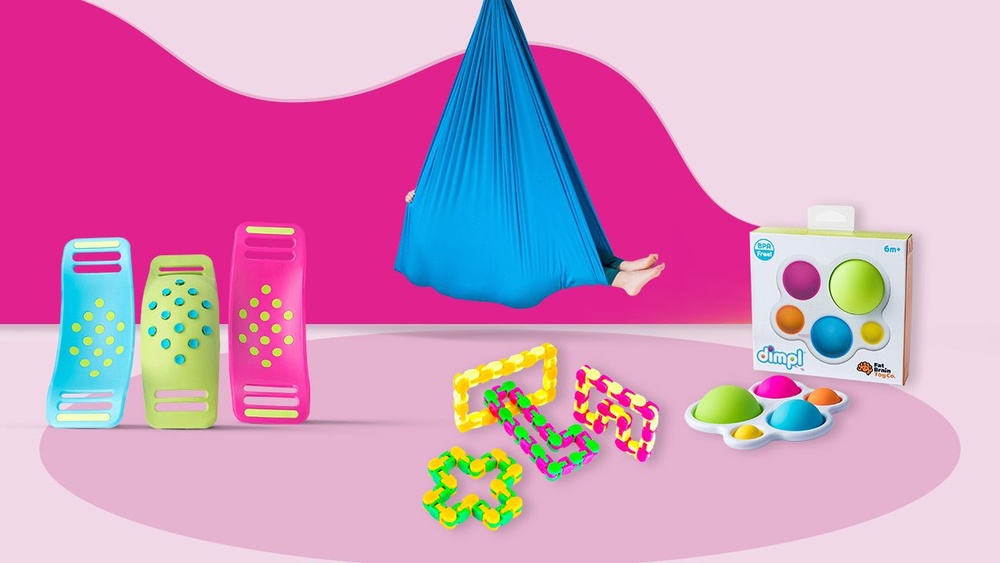
Sensory toys help autistic children explore their senses. These toys support focus and calm. They offer different textures, shapes, and movements. Sensory toys make learning fun and soothing. They are great for children with sensory processing differences.
Fidget Spinners And Stress Balls
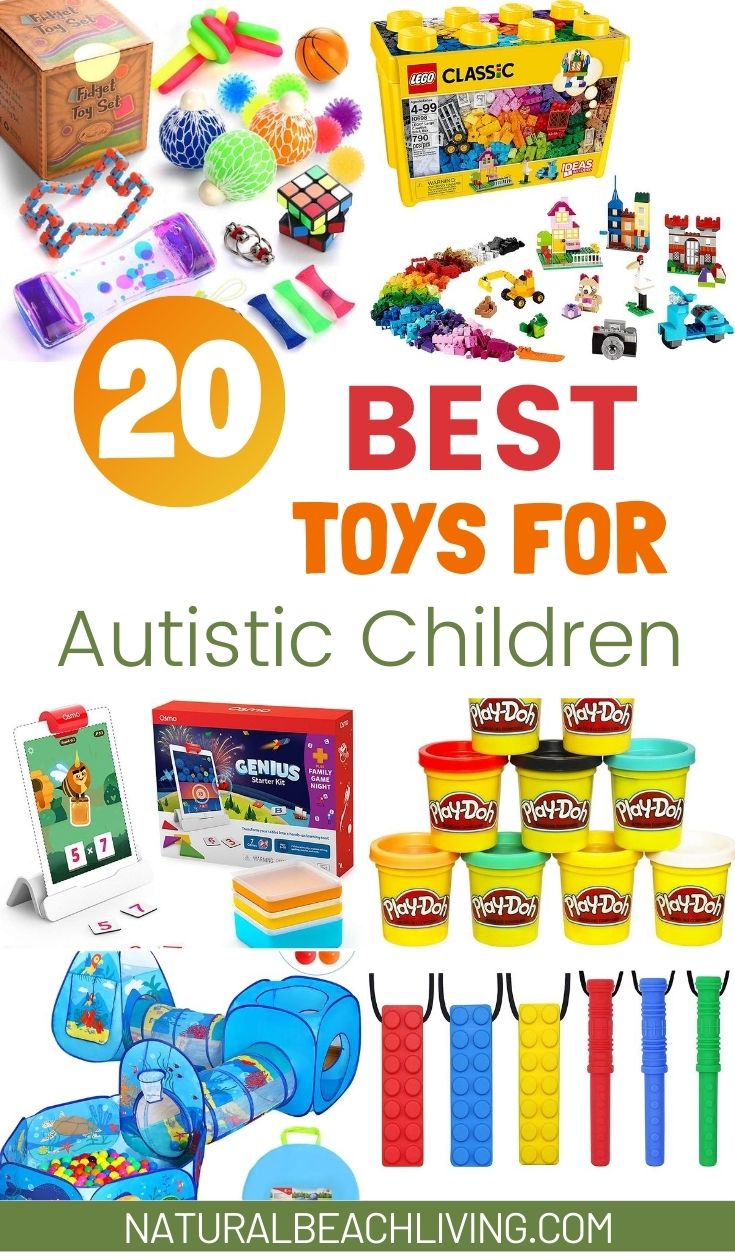
Fidget spinners and stress balls are simple toys. They keep hands busy and minds calm. Spinning or squeezing helps reduce anxiety. These toys improve hand coordination and focus. Many children enjoy the repetitive motion they offer.
Textured And Weighted Items
Textured toys provide unique touch sensations. They can be soft, bumpy, or rough. Weighted items give a gentle pressure that comforts. Weighted blankets or vests help with relaxation. These toys help children feel safe and grounded.
Visual Stimulating Toys
Visual toys include lights, colors, and shapes. They catch attention and stimulate sight. Toys like light-up wands or color-changing balls work well. Watching patterns or bright colors can be calming. Visual stimulation helps improve focus and interest.
Interactive Toys
Interactive toys help children learn through play. They catch the attention of autistic kids by involving their senses. These toys encourage kids to explore and understand cause and effect. They also support learning and social skills in a fun way.
Cause And Effect Gadgets
Cause and effect gadgets show a clear link between actions and results. Press a button, and something happens. This helps children understand how their actions affect the world. Toys like pop-up animals or light-up panels work well. They provide instant feedback that keeps kids engaged.
Electronic Learning Toys
Electronic learning toys combine sounds, lights, and movement. They teach numbers, letters, and shapes in an interactive way. These toys offer repetition, which helps with memory and focus. Simple buttons and clear responses make them easy to use. Kids enjoy the playful sounds and bright colors.
Robotic And Animated Figures
Robotic and animated figures bring stories and characters to life. They move and respond, creating a sense of connection. These toys encourage social interaction and imaginative play. Kids can practice communication by talking to these figures. The movement and sounds keep children interested and curious.
Creative Play Items
Creative play items help autistic children explore their imagination. These toys support learning and skill development. They encourage focus, hand-eye coordination, and problem-solving. Many children find joy in making and building things. Creative toys offer a fun way to express feelings and ideas.
Building Blocks And Legos
Building blocks and Legos allow children to construct shapes freely. These toys improve fine motor skills and spatial awareness. Kids enjoy stacking, connecting, and creating patterns. They help develop patience and concentration. Many autistic children find comfort in the repetitive motions of building.
Art And Craft Supplies
Art and craft supplies include crayons, paints, and clay. These tools let children express themselves without words. Crafting improves hand strength and coordination. It also helps with sensory processing through different textures. Creating art can calm the mind and boost confidence.
Musical Instruments
Musical instruments like drums, keyboards, and shakers engage the senses. Playing music enhances rhythm and listening skills. It offers a way to communicate emotions and energy. Many children enjoy the vibrations and sounds. Music encourages creativity and can be very soothing.
Credit: www.naturalbeachliving.com
Comfort And Calming Toys
Comfort and calming toys help autistic children feel safe and relaxed. These toys reduce stress and create a peaceful environment. They often provide gentle touch or soothing sensations that many autistic kids enjoy. Such toys support emotional balance and can improve focus.
Soft Plush Toys
Soft plush toys offer a gentle touch that comforts many autistic children. Their smooth texture helps calm nerves during stressful moments. Kids often hug or squeeze these toys for reassurance. Plush toys also give a sense of companionship and security.
Weighted Blankets And Lap Pads
Weighted blankets and lap pads provide deep pressure that many autistic kids find soothing. This gentle pressure mimics a hug, helping to calm the nervous system. These items improve relaxation and can reduce anxiety. They are great for quiet time or bedtime routines.
Soothing Light Projectors
Soothing light projectors create calming visuals that attract autistic children’s attention. Soft, moving lights help reduce anxiety and promote focus. These projectors can turn any room into a peaceful space. The gentle glow supports relaxation and better sleep.
Outdoor And Physical Toys
Outdoor and physical toys help autistic children enjoy movement and fresh air. These toys support their sensory needs and improve coordination. Playing outside also boosts mood and focus. Many kids with autism love toys that let them feel the wind, bounce, or balance. These activities help build strength and confidence.
Swings And Trampolines
Swings offer gentle motion that calms the mind. The rhythmic back and forth can soothe sensory overload. Trampolines provide fun jumping exercise that burns energy. Bouncing helps improve motor skills and balance. Both toys encourage outdoor play and social interaction with friends.
Balance Boards And Rockers
Balance boards challenge core strength and stability. They help children learn body control while having fun. Rockers give a rocking motion that feels safe and comforting. These toys develop focus and coordination. Using them regularly supports better posture and movement skills.
Balls And Catch Games
Balls are simple but very engaging toys for autistic kids. Playing catch improves hand-eye coordination and timing. Rolling, throwing, and catching balls build fine and gross motor skills. These games encourage turn-taking and communication in a playful way. Balls come in many sizes and textures to suit different needs.

Credit: www.amazon.com
Tips For Choosing The Right Toy
Choosing the right toy for autistic children takes care and thought. Toys can help them learn, play, and feel safe. Picking the best toy means knowing what fits their needs and likes. Here are some tips to guide you in choosing a toy that brings joy and support.
Consider Sensory Preferences
Many autistic kids have unique sensory needs. Some like soft, smooth textures. Others enjoy bright colors or lights. Toys with different sounds or vibrations can also be good. Find toys that match how your child likes to touch, see, or hear things. This helps keep them calm and interested.
Focus On Interests And Strengths
Kids often love toys that match their passions. Some may like puzzles or building blocks. Others enjoy animals or vehicles. Choose toys that highlight what they are good at or curious about. This keeps playtime fun and helps develop skills.
Safety And Durability
Safety is very important. Pick toys made from non-toxic materials. Avoid small parts that can be swallowed. Toys should be strong and last through rough play. Durable toys save money and prevent frustration.
Frequently Asked Questions
What Types Of Toys Do Autistic Kids Prefer Most?
Autistic kids often prefer sensory toys that engage touch, sight, or sound. These include fidget spinners, textured balls, and light-up toys. Such toys help with focus, calmness, and sensory processing, making playtime enjoyable and therapeutic.
Are Educational Toys Good For Autistic Children?
Yes, educational toys that promote learning through play are excellent for autistic children. Puzzles, building blocks, and interactive books help develop cognitive and motor skills. They encourage problem-solving and communication in a fun, accessible way.
How Do Sensory Toys Benefit Autistic Kids?
Sensory toys help autistic kids regulate emotions and reduce anxiety. They provide tactile, visual, or auditory stimulation, aiding sensory integration. These toys support focus, calmness, and self-soothing, improving overall well-being and engagement during play.
Can Autistic Children Enjoy Traditional Toys?
Many autistic children enjoy traditional toys like dolls, cars, or action figures. However, preference varies widely, so toys with predictable patterns or repetitive motions are often favored. Always consider the child’s interests and sensory needs when choosing toys.
Conclusion
Choosing the right toys helps autistic kids learn and have fun. Toys that focus on senses, movement, and creativity often work well. Each child is unique, so preferences can differ. Watching how a child plays gives clues about what they like.
Simple toys can bring joy and comfort. Parents and caregivers should stay patient and open to trying new options. The right toy can support growth and happiness every day. Keep exploring and enjoy the process of finding the best fit.
