

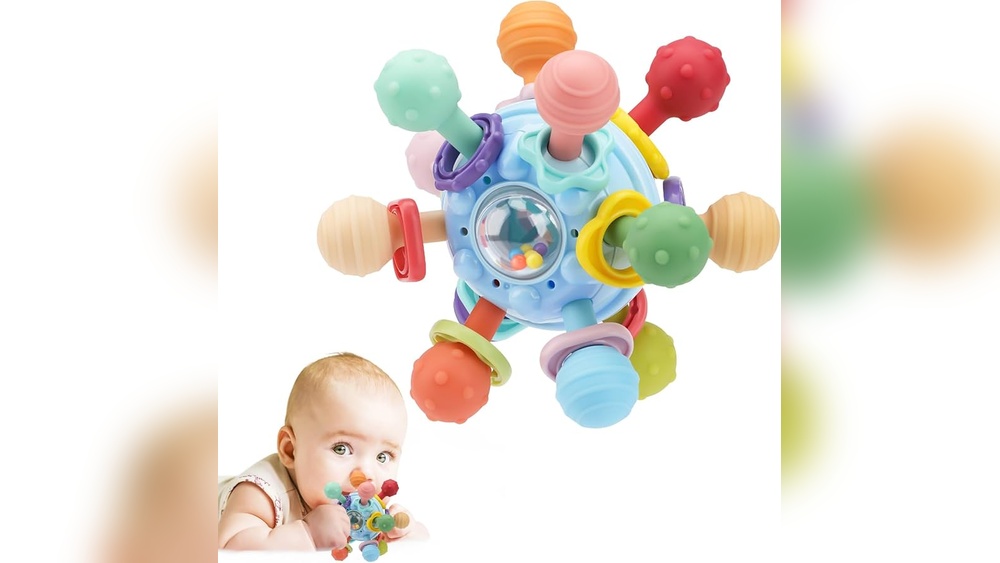
Have you noticed your toddler still chewing on toys even after their first birthday? You might wonder why this habit sticks around longer than expected.
It’s more common than you think, and there’s a lot behind this simple behavior. Understanding why your little one keeps chewing can help you support their growth and keep them safe. Keep reading to discover the surprising reasons behind this chewing habit and what you can do about it.

Credit: www.amazon.com
Common Reasons Toddlers Chew Toys
Toddlers chewing on toys is a common behavior that puzzles many parents. This habit often continues past age one. Understanding why toddlers chew can help caregivers support their development. Several reasons explain this natural action. Each reason plays a role in how toddlers learn and grow.
Teething Discomfort
Teething causes pain and pressure in a toddler’s gums. Chewing on toys helps ease this discomfort. The pressure from biting soothes their sore gums. Toys made for teething are often soft and safe. Toddlers instinctively use chewing to reduce pain and feel better.
Exploring Textures
Toddlers use their mouths to explore the world. Chewing toys lets them feel different textures. Smooth, bumpy, hard, or soft surfaces teach them about objects. This sensory exploration is important for learning. It helps toddlers understand their environment better.
Oral Sensory Development
Chewing supports oral motor skills needed for speech and eating. It strengthens jaw muscles and improves coordination. Oral sensory input helps toddlers control their mouth movements. This development is crucial for talking clearly and eating solid foods. Chewing toys provides the practice their mouths need.
Emotional Triggers For Chewing
Toddlers chew on toys for many emotional reasons. Chewing helps them express feelings they cannot say with words yet. It acts as a natural way to manage emotions and stay calm. Understanding these emotional triggers can help parents support their toddlers better.
Stress And Anxiety Relief
Chewing can reduce stress in toddlers. It works like a calming tool for their growing minds. When toddlers feel overwhelmed, chewing helps lower their anxiety. This simple action provides a sense of control in uncertain moments. Parents may notice more chewing during changes or new experiences.
Seeking Comfort And Security
Toddlers also chew to feel safe. Toys become a source of comfort, like a soft blanket or hug. Chewing soothes and reassures them during times of discomfort or tiredness. It creates a small, familiar world where they feel secure. This behavior often continues until toddlers find other ways to cope.
Behavioral Factors Behind Chewing
Toddlers chewing on toys beyond their first year is common. This behavior often relates to their natural habits and ways to get attention. Understanding the reasons helps parents respond wisely. Behavioral factors play a big role in why toddlers keep chewing.
Habit Formation
Toddlers form habits by repeating actions that feel good. Chewing soothes their gums and calms them. Over time, chewing becomes a regular habit. It offers comfort, especially during teething or stress. The habit can last even after teeth grow in.
Attention-seeking Actions
Chewing can be a way to get attention from adults. Toddlers quickly learn which behaviors make parents react. Sometimes, chewing toys leads to talking or playing with them more. This reaction encourages toddlers to keep chewing. It becomes a simple method to connect and communicate.
Credit: yourkidstable.com
When Chewing Becomes A Concern
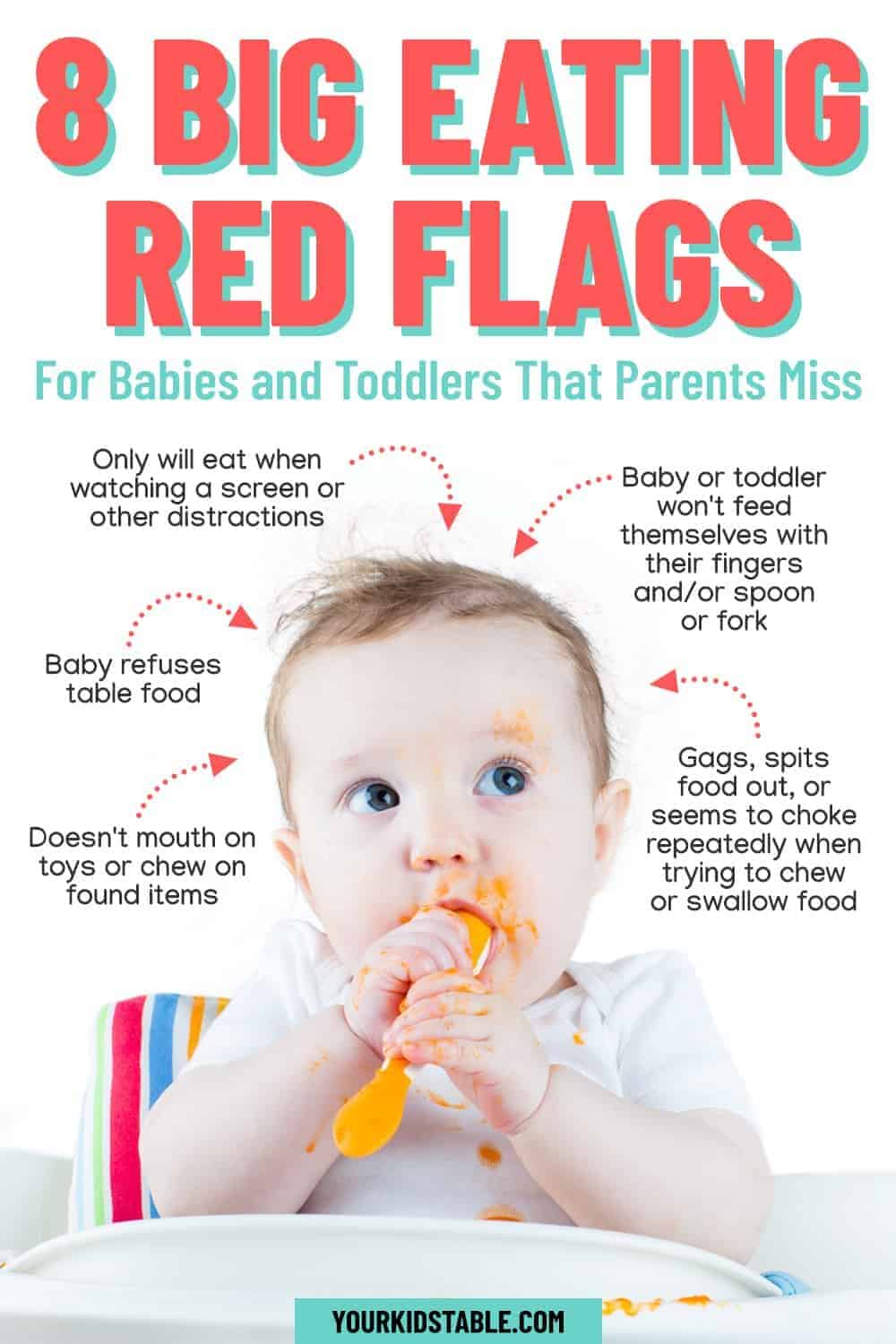
Chewing on toys is normal for toddlers, but sometimes it can become a problem. Parents should know when chewing moves beyond curiosity or comfort. Understanding the signs helps keep toddlers safe and healthy.
Signs Of Excessive Chewing
Watch for constant chewing that lasts many minutes or hours daily. Toys or objects may look damaged or have bite marks. Toddlers might chew even when not teething or upset. Excessive chewing can interfere with play and learning. It may cause frustration or pain in the mouth.
Potential Health Risks
Chewing on dirty toys can cause infections in the mouth. Broken pieces of toys can become choking hazards. Constant biting might hurt teeth or gums. Some materials may release harmful chemicals if chewed too much. Paying attention to these risks keeps toddlers safe and sound.
Safe Alternatives To Toy Chewing
Safe alternatives to toy chewing help protect toddlers and their belongings. Choosing the right options supports healthy development and reduces risks. Parents can guide children toward better habits with simple tools.
Teething Toys And Tools
Teething toys are designed for chewing. They soothe sore gums and provide comfort. Soft, BPA-free materials keep toddlers safe during use. Some teething tools can be cooled in the fridge. This cooling effect helps ease gum pain. Look for toys with different textures to keep toddlers interested. Replace worn or damaged toys to avoid choking hazards.
Introducing Healthy Oral Habits
Teaching toddlers about safe chewing starts early. Use clear and gentle words to explain what they can chew. Offer healthy snacks like crunchy fruits to satisfy chewing needs. Praise toddlers when they choose safe items. Set a good example by avoiding chewing on non-food objects yourself. Consistent guidance helps toddlers learn and follow healthy habits.
Tips For Parents To Manage Chewing
Managing a toddler’s chewing habit can be challenging for parents. Toddlers chew on toys for many reasons, such as teething or exploring textures. Knowing how to handle this behavior helps keep children safe and calm. Here are practical tips to guide parents through this stage.
Redirecting Behavior
Offer safe alternatives like teething rings or soft chew toys. These items satisfy the need to chew without causing harm. Gently take away the toy your toddler is chewing on and replace it with a safe option. Praise your child when they use the right toys. This encourages positive behavior. Stay patient as your toddler learns new habits.
Creating A Supportive Environment
Keep dangerous objects out of reach to prevent accidents. Choose toys made from non-toxic materials that are easy to clean. Make sure your child has regular snacks to reduce the urge to chew out of hunger. Provide comfort through cuddles or soft blankets during stressful times. A calm environment helps reduce excessive chewing caused by anxiety.
Credit: www.arktherapeutic.com
Frequently Asked Questions
Why Do Toddlers Chew On Toys After Age One?
Toddlers chew on toys past age one to soothe teething pain. It also helps explore textures and develop oral motor skills. Chewing offers comfort and sensory stimulation, which supports brain development and emotional regulation at this stage.
Is Chewing On Toys Safe For Toddlers?
Chewing on toys is safe if the toys are non-toxic and designed for toddlers. Always choose BPA-free, phthalate-free, and durable toys. Regularly inspect toys for damage to prevent choking hazards and keep your toddler’s environment safe.
How Does Chewing Affect Toddler Development?
Chewing improves oral motor skills, aiding speech and feeding development. It enhances sensory processing and helps toddlers explore their environment. This activity also supports emotional self-regulation, making it an essential part of early childhood growth.
When Should Toddlers Stop Chewing On Toys?
Most toddlers naturally reduce chewing after age two as teeth fully emerge. However, some may chew longer for comfort or sensory needs. If chewing persists beyond age three, consult a pediatrician to rule out sensory or developmental concerns.
Conclusion
Toddlers chew on toys to explore and soothe their gums. This behavior helps them learn about their world. It also eases discomfort from teething. Parents should choose safe, clean toys for chewing. Watching toddlers closely keeps them safe and happy.
Understanding why they chew helps you support their growth. This phase will pass as they grow older. Patience and care make this time easier for everyone. Keep providing safe options and enjoy their curious nature.
