

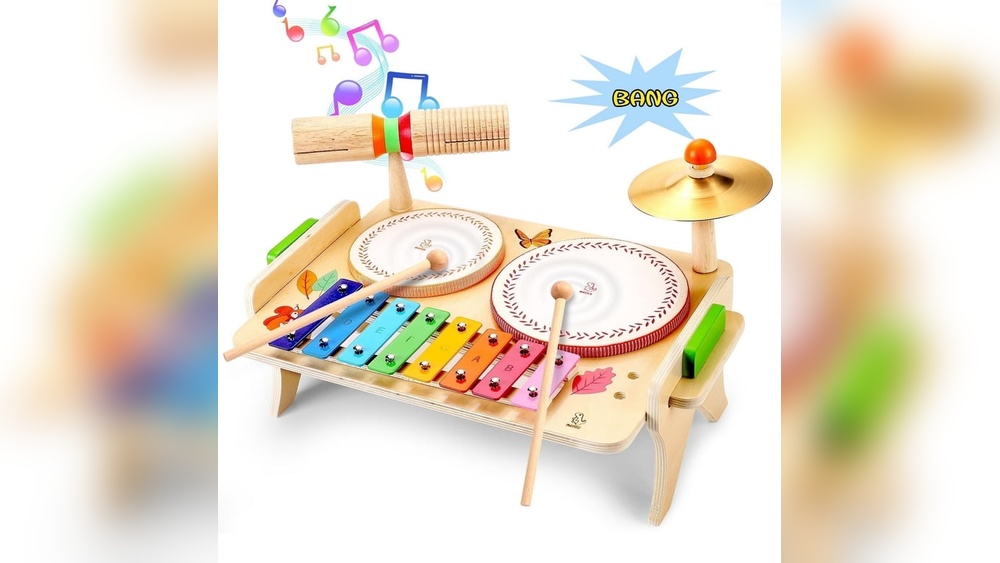
Have you ever watched your toddler bang toys together and wondered why they do it? It might seem noisy or even a little messy, but there’s a lot more happening behind those little actions than you realize.
Understanding why your child loves to make noise with their toys can help you support their growth and keep their curiosity alive. Keep reading to discover the surprising reasons behind this behavior and how it plays a big role in your toddler’s development.
Credit: www.walmart.com
Toddler Play Basics
Toddlers learn about the world through play. They use toys and objects to explore new things. Play helps them understand how things work. It also helps their brain and body grow strong.
Banging toys together is one common way toddlers play. This simple action has many benefits. It teaches them about sounds and how to control their movements.
Exploring Through Sound
Toddlers love making noise. Banging toys creates different sounds to discover. They learn which sounds are loud or soft. This helps their hearing and attention skills. Sound play also encourages curiosity and focus.
Developing Motor Skills
Banging toys helps toddlers build muscle strength. It improves hand-eye coordination. They practice holding, moving, and hitting objects. These actions develop fine and gross motor skills. Strong motor skills support walking, writing, and other tasks.
Sensory Development
Sensory development is a key part of a toddler’s growth. It helps them understand the world around them. Toddlers use their senses to learn new things every day. Banging toys together gives them strong sensory experiences. This play supports their brain and body development.
Tactile Feedback
Toddlers enjoy feeling different textures and shapes. When they bang toys, they sense the hard and soft surfaces. This touch helps them learn about objects. Their hands and fingers get stronger and more skilled. Feeling vibrations through the toys also excites their sense of touch.
Auditory Stimulation
The sound made by banging toys is very interesting to toddlers. It helps them notice cause and effect. They learn that hitting objects creates noise. This sound play supports their listening skills. It also helps toddlers focus and recognize different sounds.
Cognitive Growth
Toddlers banging toys together is more than just noise and fun. It plays a key role in their cognitive growth. This action helps young children learn about the world and their own abilities. Each bang teaches them something new. It builds their thinking skills step by step.
Cause And Effect Learning
Banging toys helps toddlers understand cause and effect. They learn that hitting two toys produces a sound. This simple action shows them how their actions create results. It builds a basic understanding of the physical world. Toddlers begin to expect results from their movements. This helps them develop logical thinking.
Problem-solving Practice
When toddlers bang toys, they also practice problem-solving. They try different ways to make sounds. They notice which hits are loud or soft. This trial and error encourages them to think critically. Toddlers test ideas and learn what works best. This skill is important for future learning and daily challenges.
Emotional Expression
Toddlers use banging toys to show their feelings. This action helps them express joy, frustration, or curiosity. It is a natural way for young children to communicate without words. Banging toys gives toddlers a way to release emotions they cannot yet explain.
Releasing Energy
Toddlers have lots of energy to burn. Banging toys helps them use this energy in a physical way. It feels good to hit and make noise. This action calms their restless bodies and minds. It also helps them focus better afterward.
Seeking Attention
Sometimes toddlers bang toys to get noticed. They want to show others they are there. This noise can bring a parent or caregiver close. Toddlers learn that banging can start interaction. It is their way of asking for attention and care.
Social Interaction
Toddlers bang toys together not just for fun. This action helps them learn how to interact with others. Social interaction is very important for young children. It helps them understand feelings and communication.
Through banging toys, toddlers explore how to share space and play with others. They learn to take turns and observe reactions. This simple act builds early social skills.
Imitating Adults
Toddlers watch adults closely. They often copy what adults do. Banging toys can be a way to imitate sounds or actions they see. For example, banging pots in the kitchen.
This imitation helps toddlers feel connected to grown-ups. It teaches them about cause and effect. They learn what happens when objects hit each other.
Playing With Peers
Toddlers like to play near other children. Banging toys together can be a shared activity. It creates a simple way to join in group play.
This play builds early friendships. Toddlers learn to cooperate and enjoy company. They practice patience and understand social rules.

Credit: www.bee1.com.br
Safety Tips For Parents
Parents want their toddlers to explore safely. Toddlers banging toys together is a natural behavior. It helps them learn about sounds and cause-effect. Safety matters most during this noisy play.
Parents can take simple steps to keep playtime safe. Choosing the right toys and watching closely helps prevent accidents. These tips protect little hands and curious minds.
Choosing Safe Toys
Select toys made from non-toxic materials. Avoid toys with small parts that can break off. Check for sharp edges or points. Pick toys that match your toddler’s age. Look for sturdy toys that won’t easily break. Bright colors and soft textures attract toddlers safely. Read labels carefully before buying any toy.
Supervising Playtime
Stay near your toddler during play. Keep an eye on how they use toys. Stop play if toys are used in unsafe ways. Teach gentle play habits early on. Move away any objects that seem dangerous. Your presence helps toddlers feel secure. Supervision reduces risks of choking or injury.
Encouraging Positive Play
Encouraging positive play helps toddlers learn and grow. It shapes their skills and keeps playtime fun. Toddlers banging toys together is natural. Parents can guide this behavior for better learning.
Positive play builds creativity and motor skills. It also supports language and social growth. Caregivers play a key role in making play safe and meaningful.
Offering Varied Toys
Give toddlers many types of toys to explore. Different shapes, sizes, and textures spark curiosity. Soft blocks, plastic cups, and wooden spoons work well. Varied toys invite new ways to play and learn. This variety keeps toddlers interested longer.
Guiding Exploration
Watch toddlers as they bang toys together. Show how to use toys safely and gently. Offer simple ideas to combine toys differently. Praise their effort and creativity often. Helping toddlers explore teaches control and focus. It also encourages positive interactions with objects.

Credit: www.amazon.com
Frequently Asked Questions
Why Do Toddlers Bang Toys Together?
Toddlers bang toys to explore cause and effect. It helps develop motor skills and hand-eye coordination. This action also allows sensory learning through sound and touch. Banging toys is a natural way for toddlers to understand their environment.
Is Banging Toys A Sign Of Normal Development?
Yes, banging toys is a normal developmental behavior. It indicates curiosity and learning through play. Toddlers use banging to experiment with sounds and object properties. This activity supports cognitive and physical growth during early childhood.
How Does Banging Toys Help Toddlers Learn?
Banging toys teaches toddlers about cause and effect relationships. It improves fine motor skills and hand strength. The sounds produced stimulate auditory development. This play encourages problem-solving and exploration in a safe way.
When Should Parents Be Concerned About Banging Toys?
Parents should watch if banging becomes aggressive or obsessive. If the child shows frustration or harm, consult a pediatrician. Normal banging is playful and exploratory, not destructive. Observing context and frequency helps determine if intervention is needed.
Conclusion
Toddlers bang toys to learn and explore their world. They discover sounds, cause and effect, and develop motor skills. This simple action helps their brain grow strong. It shows curiosity and joy in playing. Parents can join in to encourage learning and bonding.
Understanding why toddlers do this helps adults support their growth. It’s a natural step in early childhood development. Let toddlers explore safely and enjoy their noisy play.
