

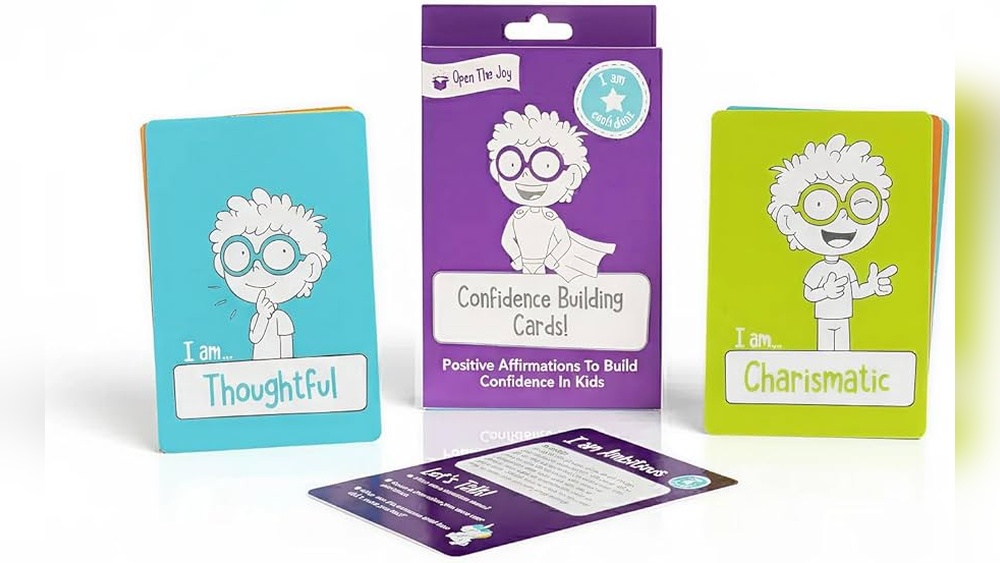
Have you ever noticed how your child’s eyes light up when they play with their favorite toy? That simple moment is more powerful than you might think.
Toys aren’t just for fun—they play a big role in helping your child build self-confidence. When kids interact with toys, they learn new skills, solve problems, and feel proud of their achievements. Imagine giving your child a tool that quietly boosts their belief in themselves every day.
Keep reading to discover how toys can become your secret weapon in raising a confident, happy child.

Credit: www.melissaanddoug.com
Role Of Toys In Child Development
Toys play a key role in child development. They help children learn about themselves and the world. Through play, kids build important skills. These skills support their growth and confidence every day.
Children use toys to explore feelings and practice social skills. Toys also give a safe space to try new things. This helps them become more confident and independent.
Building Emotional Skills
Toys help children understand and express emotions. Dolls and action figures let kids act out feelings. This practice helps them name and manage emotions better. Playing with toys can reduce fear and anxiety. It gives children a way to feel safe and calm. Emotional skills learned through play boost self-confidence.
Encouraging Independence
Toys encourage children to make choices on their own. Puzzles and building blocks challenge kids to solve problems. These activities teach patience and persistence. Children feel proud when they complete a task alone. This pride grows their independence and self-esteem. Independent play with toys helps kids trust their abilities.

Credit: www.amazon.com
Types Of Toys That Boost Confidence
Toys play a big role in helping kids feel confident. Different types of toys support different skills. Some toys spark creativity. Others teach problem-solving. Some encourage physical activity. Each type helps kids believe in themselves. They learn to try new things and enjoy success.
Creative And Imaginative Toys
Creative toys let kids use their imagination. Building blocks, art sets, and dress-up clothes are great examples. These toys help children create stories and ideas. Making something new gives a sense of pride. Kids learn to trust their own thoughts. This builds strong confidence over time.
Educational And Problem-solving Toys
Educational toys teach kids how to think and solve problems. Puzzles, math games, and science kits fit this category. These toys challenge the brain. Kids learn to focus and find answers. Solving problems boosts their belief in their skills. Small wins add up to big confidence.
Physical And Outdoor Toys
Physical toys help kids develop strength and coordination. Bikes, balls, and jump ropes encourage active play. Outdoor toys build courage and risk-taking in a safe way. Moving the body also improves mood and energy. Kids feel proud when they master new physical skills.
How Play Enhances Self-esteem
Play is a natural way for children to build self-esteem. It helps them feel confident and proud of what they can do. Through play, kids learn new skills and solve problems. They try again after failing and feel good when they succeed. Toys and games give children chances to explore and express themselves.
Mastering New Skills
Kids develop new abilities while playing. They learn to stack blocks or solve puzzles. Each success boosts their confidence. They see they can achieve tasks on their own. This sense of achievement builds a positive self-image.
Overcoming Challenges
Play often presents small challenges for children. Figuring out how to fit pieces together or win a game teaches patience. Trying different ways to solve problems shows resilience. Overcoming these challenges helps children believe in their strength.
Receiving Positive Feedback
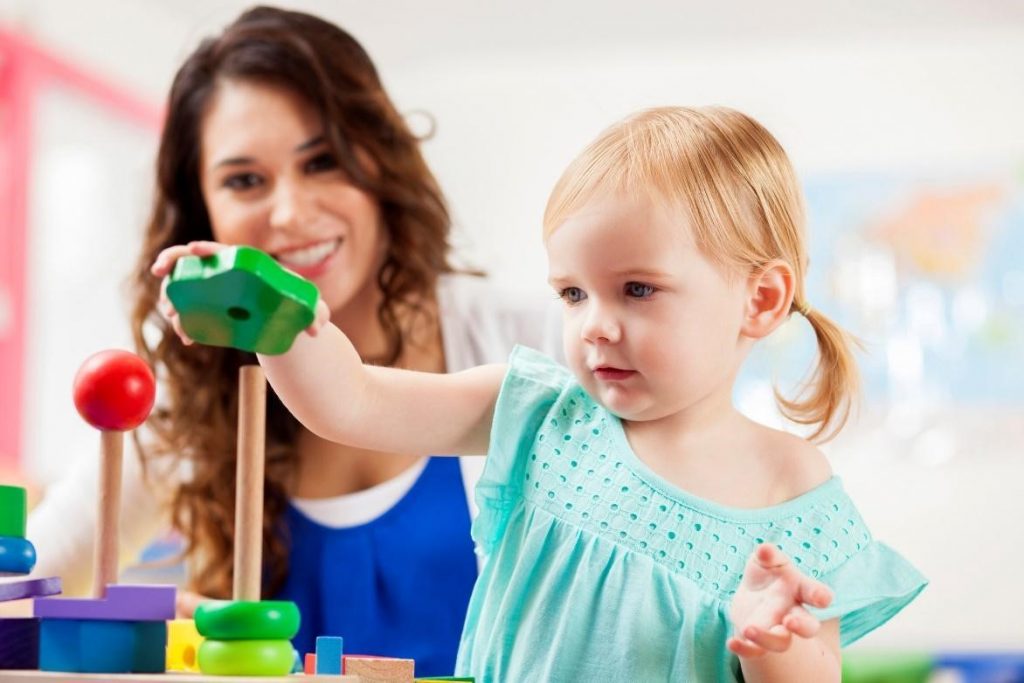
Encouragement from parents or friends during play is powerful. Praise and smiles make children feel valued. Positive feedback reinforces their efforts and progress. It supports their growing self-esteem and desire to keep trying.
Credit: va-itsnetwork.org
Toys That Promote Social Growth
Toys that promote social growth play a big role in building a child’s self-confidence. These toys help kids learn how to interact with others and understand teamwork. They create chances for children to share, listen, and solve problems together. Through play, kids practice important social skills that boost their confidence in group settings.
Encouraging Teamwork
Team-based toys help children learn to work with others. Toys like building sets, board games, and sports gear require kids to cooperate. They teach sharing, taking turns, and respecting others’ ideas. Playing in teams makes children feel part of a group. This sense of belonging builds strong self-esteem.
Improving Communication Skills
Toys that involve role-play or storytelling improve communication. Children practice speaking clearly and listening carefully. Puppets, dolls, and interactive games encourage kids to express thoughts and feelings. These toys help children gain confidence in talking with others. Good communication skills lead to better friendships and social success.
Choosing The Right Toys For Your Child
Choosing the right toys for your child is key to building their confidence. Toys that fit their age and interests help children learn new skills. They also encourage creativity and independence. These factors make playtime fun and meaningful. Thoughtful choices support your child’s growth and happiness.
Age-appropriate Options
Toys should match your child’s age and abilities. Young children need safe, simple toys that develop basic skills. Toddlers enjoy toys that teach shapes, colors, and coordination. Older kids need toys that challenge their thinking and creativity. Age-appropriate toys keep children engaged and avoid frustration.
Considering Interests And Strengths
Choose toys that match your child’s likes and talents. A child who loves drawing may enjoy art supplies. A child who likes building can benefit from blocks or puzzles. Toys that fit strengths boost confidence and encourage practice. Interests help children feel excited and motivated to play.
Creating A Supportive Play Environment
Creating a supportive play environment is key to helping kids build self-confidence. Play spaces should feel safe and inviting. Kids need room to explore and try new things without fear. This freedom lets them learn and grow at their own pace.
Encouragement from parents and caregivers also plays a big role. Positive words and attention boost a child’s belief in their abilities. Supportive adults help kids see mistakes as chances to improve. This mindset helps build strong self-confidence.
Safe And Engaging Spaces
Kids need a safe area to play freely. Soft flooring and child-friendly toys prevent injuries. Clear spaces reduce distractions and keep focus on play. Bright colors and interesting toys invite children to explore. A well-organized space makes it easy to find toys. This independence helps kids feel capable and confident.
Parental Involvement And Encouragement
Parents who join in play show they care. Simple praise like “You did great!” builds self-esteem. Asking questions about the play sparks thinking and creativity. Listening carefully shows respect for the child’s ideas. Gentle guidance helps kids learn new skills. This support makes children feel secure and proud of their efforts.
Frequently Asked Questions
How Do Toys Boost Kids’ Self Confidence?
Toys encourage creativity and problem-solving, helping kids feel capable. Mastering new skills through play builds pride and independence, which boosts confidence naturally.
What Types Of Toys Build Self Confidence?
Building blocks, puzzles, and role-play toys promote skill development. These toys challenge kids, improve focus, and allow safe exploration, enhancing their self-esteem.
Can Playing With Others Improve Confidence?
Yes, social play teaches cooperation and communication. Positive interactions help kids develop trust and self-assurance in group settings.
How Does Imaginative Play Affect A Child’s Confidence?
Imaginative play nurtures creativity and decision-making. It empowers kids to express ideas freely, boosting their belief in their abilities.
Conclusion
Toys play a big role in building kids’ confidence. They help children learn new skills and solve problems. Playing with toys encourages creativity and independence. Kids feel proud when they finish a task or create something. This pride grows their self-esteem step by step.
Giving kids time to play with the right toys supports their growth. It makes learning fun and helps them believe in themselves. Simple play moments can lead to strong, confident kids. Toys are not just for fun—they help children grow inside too.
