

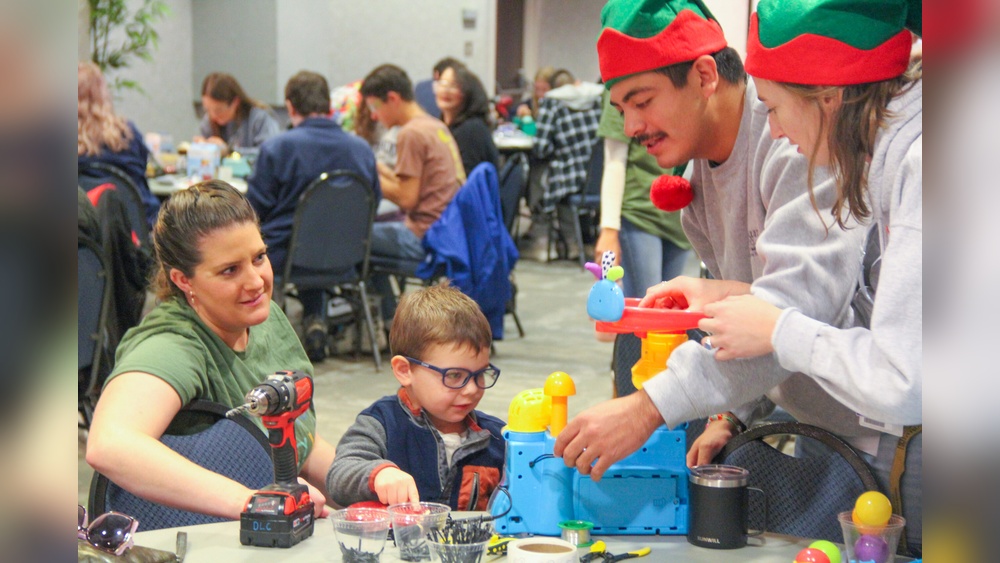
Have you ever noticed your child changing their toys while playing? Maybe they swap parts, add new pieces, or turn a simple doll into a superhero.
This isn’t just random behavior—it reveals something important about how your child thinks and learns. Understanding why kids modify toys can help you support their creativity and growth in ways you might not expect. Keep reading to discover the surprising reasons behind this playful habit and how it shapes your child’s development.
Kids And Toy Modification
Toys are more than just objects for kids. They are tools for creativity and learning. Many children change or modify toys during play. This behavior shows their imagination and problem-solving skills. Modifying toys helps kids express themselves and explore new ideas. It also makes playtime more fun and personal.
Common Ways Children Alter Toys
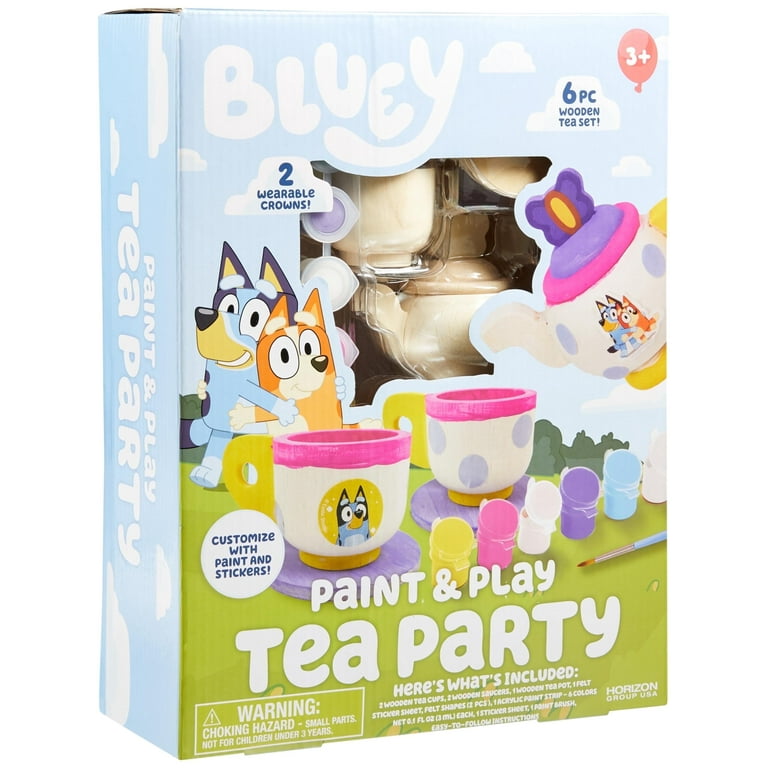
Kids change toys in many ways. Some take toys apart and put pieces back differently. Others add new parts using household items like tape or paper. Some children paint or draw on toys to make them unique. Changing the toy’s function is common, such as turning a car into a spaceship. These changes help kids create stories and new games.
Age Groups And Modification Trends
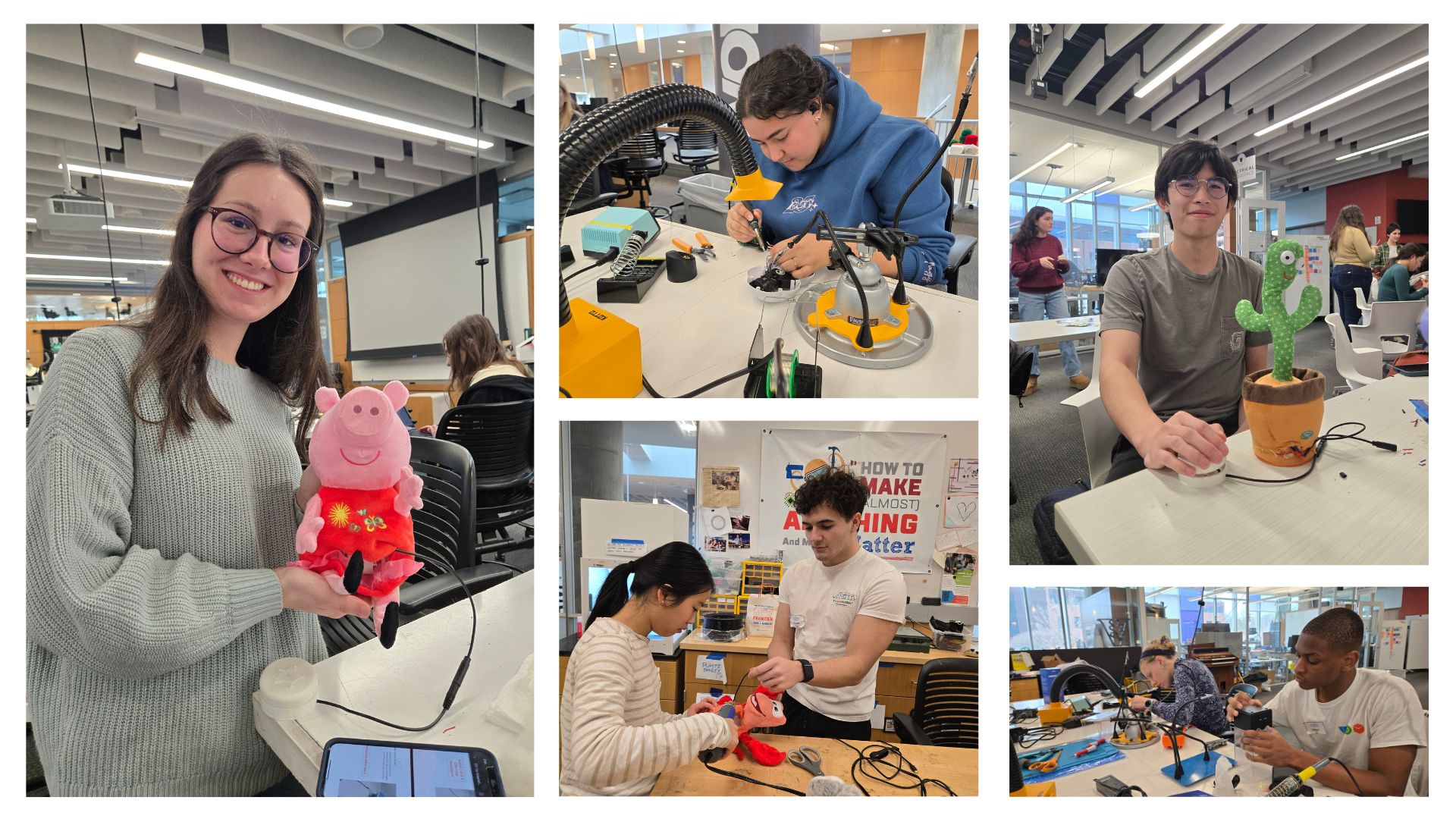
Young children often modify toys by simple actions. They stack blocks or join parts to build something new. Older kids use more complex methods. They combine toys from different sets or add tools to change play. Teenagers might customize toys with paint or electronics. Each age group shows different ways to make toys fit their play style.
Creativity Through Play
Children change toys during play to explore new ideas. This process helps them think beyond the toy’s original use. Play becomes a space for creative expression and learning.
Modifying toys lets kids imagine different stories and roles. It boosts their ability to create and invent. This type of play supports brain growth and emotional development.
Imaginative Thinking Sparks
Changing toys helps children see things in fresh ways. They turn simple objects into new characters or tools. This sparks imagination and encourages storytelling.
Kids enjoy making up worlds and adventures. Imaginative play allows them to explore feelings and ideas safely. It builds confidence and curiosity.
Problem-solving Skills Development
Modifying toys challenges kids to find solutions. They figure out how parts fit or work better together. This improves critical thinking and creativity.
When toys don’t do what they want, children try new ways. This trial and error helps them learn persistence. It teaches patience and logical thinking too.
Emotional Benefits
Kids often change their toys during play to feel good inside. This simple act helps them grow emotionally. It supports their mental health and personal growth. Modifying toys gives children a chance to explore feelings and build self-esteem.
Building Confidence
Changing toys helps children feel proud of their choices. They learn to trust their ideas and skills. This boosts their confidence step by step. Each small success builds a stronger sense of self. Confidence helps kids try new things without fear.
Expressing Individuality
Kids show who they are by changing toys. They add their style and thoughts to the toy. This makes playtime unique and special. Expressing themselves helps kids feel understood and valued. It encourages creativity and personal identity.
Credit: www.vanderbilt.edu
Cognitive Growth
Children changing their toys during play helps their brains grow. This kind of play supports thinking skills. It allows kids to learn by doing and exploring. Their minds get better at solving problems and understanding new ideas. Modifying toys is more than fun; it is a way to build important skills.
Enhancing Fine Motor Skills
Changing toys helps children practice small movements. These include picking up pieces or twisting parts. Such actions make their fingers and hands stronger. Kids improve control and coordination with repeated play. These skills are key for writing, drawing, and daily tasks.
Boosting Spatial Awareness
Playing with toys in new ways teaches kids about space. They learn how objects fit and move around each other. This improves their ability to judge distance and size. Spatial skills are important for math, reading maps, and sports. Modifying toys helps children understand the world better.
Social Interaction
Social interaction plays a big role in why kids change their toys during play. It helps them connect with friends and learn how to work together. Through play, children practice talking, sharing, and solving problems with others.
Collaborative Play And Sharing Ideas
Kids often play with others and like to share their toy ideas. They change toys to fit the story they create together. This teamwork makes playtime more fun and creative. Each child adds their own touch to the toy, making it unique. Sharing ideas also helps kids feel included and heard.
Learning Negotiation And Compromise
Modifying toys helps children learn to agree with friends. They discuss what changes to make and why. Sometimes, kids must give up their original plan to keep everyone happy. This teaches them to listen and find middle ground. These skills are important for friendships and future social situations.
Credit: www.walmart.com
Parental Perspectives
Parents often notice their children change toys during play. This behavior shows creativity and problem-solving. Parents have different views on toy modification. Some see it as a chance to learn. Others worry about safety or damage. Understanding these views helps parents support their kids better.
Encouraging Safe Modification
Parents want kids to explore safely. They teach children which toys can change. Small parts and sharp edges need care. Parents set rules about tools and materials. Supervision helps prevent accidents. Safety makes playtime fun and worry-free.
Balancing Structure And Freedom
Kids need some limits to stay safe. Too many rules can stop creativity. Parents find a middle ground. They offer guidance but allow choices. This balance helps children grow confident. Kids learn to respect toys and rules.
Educational Implications
Kids changing their toys during play shows their natural curiosity and creativity. This behavior has many educational benefits. It helps children learn problem-solving skills and think in new ways. Modifying toys also supports fine motor skills and hand-eye coordination. Play becomes a chance to explore ideas and test solutions. These learning moments are important in early childhood development.
Incorporating Toy Modification In Learning
Teachers and parents can use toy modification to enhance learning. They can encourage kids to change toys to solve simple problems. This helps children understand cause and effect clearly. It also builds confidence in trying new ideas. In classrooms, kids can work in groups to modify toys. This teaches teamwork and communication skills. Regular play with toy modification makes learning active and fun.
Tools And Materials To Support Creativity
Providing the right tools helps children explore toy modification safely. Items like child-safe scissors, glue, and tape are useful. Simple craft materials such as paper, fabric, and markers inspire creativity. Recyclable items like boxes and bottles add variety. These materials let kids personalize their toys easily. A creative space stocked with these tools invites children to experiment freely. This hands-on approach encourages learning through doing.
Future Trends
Children have always enjoyed changing their toys during play. This habit shows creativity and curiosity. Future trends in toy modification combine new technology and environmental awareness. These trends aim to make playtime more fun and meaningful for kids.
Tech-enhanced Toy Customization
Toys now come with digital features that children can change. Apps let kids design colors, sounds, and movements. Some toys connect to tablets or phones for easy updates. This technology helps children feel more involved in their play. It also teaches basic tech skills in a fun way.
Sustainable And Diy Toy Movements
More families choose eco-friendly toys that kids can build or change. These toys use recycled materials or natural resources. DIY kits let children create parts and decorate them. This trend supports creativity and care for the planet. It also teaches kids the value of making and fixing things.

Credit: www.yourtherapysource.com
Frequently Asked Questions
Why Do Kids Change Toys During Playtime?
Kids modify toys to express creativity and explore new ideas. It enhances problem-solving skills and keeps play engaging and fun.
How Does Toy Modification Benefit Child Development?
Modifying toys improves fine motor skills, imagination, and cognitive abilities. It encourages independent thinking and boosts emotional growth.
What Motivates Children To Alter Their Toys?
Children alter toys to personalize them and make play more meaningful. Curiosity and the desire for control also drive this behavior.
Are Toy Modifications Safe For Kids?
Toy modifications can be safe if supervised and done with child-friendly materials. Always ensure toys remain free of sharp edges or small parts.
Conclusion
Kids change toys because they want to explore and create. This helps them learn new skills and solve problems. Modifying toys makes playtime more fun and personal. It shows their imagination and builds confidence. Parents and teachers should support this natural behavior.
Letting kids tinker helps them grow and think in new ways. Play is not just fun; it’s a way to learn and discover. Watching children modify toys reveals how curious and smart they really are.
