

Have you ever wondered how something as simple as a toy can shape your toddler’s brain? Toys aren’t just for fun—they are powerful tools that help your child learn without even realizing it.
When your toddler plays, they are exploring, discovering, and making sense of the world around them. Imagine giving your little one the chance to grow smarter, more creative, and confident—all through play. Keep reading to find out exactly how toys can boost your toddler’s learning and why choosing the right ones matters for their development.

Credit: msehs.org
Benefits Of Play For Toddlers
Play is a natural way toddlers learn about the world. Toys make this learning fun and exciting. Through play, toddlers explore, discover, and understand new things. This helps their overall growth in many ways.
Cognitive Growth
Toys help toddlers think and solve problems. Puzzles and blocks teach shapes and colors. Playing with toys improves memory and attention. Toddlers learn cause and effect by experimenting. This builds strong brain connections for future learning.
Emotional Development
Playing with toys helps toddlers express feelings. They learn to share and take turns. Role-playing with dolls or figures builds empathy. Toys create a safe space to explore emotions. This supports confidence and social skills.
Physical Skills
Toys encourage movement and coordination. Building blocks develop fine motor skills. Balls and push toys improve balance and strength. Play helps toddlers control their body better. Physical skills from play support daily activities.

Credit: www.lighthousewillis.com
Types Of Toys That Boost Learning
Toys play a big role in how toddlers learn. They help children explore, understand, and enjoy new skills. Different toys target different areas of learning. Choosing the right toys makes playtime more helpful for growth.
Here are some types of toys that boost learning in toddlers. Each type supports important skills like thinking, moving, and talking.
Sensory Toys
Sensory toys engage a toddler’s senses. They include items with different textures, sounds, and colors. Toys like squishy balls, rattles, and textured books help children explore touch and sound. These toys improve focus and calm restless kids. They also build fine motor skills as toddlers hold and move objects.
Building Blocks
Building blocks teach problem-solving and creativity. Toddlers stack, sort, and arrange blocks in many ways. This helps them learn shapes, sizes, and balance. Playing with blocks improves hand-eye coordination. It also encourages thinking about cause and effect. Blocks are simple but powerful tools for brain growth.
Pretend Play Sets
Pretend play sets include toy kitchens, doctor kits, and dolls. They encourage imagination and social skills. Toddlers learn to act out daily routines and stories. This kind of play improves language and emotional skills. It also helps children understand others’ feelings and roles. Pretend play makes learning fun and meaningful.
Encouraging Creativity And Imagination
Encouraging creativity and imagination plays a big role in toddler development. Playtime is more than fun; it helps children think in new ways. Toys that inspire imagination support learning and growth. Toddlers explore ideas and express themselves freely. This freedom builds confidence and problem-solving skills.
Role Of Open-ended Toys
Open-ended toys do not have a fixed way to play. Blocks, dolls, and simple shapes allow many uses. Toddlers create stories, build structures, or pretend. These toys let children use their minds fully. They learn to make choices and solve problems. Open-ended toys keep toddlers curious and engaged.
Using Art And Craft Materials
Art supplies like crayons, paper, and clay spark creativity. Toddlers try new colors and shapes. They express feelings through drawing or molding. Craft time helps develop fine motor skills too. It encourages imagination without strict rules. Toddlers enjoy making things their own way.
Enhancing Social Skills Through Play
Playtime is more than fun for toddlers. It is a vital way they grow social skills. Toys help children interact and understand others. They learn important lessons about being part of a group. Social skills build the foundation for friendships and teamwork.
Through play, toddlers practice sharing, taking turns, and cooperating. These moments teach empathy and patience. Toys create situations where children talk, listen, and solve problems together. Play also helps toddlers understand emotions and respect rules.
Sharing And Cooperation
Toys encourage toddlers to share with others. They learn that taking turns makes play more enjoyable. Children discover how to wait patiently for their turn. Cooperation grows as they work together to build or create. Sharing toys helps toddlers develop kindness and fairness. This skill strengthens friendships and reduces conflicts.
Language Development
Playing with toys boosts toddlers’ language skills. They use words to express ideas and feelings. Talking about toys builds vocabulary and sentence skills. Toddlers ask questions and follow simple instructions. Group play encourages listening and responding. These skills are key for clear communication and social success.
Choosing Age-appropriate Toys
Choosing age-appropriate toys is key for toddlers to learn effectively through play. Toys that match a child’s age support growth and keep them interested. These toys help build skills like problem-solving, motor control, and language. Selecting the right toys also ensures safety and fun. Parents and caregivers should consider the child’s abilities and needs when choosing toys.
Safety Considerations
Safety is the top priority when selecting toys for toddlers. Toys must be free of small parts that can be swallowed. Materials should be non-toxic and sturdy to avoid breaks. Look for toys with smooth edges to prevent cuts or scratches. Check labels for safety certifications and age recommendations. Toys designed for toddlers must meet strict safety rules.
Matching Toys To Developmental Stages
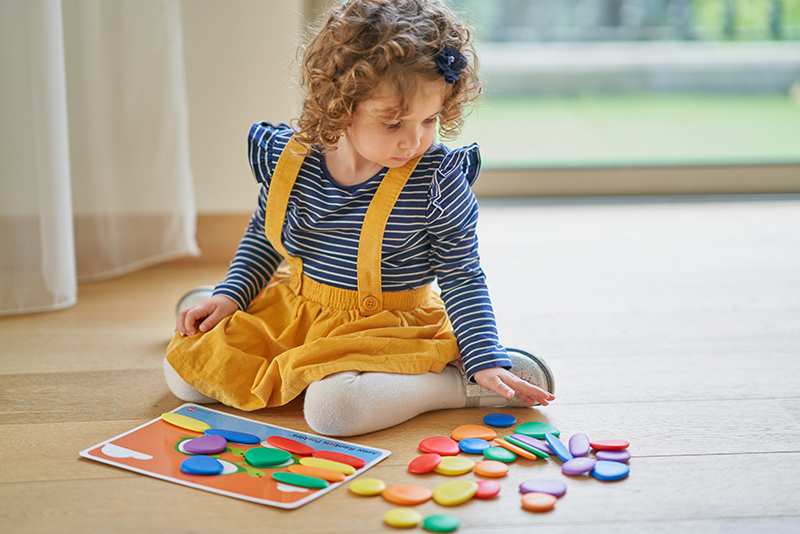
Each toddler grows at their own pace. Toys should fit their current skills and interests. For infants, soft toys and rattles help develop senses and hand movement. Toddlers who walk benefit from push toys and ride-ons to improve balance. Puzzles and blocks teach problem-solving and hand-eye coordination. Picking toys that match development boosts learning and confidence.
Credit: edxeducation.com
Tips For Parents To Maximize Playtime
Playtime is a key part of toddler learning. Parents can help by making playtime fun and useful. Small changes can make a big difference. Here are tips to get the most from play sessions.
Creating A Stimulating Environment
Set up a safe and inviting space for your toddler. Use colorful toys and books that catch their eye. Rotate toys to keep things fresh and exciting. Include items that encourage touching, building, and moving. A quiet corner helps focus and calm down. Soft lighting and minimal noise aid concentration. Make sure toys suit your child’s age and skills. This helps avoid frustration and supports growth.
Balancing Guided And Free Play
Join your toddler in play, but let them lead. Offer ideas or questions to spark thinking. Step back sometimes and watch your child explore alone. Free play builds creativity and problem-solving skills. Guided play teaches new words and concepts gently. Switch between both types to keep learning strong. Watch your child’s cues to know when to help or step aside.
Frequently Asked Questions
How Do Toys Support Toddlers’ Cognitive Development?
Toys stimulate toddlers’ thinking and problem-solving skills. They encourage exploration, imagination, and understanding of cause and effect. Playing with toys helps toddlers learn shapes, colors, and numbers, building a strong cognitive foundation for future learning.
What Role Do Toys Play In Social Skill Development?
Toys promote sharing, cooperation, and communication among toddlers. Playing with others using toys teaches turn-taking and empathy. These social interactions help toddlers develop crucial interpersonal skills and emotional understanding.
Can Toys Improve Toddlers’ Motor Skills?
Yes, many toys enhance fine and gross motor skills. Manipulating blocks, puzzles, or drawing tools strengthens hand-eye coordination and dexterity. Active play with balls or ride-ons develops balance and overall body control.
Why Is Imaginative Play With Toys Important For Toddlers?
Imaginative play fosters creativity and emotional expression. It helps toddlers understand the world by pretending and experimenting with roles. This type of play boosts language skills and problem-solving abilities.
Conclusion
Toys play a big role in a toddler’s learning journey. They help children explore new ideas and practice skills. Playing with toys builds creativity, thinking, and coordination. Toddlers also learn to share and solve problems while having fun. Choosing the right toys supports growth in many areas.
Playtime becomes a chance to discover and enjoy learning every day. Keep toys simple, safe, and suitable for your child’s age. This way, toddlers stay curious and eager to learn through play.
