

Have you ever wondered why your child reaches for one toy again and again, while others gather dust? It’s not just about bright colors or flashy buttons.
There’s a hidden reason behind their choices, tied to how they feel, think, and explore the world. Understanding why kids prefer certain toys over others can help you pick the perfect playthings that truly capture their imagination and keep them engaged.
Keep reading, and you’ll discover the surprising secrets that influence your child’s toy favorites—and how you can use this knowledge to make playtime more fun and meaningful.
Factors Influencing Toy Preferences
Toys capture children’s attention in many ways. Their choices depend on several key factors. These factors shape what kids find fun and engaging. Understanding them helps explain why some toys stand out more than others.
Each child is unique, but common influences guide their preferences. Age, gender, and culture play big roles in these decisions. These elements affect how kids see toys and what they want to play with most.
Role Of Age And Development
Children’s toy preferences change as they grow. Younger kids like toys that are simple and colorful. These toys help develop basic skills like grasping and crawling. Older children choose toys that challenge their thinking and creativity. Their motor skills and imagination grow, so toys must match their abilities. Toys that fit their development stage keep them interested longer.
Impact Of Gender Stereotypes
Many kids follow gender norms when picking toys. Boys often choose cars, action figures, or building sets. Girls may prefer dolls, kitchen sets, or dress-up toys. These choices come from society’s ideas about what boys and girls should like. Toys marketed specifically for boys or girls reinforce these stereotypes. This limits kids from exploring all kinds of play.
Cultural Influences On Choices
Culture shapes what toys children see and want. Some cultures value educational toys, while others focus on traditional games. Popular characters and stories differ worldwide. This affects the types of toys children enjoy. Family traditions and community also guide toy preferences. Kids often play with toys that reflect their cultural background.

Credit: www.amazon.com
Psychological Drivers Behind Toy Choices
Children’s toy preferences reveal much about their minds and feelings. Toys are not just objects for fun. They meet deep psychological needs. These needs guide kids toward certain toys over others. Understanding these drivers helps us see why a child chooses one toy and ignores another.
Each child’s choice reflects comfort, imagination, and social ties. These factors shape how kids play and learn. They also influence emotional growth. Exploring these psychological reasons shows the powerful role toys play in childhood.
Comfort And Familiarity
Kids often prefer toys that feel safe and known. Soft toys or favorite dolls bring a sense of comfort. These toys act like friends during stressful times. Familiar toys help children relax and feel secure. This comfort builds trust and emotional safety.
Imaginative Play And Creativity
Toys that spark imagination attract many children. Building blocks, costumes, and art supplies invite creative play. These toys let kids invent stories and worlds. Imaginative play boosts problem-solving and thinking skills. Creative toys keep children curious and engaged longer.
Social Connection And Peer Influence
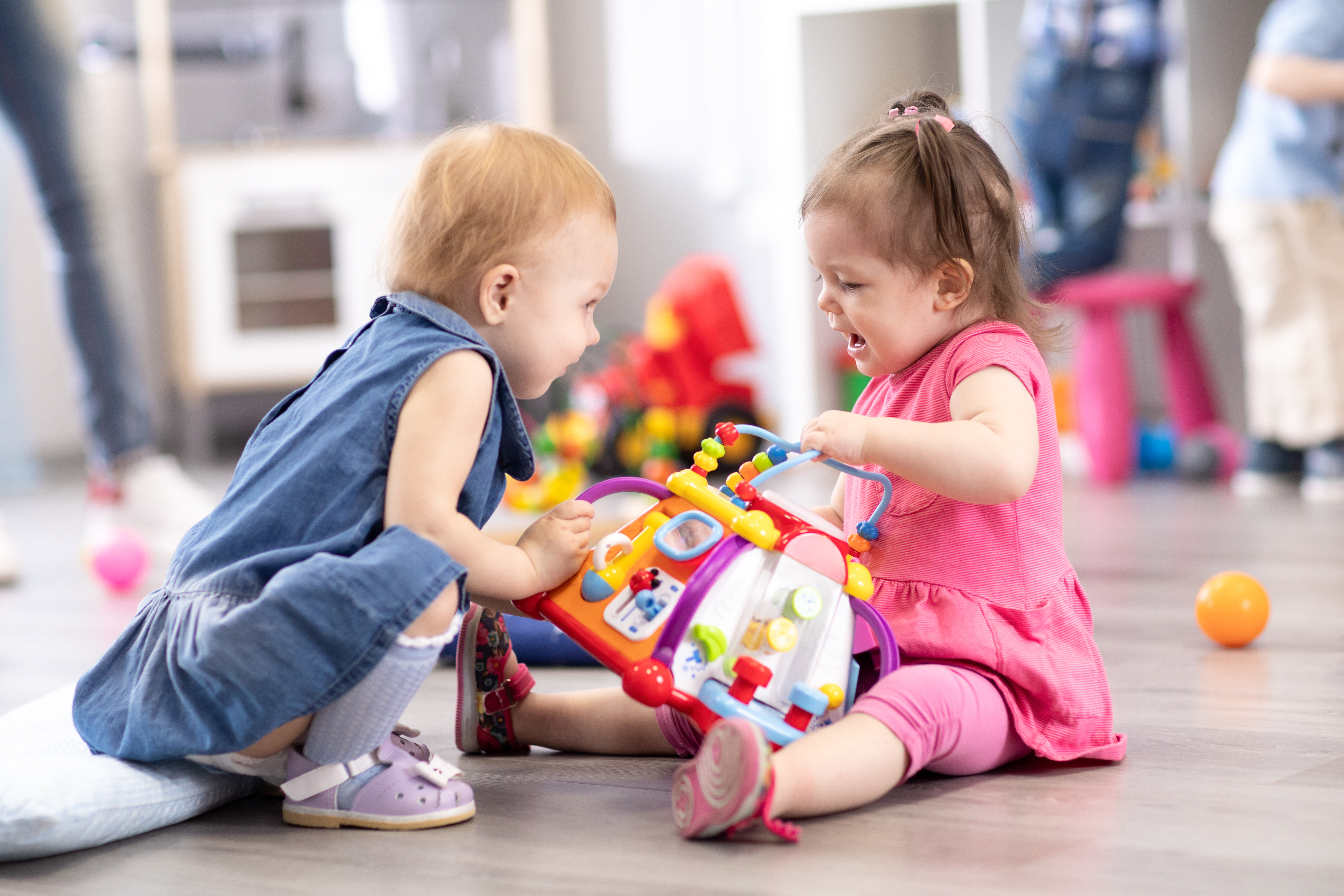
Friendship plays a big role in toy choice. Kids like toys their friends enjoy. Sharing toys creates bonds and happy moments. Peer approval often guides what children want to play with. Social toys encourage teamwork and communication skills.
Design Elements That Attract Kids
Toys that attract kids have special design elements. These elements catch their eyes and keep their interest. Understanding these features helps explain why some toys are more popular. Design plays a big role in making toys fun and exciting.
Simple shapes and bright colors make toys look friendly. Features that respond to touch or sound create fun experiences. Also, toys with familiar characters or brands feel like friends. These design parts work together to draw kids in.
Colors And Shapes
Bright colors like red, yellow, and blue grab kids’ attention fast. Kids see these colors as happy and exciting. Rounded shapes look safe and easy to hold. Sharp edges can scare or hurt, so kids avoid those toys. Simple, bold shapes help kids understand how to use toys.
Interactive Features
Kids love toys that move, make sounds, or light up. These features make play active and fun. Buttons, switches, and levers invite kids to explore. Toys that respond to touch keep kids interested longer. Interaction helps kids learn cause and effect.
Character And Brand Appeal
Toys with popular characters feel familiar and special. Kids connect with characters from TV or books. Brands with trusted quality also attract parents and kids. Characters create stories in kids’ minds during play. This connection makes toys more meaningful and fun.
Parental Role In Toy Selection
Parents play a big role in choosing toys for their children. Their choices shape what kids play with daily. Toys influence learning, creativity, and social skills. Parents can guide children to explore new ideas and skills through toys. The right toy can make playtime both fun and educational. Understanding the parental role helps explain why kids prefer some toys over others.
Encouraging Exploration
Parents should pick toys that invite kids to discover new things. Toys that spark curiosity help children learn about the world. Open-ended toys like blocks or art supplies let kids use their imagination. Exploration builds problem-solving skills and confidence. Parents can watch and support as children try new activities.
Avoiding Bias In Choices
Parents must avoid choosing toys based on gender stereotypes. Toys should match a child’s interest, not just their gender. Offering different types of toys helps kids find what they truly like. Avoiding bias encourages freedom and creativity. It helps children develop a wide range of skills and interests.
Balancing Education And Fun
Toys should teach and entertain at the same time. Educational toys make learning enjoyable and keep kids engaged. Parents should look for toys that mix fun with skill-building. This balance helps children stay interested longer. It also supports growth in areas like language, math, or coordination.
Trends Shaping Toy Popularity
Toy popularity changes with new trends. Kids choose toys that match what is popular and fun. These trends influence what toys catch their interest and stay in demand.
Understanding these trends helps explain why some toys become favorites fast. Let’s explore the main trends shaping toy popularity today.
Technology Integration
Kids love toys that use new technology. Toys with lights, sounds, and apps feel exciting. They offer more ways to play and learn. Interactive toys keep children engaged longer. Technology makes playtime more fun and dynamic. Many kids prefer toys that connect with their devices.
Eco-friendly And Sustainable Toys
Many parents choose toys made from natural materials. Wood, cotton, and recycled plastics are common choices. These toys are safer and better for the planet. Kids enjoy toys that look nice and feel good. Eco-friendly toys teach children about caring for Earth. This trend grows as people want greener products.
Influence Of Media And Advertising
TV shows, movies, and cartoons affect toy choices. Kids want toys linked to their favorite characters. Advertising shows toys in fun and exciting ways. This makes children eager to own those toys. Media creates strong connections between play and imagination. Ads often highlight new features and colors.

Credit: www.todaysparent.com
Credit: www.peacefulparenthappykids.com
Frequently Asked Questions
Why Do Kids Prefer Some Toys Over Others?
Kids prefer toys that match their interests, age, and skill level. Bright colors and interactive features also attract them. Emotional connection and peer influence play important roles in toy preference.
How Does Age Affect Toy Choices In Children?
Children’s toy preferences change with age as their skills and interests develop. Younger kids like simple, sensory toys, while older kids prefer complex, imaginative playthings.
What Role Does Safety Play In Toy Selection?
Safety is crucial for kids and parents. Toys must be non-toxic, durable, and free from small parts that pose choking hazards.
Do Gender Stereotypes Influence Toy Preferences?
Yes, societal norms often shape kids’ toy choices, encouraging boys toward action toys and girls toward dolls. However, many kids explore beyond stereotypes.
Conclusion
Kids choose toys that feel fun and special to them. Bright colors and easy shapes catch their eyes first. Toys that let them imagine or move their hands keep their interest longer. Friends and family also influence their favorites. Understanding these reasons helps parents pick toys kids will enjoy.
Every child is different. Their choices teach us about their world. Toys are more than playthings—they shape learning and joy.
