

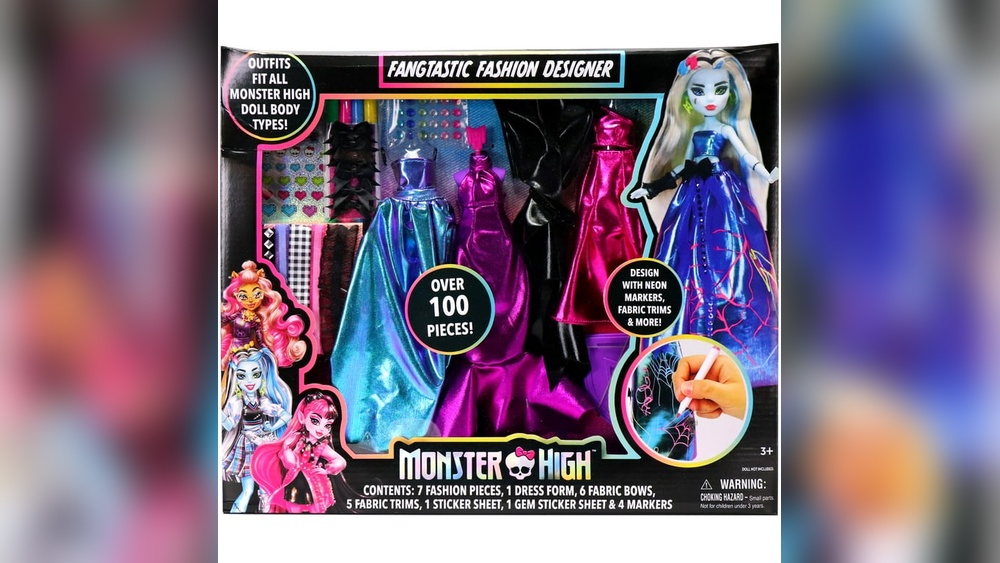
Have you ever wondered why your child is so drawn to toys with small parts? It’s not just about fun or play—there’s something deeper happening in their mind.
These tiny pieces spark curiosity, creativity, and even a sense of achievement. If you want to understand what makes these toys so special and how they help your child grow, keep reading. You’ll discover surprising reasons that might change the way you see your kid’s favorite playthings.
Appeal Of Small Parts
Toys with small parts attract many children. These toys offer more than just fun. They provide hands-on experiences that children enjoy deeply. Small pieces invite kids to explore and use their senses. The appeal lies in how these toys challenge and engage young minds.
Tactile Engagement
Small parts allow children to touch and feel different shapes and textures. This hands-on play helps develop fine motor skills. Kids learn to grasp, pinch, and move tiny pieces carefully. The physical interaction keeps them interested and focused.
Sense Of Accomplishment
Completing a toy with small parts gives children a strong sense of pride. Putting pieces together correctly feels rewarding. This success boosts their confidence and motivates them to try more complex tasks. Each finished project becomes a small victory.
Challenge And Skill Building
Small parts create puzzles and challenges for young minds. Children practice problem-solving by figuring out how pieces fit. This process improves patience and concentration. Toys with small parts encourage learning through play and discovery.
Credit: www.bestbuy.com
Boosting Creativity
Toys with small parts help children grow their creativity. These toys encourage kids to think in new ways. They allow children to explore ideas and express themselves freely. Small pieces fit together in many ways. This lets kids invent stories and designs all on their own.
Imaginative Play
Small parts spark kids’ imagination. They create new worlds and characters using the pieces. Each part can become anything in their mind. A simple block can turn into a spaceship or a castle. This play helps children dream and imagine without limits.
Open-ended Possibilities
Toys with small parts do not have fixed rules. Kids decide how to use each piece. They build different shapes and patterns every time. This freedom boosts problem-solving and flexible thinking. Children learn that mistakes can lead to new ideas.
Customizing And Building
Kids love to build and change their creations. Small parts fit together in unique ways. They can add, remove, or rearrange pieces easily. This hands-on activity improves focus and fine motor skills. Creating something personal gives children pride and joy.
Developmental Benefits
Toys with small parts offer more than just fun. They help children grow in many ways. Playing with these toys supports important skills needed for daily life and learning. Kids can develop abilities that prepare them for school and social activities.
Fine Motor Skills
Handling small parts helps children improve their finger control. Picking up tiny pieces strengthens hand muscles. It also teaches precision and coordination. These skills are essential for writing, drawing, and using tools.
Problem-solving Abilities
Small-part toys encourage kids to think carefully. They learn to figure out how pieces fit together. This builds critical thinking and planning skills. Children feel proud when they solve puzzles or build something new.
Spatial Awareness
Playing with small parts improves a child’s understanding of space. They learn how objects relate to each other in size and position. This skill helps with math, reading maps, and everyday tasks like packing.
Credit: www.walmart.com
Safety Considerations
Toys with small parts can be fun and help children learn. They encourage creativity and fine motor skills. But safety matters a lot. Small pieces can be dangerous if not used properly. Parents and caregivers must know how to keep kids safe while playing.
Age Recommendations
Every toy has an age label. This label shows the right age to play with it. Small parts are often a choking hazard. Toys with tiny pieces are usually for kids over three years old. Follow these guidelines strictly to avoid accidents.
Supervision Tips
Always watch young children during playtime. Supervise kids using toys with small pieces. Stay close and pay attention to their actions. Teach children to use toys correctly and safely. Remove toys with small parts from toddlers and infants.
Choosing Quality Toys
Choose toys made from safe materials. Check for strong and secure small parts. Avoid toys with loose or easily broken pieces. Look for labels that say toys pass safety tests. Quality toys reduce risks and last longer.
Popular Toys With Small Parts
Popular toys with small parts capture children’s attention and spark their creativity. These toys challenge kids to use their hands and minds together. Small pieces make playtime more interesting and rewarding. Kids enjoy sorting, building, and creating with tiny parts. These activities help develop fine motor skills and patience.
Many types of toys with small parts are favorites among children. Each type offers unique ways to explore and learn. Here are some popular examples that kids love.
Building Sets
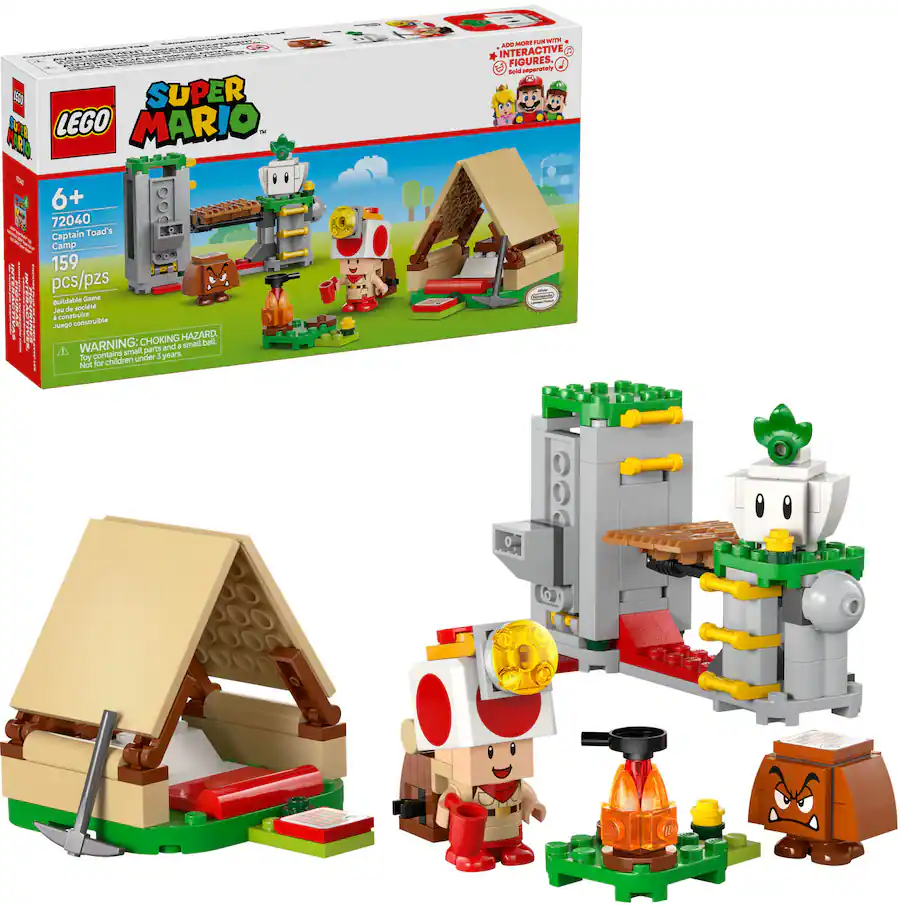
Building sets come with many small blocks or pieces. Kids connect these parts to make cars, houses, or animals. This type of toy encourages imagination and problem-solving. It also teaches kids how parts fit together. Building sets often include instructions or ideas for new creations.
Miniature Figures
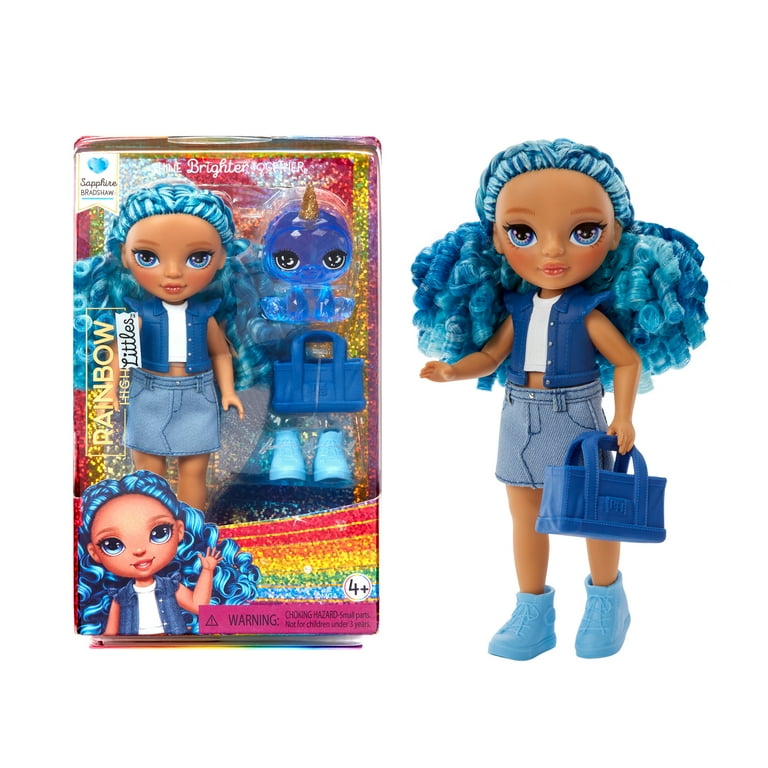
Miniature figures are small toys shaped like people, animals, or characters. Kids enjoy collecting and playing with them. These figures allow children to create stories and role-play. Small parts add detail and make the play more realistic. They help kids develop social skills by acting out scenes.
Puzzle Toys
Puzzle toys have small pieces that fit together to form a picture or shape. Children feel proud when they complete a puzzle. These toys improve memory and concentration. Puzzle toys come in many sizes and difficulty levels. They challenge kids to think carefully and be patient.
Encouraging Positive Play
Encouraging positive play helps children enjoy toys with small parts safely. It teaches them focus and patience. Kids learn to use their hands and minds together. This kind of play boosts creativity and problem-solving skills. Parents can guide children to make playtime fun and safe.
Creating Play Zones
Set up special areas for playing with small toys. These zones keep toys in one place. It helps kids find parts easily and reduces mess. Clear spaces make play more enjoyable and less stressful. Use mats or trays to keep parts from rolling away.
Organizing Small Parts
Use containers or boxes to sort small toy pieces. Label each container for easy identification. Teaching kids to organize helps them care for their toys. It also speeds up cleanup time. Organized toys reduce the chance of losing parts.
Balancing Screen Time
Limit time spent on phones or tablets. Encourage children to play with physical toys instead. Hands-on play supports brain growth and fine motor skills. Balance helps kids stay active and creative. Small parts toys offer a break from screens and boost learning.

Credit: www.ebay.com
Frequently Asked Questions
Why Do Kids Prefer Toys With Small Parts?
Kids enjoy toys with small parts because they challenge fine motor skills. These toys encourage creativity and problem-solving. They also offer a sense of accomplishment when assembling or manipulating pieces. Small parts make playtime more engaging and interactive, keeping children entertained longer.
Are Toys With Small Parts Safe For Young Children?
Toys with small parts can pose choking hazards for children under three. Always check age recommendations before buying. Supervision during play is essential to ensure safety. Proper storage of small parts prevents accidental swallowing. Choose toys with non-toxic materials for added safety.
How Do Small Parts Toys Aid Child Development?
Small parts toys improve hand-eye coordination and dexterity. They boost cognitive skills through sorting and building activities. These toys promote focus and patience during play. They also enhance spatial awareness and creativity. Overall, they support multiple areas of early childhood development.
Can Small Parts Toys Improve Problem-solving Skills?
Yes, small parts toys often involve puzzles or construction challenges. Kids learn to think critically and plan steps. They develop persistence by overcoming play obstacles. These toys encourage trial and error learning. Problem-solving skills gained benefit academic and real-life situations.
Conclusion
Kids enjoy toys with small parts because they spark creativity and focus. These toys help improve hand skills and teach patience. Small pieces make playtime more exciting and challenging. Kids feel proud when they build or solve puzzles with tiny parts.
Parents should always watch closely to keep play safe. Choosing age-appropriate toys ensures fun without risks. Toys with small parts offer learning and joy in one package. Simple, fun, and educational — that’s why kids love them.
