

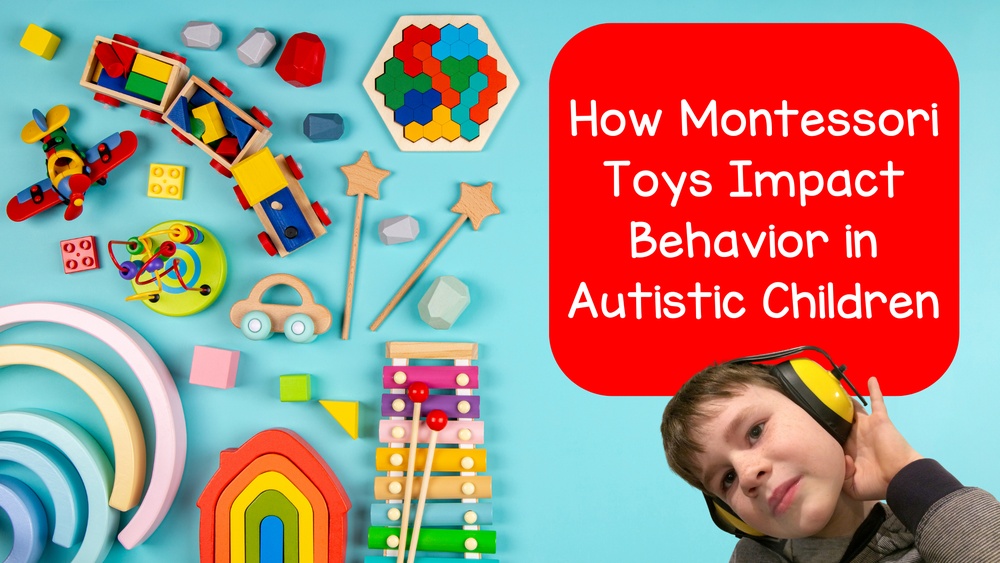
Have you ever wondered why your toddler acts a certain way after playing with a toy? The toys your child chooses can shape their behavior more than you might think.
Understanding how toys affect toddler behavior can help you guide your little one toward positive habits and healthy development. Keep reading to discover surprising facts and simple tips that can make a big difference in your child’s growth and happiness.
Role Of Toys In Toddler Development
Toys play a big role in how toddlers grow and learn. They are more than just fun objects. Toys help children explore the world around them. They support many parts of a toddler’s development. From thinking skills to feelings and social play, toys guide young minds every day.
Choosing the right toys can help toddlers develop important skills. Each type of toy offers different learning chances. They can challenge a child’s brain, encourage emotions, and teach how to play with others. Understanding these benefits shows why toys matter so much for toddlers.
Cognitive Growth And Learning
Toys help toddlers build their thinking skills. Puzzles, blocks, and sorting games teach problem-solving. These toys improve memory and attention too. Toddlers learn cause and effect by playing with simple toys. This kind of play helps their brain grow strong and sharp.
Emotional Expression Through Play
Toys give toddlers a way to show their feelings. Dolls and stuffed animals allow children to express care and love. Playing with different toys can reduce stress and fear. Toddlers learn to name their emotions as they play. This helps them understand themselves and others better.
Social Skills And Interaction
Toys encourage toddlers to play with friends and family. Sharing toys teaches patience and kindness. Group play helps children learn cooperation and taking turns. Role-playing toys help toddlers practice real-life social situations. These skills build confidence and help them connect with others.

Credit: www.compleatkidz.com
Types Of Toys And Their Impact
Toys play a big role in shaping toddler behavior. Different types of toys help children learn and grow in many ways. Each toy type supports a specific area of development. Understanding these types can guide parents and caregivers in choosing the best toys for toddlers.
Choosing the right toys encourages positive behavior and skills. Toddlers explore the world through play. The toys they use affect their thinking, creativity, and movement.
Educational Toys And Brain Stimulation
Educational toys boost brain development in toddlers. Puzzles, blocks, and shape sorters improve problem-solving skills. These toys challenge toddlers to think and learn. They also help with memory and attention span. Educational toys make learning fun and interactive.
Creative Toys And Imagination
Creative toys encourage imagination and self-expression. Drawing sets, playdough, and dress-up costumes inspire pretend play. Toddlers build stories and explore ideas through these toys. Creativity supports emotional growth and social skills. It helps children express feelings and solve problems.
Physical Toys And Motor Skills
Physical toys develop motor skills and coordination. Balls, tricycles, and climbing sets promote active play. These toys strengthen muscles and improve balance. Active play also supports healthy habits and confidence. Physical toys help toddlers explore their environment safely.
Toys Influencing Behavior Patterns
Toys play a big role in shaping how toddlers behave. They help kids learn how to act in different situations. Some toys teach good habits, while others might cause frustration or aggression. Understanding these effects helps parents and caregivers choose the right toys for their toddlers.
Encouraging Positive Habits
Toys that promote creativity and problem-solving build good habits. Puzzles and building blocks teach patience and focus. Role-playing toys help toddlers learn kindness and empathy. These toys guide children to act kindly and think carefully.
Potential For Aggression
Some toys may increase aggressive behavior in toddlers. Toys that are too noisy or rough can cause frustration. Violent toys might encourage hitting or yelling. Choosing calm and gentle toys helps reduce aggressive actions.
Promoting Patience And Sharing
Toys that require turn-taking teach patience and sharing. Board games and group activities help toddlers wait and cooperate. These toys show the value of playing nicely with others. They create chances for children to practice kindness and teamwork.
Screen-based Vs. Traditional Toys
Choosing between screen-based and traditional toys shapes toddler behavior in unique ways. Screens offer bright colors and sounds that catch attention fast. Traditional toys invite toddlers to touch, build, and explore with their hands. Each type of toy influences learning, social skills, and creativity differently.
Effects Of Digital Playtime
Screen-based toys can improve hand-eye coordination with quick responses. They often keep toddlers busy and focused for longer periods. Some digital games teach letters, numbers, and shapes clearly. Yet, too much screen time may reduce physical activity and social interaction. It can also affect attention span and sleep quality.
Benefits Of Hands-on Interaction
Traditional toys encourage toddlers to use their imagination and problem-solving skills. Playing with blocks or puzzles helps develop fine motor skills. These toys promote sharing and teamwork during group play. Toddlers learn cause and effect naturally by manipulating real objects. Hands-on play supports emotional growth and language development effectively.
Choosing The Right Toys For Toddlers
Choosing the right toys for toddlers shapes their behavior and growth. The right toys help toddlers explore, learn, and express emotions. Toys influence how toddlers think and interact with their world. Careful selection makes playtime safe and meaningful. Below are key points to consider when picking toys for toddlers.
Age Appropriateness
Toys must match a toddler’s age and skill level. Age-appropriate toys prevent frustration and encourage success. Check the toy label for age recommendations. Toys too advanced may cause confusion or accidents. Simple toys build confidence and basic skills. Age-suitable toys promote curiosity and healthy development.
Safety Considerations
Safety is vital for toddler toys. Avoid small parts that toddlers can swallow. Choose toys made from non-toxic materials. Rounded edges protect from cuts and bruises. Check for sturdy construction to avoid breakage. Clean toys regularly to keep germs away. Safe toys allow toddlers to explore freely.
Balancing Fun And Learning
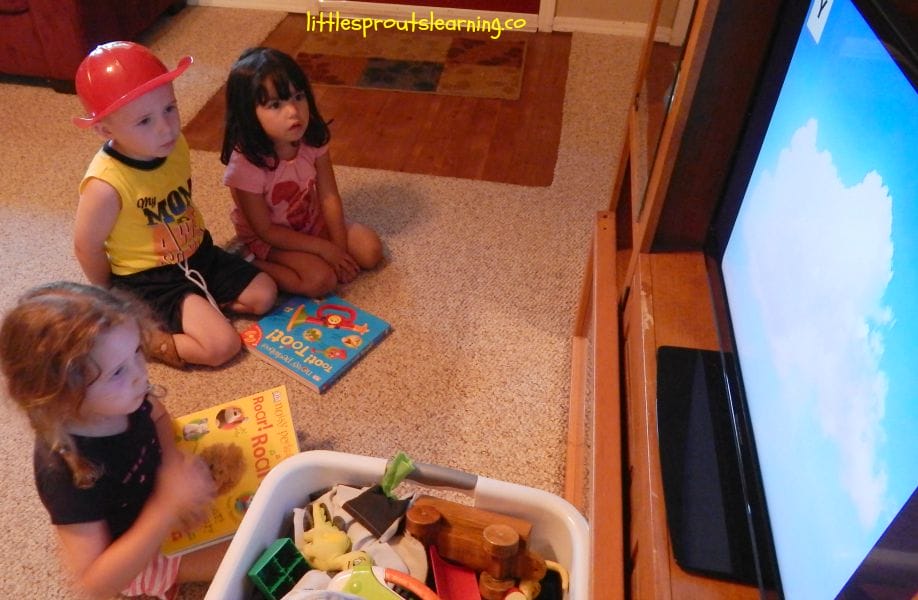
Toys should be fun and educational. Toys that teach shapes, colors, and numbers aid learning. Building blocks and puzzles develop problem-solving skills. Musical toys encourage auditory senses and creativity. Balance active and quiet play options. Fun learning builds positive habits and joy in play.
Credit: littlesproutslearning.co
Parental Role In Toy Selection And Use
Parents play a key role in choosing toys for toddlers. The right toys can help children learn new skills. Wrong toys might cause frustration or bad habits. Parents also guide how toddlers use their toys. This shapes behavior and learning during playtime.
Guiding Playtime
Parents should join in playtime often. They can show how to use toys safely. This helps toddlers learn through example. Guiding play also keeps children focused and calm. It creates a positive play experience for toddlers.
Setting Boundaries
Clear rules about toy use protect toddlers. Parents can limit screen time or noisy toys. Boundaries teach sharing and taking turns. Toddlers learn what is okay and what is not. This helps reduce tantrums and conflicts during play.
Encouraging Cooperative Play
Toys can bring toddlers together to play. Parents encourage sharing and teamwork with group toys. Cooperative play builds social skills and patience. It helps children understand others’ feelings. Parents can praise good sharing to reinforce this behavior.
Credit: theearlychildhoodacademy.com
Frequently Asked Questions
How Do Toys Influence Toddler Social Skills?
Toys encourage toddlers to share, cooperate, and communicate. Interactive play with peers boosts social development and empathy. Role-playing toys help toddlers understand emotions and build friendships. Through play, toddlers practice problem-solving and turn-taking, essential for social growth.
Can Certain Toys Improve Toddler Behavior?
Yes, educational toys enhance focus, patience, and cognitive skills. Building blocks and puzzles teach problem-solving and perseverance. Sensory toys calm toddlers and reduce tantrums. Age-appropriate toys support positive behavior by engaging curiosity and reducing boredom.
What Types Of Toys Promote Positive Toddler Behavior?
Toys that encourage creativity, cooperation, and learning promote positive behavior. Art supplies, building sets, and pretend play kits foster imagination and social skills. Sensory toys help regulate emotions, while cause-and-effect toys boost cognitive development and patience.
How Do Toys Affect Toddler Emotional Development?
Toys help toddlers express feelings and manage emotions. Comfort toys provide security and reduce anxiety. Role-playing toys allow toddlers to explore emotions and practice empathy. Engaging with toys supports emotional regulation and self-awareness.
Conclusion
Toys shape how toddlers learn and behave every day. They help children explore, share, and solve problems. Choosing the right toys can support good habits and social skills. Watching how toddlers play shows their growing minds and feelings. Parents and caregivers play a big role in guiding playtime.
Thoughtful toy choices lead to happier, more confident little ones. Play is more than fun; it builds a strong foundation for life. Keep toys simple, safe, and suited to each child’s needs.
