

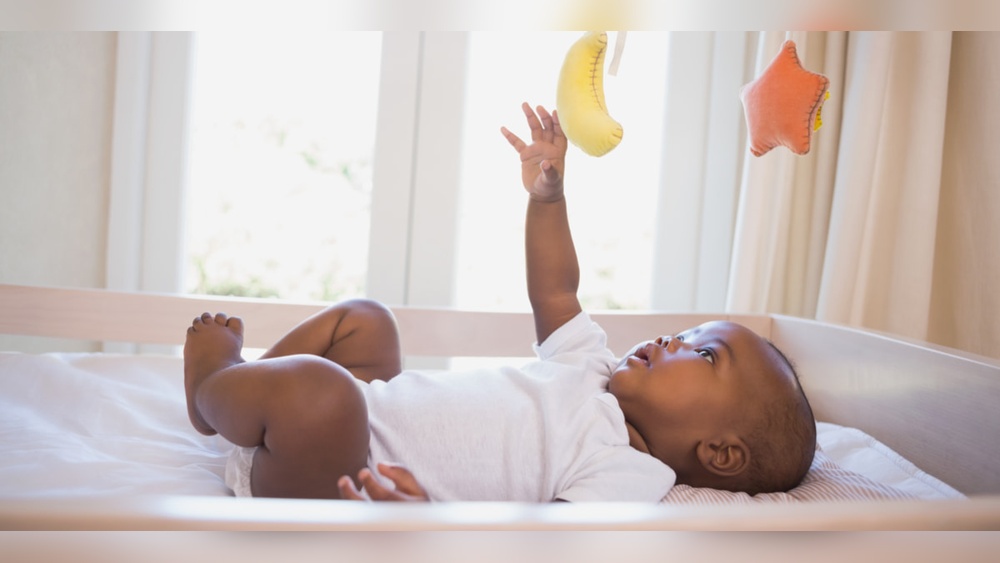
Watching your baby reach for toys is an exciting milestone. It shows their growing curiosity and developing skills.
But how can you help your little one take those first confident reaches? You want to support your baby’s growth in the best way possible, making playtime both fun and meaningful. You’ll discover simple, effective tips to encourage your baby to reach out and explore.
Keep reading to unlock easy steps that will boost your baby’s coordination and curiosity—right from the comfort of your home.
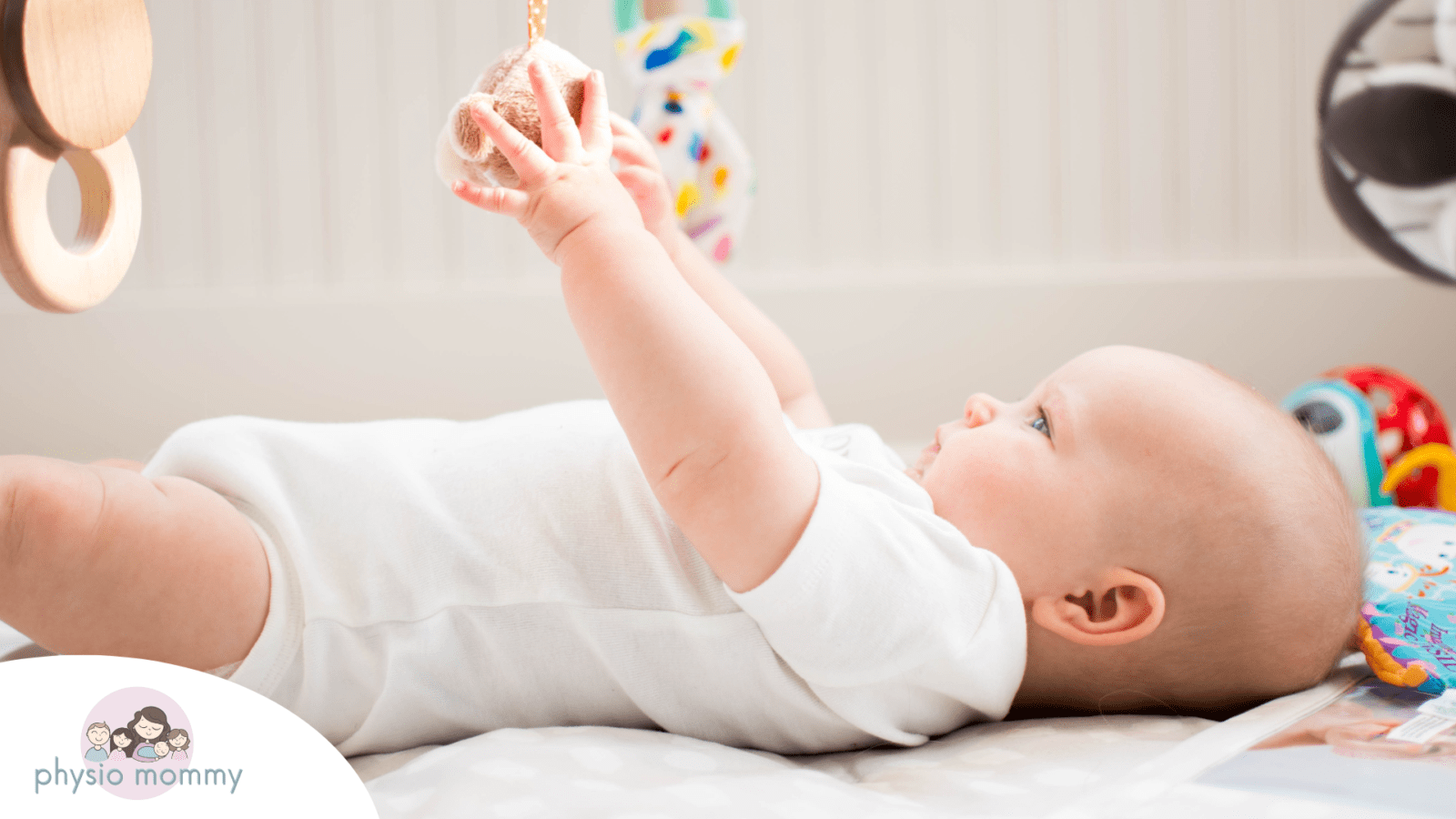
Credit: physiomommy.com
Benefits Of Reaching Skills
Reaching for toys is a big step in a baby’s growth. It helps babies learn about their world. This skill supports many parts of their development. Babies grow stronger and smarter by practicing reaching. It also builds their confidence to try new things.
Motor Development Boost
Reaching helps babies develop muscle strength. Their arms and hands become stronger. This prepares them for crawling and walking later. Moving toward toys improves body control. It builds balance and coordination too. These skills are key for many daily activities.
Hand-eye Coordination
Reaching teaches babies to use their eyes and hands together. They learn to judge distance and direction. This skill helps them grab objects more accurately. Better hand-eye coordination supports future skills like writing and eating. It also encourages focus and attention.
Sensory Exploration
Grabbing toys lets babies explore different textures and shapes. They learn through touch, sight, and sometimes sound. This sensory input helps brain development. Babies begin to understand their environment better. Sensory play sparks curiosity and creativity in young minds.
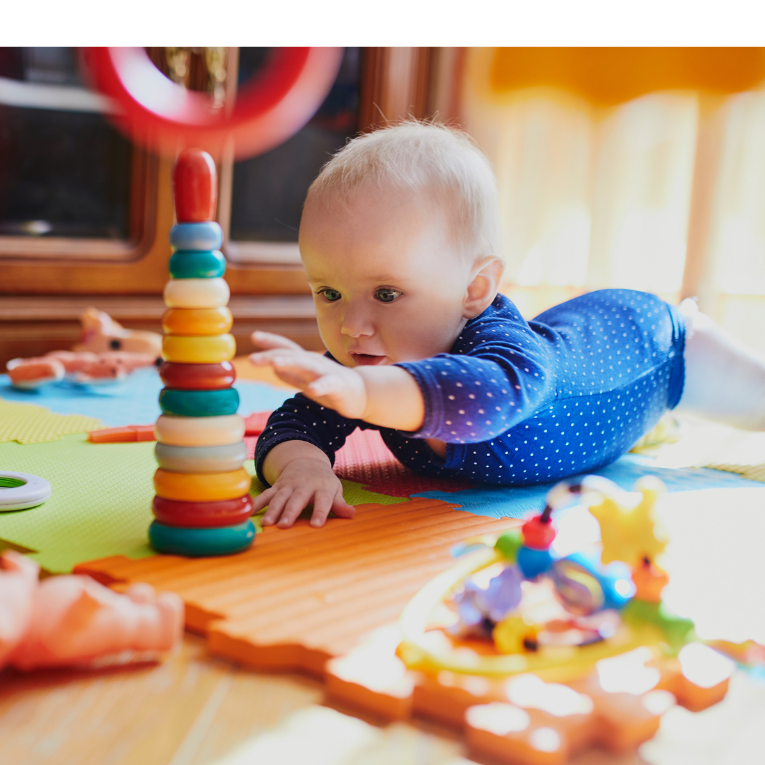
Credit: thewellbalancedot.com
Ideal Toys For Reaching
Choosing the right toys helps babies practice reaching skills. Ideal toys attract attention and encourage movement. They support hand-eye coordination and fine motor skills.
Parents should select toys that invite babies to stretch and grab. Toys with bright colors and fun textures grab a baby’s interest quickly. Safe and lightweight toys make reaching easier and safer. Age-appropriate toys ensure babies are neither bored nor frustrated.
Bright Colors And Textures
Toys with bright colors catch a baby’s eye. Red, yellow, and blue are very appealing. Textured surfaces add a new feel. Soft bumps, ridges, and smooth parts invite touch. These features encourage babies to reach out and explore.
Safe And Lightweight Options
Light toys are easier for babies to grab and hold. Heavy toys can cause frustration or even injury. Soft materials like cloth or foam protect delicate hands. Avoid toys with sharp edges or small parts. Safety supports confidence in reaching and grasping.
Age-appropriate Choices
Choose toys that match the baby’s age and skill level. Simple shapes and large pieces suit young babies. More complex toys with buttons or sounds fit older infants. Age-appropriate toys keep babies interested and motivated to reach.
Creating A Reaching-friendly Space
Creating a reaching-friendly space helps babies develop their motor skills. It encourages them to stretch and grab toys. This kind of environment supports their learning and curiosity. Setting up the right space makes reaching easier and safer for your baby.
Safe Play Area Setup
Choose a soft, flat surface for your baby to play on. Use a clean play mat or blanket to protect them from hard floors. Remove any small or sharp objects nearby. Keep toys within easy reach but not too close. This setup keeps your baby safe and comfortable while they reach.
Encouraging Floor Time
Let your baby spend time on the floor every day. Floor time helps strengthen muscles needed for reaching. Place toys just out of their reach to motivate stretching. Sit or lie beside your baby to offer support and cheer them on. Regular floor time builds confidence and skill.
Minimizing Distractions
Keep the play area calm and quiet. Turn off loud TVs or music during play sessions. Use simple toys that catch your baby’s attention. Avoid too many toys at once to prevent overwhelm. A focused space helps your baby concentrate on reaching and grabbing.
Simple Techniques To Encourage Reaching
Helping your baby reach for toys is a big step in their growth. Simple techniques can make this easier and fun. These methods help your baby practice moving their arms and hands. Encouraging reaching also builds their focus and hand-eye coordination.
Positioning Toys Within Reach
Place toys close, but not too close to your baby. This invites them to stretch and reach. Start with toys just a few inches away. Move toys slowly farther as your baby improves. Use bright, colorful toys to catch their eyes. Change toy positions to keep your baby interested.
Using Movement To Attract Attention
Move toys gently to draw your baby’s gaze. Shake or wiggle toys to make them more exciting. Babies often follow moving objects with their eyes. This helps them track and prepare to reach. Keep movements slow and smooth. Stop if your baby seems tired or upset.
Interactive Play Sessions
Spend short, regular times playing with your baby. Sit facing them and hold toys in your hands. Encourage your baby to reach by showing how you grab toys. Smile and cheer when they try to reach. Use simple words to name the toys. These moments build skills and confidence.
Tracking Progress And Milestones
Tracking your baby’s progress as they reach for toys is important. It helps you understand their growth and skills. Watching milestones can guide you on how to support them better. Each small step shows their developing strength and coordination.
Recognizing Early Signs
Babies begin to show interest by staring at toys. They may try to move their hands toward objects. Sometimes, they wiggle or stretch their arms. These signs mean they are ready to practice reaching. Notice if your baby follows a moving toy with their eyes. This indicates good focus and attention.
When To Seek Guidance
If your baby is not reaching by six months, note it. Lack of hand movement or interest in toys could be a concern. Talk to your pediatrician if you see no progress. Early advice helps address any delays quickly. Professionals can suggest exercises or check for health issues.
Celebrating Small Wins
Every grab or swipe is a victory. Clap or smile to encourage your baby. These moments build their confidence and joy. Keep toys close and easy to reach. Repeating play helps improve skills and muscle strength. Celebrate each milestone, no matter how small.

Credit: thrivelittle.com
Frequently Asked Questions
How Can I Encourage My Baby To Reach For Toys?
Place toys within your baby’s arm reach to motivate movement. Use bright, colorful toys to attract attention. Gently guide their hands towards the toy to build coordination and confidence.
When Do Babies Typically Start Reaching For Toys?
Babies usually begin reaching for toys around 3 to 4 months old. This is when their hand-eye coordination starts developing. Every baby is unique, so some may reach earlier or later.
What Toys Are Best For Helping Babies Reach?
Choose lightweight, textured toys that are easy to grasp. Toys with contrasting colors and sounds stimulate interest and encourage reaching. Soft blocks and rattles are ideal starter toys.
How Can I Improve My Baby’s Hand-eye Coordination?
Engage your baby with interactive play involving toys. Slowly move toys side-to-side to encourage tracking and reaching. Praise their efforts to build confidence and skill.
Conclusion
Helping your baby reach for toys builds strong motor skills. Keep toys close and colorful to catch their attention. Encourage small, gentle movements to boost their confidence. Celebrate each small success with smiles and praise. Practice often, but always be patient and kind.
This simple activity supports your baby’s growth and joy. Keep trying, and enjoy these precious moments together.
