

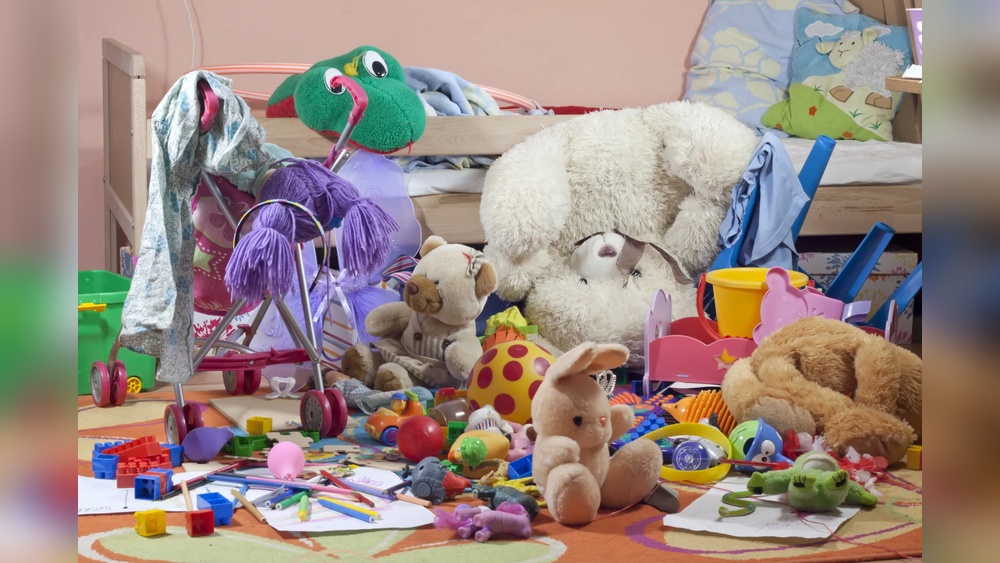
Have you ever stopped to look around your child’s playroom and wondered, “Do kids have too many toys?” If you’re like many parents, the answer might surprise you. Too many toys can mean less playtime, more mess, and even less creativity.
But how do you find the right balance? Keep reading to discover why less can actually be more for your child’s happiness and development—and how you can make thoughtful choices about the toys in your home.

Credit: movethemess.com
Toy Overload In Childhood
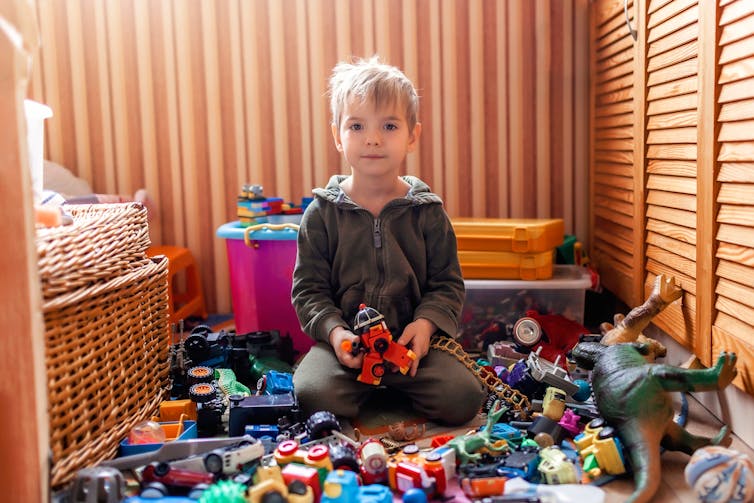
Toy overload happens when children have too many toys around them. It can create a messy space and make it hard for kids to choose what to play with. Instead of enjoying their toys, children may feel overwhelmed or bored. Having fewer toys can help kids focus and enjoy their playtime more.
Signs Of Too Many Toys
Children might leave toys scattered everywhere. They may forget about some toys entirely. It can be hard for them to decide what to play with next. Kids may lose interest quickly and move from one toy to another. A cluttered play area often shows there are too many toys.
Impact On Play Quality
Too many toys can reduce creativity in play. Children may not use their imagination fully. They might play in a rushed or distracted way. Fewer toys help kids think deeply and enjoy activities longer. Simple play leads to better learning and problem-solving skills.
Psychological Effects On Kids
Too many toys can affect children’s minds in many ways. The constant presence of many toys can make it hard for kids to focus. It can also change how they feel and behave. Understanding these effects helps parents and caregivers make better choices about toys.
Attention And Focus Challenges
Children with many toys often find it hard to concentrate. Switching from one toy to another can break their focus. This habit can stop them from finishing activities. Their brain gets used to quick changes and loses patience. It may become difficult for them to pay attention in school or during tasks. Simple playtime can turn into a confusing experience.
Emotional Responses To Excess
Having too many toys can cause strong feelings in kids. Some may feel overwhelmed and stressed by the clutter. Others might feel unhappy because they do not play deeply with any toy. Too much choice can lead to frustration and sadness. Children may also show signs of boredom quickly. Emotional balance can suffer when toys become more of a burden than joy.
Parental Perspectives On Toy Quantity
Many parents face the challenge of managing the number of toys their children have. Some feel overwhelmed by the sheer amount of toys filling their homes. Others worry that too many toys might distract kids from learning important values. Parents often think about how toy quantity affects playtime and family space. Their views shape how they decide what toys to keep or give away.
Reasons Behind Toy Accumulation
Parents notice several reasons why toys pile up quickly. Gifts from family members add up fast, especially during holidays. Sales and promotions encourage buying more toys than needed. Some parents buy toys to keep children busy or happy. Kids also grow attached to toys and resist giving them away. These factors combine to create a large collection over time.
Balancing Gift-giving And Limits
Many parents try to find a balance between receiving gifts and setting limits. They communicate with relatives about the number of toys to give. Some families choose experiences over physical gifts to reduce clutter. Parents set rules for how many toys children can keep. Teaching kids to share or donate toys helps manage the amount. This balance supports a healthy play environment and less mess.
Benefits Of Minimalist Toy Approach
Choosing fewer toys for children offers many benefits. It helps kids focus better and enjoy playtime more deeply. A minimalist toy approach supports healthy growth in simple, powerful ways. Toys become tools for learning, not just clutter.
Encouraging Creativity
With fewer toys, children use their imagination more. They create stories and games from simple items. This kind of play builds problem-solving skills and original thinking. Kids learn to invent and explore new ideas on their own.
Fostering Deep Engagement
Minimal toys help kids concentrate on one activity at a time. They spend longer periods playing and learning. This deep focus improves attention and patience. Toys become meaningful rather than just background noise.
Strategies To Manage Toy Collections
Managing a large collection of toys can feel overwhelming. Many parents struggle to keep play areas tidy and toys meaningful. Using clear strategies helps control clutter and keeps children engaged.
Organizing toys in smart ways brings order and fun. Teaching kids the value of sharing and giving creates empathy and less waste. These methods support healthy play habits and less mess.
Organizing And Rotating Toys
Sort toys by type or size for easy access. Use bins, shelves, and labels to keep toys neat. Store less-used toys out of reach. Rotate toys every few weeks to renew interest. This keeps playtime fresh and reduces clutter. Children enjoy rediscovering toys after a break.
Teaching Kids About Sharing And Giving
Talk with children about sharing toys with friends and siblings. Explain how giving toys to others helps those in need. Encourage donating toys that are no longer used. This teaches kindness and responsibility. Kids learn to value toys more when they share and give away.
Credit: theconversation.com
Environmental And Social Impacts
Toys bring joy to children. Yet, having too many toys can hurt the environment and society. Each toy uses materials and energy to make. Many toys end up in landfills, causing pollution and waste.
Thinking about these effects helps us make better choices. It also teaches kids to care for the planet and others around them.
Toy Waste And Sustainability
Toys often break or become unwanted. Most end up thrown away. Plastic toys take hundreds of years to break down. This adds to growing landfill problems.
Making toys uses resources like water, metal, and oil. This process creates pollution and waste. More toys mean more pressure on Earth’s resources.
Choosing toys made from natural or recycled materials helps. It reduces waste and saves resources. Small steps can protect our planet for the future.
Promoting Conscious Consumption
Teaching kids to value quality over quantity matters. Fewer, meaningful toys last longer and bring more joy. Kids learn to care for their things and share with others.
Parents can model smart buying habits. Choosing secondhand or durable toys reduces demand for new products. It also lowers the social impact of toy production.
Encouraging thoughtful play and toy swaps builds community. It helps reduce waste and spreads happiness. Conscious consumption shapes kinder, more responsible future generations.

Credit: www.thekavanaughreport.com
Frequently Asked Questions
Do Kids Really Have Too Many Toys Today?
Yes, many children own more toys than they use regularly. Excess toys can overwhelm kids and reduce creativity and appreciation.
How Do Too Many Toys Affect Child Development?
Too many toys can distract children and hinder focus. It may limit imaginative play and reduce problem-solving skills development.
What Are Signs A Child Has Too Many Toys?
Signs include cluttered play areas, lack of interest in toys, and difficulty choosing what to play with.
How Can Parents Manage Excessive Toys Effectively?
Parents can rotate toys, donate unused items, and encourage quality over quantity to maintain balance and reduce clutter.
Conclusion
Kids often have more toys than they actually need. This can lead to clutter and less focus on playing. Fewer toys help children use their imagination better. Parents can choose quality over quantity to support learning and growth. Teaching kids to appreciate what they have builds good habits.
It also helps families save money and space. Finding the right balance keeps playtime fun and meaningful. Too many toys are not always better. Simple and thoughtful choices make a big difference.
