

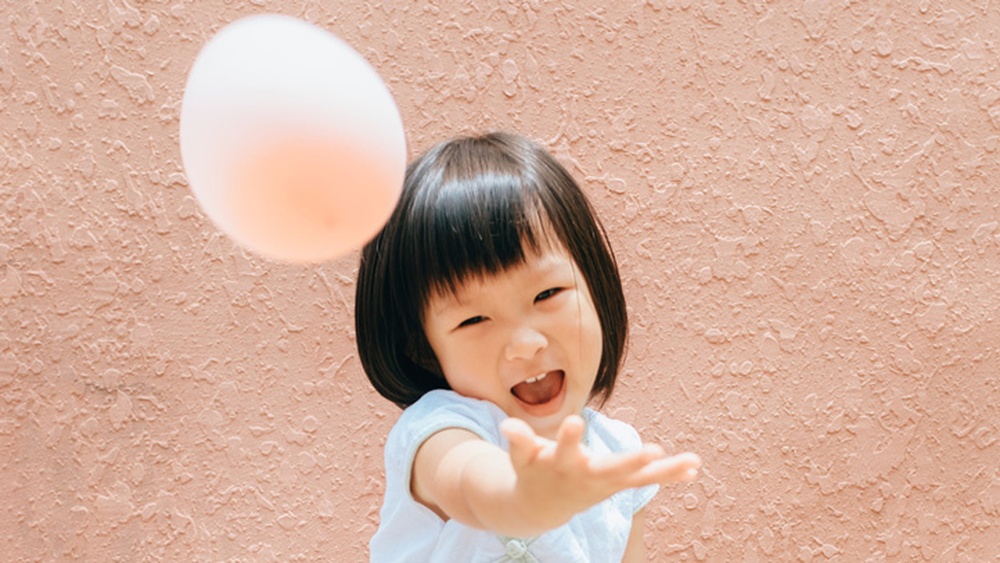
Have you ever wondered why your toddler suddenly throws their toys when they’re tired? It can be frustrating and confusing, especially when you don’t know what’s behind this behavior.
Understanding why your little one acts this way can help you respond calmly and effectively. You’ll discover the reasons behind this common toddler habit and get practical tips to handle it. Keep reading—you’re about to learn how to turn those tough moments into opportunities for connection and growth.

Credit: www.babycenter.com
Toddler Behavior Basics
Toddlers are learning about their world and themselves. Their actions often seem confusing to adults. Understanding basic toddler behavior helps explain why they throw toys when tired. This behavior is part of how toddlers explore feelings and test limits. Recognizing these basics can guide better responses.
Common Toddler Actions
Toddlers often repeat actions to learn cause and effect. Throwing toys is one common action. It shows curiosity about what happens next. Toddlers also test their physical skills. They might throw toys to see how far they go. Sometimes, they do this to get attention from adults.
Other actions include screaming, running, or grabbing. These acts show energy or frustration. Toddlers also use movement to communicate. They cannot always use words yet. Their actions express what they feel inside.
Emotional Expression In Toddlers
Toddlers have strong emotions but limited words. Throwing toys can express tiredness or stress. It is a way to release built-up feelings. They may also feel overwhelmed by the day. Expressing emotions through actions feels natural to them.
Emotions like anger, sadness, or excitement show this way. Toddlers need patience and calm adults around them. Understanding their emotions helps adults respond better. This support helps toddlers learn to handle feelings.

Credit: www.babycenter.com
Tiredness And Toy Throwing
Tiredness often leads toddlers to throw toys. This behavior puzzles many parents. Understanding why helps manage these moments better. Toddlers cannot always express their feelings with words. They show tiredness through actions instead. Throwing toys is one common way.
When toddlers feel very tired, their patience runs out fast. Their emotions become harder to control. Toys become objects to release frustration. This is not about anger but pure fatigue. Knowing this can ease parental stress and improve responses.
How Fatigue Affects Toddlers
Fatigue lowers toddlers’ ability to focus. They feel cranky and restless quickly. The brain’s control over emotions weakens. Small problems seem bigger to them. This makes them act out by throwing toys. Their tired minds struggle with self-control. Energy drops, but emotions stay high. This imbalance causes sudden outbursts.
Signs Of Over-tiredness
Watch for yawning or rubbing eyes often. Toddlers may become unusually clingy or fussy. They might lose interest in favorite toys. Crying without clear reasons is common. They may refuse to play or eat. These signs show they need rest soon. Recognizing these can prevent toy throwing episodes.
Communication Challenges
Toddlers often throw toys when they feel tired. This behavior links closely to communication challenges. Young children have a hard time sharing their feelings and needs. Their actions become a way to express what words cannot. Understanding these challenges helps parents respond with patience and care.
When toddlers cannot speak clearly, they may feel confused or upset. They want attention or comfort but do not know how to ask. This gap between feelings and words leads to frustration. Throwing toys becomes a simple way to show these emotions.
Limited Language Skills
Toddlers are still learning to talk. Their vocabulary is small and sentences are short. They cannot always say if they are tired or need help. This makes it hard to tell adults what they want. Instead, they use actions like throwing toys to communicate.
Words take time to learn. Until then, toddlers rely on gestures and sounds. Throwing objects becomes a clear sign of discomfort or need. It is a part of their early communication process.
Frustration And Expression
Feeling tired can make toddlers easily frustrated. They want to stop or rest but cannot say it well. This frustration builds up inside them. Throwing toys helps release this tension.
It is not about being naughty. It is their way to express tiredness and stress. Recognizing this helps adults respond with kindness instead of anger. Toddlers need support to learn better ways to communicate.
Seeking Attention
Toddlers often throw toys when they feel tired. This behavior is a way to get attention. They want someone to notice them and respond. When children are sleepy, they may not know how to express their feelings. Throwing toys becomes their way to communicate a need for care or help.
Why Toddlers Crave Interaction
Toddlers need lots of interaction to feel safe and loved. They learn about the world through people around them. Talking, playing, and eye contact help toddlers grow emotionally. When tired, their patience is low. They want adults to focus on them right away. This need for attention is natural and important for their development.
Toy Throwing As A Signal
Toddlers use toy throwing as a clear signal. It means, “I need you to pay attention.” They may feel frustrated or overwhelmed. Throwing toys helps them show these feelings without words. Adults who notice this signal can offer comfort or help. This response teaches toddlers better ways to ask for attention.
Sensory Needs And Reactions
Toddlers use their bodies to explore the world around them. Their senses are very active and they often react to what they feel, see, or hear. When toddlers get tired, their sensory needs can change. They may become more sensitive to sounds, lights, or touch. Throwing toys can be a way for them to deal with these feelings.
Understanding these sensory needs helps us see why toddlers behave this way. It is not just about being naughty. It is about how their brain processes the environment. Let’s look closer at what happens during sensory overload and how throwing toys gives tactile feedback.
Sensory Overload Effects
Sensory overload happens when too many things happen at once. Loud noises, bright lights, and many people can make toddlers feel overwhelmed. Their brains try to handle too much information. This can cause frustration or anxiety.
When tired, toddlers have less energy to manage these feelings. They might throw toys to express their discomfort. It is a way to release stress and signal they need a break. This reaction helps them cope with too much sensory input.
Tactile Feedback From Throwing
Throwing toys gives strong physical feedback to toddlers. They feel the weight of the toy in their hands. The motion of throwing helps them use energy and calm down. The sound and movement after the throw also provide sensory information.
This tactile feedback helps toddlers feel more in control. It gives them a way to manage their emotions and regain focus. Throwing toys is a simple way for toddlers to satisfy their sensory needs.
Emotional Regulation Struggles
Toddlers often struggle to control their emotions. Their brains are still developing. This makes it hard for them to handle strong feelings. When tired, these feelings become even harder to manage. They might throw toys as a way to express their frustration or sadness. Understanding these emotional struggles helps parents respond better.
Managing Big Feelings
Toddlers feel emotions very deeply. They do not have words to explain how they feel. This leads to big feelings building up inside. Tiredness lowers their patience and self-control. They can quickly become upset or angry. Managing these big feelings is tough for young children. They need support and patience from adults around them.
Throwing As A Coping Mechanism
Throwing toys is one way toddlers cope with strong emotions. It is a physical release of tension. They might not mean to be destructive. It is their way to show they feel overwhelmed. Throwing helps them get attention or express needs they cannot say. Understanding this helps adults stay calm and guide toddlers gently.
Parental Responses
Parents often face toy-throwing tantrums from tired toddlers. These moments test patience and calm. Understanding how to respond helps guide children gently. The right response can ease frustration for both parent and child.
Effective Ways To React
Stay calm and speak softly. Loud reactions may scare or upset toddlers more. Use clear words like, “Toys are for playing, not throwing.” Offer comfort by holding or hugging your child. Distract with a quiet activity or a favorite toy. This helps shift focus from anger to calmness. Praise good behavior when your toddler listens. Positive feedback encourages them to repeat it.
Setting Boundaries Gently
Explain rules in simple terms they understand. Use phrases like, “We keep toys safe.” Be consistent with limits every day. Toddlers need to know what is okay and what is not. Avoid punishment that frightens or confuses. Instead, remove the toy briefly to show consequences. Return it once your child is calm. This teaches respect for rules without fear.

Credit: montessorifamilycenter.com
Preventing Toy Throwing
Preventing toddlers from throwing toys when tired is important for a peaceful home. Tiredness makes children restless and more likely to act out. Creating the right setting and routines helps reduce this behavior. Calm surroundings and good rest habits teach toddlers how to relax and play nicely.
Creating A Calm Environment
A calm space helps toddlers feel safe and less stressed. Keep the playroom tidy and avoid loud noises. Soft lighting and quiet toys work well. A peaceful environment lowers frustration and stops toy throwing. Parents should stay calm and patient during playtimes.
Establishing Rest Routines
Regular rest times help toddlers recharge and stay calm. Set consistent nap and bedtime schedules. Use soothing activities like reading or soft music before sleep. Predictable routines signal the body to relax. Well-rested toddlers have less energy to throw toys.
Frequently Asked Questions
Why Do Toddlers Throw Toys When Tired?
Toddlers throw toys when tired to express frustration and seek attention. They lack words to explain feelings. This behavior helps release built-up stress and signals caregivers to provide comfort or rest.
How Does Tiredness Affect Toddler Behavior?
Tiredness reduces toddlers’ patience and self-control. They become more irritable and prone to tantrums or throwing toys. Fatigue lowers their ability to manage emotions, leading to outbursts as a way to communicate discomfort.
Can Throwing Toys Be A Communication Method?
Yes, toddlers often throw toys to communicate needs or feelings. When tired, they may feel overwhelmed and use this action to express frustration or ask for help, as they cannot fully verbalize their emotions yet.
How Can Parents Prevent Toy Throwing When Tired?
Parents can prevent toy throwing by establishing consistent nap and bedtime routines. Offering calm activities and recognizing early tiredness signs helps reduce frustration. Providing comfort and redirecting attention can minimize this behavior effectively.
Conclusion
Toddlers throw toys when tired to express their feelings. They cannot use words well yet. Throwing shows frustration or need for attention. Parents can help by staying calm and patient. Offering rest or a quiet space works best. Understanding this behavior helps reduce stress for all.
Toddlers learn to manage emotions over time. Watching for signs of tiredness can prevent outbursts. Every child is different, so try different approaches. Patience and care make these moments easier to handle.
