

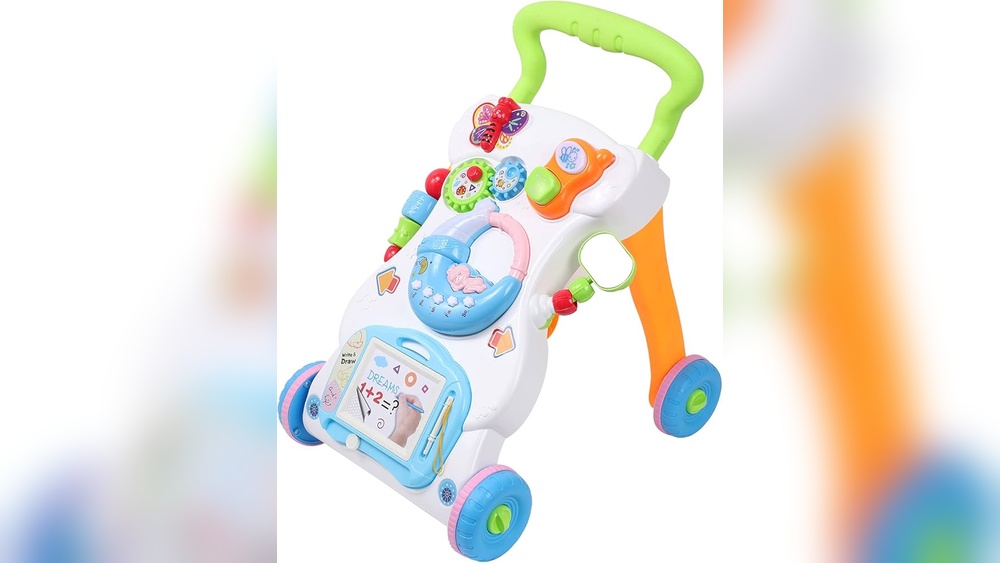
Are you wondering if walking toys are a good choice for your baby? You want to give your little one the best start, but it’s hard to know which toys truly help their growth.
Walking toys promise to support your baby’s first steps and boost their confidence. But do they really work? Keep reading to discover how walking toys can impact your baby’s development and what to look for when choosing the right one.
Your baby’s safety and progress matter, and this guide will help you make the best decision.
Benefits Of Walking Toys
Walking toys offer many benefits for babies as they learn to move. These toys help babies gain confidence and skills. They support the natural process of walking and exploring.
Using walking toys encourages babies to practice standing and stepping. This practice builds strength and control. The toys provide support while babies take their first steps.
Boosting Motor Skills
Walking toys help develop fine and gross motor skills. Babies use their hands to hold and push the toy. This action strengthens their arm and hand muscles.
Leg muscles grow stronger as babies push the toy forward. Walking toys make movement fun and purposeful. This encourages babies to move more often.
Enhancing Balance And Coordination
Walking toys improve balance by giving babies something to hold. Babies learn to shift their weight from one leg to another. This practice helps them stay steady while walking.
The toys also teach coordination between arms and legs. Babies coordinate pushing the toy and moving their feet. This skill is important for safe and confident walking.
Encouraging Physical Activity
Walking toys inspire babies to move around the room. This increased activity helps build endurance and muscle strength. Moving more also supports healthy growth and development.
Babies enjoy playing with walking toys, making exercise feel like fun. The toys motivate them to explore new places safely. This active play supports overall well-being.
Types Of Walking Toys
Walking toys help babies learn to walk and stay active. They come in different styles. Each type offers unique benefits for your child’s development. Understanding these types can help you choose the best toy for your baby.
Walking toys encourage balance, coordination, and confidence. They make the learning process fun and safe. Let’s explore the main types of walking toys available today.
Push Walkers
Push walkers have a handle that babies hold while pushing. They provide strong support for first steps. Babies can grip the handle and walk steadily. Many push walkers come with wheels that roll smoothly. This type helps build leg strength and balance. Some models include simple toys or buttons for extra play.
Ride-on Walkers
Ride-on walkers let babies sit and push with their feet. They combine sitting and walking practice. These toys help develop leg muscles and coordination. Babies enjoy moving around while seated. Ride-on walkers often have fun designs like cars or animals. They encourage independent movement in a safe way.
Activity Walkers
Activity walkers combine walking support with interactive play. These toys have buttons, lights, and sounds. They keep babies entertained while learning to walk. Activity walkers stimulate senses and motor skills. Babies can explore and discover new things. This type helps make walking practice exciting and educational.
Safety Considerations
Safety is the top priority when choosing walking toys for babies. These toys help babies learn to walk but can also bring risks if not chosen carefully. Parents must think about safety before buying or using any walking toy. This section covers key safety tips to keep babies safe while playing.
Choosing Age-appropriate Toys
Select toys designed for your baby’s specific age. Toys that are too advanced may cause falls or injuries. Check the label for age recommendations. Look for sturdy toys with wide bases to prevent tipping. Avoid toys with small parts that can break off. Safe toys support your baby’s growing skills without hazards.
Supervision Tips
Always watch your baby during playtime with walking toys. Babies can quickly lose balance or move into unsafe areas. Stay close to catch falls or stop accidents. Turn off or remove toys when not supervising. Supervision helps prevent injuries and gives your baby confidence.
Safe Play Environment
Create a safe space free of sharp edges and hard floors. Use soft mats or carpets to cushion falls. Remove furniture or objects that can block paths or cause trips. Keep stairs, pools, and doors locked or gated. A clear, safe area lets your baby explore and practice walking safely.

Credit: www.amazon.com
Signs Your Baby Is Ready
Knowing when your baby is ready for walking toys helps ensure safety and fun. Babies develop at their own pace, so watch for clear signs. These signs show your baby’s body and mind are prepared to enjoy walking toys.
Physical Milestones
Your baby should sit up well without help. They might start pulling up to stand. Crawling confidently is another key step. These milestones show growing muscle control and readiness.
Interest In Walking Toys
Notice if your baby reaches for push toys. They may try to stand while holding furniture or toys. Curiosity about moving toys suggests readiness. This interest means they want to explore walking.
Balance And Strength Indicators
Your baby can stand alone for a few seconds. They can take a few steps with help. Strong leg muscles and good balance are important. These signs show they can use walking toys safely.
Alternatives To Walking Toys
Walking toys are not the only way to help babies develop their walking skills. Many other activities support balance, strength, and coordination. These alternatives offer safe and fun ways for babies to grow at their own pace. Parents can try different methods to find what suits their child best.
Tummy Time
Tummy time helps babies build strong neck and shoulder muscles. It prepares them for crawling and walking later. Placing toys just out of reach encourages them to stretch and move. Start with short sessions and increase time gradually. This simple activity supports early physical development well.
Cruising Along Furniture
Cruising means holding onto furniture while moving sideways. Babies practice balance and leg strength this way. Arrange sturdy furniture in a safe space for cruising. Avoid sharp edges or unstable items. This natural step helps babies gain confidence before walking alone.
Interactive Play Mats
Interactive play mats stimulate movement and curiosity. Mats with textures, colors, and sounds invite babies to explore. Crawling and rolling on these mats develop motor skills. Choose mats that are soft and easy to clean. Play mats create a safe zone for active play and learning.

Credit: www.liftingitalia.com

Credit: www.whattoexpect.com
Frequently Asked Questions
Are Walking Toys Safe For Babies To Use?
Walking toys are generally safe if they meet safety standards. Always supervise babies and choose sturdy, well-designed toys to prevent falls and injuries.
When Should Babies Start Using Walking Toys?
Babies typically start using walking toys around 9 to 12 months, once they can stand with support and show interest in walking.
How Do Walking Toys Benefit Babies’ Development?
Walking toys improve balance, coordination, and muscle strength. They encourage movement and confidence, supporting babies’ physical and motor skill development.
Can Walking Toys Delay Natural Walking?
No, walking toys do not delay walking. Instead, they motivate babies to practice steps and build walking skills safely.
Conclusion
Walking toys help babies learn balance and coordination. They encourage movement and build confidence. Babies enjoy exploring with these toys around. Parents should choose safe, sturdy options for their little ones. Watching a baby take first steps is special. Walking toys support this exciting stage well.
They make learning to walk fun and active. A careful choice can aid your baby’s growth. Try to pick toys that suit your child’s needs. Walking toys can be a helpful part of early play.
