

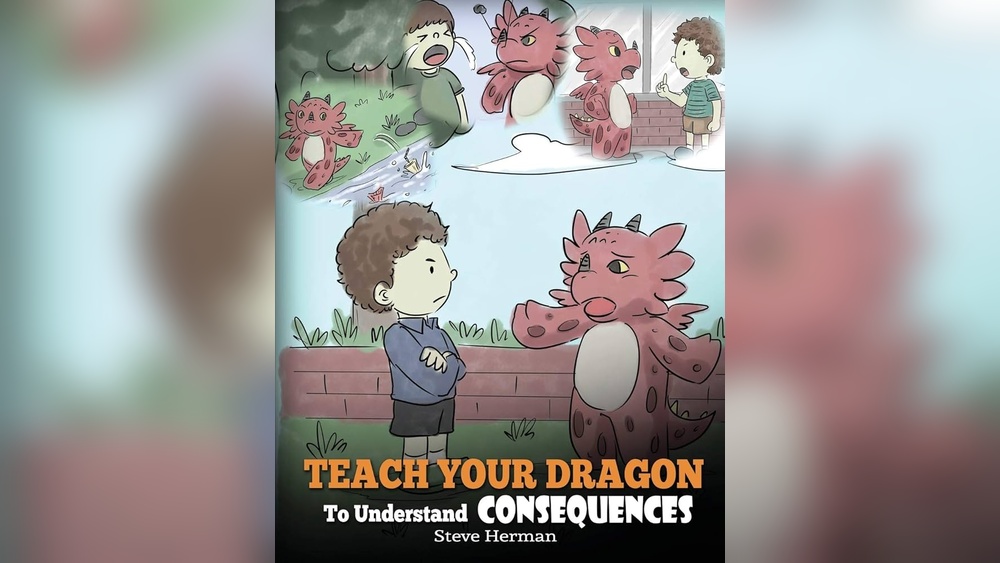
Have you ever noticed how your child’s favorite toy can teach them more than just fun? Toys are powerful tools that help kids learn about cause and effect, choices, and consequences—all in a way that feels like play.
When your child interacts with toys, they’re not just passing time; they’re discovering important lessons that shape how they understand the world. If you want to see how simple play can boost your child’s decision-making skills and teach responsibility, keep reading.
This could change the way you look at toys forever.
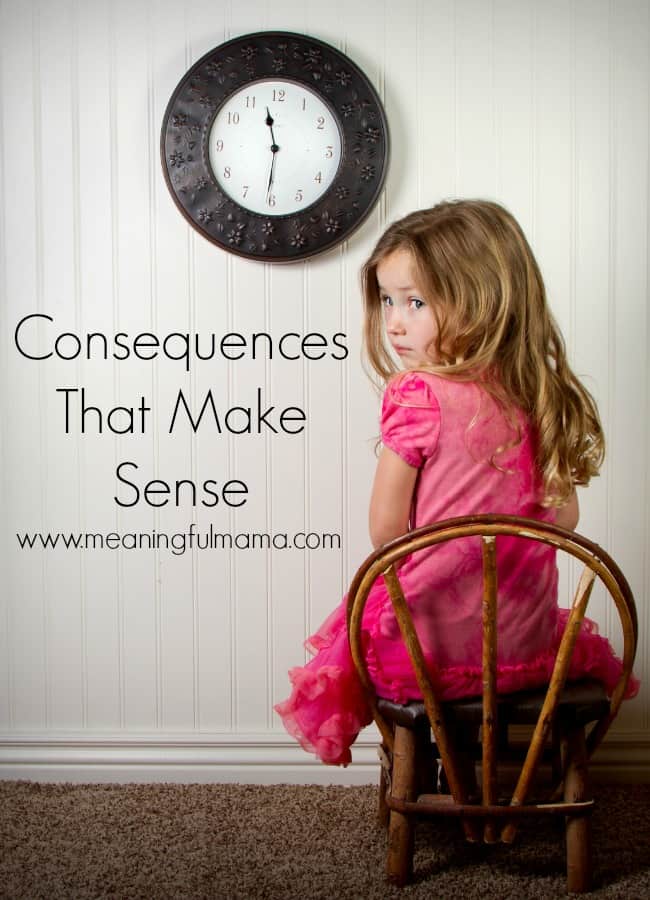
Credit: meaningfulmama.com
Role Of Toys In Learning
Toys play a key role in how children learn about the world around them. They help kids try new things safely. Toys allow children to see what happens when they make choices. This helps them understand results and effects in a clear way.
Through play, children begin to grasp cause and effect. They learn that actions have outcomes. Toys also build skills that help kids make better decisions as they grow. These early lessons shape how children think and act.
Toys As Tools For Exploration
Toys offer a safe space to explore ideas and actions. Children use toys to test their thoughts. For example, stacking blocks shows what happens if a tower is too tall. Kids learn balance and gravity by seeing blocks fall.
Exploration through toys sparks curiosity. It encourages kids to ask questions and find answers. This hands-on learning helps children understand how things work in real life. Exploration builds confidence in trying new things.
Building Decision-making Skills
Toys help children practice making choices. For example, choosing which puzzle piece fits teaches problem-solving. Kids see results from their decisions, good or bad. This feedback teaches them to think before acting.
Playing with toys encourages planning and patience. Children learn to wait and try again if needed. These experiences help kids develop better judgment. Decision-making skills grow stronger with each play session.
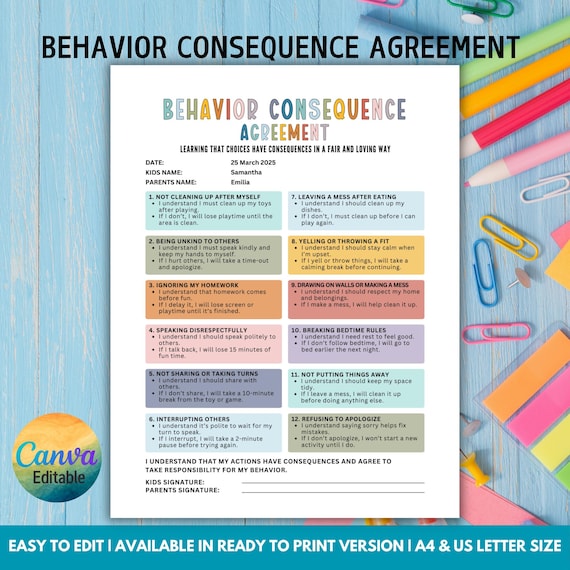
Credit: www.etsy.com
Types Of Toys That Teach Consequences
Toys play a big role in teaching kids about consequences. Different types of toys help children see how their actions lead to results. These toys encourage thinking and learning through play.
Cause And Effect Toys
Cause and effect toys show kids that one action causes another. Press a button, and a sound plays. Push a lever, and something moves. These toys teach kids that their actions have results. They help children understand simple consequences. Kids learn to predict what happens next.
Strategy And Puzzle Games
Strategy and puzzle games make kids plan their moves. They must think before acting. Wrong moves can mean losing the game. These toys teach kids about consequences of choices. Kids learn patience and problem-solving skills. They see how decisions affect the outcome.
Role-playing Sets
Role-playing sets let kids act out real-life situations. Playing doctor, teacher, or parent shows how actions affect others. Kids learn social rules and responsibilities. They understand cause and effect in daily life. These toys build empathy and decision-making skills.
How Play Encourages Responsibility
Toys teach children that actions have results. Playing helps kids see what happens when they take care of or break toys. This builds a sense of responsibility through everyday fun.
Learning From Mistakes
Playing with toys helps children see the results of their actions. They try different ways to build or solve problems. Sometimes, their structure falls or a puzzle piece doesn’t fit. These moments teach kids that mistakes are part of learning. They understand what went wrong and try again. This process builds a sense of responsibility. Kids learn to take charge of their choices and fix errors on their own.
Developing Patience And Persistence
Many toys require time and effort to complete. Puzzles, building blocks, or craft kits need steady work. Children learn to wait and keep trying without giving up. This patience teaches them that good results come from effort. They understand that rushing or quitting leads to failure. Through play, kids develop persistence. They take responsibility for finishing tasks, even when it is hard.
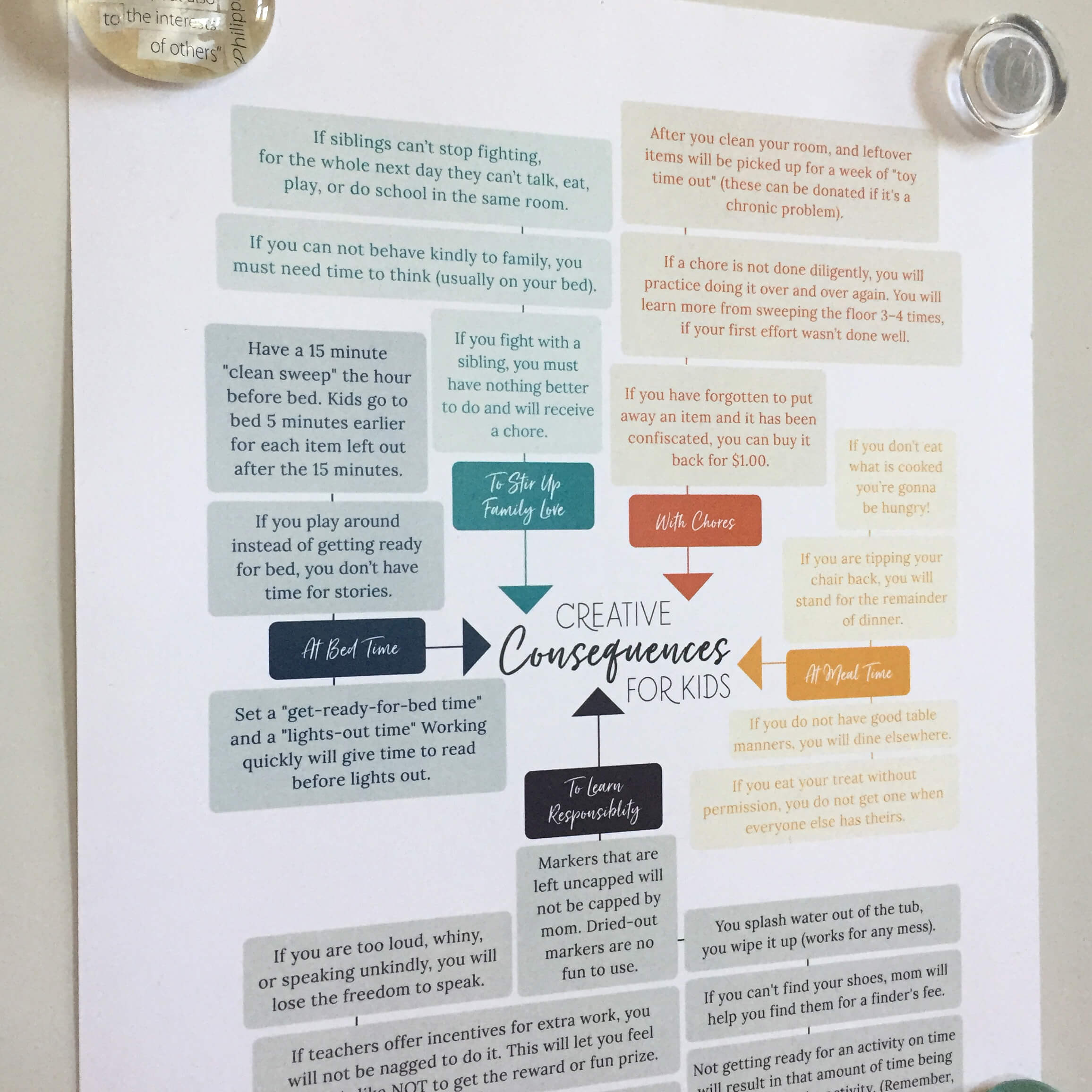
Credit: www.notconsumed.com
Social Skills Through Interactive Toys
Interactive toys help children learn important social skills. Playing with others teaches how to behave in groups. Kids practice talking, listening, and working together. These skills build strong relationships and confidence. Through play, children understand the effects of their actions on others.
Sharing and cooperation are key parts of social play. Toys that require teamwork help kids learn these lessons. They find out how to take turns and help each other. These moments teach kindness and respect for others.
Sharing And Cooperation
Toys that need multiple players encourage sharing. Children learn to wait for their turn and use toys fairly. Sharing helps kids feel good and make friends. Cooperation happens when children work together on a task. Building blocks or puzzles teach kids to join forces. This teamwork shows how to achieve goals as a group.
Conflict Resolution
Disagreements happen during play, even with toys. Kids learn to solve problems by talking and listening. Interactive toys provide situations where conflicts arise naturally. Children practice calming down and finding fair solutions. These skills help them handle real-life problems later. Learning to share feelings and ideas builds understanding and peace.
Parental Role In Guided Play
Parents guide children during play to help them learn cause and effect. Toys show kids what happens when they make choices. This helps children understand consequences in a safe, fun way.
Parents play a key role in helping children learn through play. Toys offer a safe space for kids to explore and understand actions and their results. Guided play means parents gently lead children to think about what happens next. This guidance helps kids connect their choices with consequences. Parents watch, listen, and step in at the right moments. This way, children learn important life lessons while having fun. The parent’s involvement turns play into a rich learning experience.
Facilitating Reflection On Actions
Parents can ask simple questions during play. Questions like “What do you think will happen next?” or “Why did that happen?” help children think deeply. This reflection teaches kids to notice cause and effect. It also helps them see how their actions affect others and the environment. Parents can gently point out outcomes without giving answers. This encourages kids to think on their own. Reflecting on actions builds critical thinking and decision-making skills.
Encouraging Positive Reinforcement
Praise and rewards motivate children to repeat good behavior. Parents should recognize efforts and good choices during play. Saying “Great job sharing the toys!” or “You cleaned up nicely!” boosts confidence. Positive reinforcement helps children understand which actions lead to good results. It also strengthens their desire to make better choices. Consistent encouragement creates a positive learning cycle. This support makes kids eager to learn and grow.
Long-term Benefits Of Consequence-based Play
Playing with toys that show clear consequences teaches children valuable lessons. These lessons go beyond fun and help kids in many parts of life. Consequence-based play builds skills that last for years. It helps children understand cause and effect in a safe way. This type of play supports growth in emotional and thinking skills.
Improved Emotional Intelligence
Toys that respond to children’s actions help them recognize feelings. Kids learn how their choices affect others and themselves. This understanding grows their empathy and patience. They begin to control emotions like frustration and joy better. Emotional intelligence helps children make friends and solve conflicts calmly. It prepares them for real social situations.
Enhanced Problem-solving Abilities
Consequence-based toys encourage kids to think before acting. They test different options to see what happens next. This trial and error process builds critical thinking skills. Children learn to plan, adapt, and find solutions on their own. These skills improve school performance and daily decision-making. Problem-solving becomes a natural part of their playtime.
Frequently Asked Questions
How Do Toys Teach Kids About Consequences?
Toys help kids learn cause and effect through play. Actions with toys show immediate results. This helps children understand consequences naturally and develop decision-making skills.
What Types Of Toys Best Illustrate Consequences?
Interactive toys like puzzles, building blocks, and role-play sets are effective. They require kids to think ahead and see outcomes, promoting problem-solving and understanding of consequences.
Can Playing With Toys Improve Kids’ Decision-making Skills?
Yes, toys encourage kids to make choices and see results. This trial-and-error process strengthens decision-making and critical thinking from a young age.
At What Age Do Toys Help Kids Understand Consequences?
From toddler age, around 2-3 years, children start learning cause and effect. Toys designed for this age support early understanding of consequences through simple actions.
Conclusion
Toys teach kids about cause and effect every day. They help children see what happens after each action. Playing with toys shows results in a clear way. Kids learn to make better choices through play. This early learning shapes their understanding of consequences.
Parents should encourage play that includes problem-solving. Simple toys can offer big lessons in responsibility. Watching kids play reveals how they think and learn. Toys are more than fun; they build important skills. Helping children grasp consequences leads to smarter decisions later.
