

Are you looking for the best toys that can help your autistic child start talking? Finding the right tools to support your child’s speech can feel overwhelming.
But the right toys can make a big difference. They can encourage your child to express themselves, build confidence, and enjoy learning new words. Keep reading to discover simple, fun toys that can help your child find their voice and make communication easier for your whole family.
Speech Development Challenges
Speech development can be hard for many autistic children. They may find it tough to use words or sounds to express themselves. This challenge can affect how they connect with family and friends. Understanding these challenges helps caregivers support their growth better.
Common Speech Delays
Many autistic kids speak later than other children. Some may not speak at all. They might have trouble forming clear sounds or sentences. Repeating words or phrases is also common. These delays vary from child to child. Early recognition helps with timely support and therapy.
Role Of Play In Language Growth
Play is a natural way for children to learn language. It encourages interaction and practicing new words. Toys that promote talking can help autistic kids try speaking. Simple games can build confidence in using words. Play creates a fun space for language practice and learning.
Features Of Effective Toys
Toys that help autistic children speak share certain features. These features support learning and communication. They make it easier for children to express themselves. The right toy can create a fun and safe space for practice.
Choosing toys with key qualities can improve a child’s speech skills. These qualities focus on senses, interaction, and clear signals. Toys with these traits hold the child’s attention and encourage talking.
Sensory Engagement
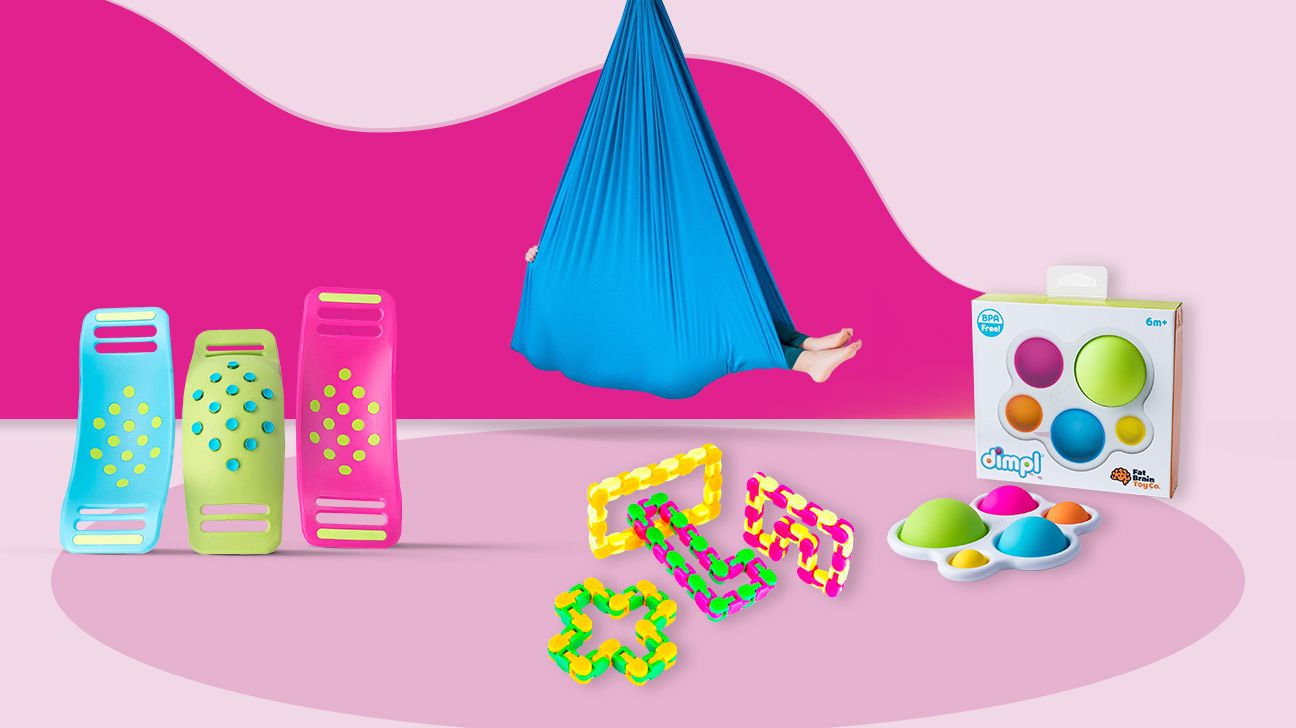
Toys with sensory features attract children’s attention. Soft textures, bright colors, and gentle sounds are examples. These toys help children explore their senses. Sensory engagement makes learning more interesting and less stressful.
Many autistic kids learn better through touch and feel. Toys that respond to touch or movement stimulate communication. They invite children to describe what they sense. This practice can build vocabulary and confidence.
Encouraging Interaction
Toys that encourage interaction help children practice social skills. Toys that require turn-taking or simple choices work well. These toys guide children to use words or gestures.
Interactive toys create chances for children to ask or answer. This helps them use language naturally. Interaction also builds trust and motivation to speak more.
Visual And Auditory Stimuli
Toys with clear visual and sound cues support speech development. Bright pictures, flashing lights, and clear sounds help focus attention. These cues make it easier to connect words with objects or actions.
Simple sounds or music can encourage children to mimic or respond. Visual aids help children understand new words. Using both sight and sound together strengthens learning and talking skills.
Top Toys For Speech Boost
Choosing the right toys can help autistic children improve their speech skills. Toys that encourage talking, listening, and interaction work best. These tools make learning fun and build confidence. The following toys support speech development in gentle, playful ways.
Interactive Storybooks
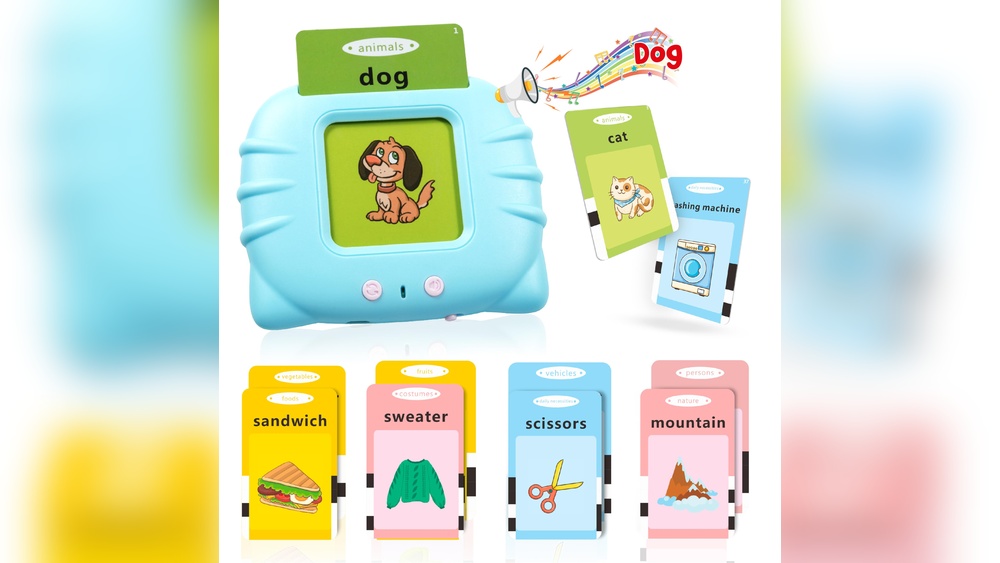
Interactive storybooks invite children to listen and talk. These books often have buttons that play sounds or words. Kids can press pictures to hear words spoken aloud. This helps them connect words with objects and actions. Repeating stories and sounds encourages speech practice.
Speech-generating Devices
Speech-generating devices produce words or phrases when touched. They help children express needs and feelings. These devices can be simple or advanced. Using them teaches kids to communicate clearly. They also boost confidence in speaking with others.
Picture Exchange Communication Systems
Picture exchange communication systems use cards with images. Children learn to give cards to ask for things. This method helps nonverbal children start communication. It supports understanding of words and requests. It also encourages social interaction through sharing.
Musical Instruments
Musical instruments make sounds that attract attention. Playing instruments helps children practice rhythms and tones. Singing along with music encourages vocal play. Instruments like drums or shakers promote listening and turn-taking. Music supports speech through rhythm and repetition.
Building And Puzzle Toys
Building and puzzle toys stimulate thinking and talking. Describing shapes and actions helps develop vocabulary. Working on puzzles with others encourages conversation. These toys build problem-solving skills and speech at the same time. They offer natural chances to use words in play.
Credit: www.healthline.com
Using Toys To Encourage Talking
Toys can play a big role in helping autistic children learn to talk. They make learning fun and less stressful. Using toys encourages kids to express themselves and try new words. Playing with toys provides chances to practice speaking in a natural way.
Choosing the right toys and using specific techniques helps children feel safe and ready to talk. These methods guide the child gently, helping them build confidence with language. The process focuses on interaction, not just the toy itself.
Guided Play Techniques
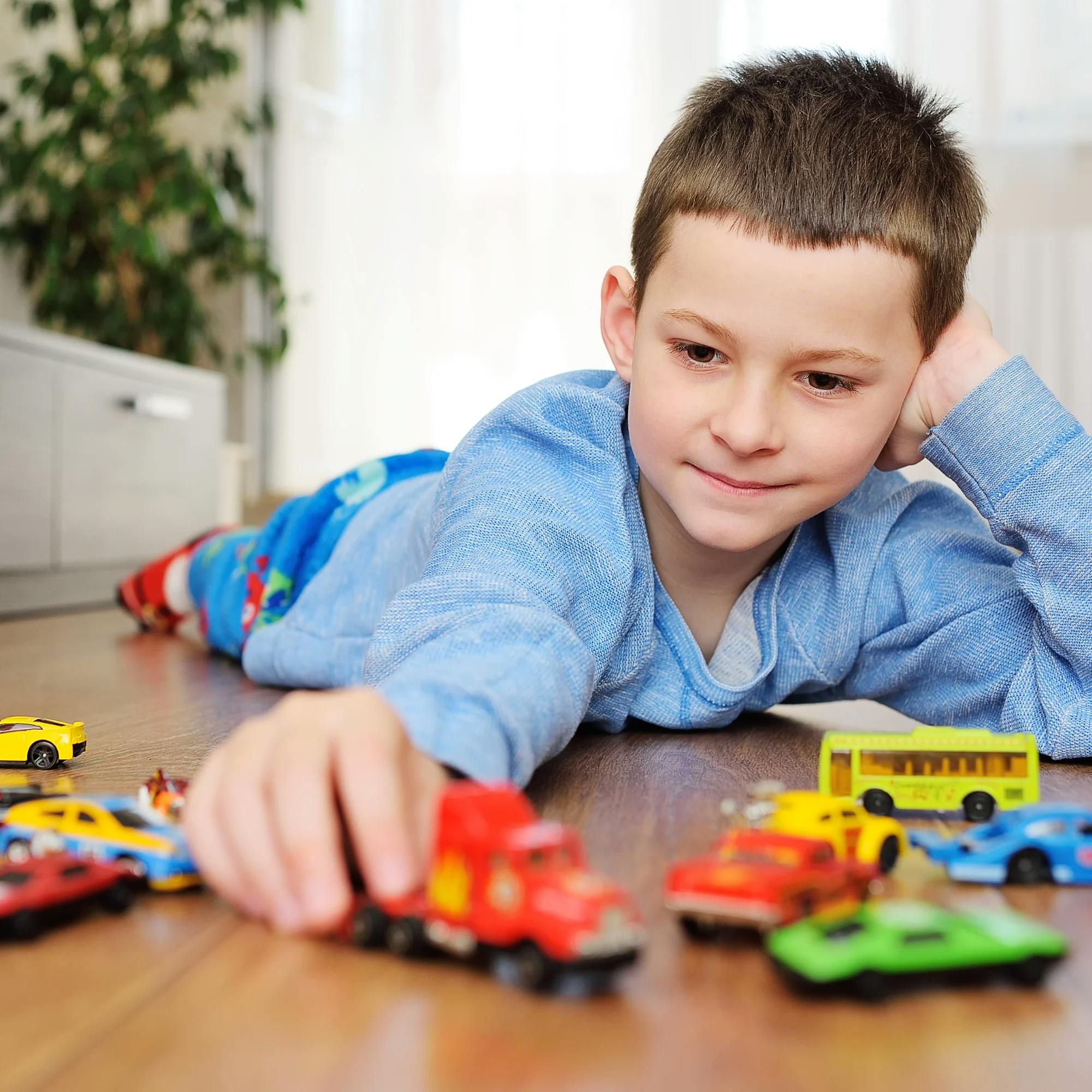
Guided play means adults join the child’s play in a supportive way. Instead of taking control, the adult follows the child’s interests. This helps keep the child engaged and willing to communicate. For example, using a toy car, the adult can ask simple questions like “Where is the car?” or “What color is it?”
This method encourages the child to use words related to the toy. It also teaches turn-taking and listening skills. Guided play creates a safe space for trying out new sounds and words.
Modeling Language
Modeling language means the adult talks clearly while playing. They use short, simple sentences that the child can copy. For example, saying “Ball roll” while rolling a ball shows the child how to combine words. The adult repeats key words often to help the child learn.
This technique helps the child hear how words fit together. It also shows how to use language to describe actions and objects. Modeling is a natural way to teach speech during play.
Prompting And Reinforcement
Prompting means giving the child small hints to encourage speech. An adult might pause after a question to give the child time to answer. They can also show pictures or point to toys to support talking. Prompts should be gentle and encouraging.
Reinforcement means praising or rewarding the child’s efforts to speak. Simple words like “Good job!” or smiles motivate the child. Positive feedback helps build confidence and makes talking more fun.
Tips For Choosing The Right Toy
Choosing the right toy can help autistic kids develop their speaking skills. The right toy encourages interaction and makes talking fun. It should match the child’s needs and interests. This way, the child stays engaged and motivated to communicate.
Consider these tips to pick toys that support speech and language development.
Age Appropriateness
Select toys that fit the child’s age and skill level. Toys that are too simple may bore the child. Too hard toys can cause frustration. Age-appropriate toys offer the right challenge. They help build confidence while encouraging speech.
Personal Interests
Choose toys based on what the child likes. A toy related to their favorite topic sparks curiosity. It motivates them to talk and ask questions. Personal interests make learning more enjoyable. This leads to more natural and frequent communication.
Therapist Recommendations
Ask speech therapists for toy suggestions. Therapists know which toys work best for speech goals. They can guide you toward toys that support communication. Following their advice ensures the toy fits the child’s needs. This can improve the child’s talking skills faster.
Credit: www.expressable.com
Incorporating Toys Into Therapy
Toys can be powerful tools in helping autistic kids develop speech. Using toys during therapy makes learning fun and less stressful. Kids feel more motivated to talk when they enjoy the activity. Toys can help children practice sounds, words, and social skills.
Therapists and parents can work together to choose the right toys. These toys support specific speech goals and keep the child engaged. Incorporating toys into therapy creates a natural chance for communication and learning.
Collaborating With Speech Therapists
Talk with the speech therapist about which toys suit your child best. Therapists know what skills to focus on and suggest toys accordingly. They can show how to use toys to encourage talking. Sharing ideas helps create a consistent learning experience.
Therapists can guide you on using toys for different speech goals. Some toys help with sounds, others with sentence building or social interaction. Following the therapist’s advice ensures effective practice and progress.
At-home Practice Strategies
Use toys at home to support what the child learns in therapy. Keep sessions short and fun to avoid frustration. Play with your child and encourage them to describe actions or name toys. Celebrate their attempts to speak, even small ones.
Set up a quiet space with favorite toys for regular practice. Try to use the toys in daily routines to build speech naturally. Consistent practice helps children gain confidence in their talking skills.

Credit: www.youtube.com
Frequently Asked Questions
What Types Of Toys Improve Speech In Autistic Kids?
Interactive toys like talking dolls, picture cards, and sound books enhance communication skills. These toys encourage verbal interaction and help kids practice words and sounds.
How Do Sensory Toys Support Language Development?
Sensory toys stimulate touch, sound, and sight, helping autistic kids focus and engage. This sensory input promotes speech by improving attention and reducing anxiety.
Are Communication Apps Considered Helpful Toys For Autistic Children?
Yes, communication apps on tablets serve as effective speech tools. They use visuals and sounds to encourage word usage and sentence formation.
Can Role-playing Toys Encourage Autistic Kids To Talk More?
Role-playing toys foster social interaction and language practice. Pretend play helps children use new words and express ideas in a fun, natural way.
Conclusion
Toys can help autistic kids practice talking every day. Simple, fun toys encourage children to use words. They make learning feel like play, not work. Parents and teachers see progress with the right tools. Each child is unique, so try different toys.
Patience and time bring steady improvement. Talking grows bit by bit, step by step. Keep supporting and celebrating small successes. Speaking skills can improve with love and practice. Toys are just one part of the journey.
