

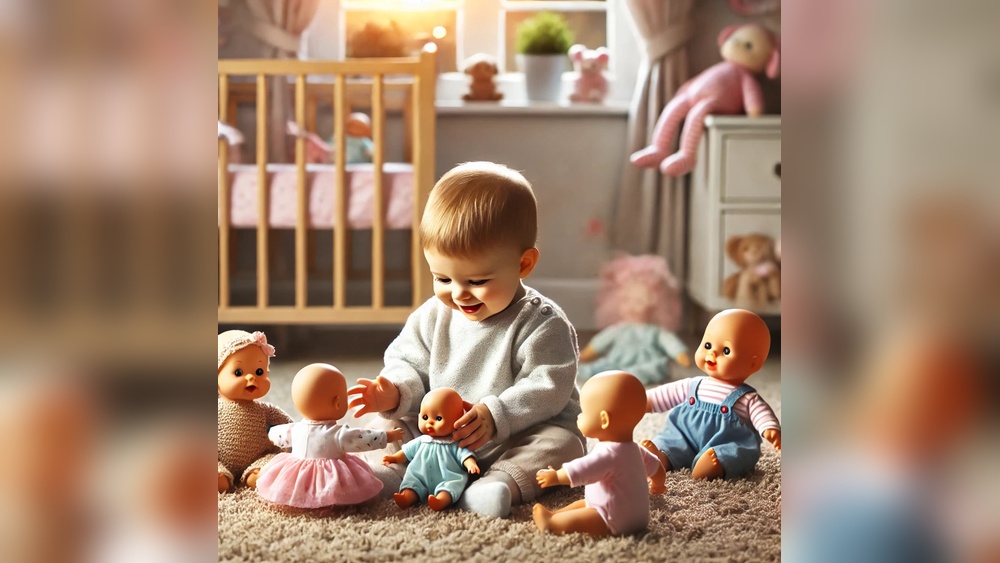
Have you ever wondered when your child might stop playing with their favorite toys? It’s a question many parents ask but few get a clear answer to.
Understanding the age when kids lose interest in toys can help you choose the right gifts and keep your child engaged. You’ll discover the key signs and ages when this change usually happens. Knowing this can make your parenting experience smoother and more enjoyable.
Keep reading to find out exactly when and why kids move on from toys.
Credit: poppyseedplay.com
Early Toy Preferences
Children show interest in toys from a very young age. Their choices depend on how they grow and learn. Early toy preferences help parents understand what attracts their child the most. Toys that match a child’s stage of development keep them engaged longer.
These early preferences often shape how children play and learn skills. Recognizing what draws their attention can guide better toy selections. This section explains what attracts infants and the role sensory growth plays in toy interest.
Infant Attraction To Toys
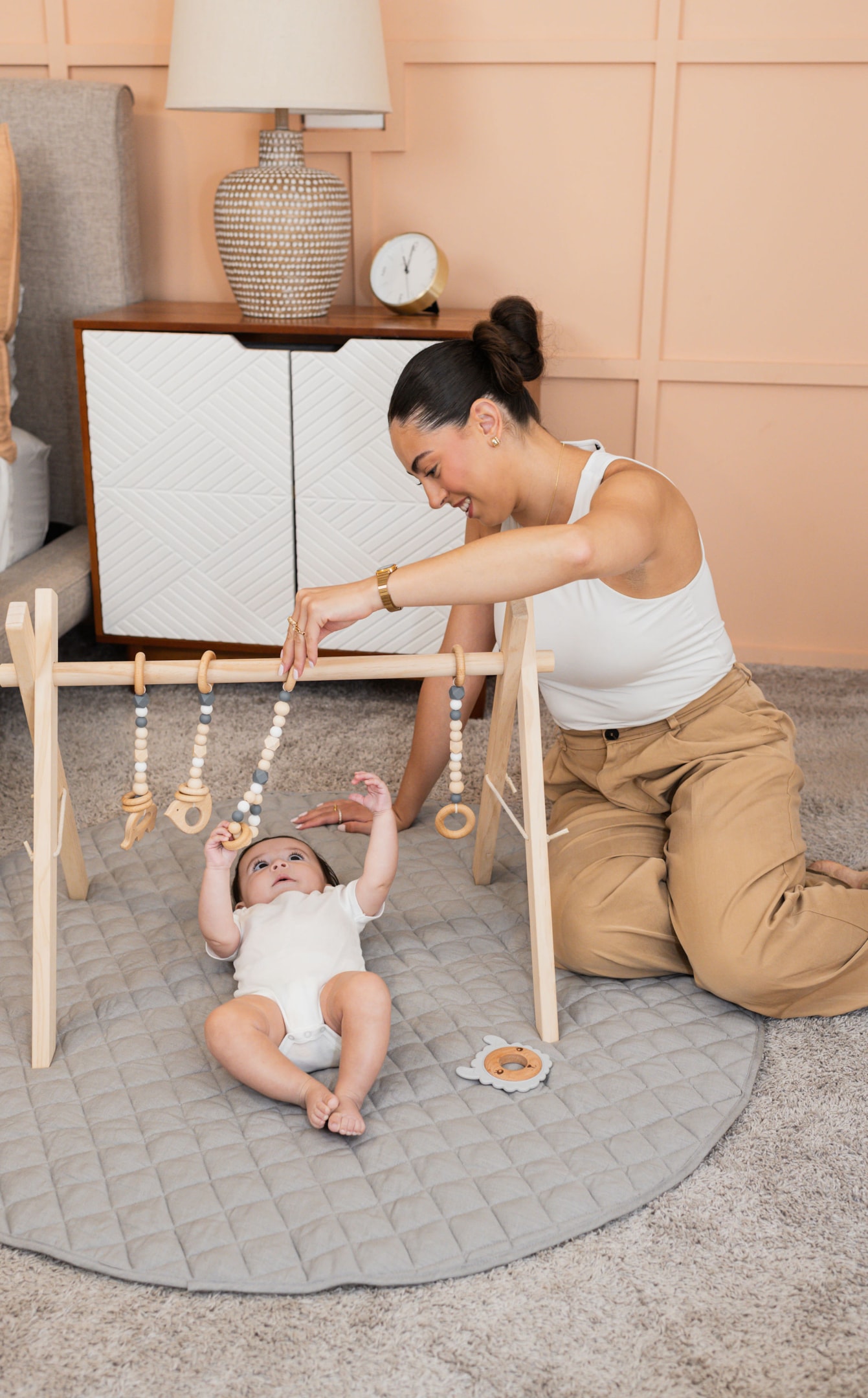
Infants are drawn to bright colors and simple shapes. They prefer toys that are easy to grasp and hold. Movement, like rattles or mobiles, catches their eye quickly. Soft textures also attract babies, providing comfort and curiosity.
Sounds from toys help infants explore cause and effect. Toys that respond to their touch encourage interaction. Babies often like toys they can mouth safely. These early attractions help babies learn about their world step by step.
Role Of Sensory Development
Sensory growth is key to toy interest in young children. Babies use sight, touch, hearing, taste, and smell to explore toys. Toys that stimulate multiple senses keep children engaged longer. For example, a toy with bright colors and soft texture appeals to both sight and touch.
As senses develop, children seek new experiences. This leads to changes in toy preferences. Toys that challenge their senses support brain growth and coordination. Sensory-rich toys build a strong foundation for learning and play.
Toddler Toy Engagement
Toddlers explore toys in new and exciting ways. Their interest changes as they grow. Toys that once entertained them may no longer hold their attention. Understanding how toddlers engage with toys helps parents choose better playthings.
During toddler years, play becomes more than just fun. It turns into a way to learn and express feelings. Toys support this growth by encouraging different types of play.
Imaginative Play Emerges
Toddlers start to use toys in pretend play. Simple blocks become houses or cars. Dolls and action figures act out little stories. This type of play boosts creativity and thinking skills.
They enjoy toys that let them imagine and create. Toy kitchens, dress-up clothes, and figurines become favorites. Imaginative play helps toddlers understand the world around them.
Social Interaction And Toys
Toys also help toddlers learn how to play with others. Sharing and taking turns become important skills. Group play with balls or puzzles teaches cooperation.
Toys that encourage social play keep toddlers interested longer. They learn communication and build friendships. Playing with others makes toys more exciting and meaningful.
Preschooler Toy Interests
Preschoolers show big changes in their toy choices. Their interests grow from simple to more detailed toys. This stage lasts from ages three to five. Kids start to enjoy toys that challenge their minds and skills. Play becomes a way to explore new ideas and practice new skills.
Parents and caregivers notice these shifts clearly. Toys that once held attention may no longer seem fun. Instead, puzzles, building blocks, and pretend play sets become favorites. These toys support creativity and problem-solving. Understanding these changes helps adults choose the right toys.
Shift Toward Complex Toys
Preschoolers want toys that make them think and build. Simple toys like rattles or soft blocks no longer excite them. They prefer toys with parts to move, fit, or arrange. Building sets and puzzles are good examples. These toys help improve hand-eye coordination and focus.
Role-play toys also gain interest. Dolls, play kitchens, and action figures let kids act out stories. This type of play supports language and social skills. Preschoolers enjoy toys that let them create and explore new roles.
Influence Of Peers
Friends and classmates shape toy interests a lot. Kids often want the same toys as their friends. This leads to sharing and group play. Popular toys at school or playdates become more appealing. Peers encourage trying new toys and games.
Social play helps kids learn cooperation and taking turns. It also boosts communication skills. Toys that support group activities get more attention. This social influence can cause kids to lose interest in old toys.

Credit: www.whattoexpect.com
School-age Toy Changes
As children enter the school-age years, their interests shift significantly. Toys that once held their attention may no longer excite them. This change reflects their growing minds and new skills. Understanding these shifts helps parents and caregivers choose better play options.
During this period, kids explore different types of toys. Their preferences move from simple playthings to more complex and interactive options. These changes happen naturally as they grow older and learn more about the world.
Growing Preference For Technology
School-age children often prefer toys with technology. Tablets, video games, and interactive gadgets grab their focus. These toys offer challenges and rewards that keep kids engaged longer. Technology-based toys also connect children with friends through online play. This social aspect adds to their appeal. Kids enjoy learning new skills using apps and digital tools. The bright screens and sounds attract their attention quickly. These toys also fit well with their growing curiosity and problem-solving skills.
Decline In Traditional Toy Appeal
Traditional toys like dolls, blocks, and simple puzzles lose some appeal. School-age kids find these toys less exciting than before. They want activities that feel more grown-up and stimulating. Classic toys may seem too easy or boring now. This decline is normal as children seek new challenges. Parents can help by introducing toys that match their child’s changing interests. Offering a mix of old and new toys can keep playtime fun. It helps children enjoy learning and creativity in different ways.
Factors Affecting Toy Interest
Many factors influence when children lose interest in toys. Each child is unique, and their preferences change over time. Understanding these factors helps parents choose the right toys. It also explains why some kids stop playing with toys earlier than others.
Toy interest depends on personality, family habits, and culture. These elements shape how children see and use toys daily.
Personality Differences
Every child has a different personality. Some enjoy quiet play with puzzles or books. Others prefer active games or building blocks. Shy kids might like toys that involve imagination. Outgoing kids often enjoy social play with friends. These differences affect how long toys stay interesting.
Parental Influence
Parents shape toy interest by the types they provide. They also guide how children play and explore. Parents who play with kids encourage longer toy use. Those who limit screen time often see more engagement with toys. Family habits and support play a big role.
Cultural Impact
Culture affects what toys are popular and accepted. Some cultures value educational toys more. Others focus on traditional or handmade toys. Cultural stories and festivals can influence toy choices. This impact changes how children relate to their toys.
Signs Kids Outgrow Toys
Children change quickly as they grow. Their interests shift, and toys that once thrilled them may no longer do so. Recognizing signs that kids outgrow toys helps parents and caregivers understand their needs better. These signs often show in behavior and new interests.
Behavioral Indicators
Children may stop playing with toys they once loved. They might lose focus or seem bored easily. Toys that require simple actions may no longer hold their attention. Kids might prefer watching others play instead of joining in. Sometimes, they leave toys untouched for long periods. These behaviors often mean they are ready for new challenges.
Choosing New Activities
As kids grow, they start choosing different activities. They may prefer puzzles, books, or sports over toys. Social play with friends can become more interesting than solo play. Creative activities like drawing or building might replace traditional toys. This shift shows their developing skills and changing interests. Parents can support this by offering varied activities beyond toys.
Encouraging Continued Play
Children’s interest in toys often changes as they grow. Encouraging continued play helps keep their minds active and happy. Playtime supports learning, creativity, and social skills. Parents and caregivers can help by choosing toys that match the child’s age and interests. This keeps play fun and engaging for longer.
Adapting toys and promoting creativity can make a big difference. These approaches help children enjoy play even as they grow older.
Adapting Toys To Age
Toys should match the child’s current skills and interests. Younger kids enjoy simple puzzles and blocks. Older children like more complex games and building sets. Changing toys as kids grow keeps play fresh and exciting. It also helps children learn new skills step by step.
Parents can swap out old toys for new ones that fit the child’s age. This avoids boredom and keeps children curious.
Promoting Creativity
Creative play helps children use their imagination. Art supplies, dress-up clothes, and building kits are great choices. These toys do not have a fixed way to play. Kids can invent their own stories and games. This type of play stays interesting for longer periods.
Encouraging creativity lets children explore and express themselves. It also improves problem-solving skills and confidence.
Credit: www.ebay.com
Frequently Asked Questions
At What Age Do Kids Typically Lose Interest In Toys?
Children usually begin losing interest in toys around ages 8 to 12. This shift happens as they develop new hobbies and social interests beyond play. Their focus moves toward technology, sports, and friendships, reducing the appeal of traditional toys.
Why Do Kids Lose Interest In Toys As They Grow?
Kids lose interest in toys as they seek more complex, social, and intellectual activities. Their cognitive and emotional development drives them toward real-world experiences and peer interactions, making simple toys less engaging.
Can A Child’s Environment Affect Toy Interest Duration?
Yes, a child’s environment greatly affects how long they remain interested in toys. Supportive families encourage creative play longer. Access to diverse activities can also shift interests away from toys sooner.
How Can Parents Keep Kids Interested In Toys Longer?
Parents can keep toy interest alive by introducing age-appropriate, educational, and interactive toys. Rotating toys and involving kids in play increases engagement. Encouraging imagination and social play also helps maintain interest.
Conclusion
Kids often lose interest in toys between ages 8 and 12. Their focus shifts to friends, hobbies, and technology. Toys feel less exciting as they grow older. Yet, some children keep enjoying toys longer. Parents can help by offering new activities and challenges.
Watching a child’s interests change is natural. It shows they are learning and growing. Toys are just one part of their journey. Staying patient and supportive helps kids explore new passions. Every child is different. Age is only a guide, not a rule.
