

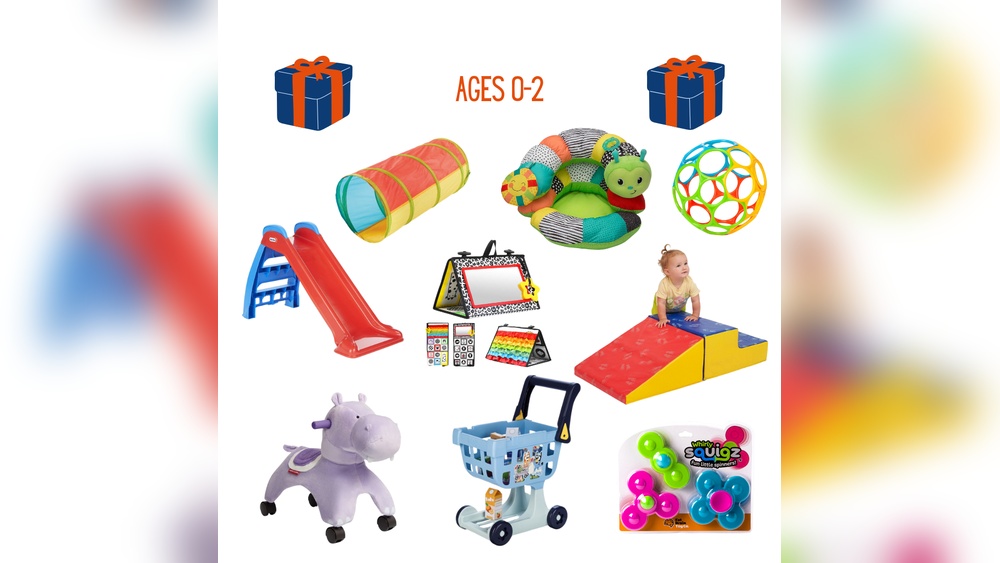
You want the best for your toddler’s growth, right? One simple way to boost their brain development is through toys.
But not just any toys—specific ones that spark curiosity and learning. Imagine watching your child’s eyes light up as they discover new shapes, sounds, and colors. These moments do more than entertain; they build the foundation for thinking, problem-solving, and creativity.
Keep reading to find out how the right toys can give your toddler’s brain a powerful head start.

Credit: hmlfunctionalcare.com
Role Of Toys In Early Brain Growth
Toys play a key role in early brain growth for toddlers. They help build new skills and connections in the brain. Through play, toddlers explore their world and learn about cause and effect. Toys provide a safe space for this exploration. This helps the brain develop important areas like memory, attention, and coordination. Different types of toys support different parts of brain growth.
Sensory Stimulation Benefits
Toys that stimulate the senses help the brain process information better. Bright colors, varied textures, and sounds catch a toddler’s attention. These toys encourage children to touch, see, hear, and sometimes smell or taste. This sensory input helps build strong connections in the brain. It also improves focus and awareness of the environment.
Enhancing Motor Skills
Many toys encourage toddlers to move their hands and bodies. Blocks, balls, and puzzles require grasping and reaching. These actions strengthen fine and gross motor skills. Motor skills are important for everyday tasks like eating and dressing. Toys promote practice and coordination, which the brain uses to control movements.
Encouraging Problem Solving
Puzzles, stacking toys, and simple cause-and-effect toys challenge toddlers’ thinking. These toys make children figure out how things fit or work. Problem solving helps the brain learn to plan and make decisions. Toddlers develop patience and persistence through these challenges. Toys support cognitive growth by encouraging active thinking and curiosity.
Choosing The Right Toys For Toddlers
Choosing the right toys for toddlers is key to helping their brain grow. Toys can teach new skills and keep children curious. They also support physical and mental development in many ways. It is important to pick toys that fit their age and interests. Safety and creativity matter too. The right toys make learning fun and safe.
Age-appropriate Selections
Toddlers need toys that match their stage of growth. Toys too hard or easy can cause frustration or boredom. Look for items made for specific age groups. These toys support skills toddlers are ready to learn. Simple puzzles, blocks, and shape sorters work well. They help develop thinking and hand coordination.
Toys That Promote Creativity
Creative toys inspire toddlers to use their imagination. Art supplies, building sets, and dress-up clothes encourage new ideas. These toys help children express feelings and thoughts. Open-ended toys allow many ways to play. This kind of play builds problem-solving and language skills.
Safe And Durable Materials
Toddlers explore with their mouths and hands. Toys must be made from safe, non-toxic materials. Avoid small parts that can cause choking. Choose sturdy toys that can handle rough play. Durable toys last longer and stay safe after many uses. Clean toys often to keep germs away.
Types Of Toys That Boost Development
Toys play a key role in helping toddlers learn and grow. They teach new skills and encourage creativity. Different types of toys support brain development in unique ways. Choosing the right toys can make a big difference in a child’s progress.
Building Blocks And Puzzles
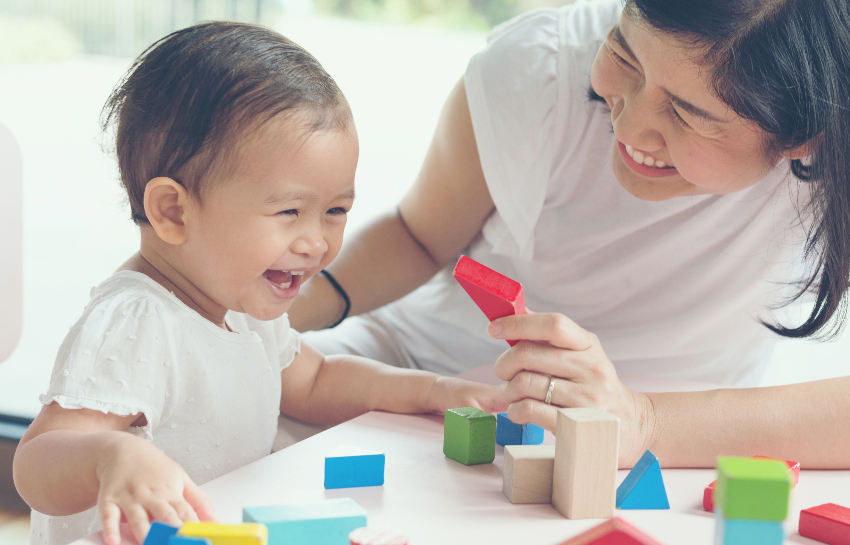
Building blocks and puzzles help develop fine motor skills and hand-eye coordination. Toddlers learn to stack, sort, and fit pieces together. These activities improve problem-solving and spatial awareness. They also encourage focus and patience during play.
Musical Instruments
Musical instruments introduce rhythm and sound recognition. Toddlers explore different noises and patterns. This type of play boosts memory and listening skills. Playing music also supports language development and creativity.
Interactive And Educational Toys
Interactive toys respond to a child’s actions with sounds or lights. These toys teach cause and effect relationships. Educational toys often include numbers, letters, or shapes. They help build early math and language skills. Toddlers enjoy learning through active play.
Credit: newhorizonacademy.net
Parent And Caregiver Involvement
Parents and caregivers play a key role in toddler brain growth. Their involvement turns simple play into rich learning moments. Toddlers learn best through interaction with trusted adults. These adults guide, support, and encourage curiosity. Toys become tools for bonding and teaching. This section explores how parents and caregivers can boost brain development through play.
Guided Play Techniques
Guided play means adults gently lead children’s play activities. It helps toddlers focus and learn new skills. Caregivers ask questions and offer ideas without taking control. This approach encourages thinking and problem-solving. For example, building blocks can teach shapes and counting. Adults show how to stack blocks safely. They praise efforts and celebrate small wins. Guided play creates a safe space for learning and fun.
Encouraging Exploration
Exploration fuels a toddler’s brain growth. Parents should offer toys that invite discovery. Sensory toys, puzzles, and nature objects work well. Caregivers watch and join in without interrupting. They allow toddlers to try new things at their own pace. Encouraging questions and experiments builds confidence. Exploration helps toddlers make connections and understand cause and effect. Adult support boosts curiosity and learning.
Balancing Screen And Physical Play
Screen time should be limited and purposeful for toddlers. Physical play supports movement and brain health. Parents can set clear rules about screen use. They choose educational content and watch with children. Physical toys like balls and ride-ons encourage active play. Combining both types offers a balanced experience. Active play improves coordination and social skills. Balanced play supports healthy brain development and growth.
Signs Of Progress In Toddler Growth
Toys play a big role in toddler brain growth. They help children learn many new skills. Parents and caregivers can watch for signs that show progress in their toddlers. These signs reveal how well toddlers develop in different areas. Watching these changes can guide adults in choosing the right toys and activities.
Cognitive Milestones
Toddlers start to think and solve simple problems. Toys like puzzles and blocks help their brains grow. They learn to match shapes and colors. They remember where objects are hidden. These small wins show their thinking skills improve. Toys that challenge their minds support these milestones.
Language Development
Toddlers begin to use more words every day. Toys that talk or sing can encourage this growth. They try to repeat sounds and words they hear. Simple picture books and naming toys help build vocabulary. Clear signs include saying short sentences and understanding simple instructions.
Social And Emotional Skills
Toddlers start to play with others and share toys. They show feelings like joy, anger, or fear more clearly. Dolls and stuffed animals help them express emotions. They learn to take turns and follow simple rules. These behaviors mark important social and emotional growth.

Credit: www.amazon.com
Frequently Asked Questions
How Do Toys Enhance Toddler Brain Development?
Toys stimulate sensory and motor skills in toddlers. They encourage problem-solving, creativity, and social interaction. Engaging with toys strengthens neural connections essential for cognitive growth.
Which Toys Are Best For Toddler Brain Growth?
Educational toys like puzzles, blocks, and shape sorters boost brain development. Toys that promote imaginative play and fine motor skills are also beneficial. Choose age-appropriate toys for safe learning.
How Does Playtime With Toys Improve Toddler Skills?
Playtime with toys improves language, coordination, and memory. It fosters emotional development and helps toddlers understand cause and effect. Regular play supports overall cognitive and social abilities.
Can Toys Support Emotional Development In Toddlers?
Yes, toys help toddlers express emotions and practice empathy. Role-playing toys encourage understanding feelings and social interactions. This emotional growth is vital for healthy brain development.
Conclusion
Toys help toddlers learn and grow every day. They build skills like thinking, moving, and talking. Playing with toys makes learning fun and natural. Toddlers explore the world through play and discovery. Choosing the right toys supports brain growth and curiosity.
Simple toys can spark big ideas and new skills. Let children play often to help their minds develop well. Toys are more than fun—they are tools for early learning.
