

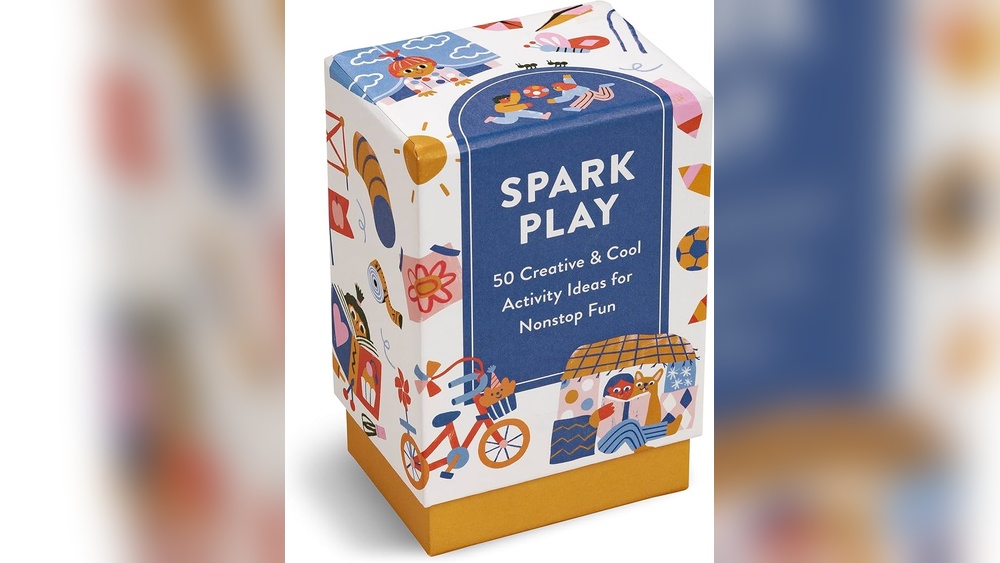
Have you ever noticed how a simple toy can light up a child’s imagination? Toys do more than just entertain—they open doors to new ideas and ways of thinking.
When your child plays, they are not just having fun; they are exploring, experimenting, and learning about the world around them. You’ll discover how the right toys can spark creativity and help your child develop important skills. Keep reading to find out why the toys your child chooses today could shape the thinker they become tomorrow.

Credit: www.amazon.com
Toys As Tools For Imagination
Toys offer more than just fun. They help children explore ideas and create stories. Through play, kids use their imagination to try new things. This builds their creativity and problem-solving skills. Toys become tools that guide their minds to new adventures.
Imaginative play encourages children to think beyond what they see. It allows them to turn simple objects into exciting worlds. This kind of play shapes how they understand the world and express themselves.
Role Of Open-ended Toys
Open-ended toys have no set rules or goals. Blocks, clay, and dolls fit in this group. Kids decide how to use these toys. This freedom sparks creativity and endless ideas.
Such toys grow with the child. They support many ways of playing. Open-ended toys invite children to explore and build their own stories. This type of play strengthens their imagination and thinking skills.
Encouraging Storytelling Through Play
Storytelling helps children share their thoughts and feelings. Toys like action figures or puppets make storytelling easier. Kids create characters and adventures using these toys.
Playing with stories improves language skills. It helps children organize ideas and express themselves clearly. Storytelling through toys also boosts confidence and social skills.
Building Fantasy Worlds
Fantasy worlds take children to magical places. Toy castles, space ships, and animals help build these worlds. Kids imagine new rules and characters for their stories.
Creating fantasy worlds lets children explore emotions and ideas safely. This type of play supports mental growth and emotional health. It also encourages thinking about different possibilities and outcomes.
Boosting Problem-solving Skills
Toys play a big role in helping kids solve problems. They offer safe chances to try new ideas and find solutions. Kids learn to think clearly and carefully. Problem-solving skills grow as children play with different toys. This helps in school and everyday life.
Puzzles And Logical Thinking
Puzzles challenge kids to fit pieces and see the big picture. They teach kids to plan and think step-by-step. Solving puzzles improves focus and patience. Kids learn cause and effect through trial and error. Logical thinking grows stronger with each completed puzzle.
Constructive Play With Building Sets
Building sets let kids create with their hands. They try new designs and fix mistakes. This kind of play encourages creativity and planning. Kids learn to balance parts and understand shapes. Building sets help kids test ideas and build confidence.
Challenges And Brain Teasers
Brain teasers push kids to think in new ways. They solve riddles and tricky questions. These challenges improve memory and attention to detail. Kids enjoy the feeling of solving tough puzzles. Brain teasers teach kids to keep trying and not give up.
Enhancing Cognitive Development
Toys play a big role in helping children think and learn. They support brain growth and improve skills. Kids explore new ideas by playing with different toys. This helps their minds develop step by step.
Choosing the right toys can boost thinking, memory, and focus. Kids learn how things work and solve problems. Playtime becomes a time for learning and growing.
Sensory Toys And Brain Growth
Sensory toys help children use their senses. Touch, sight, sound, and sometimes smell and taste come into play. These toys make the brain work harder. They build connections between brain cells.
Examples include textured balls, musical instruments, and colorful blocks. Kids feel different textures and hear sounds. This kind of play strengthens brain areas that control thinking.
Learning Through Cause And Effect
Toys that show cause and effect teach kids how actions have results. Press a button, and a light turns on. Push a lever, and something moves. These toys help children understand how things connect.
This knowledge builds reasoning skills. Kids learn to predict what will happen next. Cause and effect toys encourage curiosity and thinking ahead.
Memory And Concentration Games
Memory games help kids remember details. They train the brain to focus and recall information. Matching cards or puzzles are good examples.
Concentration games improve attention span. Kids practice focusing on one task at a time. These skills help with schoolwork and daily activities.
Credit: www.rasmussen.edu
Fostering Social Skills
Toys play a big role in helping kids build social skills. Social skills are important for making friends and working with others. Playing with toys encourages children to share, take turns, and listen to each other. These actions help kids learn how to interact in groups and solve problems together.
Cooperative Play Experiences
Cooperative play means kids work together to reach a goal. Toys like building blocks or puzzles encourage teamwork. Children learn to plan and share ideas during play. This builds trust and respect among kids. They discover how to help and support each other.
Role-playing And Empathy
Role-playing toys let kids act out different characters. Dolls, action figures, and costumes inspire imagination. Kids practice seeing things from others’ views. This builds empathy and understanding of feelings. Playing roles helps children express emotions safely.
Communication Through Group Activities
Group activities with toys boost talking and listening skills. Kids explain their ideas and ask questions. They learn how to follow rules and take turns speaking. This improves clear communication and patience. Talking with friends helps children feel confident.
Connecting Play With Real-world Learning
Play is more than fun for kids. It helps them learn about the world. Toys act as tools for exploring new ideas. They build bridges between imagination and real life.
Through play, children test ideas and solve problems. They practice skills that they use outside playtime. This process deepens their understanding of everyday things.
Stem Toys And Exploration
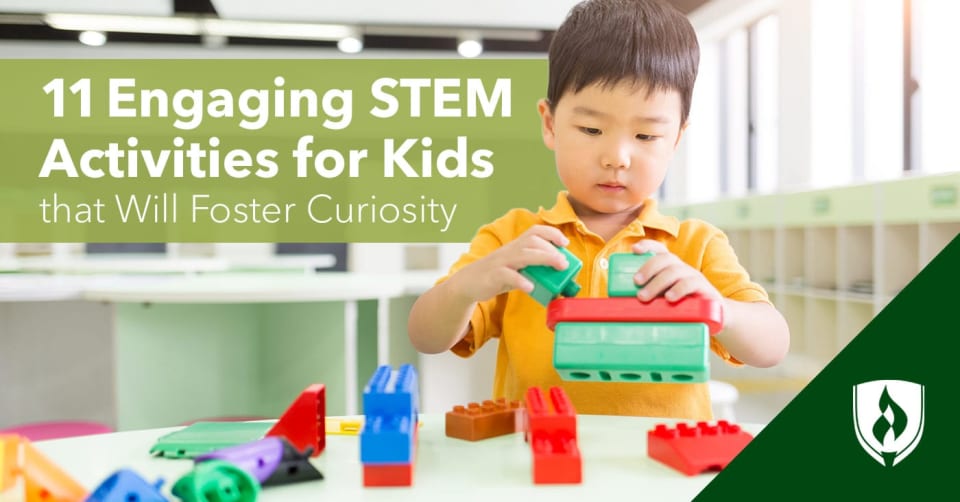
STEM toys teach science, technology, engineering, and math. Kids build, experiment, and discover how things work. These toys encourage curiosity and logical thinking. Children learn to ask questions and find answers. This kind of play prepares them for real-world challenges.
Creative Arts And Expression
Art toys let kids express their feelings and ideas. Drawing, painting, and crafting develop fine motor skills. These activities boost imagination and problem-solving abilities. Creative play also helps children understand colors, shapes, and patterns. It connects their inner thoughts to the outside world.
Nature And Outdoor Play
Outdoor toys bring children closer to nature. They explore plants, animals, and weather. This hands-on learning builds observation and critical thinking skills. Kids develop respect and care for the environment. Nature play shows them the importance of the world around them.
Choosing Toys To Inspire Creativity
Choosing toys that inspire creativity helps children explore new ideas and develop skills. The right toys encourage imagination and problem-solving. They let kids try different ways to play. This kind of play builds confidence and thinking ability.
Parents and caregivers can pick toys that fit each child’s interests and growth. Thoughtful choices support learning and fun. Toys should invite children to create, build, and explore without strict rules. This freedom sparks creativity and joy.
Age-appropriate Selections
Toys must match a child’s age and skill level. Toys too hard cause frustration. Toys too easy can bore a child. Age-appropriate toys help kids succeed and feel proud. They encourage children to try new ideas safely.
Encouraging Open-ended Play
Open-ended toys have no single use or outcome. Blocks, art supplies, and dress-up clothes fit well. These toys let children create their own stories and worlds. Open-ended play boosts imagination and flexible thinking. Kids learn to solve problems in different ways.
Balancing Technology And Traditional Toys
Technology toys offer new experiences and skills. Tablets and coding kits teach logic and creativity. Traditional toys like puzzles and dolls teach social skills and hand-eye coordination. A mix of both types gives children varied ways to explore ideas. Balance keeps playtime rich and engaging.

Credit: acceltherapies.com
Frequently Asked Questions
How Do Toys Encourage Creativity In Children?
Toys inspire creativity by letting kids imagine and build new worlds. They provide hands-on experiences that boost problem-solving and innovation skills. Playing with toys helps children think outside the box and express their unique ideas freely.
What Skills Do Kids Develop Through Toy Play?
Kids develop critical thinking, motor skills, and social abilities when playing with toys. Toys encourage communication, collaboration, and fine motor coordination. These skills are essential for cognitive growth and everyday learning.
Can Toys Improve A Child’s Problem-solving Ability?
Yes, toys challenge kids to solve puzzles and create solutions. This enhances logical thinking and decision-making skills. Toys provide safe environments for children to experiment and learn from mistakes.
Why Are Educational Toys Important For Idea Exploration?
Educational toys combine fun and learning, stimulating curiosity and knowledge. They introduce concepts like numbers, letters, and science in playful ways. This fosters a love for learning and supports intellectual development.
Conclusion
Toys open doors to new ideas and spark creativity in kids. They help children learn by playing and trying new things. Through toys, kids practice problem-solving and build important skills. Each playtime moment becomes a chance to explore the world around them.
Giving kids the right toys supports their growth and imagination. Simple toys can lead to big discoveries. Play is not just fun; it is a way to learn and grow every day. Toys help children become curious thinkers and confident learners.
