

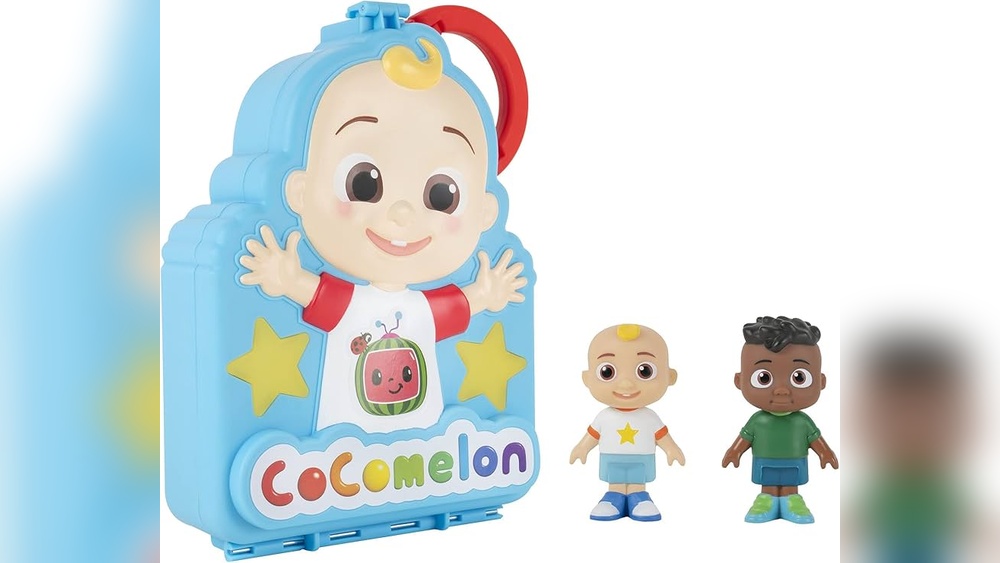
Have you ever wondered why your toddler insists on carrying a toy everywhere they go? It might seem like just a simple habit, but there’s more to it than meets the eye.
Your little one isn’t just holding a toy—they’re finding comfort, exploring their world, and expressing themselves in ways you might not realize. Understanding this behavior can help you connect better with your child and support their growth. Keep reading to discover the surprising reasons behind your toddler’s toy-carrying habit and how it shapes their early development.
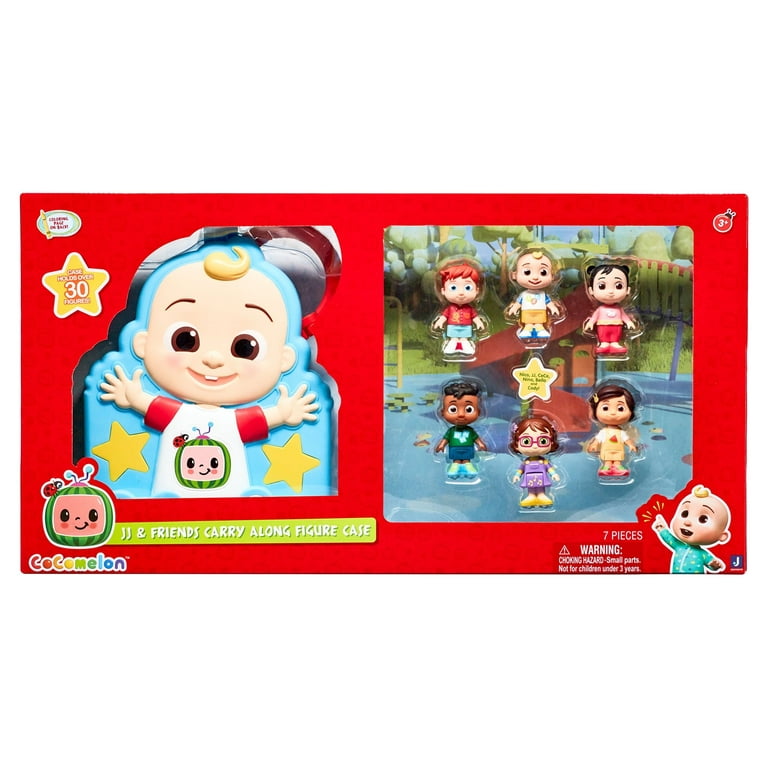
Credit: www.walmart.com
Emotional Comfort
Toddlers often carry toys with them to feel safe and calm. These small objects become more than just playthings. They provide real emotional comfort. Carrying a toy offers a sense of familiarity in new or confusing places. It helps toddlers manage their feelings and stay balanced.
Security And Safety
Toys act like a security blanket for toddlers. Holding a favorite toy makes them feel protected. It creates a small, safe world amid changes. This safety helps toddlers explore with less fear. The toy is a steady friend in unknown situations.
Soothing Anxiety
Toddlers face many new experiences daily. These can cause stress or anxiety. Carrying a toy helps reduce those feelings. The toy’s presence calms their mind and body. It offers comfort during moments of upset or nervousness. This simple act helps toddlers feel more in control.

Credit: www.amazon.com
Exploration And Learning
Toddlers carry toys everywhere as part of their natural urge to explore and learn. Toys become tools for discovery. They help toddlers understand the world around them. Holding a toy creates chances to touch, see, and hear new things. This simple act supports their growth in many ways.
Sensory Development
Toddlers use toys to develop their senses. Toys with different shapes, colors, and textures attract their attention. Feeling a soft teddy bear or a hard block helps them learn about touch. Bright colors and sounds improve their sight and hearing. Carrying toys allows toddlers to explore senses anytime.
Cognitive Growth
Carrying toys aids in mental development. Toddlers learn cause and effect by playing with toys. Pushing buttons and opening lids spark curiosity. Toys help toddlers practice problem-solving skills. They remember which toys bring joy or challenge. This strengthens their memory and thinking ability.
Social Connection
Toddlers carry toys everywhere to feel connected with people around them. Toys act like bridges to social interaction. They help toddlers learn and share feelings.
Through their toys, toddlers try to be part of their family and friends. These toys become a way to communicate and bond with others. Social connection plays a big role in why toddlers keep their toys close.
Imitating Adults
Toddlers watch adults and copy their actions. Carrying toys is like copying adults carrying bags or phones. This makes toddlers feel grown-up and important.
By holding toys, toddlers act like adults in their social world. It helps them understand social roles and behavior in a safe way.
Building Relationships
Toys help toddlers start and keep friendships. Sharing or showing toys invites other kids to play. This creates chances to make friends and learn social skills.
Carrying a favorite toy gives toddlers comfort in new or crowded places. It helps them feel safe while meeting new people.

Credit: chickadeeswoodentoys.com
Ownership And Control
Toddlers love to carry their toys everywhere. This habit shows their growing need for ownership and control. Holding a toy gives them a feeling of power and safety. It also helps them understand the world around them better. Carrying toys is more than just play; it is a way toddlers express who they are.
Through their toys, toddlers learn what it means to own something. This sense of ownership builds their confidence and independence. They start to see themselves as separate from others. This feeling of control is very important at this stage of their development.
Sense Of Possession
Toddlers feel proud of their toys. These objects belong to them, and they want to keep them close. Carrying a toy means holding on to something special. It gives toddlers a way to show what they like and care about. This sense of possession helps them feel secure and important.
When a toddler carries a toy, it marks their personal space. They protect their toy from being taken away. This behavior is a natural step in learning to share and respect others’ belongings later.
Decision Making
Choosing which toy to carry shows decision-making skills. Toddlers pick toys based on mood or comfort. This choice reflects their preferences and feelings. Carrying a favorite toy helps them face new places and situations.
Making decisions about their toys boosts toddlers’ confidence. It teaches them responsibility for their own things. This early control supports their ability to make other choices in life.
Routine And Habit
Toddlers often carry toys everywhere because they build strong routines and habits. These small habits help children feel safe and in control. Toys become part of their daily life and comfort.
Carrying a favorite toy helps toddlers stick to their routine. It gives them a sense of order and calm. This habit supports their emotional needs during busy days.
Comfort In Familiarity
Toys offer familiar comfort to toddlers. The texture, color, or shape of a toy feels known and safe. This familiarity helps reduce stress in new or confusing places.
When toddlers hold their favorite toy, they feel less scared. It acts like a friend during times of change or uncertainty. The toy’s presence reassures and soothes them.
Predictability
Carrying a toy creates a predictable pattern in a toddler’s day. Predictability helps toddlers know what to expect next. This reduces their anxiety and builds confidence.
Toys become a small constant in a world full of new things. This habit supports their growing need for stability. It also helps toddlers focus and stay calm.
Creative Play
Toddlers carry toys everywhere because these toys are tools for creative play. Creative play helps children explore the world using their imagination. It supports learning and emotional growth. Toys become companions in their little adventures. These toys turn simple moments into exciting stories and new ideas.
Imagination Boost
Toys spark a toddler’s imagination. Holding a toy can change an ordinary walk into a magical journey. A teddy bear becomes a brave hero. A small car turns into a race car. This kind of play helps toddlers dream up new worlds. It builds their creativity and helps them think beyond what they see.
Problem Solving
Carrying toys also helps toddlers practice problem solving. They use toys to figure out how things work. For example, stacking blocks teaches balance and order. Playing with puzzles improves focus and thinking. When toddlers carry their toys, they take chances to solve problems anytime, anywhere. This hands-on learning builds confidence and skills for real life.
Frequently Asked Questions
Why Do Toddlers Carry Toys Everywhere They Go?
Toddlers carry toys for comfort and security. Toys help them feel safe in new places. Carrying toys also supports emotional development and builds independence.
How Do Toys Help Toddlers Develop Emotionally?
Toys provide familiarity and emotional support. They help toddlers express feelings and reduce anxiety. Holding toys boosts confidence and nurtures self-soothing skills.
Can Carrying Toys Improve Toddler’s Social Skills?
Yes, toys encourage interaction and sharing. Toddlers use toys to connect with peers and adults. This practice enhances communication and cooperation skills.
When Should Parents Worry About Toy Attachment?
Toy attachment is normal until it disrupts daily activities. Seek advice if toddlers refuse to separate from toys or show distress. Professional guidance ensures healthy emotional growth.
Conclusion
Toddlers carry toys everywhere because they feel safe and happy. Toys help them learn about the world around them. Carrying toys also builds their confidence and imagination. It shows how they connect with their favorite things. Parents can support this habit by choosing safe, easy-to-carry toys.
Remember, this is a normal part of growing up. It helps toddlers explore and feel secure. Watching them with toys reveals their unique personality. Embrace this cute behavior—it means they are curious and growing.
