

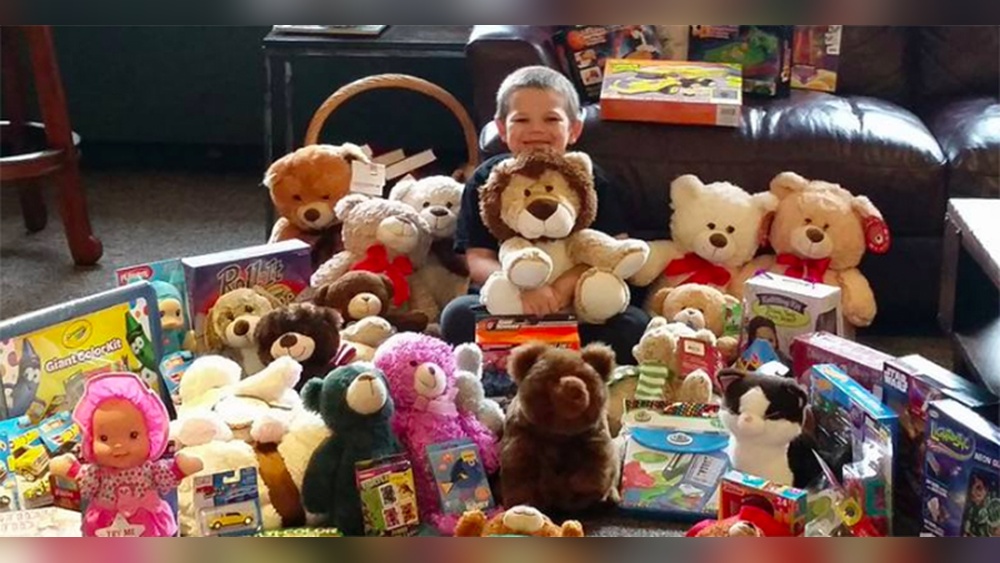
Have you ever wondered why kids hold onto their toys so tightly or get excited about adding just one more to their collection? It’s more than just play—collecting toys is a powerful way your child learns, grows, and expresses themselves.
Understanding this simple habit can unlock new ways to support their creativity and happiness. Keep reading to discover the surprising reasons behind why kids collect toys and how it shapes their world.

Credit: www.amazon.com
Emotional Connection
Children often collect toys because these objects hold strong emotional meaning. Toys are more than just playthings; they create feelings and memories. Kids develop bonds with their toys that help them feel safe and understood. This emotional connection plays a key role in why collecting toys matters so much.
Sense Of Security
Toys provide comfort in times of stress or change. A favorite toy can calm a child during scary moments. It acts like a small friend who is always nearby. This sense of security helps children feel safe and less alone. Collecting toys builds a collection of comfort objects to turn to.
Expressing Identity
Kids use toys to show who they are or want to be. Each toy reflects interests, dreams, and personality. Collecting certain toys helps children explore their likes and dislikes. It is a way to express uniqueness and creativity. Toys become symbols of self, helping kids understand themselves better.

Credit: www.todaysparent.com
Imagination And Creativity
Children use toys to build their imagination and creativity. Toys help kids think in new ways and create stories. This play is not just fun, but it also helps their brain grow strong. Through toys, kids explore different ideas and feelings. They learn to solve problems and express themselves clearly.
Role-playing Adventures
Kids enjoy pretending with their toys. They act like superheroes, doctors, or explorers. This kind of play helps them understand the world around them. Role-playing lets children practice social skills and emotions. They learn how to work with others and handle different situations. Toys become tools for these exciting adventures.
Storytelling With Toys
Toys inspire children to tell stories. They create scenes and imagine what happens next. Storytelling improves language skills and memory. Kids also learn to organize their thoughts. Each toy can become a character in their tales. This play helps children become better communicators and thinkers.
Social Interaction
Social interaction plays a big role in why kids collect toys. Toys are not just for playing alone. They help children connect with others and share their interests. Through toys, kids learn to communicate and build social skills. Collecting toys often leads to fun conversations and shared experiences with friends.
Sharing And Trading
Kids enjoy sharing toys with their friends. Sharing shows kindness and helps build trust. Trading toys is also popular among children. It teaches them about give and take. Trading creates excitement and brings kids closer. It helps children understand fairness and cooperation.
Building Friendships
Toys often become a common topic for kids to talk about. Sharing collections can start new friendships. Playing with toys together helps children bond. They learn teamwork and develop empathy. Toys create opportunities for kids to spend time together. This strengthens their social connections and confidence.
Credit: www.istockphoto.com
Learning And Development
Collecting toys is more than fun for kids. It helps their learning and development in many ways. Toys can teach children new skills and boost their brain power. Playing with toys also builds their hand and finger strength. These skills are important for school and daily life.
Cognitive Skills
Collecting toys helps children think and solve problems. They learn to sort, match, and organize their collections. This improves memory and attention. Kids also use their imagination to create stories with toys. This builds creativity and critical thinking.
Fine Motor Skills
Handling small toys improves kids’ hand movements. Picking up and arranging toys builds finger strength. These actions help with writing and other tasks. Playing with toys also improves hand-eye coordination. This skill is important for many daily activities.
Influence Of Media
Media plays a big role in why kids love to collect toys. Shows, movies, and ads show toys in exciting ways. They make toys seem fun and special. This makes kids want to have them. Media also helps kids learn about new toys quickly. It creates a strong link between toys and stories kids enjoy. This link often sparks a desire to collect.
Favorite Characters
Kids often pick toys of characters they see on TV or in movies. These characters feel like friends. Toys let kids act out scenes they like. They bring stories to life. Having a toy of a hero or a funny character makes playtime more fun. Kids feel closer to these characters through their toys. This connection drives the urge to collect more.
Trends And Fads
Media helps create trends in toy collecting. Some toys become very popular fast. Kids want what their friends have. Ads and shows highlight these trending toys. This makes kids feel excited and eager to join in. Trends can change quickly, so kids look for new toys often. Collecting keeps kids part of the current fun and social groups.
Parental Impact
Parents play a big role in why kids collect toys. Their actions and choices shape how children see collecting. Kids watch and learn from their parents every day. This influence often starts at home and grows with time. Understanding parental impact helps explain why toy collecting begins and lasts.
Gifts And Encouragement
Parents often give toys as gifts. These gifts can start a child’s interest in collecting. Praise and encouragement from parents make children feel proud. Positive words help kids want to add more toys. Support creates a happy experience around collecting.
Modeling Collecting Behavior
Children copy what their parents do. Parents who collect items show children how to enjoy it. This modeling teaches kids how to care for toys. It also shows how to organize and value collections. Parents set an example without needing many words.
Sense Of Achievement
Kids feel proud when they collect toys. This pride comes from a sense of achievement. Collecting toys helps children build confidence. It gives them a goal to reach and a reward to enjoy.
Completing Sets
Many kids enjoy finding all parts of a toy set. Each new toy feels like a step toward finishing the collection. Completing sets gives children a clear goal. It teaches patience and persistence. The joy of finishing a set is very real. It makes kids feel successful and proud of their effort.
Displaying Collections
Showing off their toys gives kids a strong sense of achievement. They like to organize and arrange their collection neatly. Displaying toys helps children see their hard work. It also invites praise from family and friends. This recognition boosts their self-esteem. A well-displayed collection becomes a personal trophy. It motivates kids to keep collecting and improving.
Frequently Asked Questions
Why Do Kids Love Collecting Toys?
Kids collect toys to explore creativity and develop imagination. It also helps them learn organization and decision-making skills while having fun.
How Does Toy Collecting Benefit Child Development?
Toy collecting improves cognitive skills, fine motor abilities, and social interaction. It encourages focus, patience, and emotional expression in children.
What Motivates Children To Collect Specific Toys?
Children choose toys based on interests, favorite characters, and peer influence. Personal attachment and rewards also drive their collecting habits.
Can Toy Collecting Improve A Child’s Social Skills?
Yes, collecting toys fosters sharing, communication, and collaboration with peers. It creates opportunities for social bonding and teamwork.
Conclusion
Kids collect toys because it brings them joy and comfort. They enjoy using their imagination and creating stories. Collecting helps them learn about shapes, colors, and numbers. It also teaches patience and sharing with others. Toys become special treasures that hold happy memories.
Watching their collections grow gives a sense of pride. This simple hobby supports their emotional and social growth. Every toy tells a unique story in a child’s world. Collecting toys is more than fun—it’s a way to learn and connect.
