

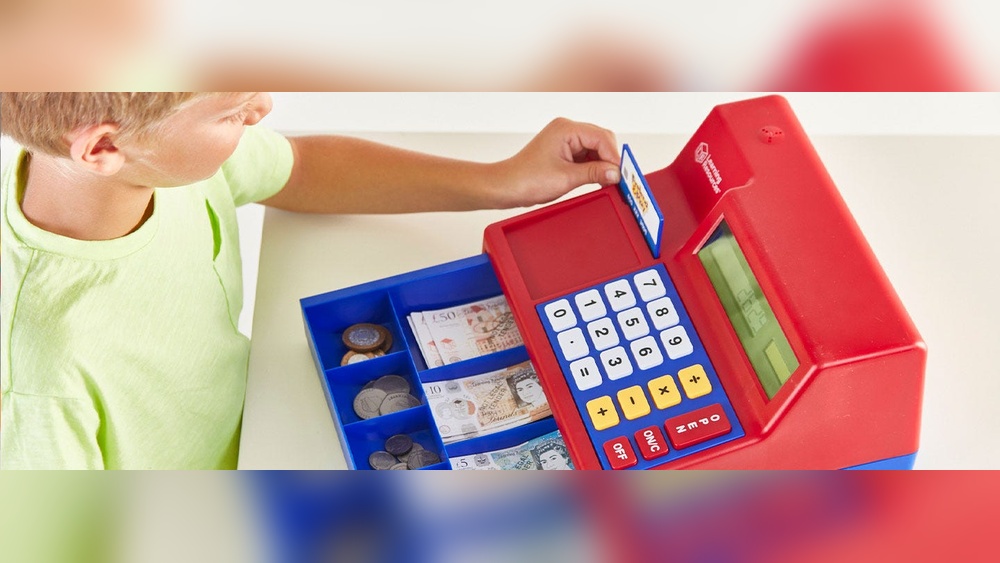
Have you ever wondered why your child spends hours playing with toys, pretending to be a doctor, firefighter, or chef? It’s not just about having fun.
When kids role play with toys, they are doing something powerful. This simple act helps them learn, grow, and understand the world around them. If you want to discover how these playful moments shape your child’s mind and boost their skills, keep reading.
You’ll be surprised at what’s happening behind those imaginative games.
Credit: themagictoyshop.co.uk
Role Play And Imagination
Role play with toys is a key way children use their imagination. It helps them create stories and act out different situations. Through role play, kids learn to think creatively and express themselves.
Playing with toys lets children explore ideas beyond their everyday life. They build new worlds and try on new roles. This kind of play supports their mental growth and emotional skills.
How Toys Spark Creativity
Toys give kids tools to imagine new things. A simple doll or car can turn into anything they want. This freedom helps children think in fresh, creative ways. The more open-ended the toy, the more it sparks imagination.
Building Story Worlds
Kids use toys to create their own story worlds. They make up characters, settings, and adventures. These stories help kids understand the world around them. Story building also improves language and thinking skills.
Exploring Different Perspectives
Role play lets children try different viewpoints. They act as heroes, parents, or even animals. This helps them understand other feelings and ideas. Seeing the world through different eyes builds empathy and social skills.

Credit: letoyvan.com
Emotional Development Through Play
Play is a powerful tool for children’s emotional growth. Through role play with toys, kids explore feelings and learn how to handle them. This type of play creates a safe space for emotional learning. It helps children understand themselves and others better.
Emotional development through play supports healthy relationships and self-awareness. It teaches children to recognize emotions and respond in positive ways. This section explains how role play fosters emotional skills in three key areas.
Expressing Feelings Safely
Role play allows kids to show their feelings without fear. Toys become tools to act out happiness, sadness, anger, or fear. Children use this safe space to practice sharing emotions. This helps reduce stress and confusion about their feelings.
When children express feelings through play, they build confidence. They learn it is okay to feel different emotions. This early practice supports emotional health as they grow.
Building Empathy And Understanding
Role playing helps children see the world from others’ eyes. They imagine how a toy character might feel or think. This practice grows empathy, the ability to care for others’ feelings.
Empathy is a key social skill. It helps children form friendships and solve conflicts. Through role play, kids learn kindness and respect for others.
Managing Emotions With Role Play
Children use role play to practice controlling strong emotions. They try out ways to calm down or solve problems. This helps them handle real-life feelings better.
Role play teaches patience, sharing, and cooperation. Kids learn how to stay calm and think clearly. These skills support emotional balance and good behavior.
Social Skills And Interaction
Role playing with toys helps kids learn important social skills. It gives them a safe space to practice talking and working with others. Through play, children explore how to share ideas and feelings. They also understand how to solve problems with friends.
Practicing Communication
Kids use words and actions to tell stories during play. They learn how to explain their thoughts clearly. Listening to others becomes a key part of the game. This back-and-forth builds strong communication skills. Simple conversations in play prepare them for real-life talks.
Learning Cooperation And Sharing
Playing together means taking turns and sharing toys. Kids discover how to work as a team to reach a goal. They understand the value of helping each other. Cooperation teaches patience and kindness. These lessons shape positive friendships.
Resolving Conflicts In Play
Disagreements often happen during role play. Children practice finding fair solutions on their own. They learn to express feelings without anger. Negotiating roles and rules becomes part of the fun. Conflict resolution in play builds strong social skills for life.
Cognitive Growth Benefits
Role playing with toys helps children grow their thinking skills. It is a fun way for them to learn and practice new ideas. Kids use their minds to explore different situations and solve small problems. This kind of play also helps them pay attention and remember details. Talking and acting out stories with toys improves their language skills too.
Problem Solving And Decision Making
Kids face small challenges during role play. They decide how to use their toys and what happens next. This builds their problem-solving skills. They learn to think of different answers and pick the best one. Making choices helps children become more confident and independent.
Enhancing Memory And Focus
Playing with toys in a story helps children remember details. They keep track of characters and what each one does. This practice improves their memory. Role play also requires focus. Kids learn to pay attention for longer times. These skills help them in school and daily life.
Language Development In Play
Talking during role play helps kids learn new words. They practice sentences and how to speak clearly. Acting out stories builds their ability to express ideas. This makes their language skills stronger. Children become better at sharing thoughts and feelings with others.
Types Of Toys That Inspire Role Play
Role play helps children explore their imagination and understand the world. Certain toys encourage kids to act out stories and express feelings. These toys invite creativity and social skills. They also build problem-solving and communication abilities. Different types of toys inspire role play in unique ways. Each type offers a chance to learn and have fun.
Figurines And Dolls
Figurines and dolls let kids create characters and stories. Children give them names and personalities. They act out family scenes, adventures, or daily routines. These toys help kids practice empathy and social skills. Simple or detailed, dolls spark endless imagination.
Pretend Play Sets
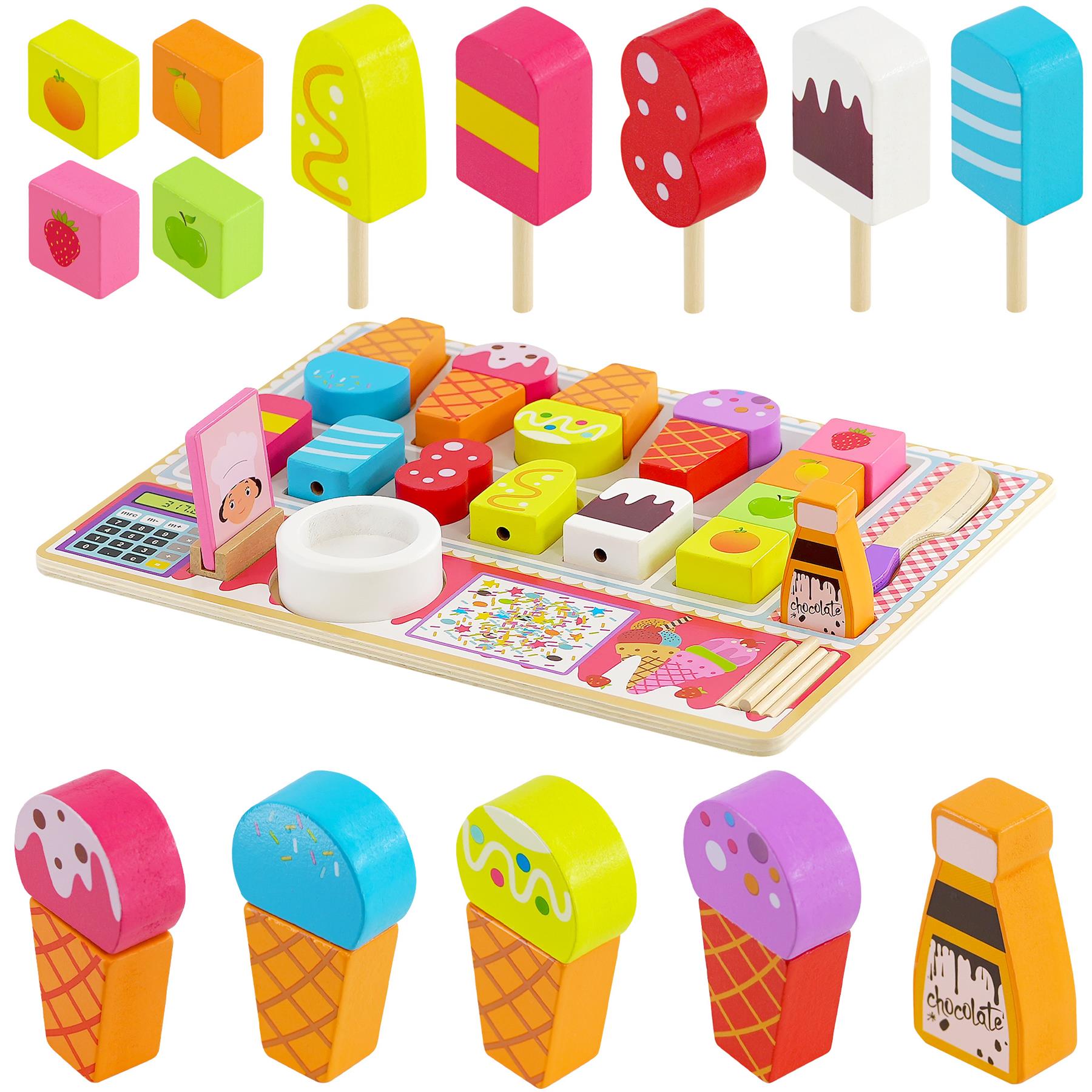
Pretend play sets include kitchens, doctor kits, and toolboxes. These sets encourage kids to mimic real-life roles. Children learn about jobs and daily tasks. They practice decision-making and cooperation during play. Pretend sets bring real-world experiences into fun activities.
Building Blocks And Creative Kits
Building blocks and creative kits inspire kids to design and construct. Kids build houses, cars, or imaginary worlds. These toys develop fine motor skills and spatial awareness. Creative kits add painting or crafting to role play. They boost imagination with hands-on creation.
Encouraging Role Play At Home
Encouraging role play at home helps children learn and grow. It builds creativity, language, and social skills. Parents can support this fun and important activity in simple ways. Setting up the right space and joining play can make a big difference.
Role play lets kids explore feelings and ideas. It helps them understand the world and solve problems. Parents’ involvement can boost confidence and keep play time joyful.
Creating A Play-friendly Environment
Set up a safe, open area for play. Use soft mats, small furniture, and easy-to-reach toys. Keep costumes and props ready to inspire imagination. Rotate toys to keep interest alive. Bright light and fresh air help kids feel happy and alert.
Joining In Without Taking Over
Follow your child’s lead during play. Ask simple questions about their story. Use the same language and ideas they use. Avoid giving too many instructions or correcting. Let kids guide the game and make choices. Your role is to encourage, not control.
Balancing Screen Time And Imaginative Play
Limit screen time to keep playtime rich and active. Encourage hands-on toys and dress-up games. Use screens for short, educational content only. Create a daily routine with clear playtime blocks. This balance supports brain growth and creativity.

Credit: letoyvan.com
Frequently Asked Questions
Why Do Kids Enjoy Role Playing With Toys?
Kids enjoy role playing with toys because it sparks their imagination. It allows them to explore different roles and scenarios in a safe environment. This play helps develop creativity, social skills, and emotional understanding.
How Does Role Playing Benefit Child Development?
Role playing enhances language skills, problem-solving, and empathy. It boosts cognitive growth by encouraging children to think critically. It also improves social interaction and helps children express their feelings effectively.
What Types Of Toys Encourage Role Playing?
Toys like dolls, action figures, and playsets encourage role playing. Dress-up costumes and toy kitchens also inspire imaginative scenarios. These toys help children mimic real-life experiences and practice social roles.
Can Role Playing Improve Children’s Communication Skills?
Yes, role playing improves communication by encouraging dialogue and storytelling. Children practice vocabulary, sentence structure, and listening skills. This interactive play builds confidence in expressing ideas clearly.
Conclusion
Kids role play with toys to learn and have fun at the same time. It helps them understand the world around them. They practice talking, sharing, and solving problems. Pretending also boosts creativity and builds confidence. Playing with toys lets kids explore different ideas safely.
This simple activity supports growth in many ways. Encouraging role play helps children develop important skills for life. It’s a natural and joyful way to learn.
