

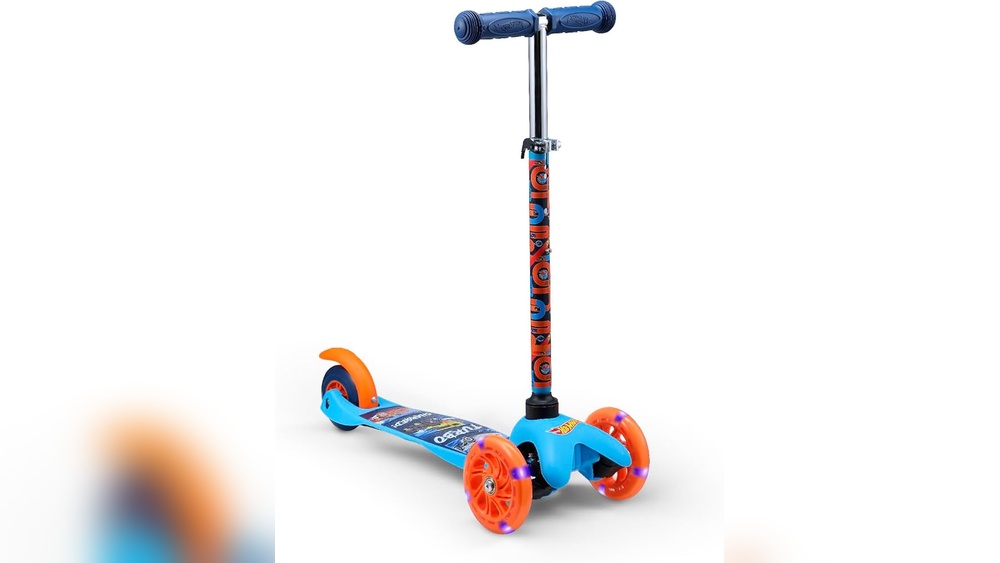
Have you ever wondered when your little one will start picking out their own toys? Watching toddlers explore and make choices is exciting, but knowing exactly when they begin to choose toys themselves can help you support their growth better.
Understanding this milestone not only gives you insight into your child’s development but also makes playtime more meaningful for both of you. Keep reading to discover the signs your toddler is ready to take the lead in choosing toys and how you can encourage their independence while nurturing their creativity.
Early Signs Of Choice
Toddlers begin to show signs of picking their own toys early on. These signs reveal their growing independence and developing tastes. Watching these early choices helps parents understand their child better. Every small action counts as a clue to their preferences.
Recognizing Preferences
Toddlers start to show favorites around 12 to 18 months. They reach for certain toys more often. Sometimes they push away toys they do not like. They might smile or laugh when playing with a preferred toy. These actions show their personal likes and dislikes clearly.
Response To Colors And Shapes
Bright colors often attract toddlers first. They may choose toys with red, yellow, or blue shades. Simple shapes like circles and squares catch their attention too. Toddlers enjoy exploring these shapes with their hands. This helps them learn and decide what they enjoy playing with.

Credit: www.walmart.com
Age Milestones For Toy Selection
Toddlers begin to show interest in toys early. Their choices change as they grow. Age milestones help understand when they start picking toys by themselves.
Watching these stages helps parents support their child’s play and learning. Each milestone marks new skills and preferences.
Choosing Around 12 Months
At 12 months, toddlers start to explore toys more actively. They reach for objects that catch their eye. Choices are mostly about color, shape, or sound. They enjoy simple toys like blocks or soft animals. Their selection is guided by curiosity, not strong preference yet.
Increased Independence At 18 Months
By 18 months, toddlers show more independence in choosing toys. They may pick toys that match their mood. Favorite items often include cars, dolls, or balls. They start to understand how toys work. Playing becomes more focused and imaginative.
Clear Preferences By Age 2
At 2 years, toddlers have clear toy preferences. They select toys that fit their interests and personality. Some like puzzles, others choose pretend play sets. Choices reflect developing skills and creativity. This stage shows strong attachment to certain toys.
Factors Influencing Toy Choices
Toddlers begin to pick toys based on many factors. These influences shape their choices and play habits. Understanding these helps parents support healthy play.
Choices are not random. They reflect the child’s world, feelings, and growth. Toys become more than objects; they become tools for learning and fun.
Parental Impact
Parents guide toy choices from the start. They buy toys that reflect their values and beliefs. Toddlers watch parents’ reactions and preferences closely.
Parents’ involvement helps toddlers feel safe and confident. This trust encourages toddlers to explore toys on their own. The types of toys parents provide also shape interests and skills.
Peer Influence
Toddlers notice what friends play with. They want to join group activities and use similar toys. Peer play introduces new ideas and choices.
Seeing others enjoy a toy sparks curiosity and desire. Shared toys can improve social skills and cooperation. Peer influence grows stronger as toddlers get older.
Developmental Stages
Toddlers’ needs change as they grow. Motor skills, language, and thinking develop quickly. Toys that fit these stages attract their attention more.
Young toddlers may prefer soft, simple toys. Older toddlers choose more complex toys to challenge themselves. Development shapes preferences and play style.
Encouraging Independent Choices
Encouraging toddlers to choose their own toys helps build their confidence. It allows them to explore their interests and develop decision-making skills. Parents play a key role in guiding this process. They should create chances for children to make choices safely and happily.
Offering Variety
Provide different types of toys to spark curiosity. Include puzzles, blocks, dolls, and cars. A wide range helps toddlers find what they enjoy most. Change toys regularly to keep their interest alive. This variety supports their learning and creativity.
Creating A Safe Environment
Make sure the play area is safe and easy to reach. Avoid small pieces that can be swallowed. Use shelves or bins that toddlers can access alone. A safe space encourages independence and reduces the need for constant supervision.
Respecting Their Decisions
Allow toddlers to stick with their toy choices, even if you disagree. This respect builds trust and self-esteem. Avoid forcing toys on them or taking toys away without reason. Praise their choices to encourage more independent decisions in the future.
Signs Of Developing Interests
Signs of developing interests in toddlers show how they begin to choose toys by themselves. These signs help parents see which toys attract their child the most. Watching these signs gives clues about the child’s growing personality and skills. It also shows what excites and holds their attention.
Repeated Toy Selection
Toddlers start picking the same toys again and again. This shows a clear preference. They feel comfort and joy with familiar toys. Repeated choices mean the toddler understands and enjoys certain types of play. Parents can notice patterns in these choices over time.
Engagement Duration
The time toddlers spend with a toy is important. Longer play means deeper interest. Toddlers focus more on toys that match their curiosity. Short play times suggest the toy might not be right for them. Watching how long a child plays helps identify favorite toys.
Emerging Skill Preferences
Toddlers choose toys that fit their growing skills. Some like puzzles for problem-solving. Others prefer blocks for building and creativity. Motor skills also guide toy choice, like toys that roll or stack. These preferences show what skills the child wants to develop.

Credit: abcquality.org
Supporting Growth Through Toys
Toys play a big role in a toddler’s growth. Choosing toys by themselves helps children learn about the world. It also supports their development in many ways. When toddlers pick their own toys, they explore new skills and ideas. This freedom helps them grow smarter and more confident.
Educational Benefits
Toys teach toddlers many lessons. Puzzles help with problem-solving skills. Building blocks improve hand-eye coordination. Simple counting games introduce numbers early. These toys prepare kids for school and learning. Choosing educational toys sparks curiosity and learning.
Enhancing Creativity
Toys like crayons and play dough boost creativity. Toddlers use their imagination to create stories and shapes. This kind of play helps brain growth. It also improves focus and patience. Creative toys give children a chance to express themselves freely.
Promoting Social Skills
Playing with toys alongside others teaches sharing. Toddlers learn to take turns and cooperate. Role-play toys help with communication skills. Social play builds friendships and emotional understanding. Choosing toys that encourage group play supports social growth.
Credit: www.megfoundationforpain.org
Frequently Asked Questions
When Do Toddlers Begin Choosing Toys Independently?
Toddlers typically start choosing toys themselves around 18 to 24 months. This is when they develop preferences and decision-making skills. Early choices are simple and based on colors or shapes. Encouraging independence helps build confidence and creativity during playtime.
What Influences Toddlers’ Toy Choices?
Toddlers’ toy choices are influenced by curiosity, developmental stage, and sensory appeal. Bright colors, textures, and sounds attract them. They also mimic adults and peers, impacting preferences. Parental guidance and available options shape their selections significantly.
How Can Parents Support Toddlers In Choosing Toys?
Parents can support by providing varied, age-appropriate toys. Allow toddlers to explore freely and express preferences. Avoid overwhelming choices to prevent frustration. Observing interests helps parents introduce suitable toys that promote learning and fun.
At What Age Do Toddlers Show Strong Toy Preferences?
Strong toy preferences often appear around 2 to 3 years old. At this stage, toddlers recognize favorite toys and reject others. Preferences reflect their personality and developmental needs. Supporting these choices fosters independence and emotional growth.
Conclusion
Toddlers begin choosing toys as they grow curious and confident. This usually happens between 18 and 24 months. They start showing preferences and enjoy exploring different toys. Parents can support by offering safe, varied options. Watching their choices helps understand their interests and skills.
Letting toddlers pick toys boosts their independence and joy. This small step builds their decision-making skills too. Every child is unique, so timing may vary. Patience and encouragement matter most during this phase. Enjoy watching your toddler discover what they like best.
