

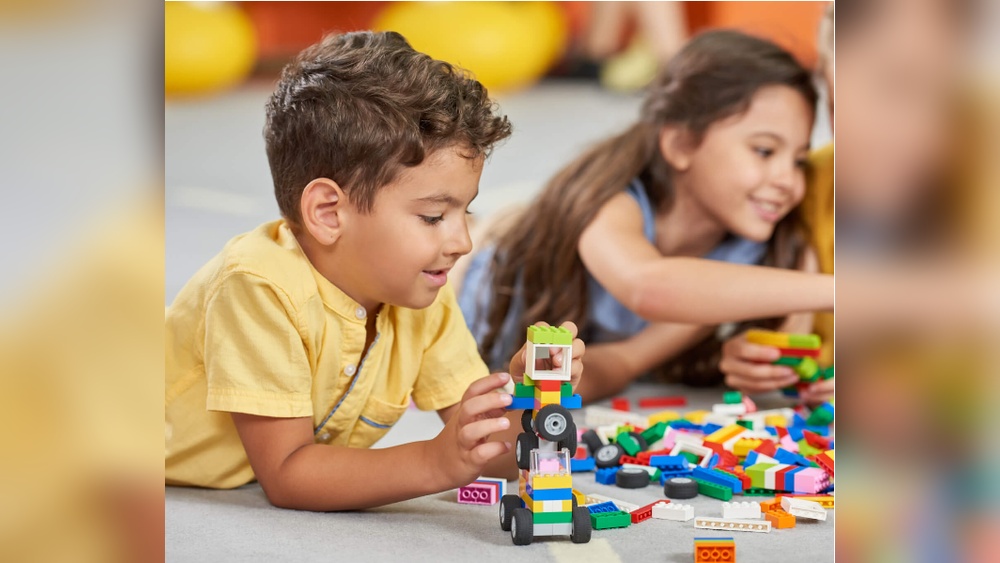
Have you ever noticed your child playing happily with a toy one moment, then suddenly losing all interest the next? It can be confusing and even a little frustrating.
You might wonder why that favorite toy no longer holds their attention. Understanding why kids lose interest in toys suddenly can help you keep playtime fun and engaging. You’ll discover the surprising reasons behind this behavior and simple ways to bring back your child’s excitement.
Keep reading—your next favorite playtime solution could be just a few paragraphs away.
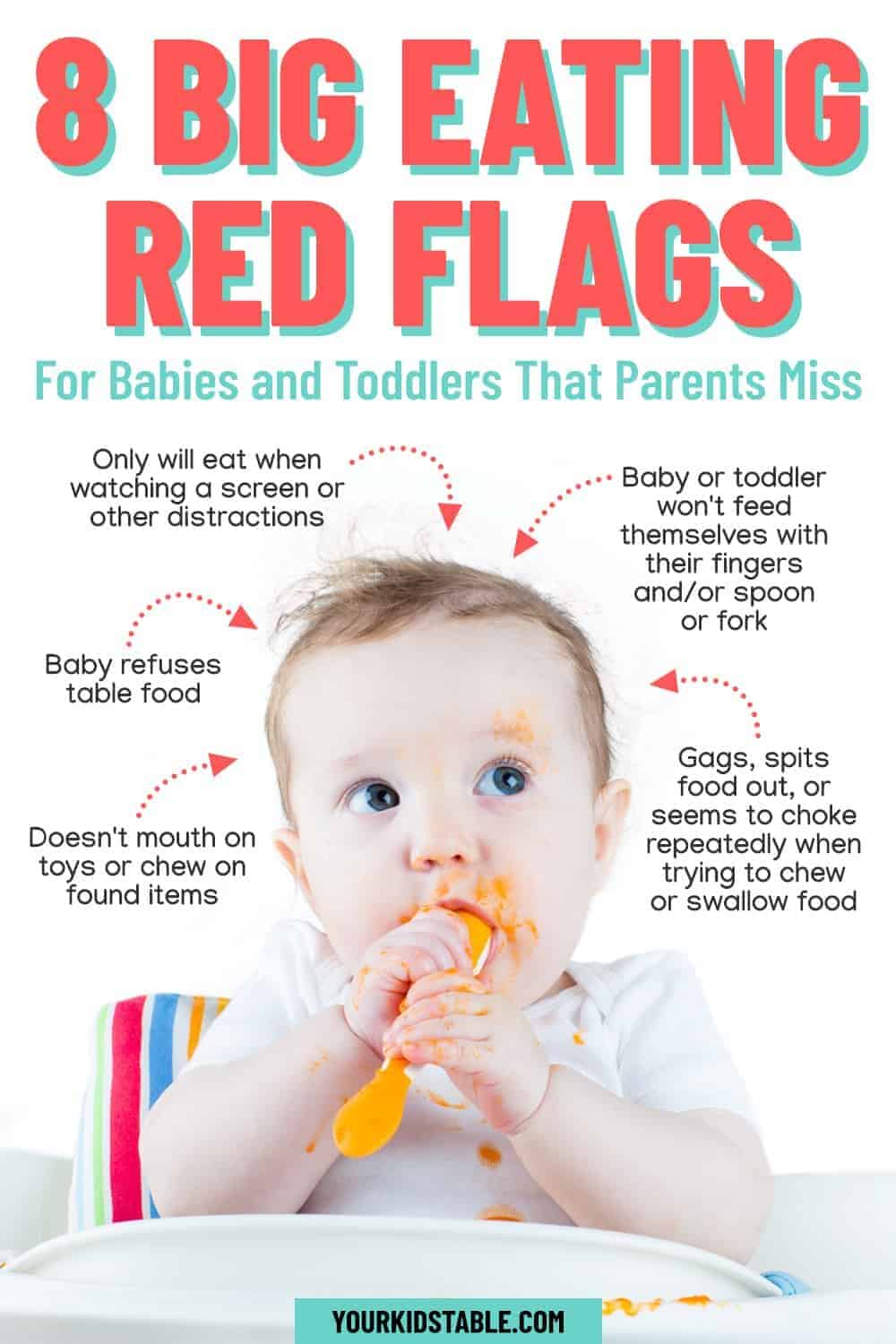
Credit: yourkidstable.com
Changing Developmental Stages
Children grow quickly and their interests change with time. Toys that once excited them might no longer hold their attention. This happens because kids pass through different developmental stages. Each stage brings new skills and ways of thinking.
As children develop, they want toys that match their new abilities. They explore, learn, and play differently. Understanding these changes helps explain why kids lose interest in toys suddenly.
Shifting Interests With Age
Young children enjoy simple toys like blocks and soft dolls. These toys help them learn basic skills. As they grow, they prefer toys that challenge their thinking. Puzzles, building sets, and action figures become more interesting.
Older kids want toys that match their hobbies and social life. Sports equipment or craft kits might replace earlier toys. Interests change fast as kids discover what they enjoy most.
Cognitive Growth And Play Preferences
Children’s brains develop quickly during early years. This growth affects how they play and what they like. Toys that were fun before might feel boring now. Kids seek toys that help them solve problems and be creative.
Play becomes more complex. Imaginative play and role-playing games become popular. This shift shows their cognitive skills improving. Toys that support learning and creativity grab their attention.
Overstimulation From Too Many Toys
Kids often lose interest in toys because they have too many to choose from. This overload can confuse and tire them. Instead of enjoying one toy, they jump quickly to the next. This makes play less fun and more frustrating.
Effects Of Excessive Choices
Having too many toys can overwhelm a child’s mind. It becomes hard to focus on just one toy. This can cause boredom and restlessness. Kids may feel stressed by the constant decision-making. They lose the joy of deep play and exploration. The excitement fades fast, leaving toys untouched.
How Variety Impacts Engagement
Variety sounds good but can reduce interest in each toy. When children face many options, they switch toys often. This stops them from fully enjoying or learning from any toy. A few toys encourage longer, more creative play. Simple choices help kids build focus and imagination. They get more satisfaction from their playtime.
Influence Of Technology
Technology has changed how children play today. Many kids spend more time with screens than with toys. This shift affects their interest in traditional playthings. The bright screens and fast action of digital devices often capture their attention quickly. Toys that used to excite them may seem less fun now.
Screen Time Vs. Traditional Toys
Screen time offers instant fun and rewards. Games and apps change every day. This constant change makes screens more exciting than toys. Traditional toys need imagination and time to enjoy. Some children find it hard to stay interested in slower play. Screens give quick feedback, keeping kids hooked for longer.
Digital Distractions
Digital devices distract children easily. Notifications and sounds pull their focus away. Kids may ignore toys because screens are louder and brighter. The variety of apps and videos can overwhelm their attention. This distraction makes it hard for toys to compete. Over time, children may lose interest in physical toys.
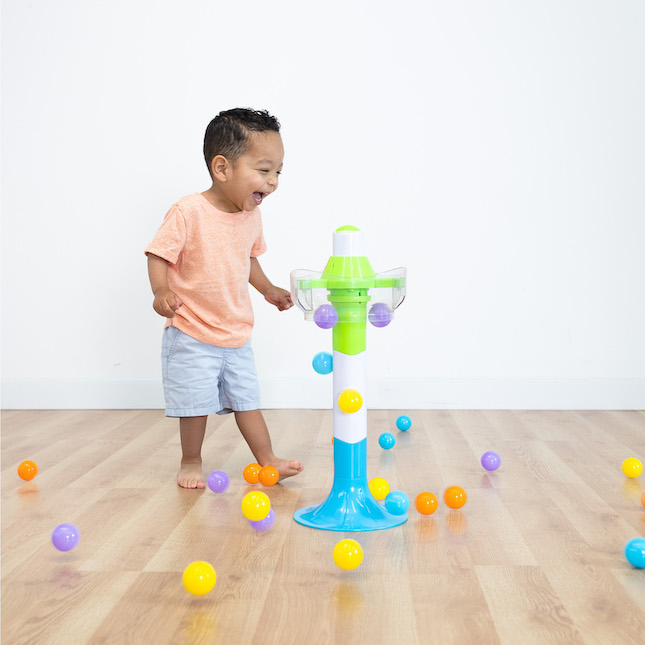
Credit: www.fatbraintoys.com
Social Factors And Peer Influence
Children often change their minds about toys because of social factors and peer influence. Friends and social groups shape what kids find fun or interesting. These social forces play a big role in why toys lose their appeal quickly.
Trends Among Friends
Kids notice what toys their friends play with. New toys or games become popular fast within friend groups. If a toy is no longer “cool,” children stop playing with it. They want to fit in and share common interests. This makes toys lose their charm quickly.
Seeking Social Approval
Children want to be liked by their peers. Playing with popular toys helps them gain acceptance. They may drop old toys to join new trends. Social approval feels important at this age. It guides their choices more than personal preference.
Emotional And Psychological Changes
Children’s feelings and thoughts change fast. These changes affect how they play with toys. Understanding these shifts helps explain why kids suddenly lose interest in toys. Emotional and psychological growth shapes their playtime choices.
Boredom And Novelty Seeking
Kids get bored quickly. Toys that once excited them feel old and dull. They want something new and different. This search for new things is natural. It helps children learn and explore the world.
Toys that do not change or offer new challenges lose their appeal. Children’s curiosity drives them to try new games and activities. This need for novelty can cause sudden toy abandonment.
Mood And Energy Levels
Children’s moods change often. A happy child plays actively. A tired or upset child may ignore toys. Energy levels also affect playtime interest. Low energy can reduce the desire to play.
Emotional ups and downs influence attention span. Sometimes kids want quiet time, not active play. Understanding these mood swings can explain sudden loss of interest in toys.
Toy Quality And Design
Toys capture children’s attention through their quality and design. These two factors shape a child’s experience and interest. Toys that feel cheap or break easily disappoint children quickly. Design also plays a key role. Toys must look fun and invite play. Without these, kids lose interest fast.
Durability And Appeal
Toys must be strong enough to handle rough play. Kids are active and test toys by dropping or throwing them. Toys that break easily cause frustration. Children stop playing with broken toys.
Appealing toys catch a child’s eye. Bright colors and interesting shapes attract kids. Toys that look boring or dull fail to excite children. Quality materials often mean toys feel better and last longer.
Age-appropriate Features
Toys should match a child’s age and skills. Toys too simple or too hard lose interest quickly. Features like buttons, sounds, or puzzles must suit the child’s ability.
Age-appropriate toys help children learn and explore. They keep kids engaged longer. Toys that challenge kids just enough encourage play and growth. Poorly designed toys can confuse or bore children fast.
Parental Role And Environment
Parents and the home environment shape how children feel about their toys. Kids often lose interest when adults do not join or support their play. The space where kids play also affects their excitement. A dull or cluttered room can make toys less fun. Parents can help by making playtime a positive and active part of daily life.
Encouraging Playtime
Parents can join their children during play. This shows kids that play is important. Asking questions about the toys keeps children curious. Praise and attention make kids feel proud of their games. Setting regular times for play helps build a routine. This routine makes play a special moment each day.
Creating Engaging Spaces
Organize toys neatly so kids can find them easily. Use shelves or boxes to keep toys in order. Bright, open areas invite children to play more. A quiet corner can help kids focus on their toys. Change the play area now and then to keep it fresh. A good space makes toys feel new and exciting again.

Credit: en.wikipedia.org
Frequently Asked Questions
Why Do Kids Suddenly Lose Interest In Toys?
Kids lose interest when toys no longer challenge them. Their skills and curiosity grow, so they seek new experiences.
How Does Boredom Affect A Child’s Toy Interest?
Boredom makes toys seem dull and unexciting. Kids crave novelty, so they quickly move on to different playthings.
Can A Child’s Age Impact Toy Interest Duration?
Yes, as children grow, their preferences change rapidly. Age influences what types of toys they find engaging and fun.
Do Too Many Toys Cause Kids To Lose Interest?
Having too many toys can overwhelm kids. They may not appreciate individual toys fully and switch attention often.
Conclusion
Kids often lose interest in toys because they seek new challenges. Their minds grow fast and toys may feel boring. Sometimes, they want to play with friends or try different activities. Changing interests is a normal part of childhood. Parents can help by offering variety and paying attention to their child’s needs.
Toys are tools for learning, not just fun. Watching a child’s reactions helps choose better toys next time. Remember, curiosity drives their play and growth every day. Keep toys fresh and let kids explore freely.
