

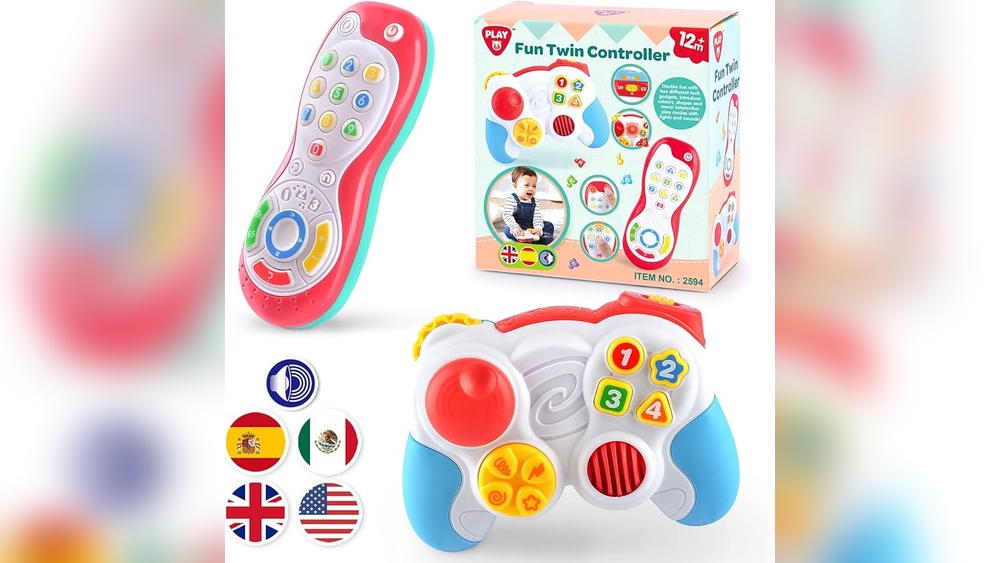
Have you ever noticed how your toddler’s eyes light up when they play with their favorite toy? That simple moment is more powerful than it seems.
Toys aren’t just for fun—they are key tools that help your little one learn control over their movements, emotions, and focus. Imagine giving your child the chance to build skills that shape their future, all while they’re happily playing. You’ll discover exactly how toys can guide your toddler toward better self-control and why choosing the right ones can make a big difference for your child’s growth.
Keep reading—you’ll find tips that can turn playtime into a valuable learning experience.
Role Of Toys In Toddler Development
Toys play a key role in toddler development. They offer more than just fun. Toys help toddlers learn control over their bodies and minds. Through play, toddlers build important skills. These skills form the foundation for future learning and growth.
Choosing the right toys can support different areas of development. Toddlers gain strength, focus, and emotional understanding as they play. Each type of toy encourages a unique aspect of growth. Let’s explore how toys contribute to motor skills, thinking abilities, and feelings.
Building Motor Skills
Toddlers improve their hand and finger movements through toys. Blocks, puzzles, and stacking rings help develop coordination. Toys that require grasping and moving teach control over muscles. These activities strengthen small muscles in hands and fingers. Gross motor skills grow with push toys and ride-ons. These toys encourage walking, balancing, and moving with purpose.
Enhancing Cognitive Abilities
Toys stimulate toddlers’ thinking and problem-solving skills. Shape sorters and simple puzzles teach cause and effect. Playing with toys helps toddlers recognize patterns and shapes. Toys with colors and numbers introduce basic learning concepts. Toddlers learn to focus attention and remember sequences. These skills support language and early math understanding.
Encouraging Emotional Growth
Toys provide a safe way for toddlers to express feelings. Dolls and stuffed animals allow nurturing and role-play. Through play, toddlers practice sharing and patience. Toys help children manage frustration during challenges. Playing alone or with others builds confidence. Emotional skills learned with toys shape social development.
Types Of Toys That Boost Control
Toys play a big role in helping toddlers learn control. Different types of toys target different skills. Some toys help with hand movements. Others focus on senses or thinking. Choosing the right toys can boost a child’s ability to manage small actions and focus.
Fine Motor Skill Toys
Fine motor skill toys help toddlers practice small hand movements. Toys like building blocks, puzzles, and bead threading sets are great. These toys require kids to use fingers and hands carefully. They improve hand strength and coordination. Simple actions like picking up small pieces teach control.
Sensory And Interactive Toys
Sensory toys engage a child’s senses. Toys with different textures, colors, and sounds attract attention. Soft toys, water play sets, and musical instruments are examples. These toys help toddlers notice details and react calmly. They learn to control their reactions to new feelings and sounds.
Problem-solving Toys
Problem-solving toys encourage thinking and patience. Toys like shape sorters, simple puzzles, and stacking rings fit here. Toddlers learn to try different ways to complete a task. This teaches them focus and control over their actions. They also develop the ability to wait and try again.
How Play Encourages Focus
Play is a key way toddlers learn how to focus. Through play, children practice paying attention to tasks. This helps build skills needed for learning and daily life. Toys guide toddlers to concentrate on goals and steps needed to finish activities.
Play also creates a safe space for kids to try again if they lose focus. It teaches them to stay calm and keep working on a challenge. These moments help toddlers control their actions and thoughts better over time.
Improving Attention Span
Toys that require matching, sorting, or building hold toddlers’ interest. These activities ask children to watch carefully and think ahead. Repeating play with these toys trains their brain to stay on one thing longer. Gradually, toddlers learn to ignore distractions and keep attention on the task.
Boosting Patience And Persistence
Some toys need time and effort to complete. Puzzles and stacking blocks are good examples. Toddlers learn to wait and try again when pieces don’t fit. This teaches patience and the value of not giving up. Playing with such toys encourages kids to keep going despite small failures.
Developing Self-regulation
Play helps toddlers manage their emotions and impulses. They practice taking turns and following simple rules during playtime. This guides them to control reactions and behave thoughtfully. Over time, children develop better self-control and decision-making skills through playful experiences.

Credit: hobbytownsantee.com
Link Between Play And Growth
Play is a vital part of toddler growth. It helps children learn control over their bodies and minds. Toys offer a safe way for toddlers to explore and practice new skills. Through play, toddlers develop physical, cognitive, and social abilities. Each type of play supports different areas of growth. Toys encourage toddlers to try, fail, and try again. This process builds strength and confidence. Learning control through play prepares toddlers for future challenges.
Physical Coordination Advances
Toys help toddlers improve their hand-eye coordination. Simple actions like stacking blocks or rolling balls teach precision. These tasks develop fine motor skills and muscle control. Toddlers learn to move their bodies with more skill. Physical play also builds balance and strength. This growth supports walking, running, and climbing.
Cognitive Milestones
Playing with toys boosts a toddler’s thinking skills. Puzzles and sorting toys encourage problem solving. Toddlers learn cause and effect by interacting with objects. Play helps them understand shapes, colors, and sizes. Language skills grow as toddlers name and describe toys. This mental growth supports learning and memory.
Social And Emotional Benefits
Play encourages toddlers to express feelings and share ideas. Toys provide opportunities for cooperation and turn-taking. Toddlers practice patience and control of emotions. Playing with others builds friendships and trust. These social skills help toddlers feel safe and confident.
Tips For Choosing The Right Toys
Choosing the right toys helps toddlers develop control and skills. The right toys keep them engaged and help their growth. Some toys teach focus, while others improve hand movements. Picking toys with care makes playtime both fun and educational.
Age-appropriate Selection
Choose toys that fit your toddler’s age. Toys too hard or too easy can cause frustration. Age-appropriate toys match their abilities and encourage learning. Check labels for age recommendations. Safe toys reduce the risk of injury.
Encouraging Open-ended Play
Pick toys that allow many ways to play. Open-ended toys inspire creativity and thinking. Blocks, dolls, and art supplies fit this well. They help toddlers explore and make choices. This type of play builds control and independence.
Balancing Challenge And Fun
Select toys that are both fun and challenging. Toys that challenge skills help toddlers grow. Too much difficulty may cause stress. Too little challenge can lead to boredom. The right balance keeps toddlers interested and learning.

Credit: www.amazon.com
Creating A Supportive Play Environment
Creating a supportive play environment is key for toddlers to learn control. The right space helps them focus and explore safely. It shapes how they interact with toys and others.
Safe And Stimulating Spaces
Children need areas free from sharp edges and hazards. Soft mats and child-proofed corners protect from falls. Bright colors and varied textures keep their interest alive. These spaces invite toddlers to explore and learn at their own pace.
Limiting Distractions
A quiet room with few toys works best for focus. Too many toys can overwhelm a toddler’s attention. Turn off screens and loud noises during playtime. A calm setting helps children practice patience and self-control.
Encouraging Guided Play
Parents and caregivers should join in play gently. Show how to use toys step-by-step. Praise small successes to build confidence and patience. Guided play teaches toddlers to follow rules and share control.

Credit: www.walmart.com
Frequently Asked Questions
How Do Toys Improve Toddlers’ Self-control?
Toys teach toddlers patience and turn-taking. Playing with toys requires focus, helping kids manage impulses and emotions. This builds essential self-control skills for daily life.
What Types Of Toys Aid Toddler Control Development?
Puzzles, building blocks, and sorting games are ideal. These toys encourage problem-solving and fine motor skills. They help toddlers practice control and concentration effectively.
Can Toys Reduce Tantrums In Toddlers?
Yes, engaging toys distract toddlers and teach emotional regulation. Toys provide constructive outlets for frustration, reducing tantrums and promoting calm behavior.
How Often Should Toddlers Play With Control-building Toys?
Daily playtime of 20-30 minutes is beneficial. Consistent interaction with these toys strengthens control skills and supports steady development.
Conclusion
Toys play a big role in helping toddlers learn control. They practice moving carefully and following rules. Toddlers also learn to wait and share through play. These skills build their focus and patience every day. Playtime turns into important lessons without feeling like work.
Parents and caregivers can choose simple toys that encourage these habits. Watching toddlers grow confident is rewarding and fun. Small steps with toys lead to big gains in control. Play helps children prepare for school and life ahead.
