

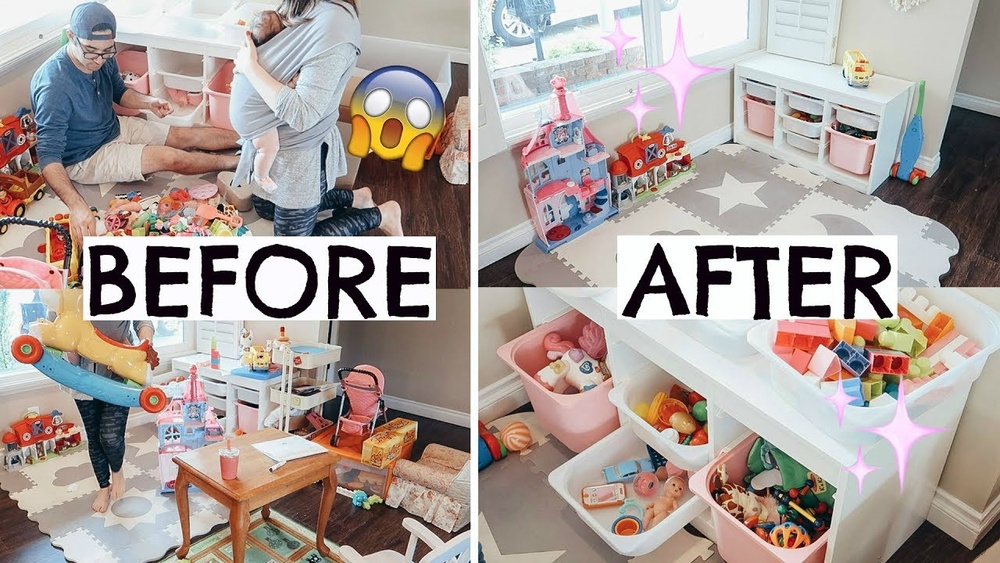
Are you tired of stepping on scattered toys every time you enter a room? Organizing kids’ toys can feel like a never-ending battle, but what if there was a simple way to bring order to the chaos?
Imagine finding your child’s favorite toy in seconds and enjoying a clutter-free space that sparks creativity instead of stress. You’ll discover easy, practical tips to organize your kids’ toys efficiently. Keep reading, and you’ll soon turn your home into a neat, joyful place where both you and your kids can thrive.
Credit: lifebyleanna.com
Sort And Categorize
Sorting and categorizing toys is the first step to a tidy play area. It helps find each toy quickly and keeps the space neat. This process makes cleanup easier for both parents and kids. Start by setting clear categories to organize toys in a smart way.
Group By Toy Type
Separate toys into groups based on their type. For example, put all building blocks in one pile. Keep dolls and action figures in another. Group puzzles and board games together. This method creates clear sections that are easy to manage and store.
Identify Keep, Donate, Toss
Check each toy carefully. Decide if it is still useful or broken. Toys that are in good shape but unused can be donated. Broken or unsafe toys should be tossed. Keeping only needed toys reduces clutter and makes space for fun.
Involve Kids In Sorting
Ask children to help sort their toys. This teaches them responsibility and decision-making. Kids enjoy choosing what to keep or give away. Make it a fun activity with clear instructions. Their involvement makes organizing less stressful and more meaningful.

Credit: busytoddler.com
Choose Storage Solutions
Choosing the right storage solutions helps keep kids’ toys neat and easy to find. It reduces mess and saves time during cleanup. Good storage also teaches kids to organize their things.
Storage options must fit your space and your child’s needs. Some solutions are simple, while others add style and function to a room. Picking the right ones makes a big difference.
Use Clear Bins And Labels
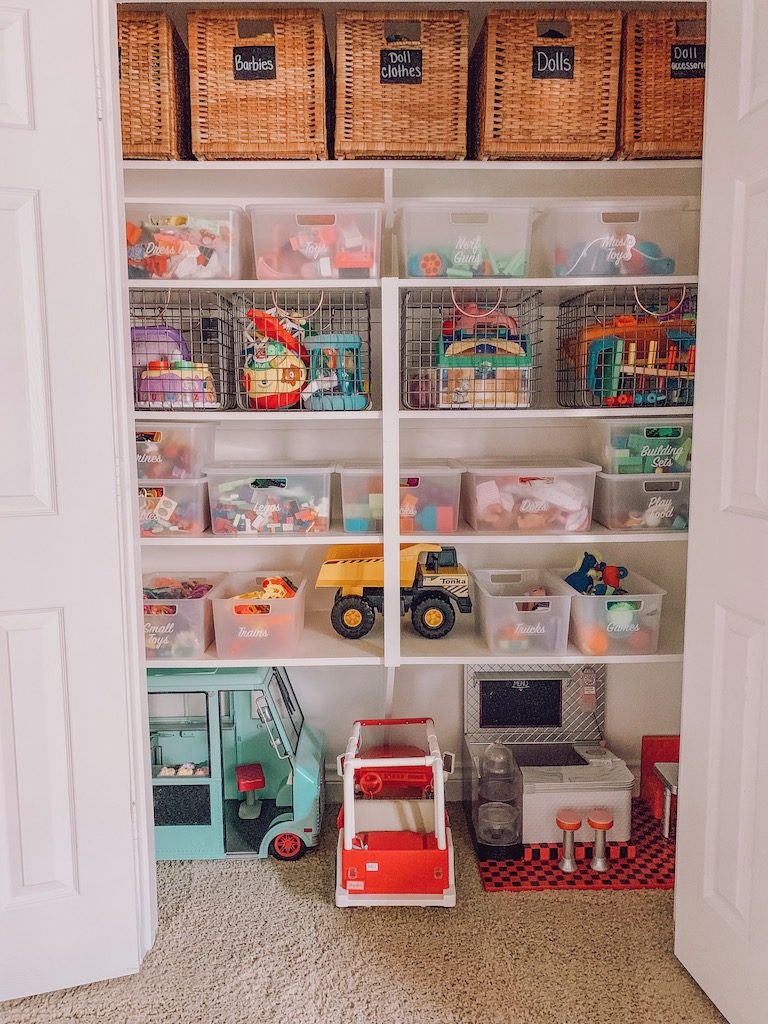
Clear bins let kids see what is inside without opening. This saves time and stops messes from spreading. Labels help children know where each toy belongs. Use pictures or simple words for easy reading. Clear bins stack well, saving floor space and keeping toys tidy.
Incorporate Shelving Units
Shelves use vertical space and keep toys off the floor. Open shelves make toys easy to grab and put back. Adjustable shelves grow with your child’s toy collection. Add baskets or boxes on shelves to store smaller items neatly. Shelving keeps the room organized and looks clean.
Utilize Multi-functional Furniture
Furniture with built-in storage saves space and adds function. Storage ottomans or benches hide toys inside while offering seats. Tables with drawers or shelves store craft supplies or games. Multi-functional pieces keep toys out of sight but within reach. These solutions help create a tidy and playful room.
Create A Toy Rotation System
Creating a toy rotation system helps keep kids interested and rooms neat. It limits clutter and makes playtime fun again. Kids enjoy discovering toys that seem new. Parents enjoy less mess and easier cleanup.
Limit Daily Toy Options
Choose a small number of toys for daily play. About three to five toys work well. Too many toys out can overwhelm children. Fewer toys help kids focus and play longer. Change the toys each day to keep interest.
Store Extras Out Of Sight
Keep the rest of the toys in bins or boxes. Store them in closets or under beds. Out of sight means less distraction and mess. Children will feel excited when new toys reappear. This also teaches kids to value their toys more.
Rotate Toys Regularly
Switch out toys every one to two weeks. This keeps playtime fresh and exciting. Use a simple schedule or calendar as a reminder. Regular rotation helps avoid boredom quickly. Kids get a chance to enjoy all their toys again.
Establish Cleanup Routines
Establishing cleanup routines helps keep toys organized daily. Kids learn habits that make tidying up easier. Clear steps make cleanup less stressful for parents and children. Consistent routines create a tidy and safe play area. Small changes can lead to big improvements in toy organization.
Set Daily Cleanup Times
Choose specific times for cleanup each day. After playtime or before dinner works well. Short, regular sessions prevent toys from piling up. Kids expect cleanup and prepare mentally. Routine times build good habits and reduce mess.
Make Cleanup Fun
Turn cleanup into a game to keep kids engaged. Use timers to challenge speed or sing cleanup songs. Praise children for their efforts and teamwork. Fun makes cleanup less of a chore. Positive feelings help children stick with routines.
Assign Specific Storage Spots
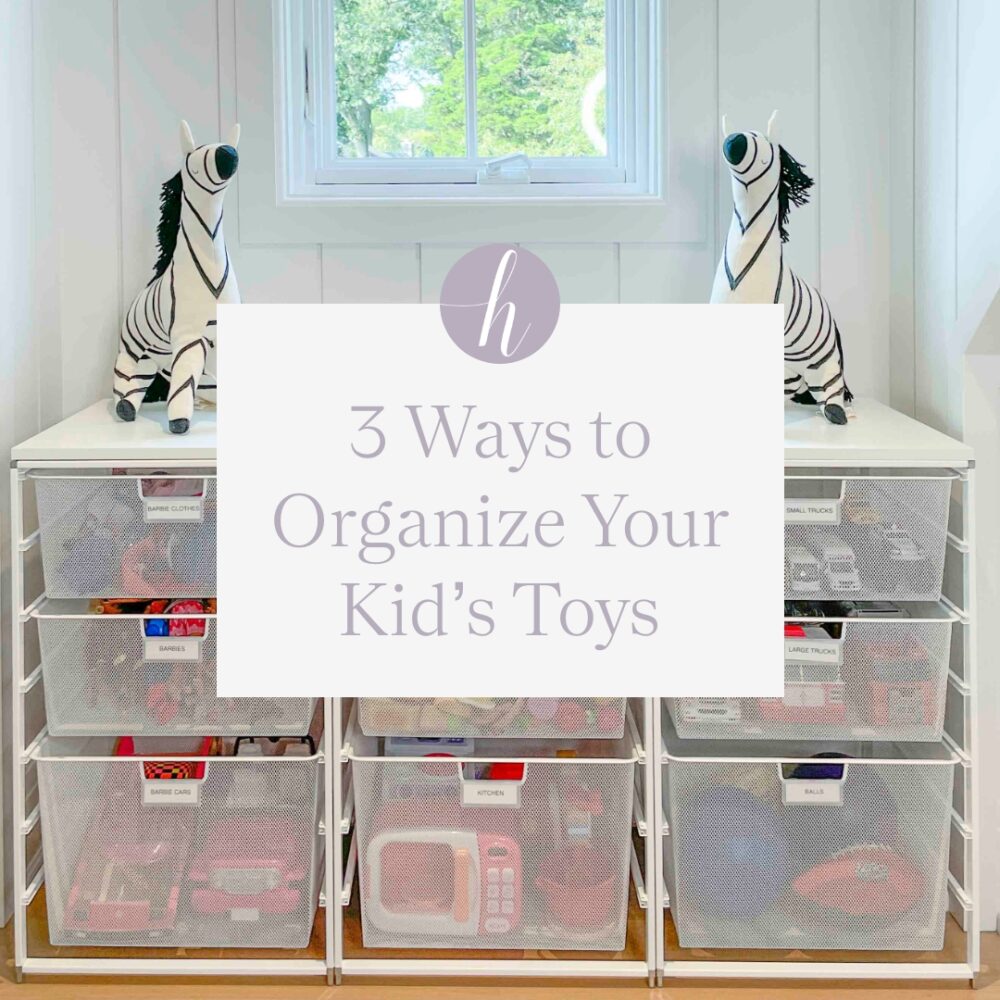
Give each toy a clear, special place to go. Label bins or shelves with pictures or words. Kids find it easier to return toys to their spots. Organized storage saves time and reduces lost toys. Consistent spots help children clean up independently.
Maintain Organization Long-term
Keeping kids’ toys organized is a challenge that lasts over time. Toys multiply and habits change. Staying on top of organization needs effort every day. Small routines help keep the space neat and easy to use. Teaching kids to care for their toys builds good habits. Adapt the system as your child grows. These steps make toy organization last longer.
Schedule Regular Decluttering
Set a regular time to sort through toys. Choose weekly or monthly sessions to remove unused items. This prevents clutter from building up. Let kids help decide what to keep or give away. It teaches them to value what they use. Regular decluttering keeps storage spaces clear and manageable.
Adjust Storage As Kids Grow
Children’s needs change as they grow older. Change toy bins and shelves to fit new toys. Lower shelves for toddlers, higher for older kids. Use clear containers so children can see what is inside. This helps kids find toys easily and put them away. Flexible storage grows with your child’s interests and abilities.
Encourage Responsibility
Teach kids to put away toys after playing. Make cleanup a fun part of playtime. Praise them for keeping their space tidy. Give small tasks like sorting or stacking toys. Responsibility helps children respect their belongings. It builds habits that keep the room organized long-term.
Credit: horderly.com
Frequently Asked Questions
How Can I Sort Kids Toys Effectively?
Sort kids toys by type, size, and usage frequency. Use bins and labels to keep them organized. Regularly declutter to remove unused toys, making cleanup easier and maintaining order in play areas.
What Storage Solutions Work Best For Kids Toys?
Use clear bins, shelves, and cubbies for easy access. Consider toy chests with compartments and wall-mounted organizers. Choose solutions that are kid-friendly, durable, and encourage independent tidying.
How Often Should I Organize My Child’s Toys?
Organize toys monthly or seasonally to prevent clutter buildup. Involve children to teach responsibility and maintain a neat play space. Frequent organization keeps toys manageable and the room tidy.
How To Make Toy Organization Fun For Kids?
Turn cleanup into a game or challenge with timers. Use colorful storage containers and labels for easy identification. Reward kids for organizing to motivate participation and make tidying enjoyable.
Conclusion
Organizing kids’ toys can make daily life easier and more fun. Clear bins and labels help children find toys fast. Keeping a regular clean-up time saves space and stress. Simple steps create a tidy, happy play area. Everyone enjoys a neat room where toys have a place.
Try these tips to keep your home organized. Small changes lead to big results over time. A calm space helps kids play and grow better.
