

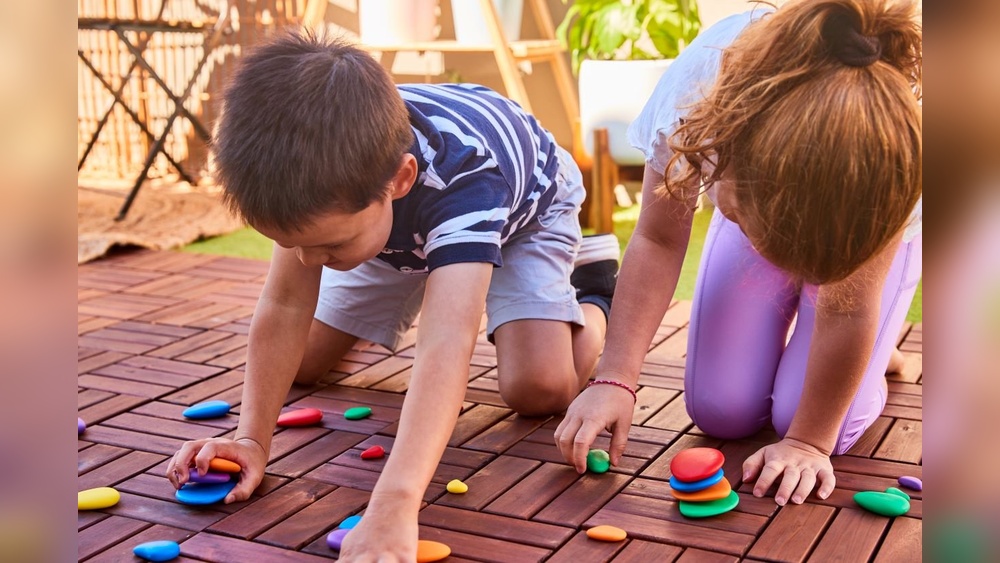
Have you ever wondered why your child suddenly loses interest in a toy they once loved? One day, it’s their favorite, and the next, it’s gathering dust in the corner.
Understanding why kids stop playing with certain toys can help you choose better gifts and keep your child engaged longer. You’ll discover the surprising reasons behind this common behavior and learn how to keep playtime exciting for your little one.
Keep reading—you might just find the key to unlocking endless fun!

Credit: toyboxcity.com
Changing Interests
Children’s interests shift as they grow. Toys that once fascinated them may no longer hold their attention. This change happens naturally. It reflects their developing minds and expanding world.
As kids learn more, their play choices evolve. They seek new challenges and different fun. Understanding why kids stop playing with certain toys helps parents support their growth.
Growing Curiosity
Children become curious about many things. Their minds want to explore new ideas. Simple toys might feel boring after a while. Kids look for toys that match their new skills. They enjoy puzzles, books, or creative sets. Curiosity drives them to try different play experiences.
Influence Of Peers
Friends and classmates affect children’s toy preferences. Kids often want toys their friends have. They join in games their peers enjoy. Peer influence can make old toys less exciting. Social play becomes more important than solo play. This shift changes the toys kids choose daily.
Exposure To New Activities
Children discover new hobbies and interests over time. Sports, music, and crafts attract their attention. These activities offer fresh ways to have fun. New experiences replace the need for old toys. Exposure to diverse activities broadens their play options. Kids naturally move toward what excites them most.
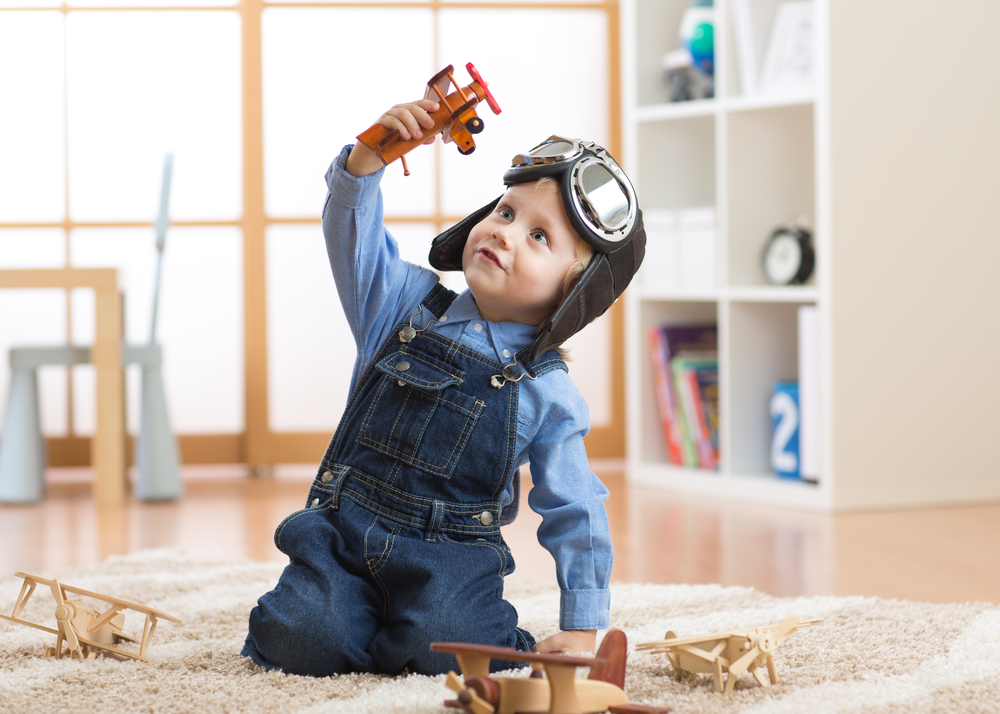
Credit: jacksonvillemom.com
Developmental Stages
Children’s play changes as they grow. Their interests shift because their minds and bodies develop. Toys that once excited them may no longer seem fun. This happens because children go through different developmental stages. Each stage brings new skills and needs. Understanding these stages helps explain why kids stop playing with certain toys.
Cognitive Growth
Children’s thinking skills improve with age. Early on, simple toys that teach colors and shapes work well. Later, they want toys that challenge their thinking. Puzzles and strategy games become more interesting. Toys that seem too easy or boring get ignored. Their growing brain looks for new ways to learn and play.
Motor Skill Progression
Kids develop better control of their hands and body over time. At first, soft toys and blocks are perfect. As they grow, they try toys that need more precise movements. Riding bikes or building complex models becomes fun. Toys that don’t match their skill level lose appeal fast. Physical growth changes what they can do and enjoy.
Emotional Maturity
Children’s feelings and understanding grow too. Younger kids may like toys that comfort or amuse them. Older children want toys that let them express feelings or tell stories. They start to prefer social play and teamwork games. Toys that don’t fit their mood or social needs get left behind. Emotional growth shapes their play choices deeply.
Toy Design Factors
Toy design plays a big role in whether kids keep playing or lose interest. Toys must match a child’s skills and needs. Design problems can make toys boring or frustrating. Understanding these factors helps explain why kids stop playing with certain toys.
Complexity Level
Toys that are too hard can confuse kids. They may give up quickly. Toys that are too easy can become boring fast. The right complexity keeps kids curious and engaged. Designers must balance simplicity with a bit of challenge.
Durability Issues
Kids like to play rough. Toys that break easily lose their appeal. If parts fall off or stop working, kids stop playing. Strong, well-made toys last longer in a child’s hands. Durability helps keep toys interesting and safe.
Lack Of Challenge
Kids enjoy toys that make them think or create. Toys without new tasks or goals get dull. Challenging toys encourage learning and imagination. Without this, kids lose interest and move on. Design must include ways to grow with the child.
External Influences
External influences play a big role in why kids stop playing with certain toys. These outside factors shape their interests and choices. Understanding these influences helps explain changing play habits.
Parental Preferences
Parents often decide which toys children get. They choose toys based on safety, education, and values. Sometimes, parents limit toys they see as too noisy or messy. Their taste affects what kids keep or discard. Children tend to follow their parents’ lead on what is fun or useful.
Marketing Impact
Advertisements grab children’s attention quickly. Toys that appear on TV or online seem more exciting. Kids ask parents for trending toys they see in ads. Marketing creates demand and shapes what children want. Once the ad fades, interest in the toy may fade too.
Cultural Trends
Popular culture influences toy popularity strongly. Movies, shows, and celebrities make some toys trendy. Kids want toys that match current stories or characters. Cultural shifts cause toys to lose appeal over time. Toys linked to old trends often get left behind.
Emotional Associations
Toys are more than just objects for children. They carry feelings and memories. These emotional connections often decide how long a child plays with a toy. Sometimes, kids stop playing with certain toys because of the feelings attached to them.
Emotions can make a toy special or cause a child to avoid it. These feelings come from many experiences. Understanding these emotions helps explain why some toys lose their charm.
Negative Experiences
Bad moments linked to a toy can scare a child away. A toy might remind them of a fall or a scary event. These memories create fear or sadness. Kids want to avoid these feelings. So, they stop playing with the toy.
Attachment Shifts
Children’s feelings change as they grow. They may outgrow a toy and seek new ones. Their heart moves to different toys or activities. This shift is natural and part of growing up. The old toy no longer feels important or fun.
Memories And Nostalgia
Sometimes, children keep toys because of happy memories. But as they grow, these memories can feel distant. The toy becomes less exciting. Nostalgia might bring a smile, but it does not keep them playing. Kids often choose toys that match their current feelings.
Social Dynamics
Social dynamics play a big role in why kids stop playing with certain toys. Children learn and grow in social settings. Toys that once brought joy may lose their appeal as social groups and relationships change. Understanding these social factors can explain shifts in play preferences.
Sibling Interactions
Siblings often share toys, but their interests differ. Older siblings may influence younger ones to try new toys. Sometimes, a toy becomes less fun if a sibling no longer plays with it. Sharing conflicts or competition can also make a toy less appealing.
Group Play Changes
Kids love playing with friends in groups. Group interests change quickly. A toy popular last year may not fit the current group’s style. Toys that do not support group play tend to be set aside. New games or activities can replace old toys.
Popularity Among Friends
Children want toys that help them fit in with friends. If a toy is seen as old-fashioned or uncool, kids may stop using it. Peer approval matters more as children grow. Toys that match friends’ interests stay popular longer.
Practical Reasons
Kids often stop playing with certain toys for simple, practical reasons. These reasons affect how children interact with their toys daily. Understanding these factors helps parents keep playtime fun and stress-free.
Toy Availability
Toys can become unavailable for many reasons. Sometimes, parts break or get lost. Other times, toys are put away and forgotten. New toys may replace old favorites. If kids cannot find a toy easily, they stop playing with it.
Space Constraints
Limited space makes it hard to play with some toys. Big toys need room to move and build. Small rooms or crowded areas can limit playtime. Kids may choose toys that fit their space better. Space affects how often kids use certain toys.
Maintenance Challenges
Toys need care to stay fun and safe. Broken or dirty toys lose their appeal. Some toys require batteries or special parts. If parents or kids find maintenance hard, toys get ignored. Easy-to-care-for toys stay popular longer.
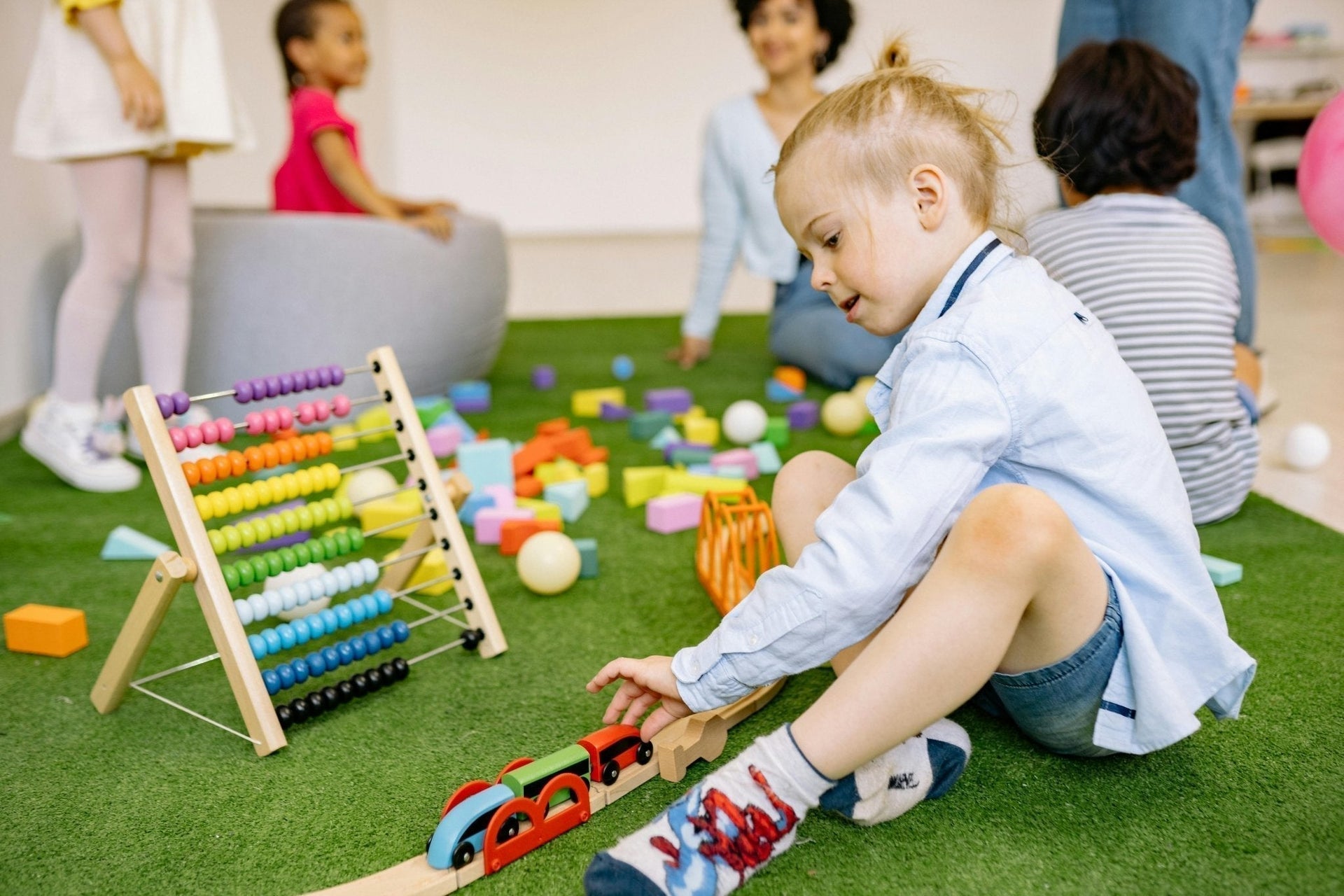
Credit: www.sillbird.com
Frequently Asked Questions
Why Do Kids Lose Interest In Toys Quickly?
Kids often lose interest as toys no longer challenge their growing skills. They seek new experiences that match their development and curiosity.
How Does Age Affect Toy Preference Changes?
As children grow, their interests and abilities evolve. Toys that once excited them may seem boring as they seek more complex play.
Can Too Many Toys Cause Kids To Stop Playing?
Yes, having too many toys can overwhelm kids. They may feel less attached to any single toy and lose focus during play.
Do Kids Stop Playing When Toys Lack Creativity?
Absolutely, toys that don’t inspire imagination often get abandoned. Creative play encourages engagement, while repetitive toys lose appeal over time.
Conclusion
Kids stop playing with certain toys as they grow and change interests. New skills and challenges catch their attention more. Toys that once felt fun may seem boring now. Social influences and friends also shape their choices. Understanding these reasons helps parents pick better toys next time.
Toys that grow with a child hold attention longer. It’s natural for kids to explore and move on. Letting children try new things supports their learning and joy.
